
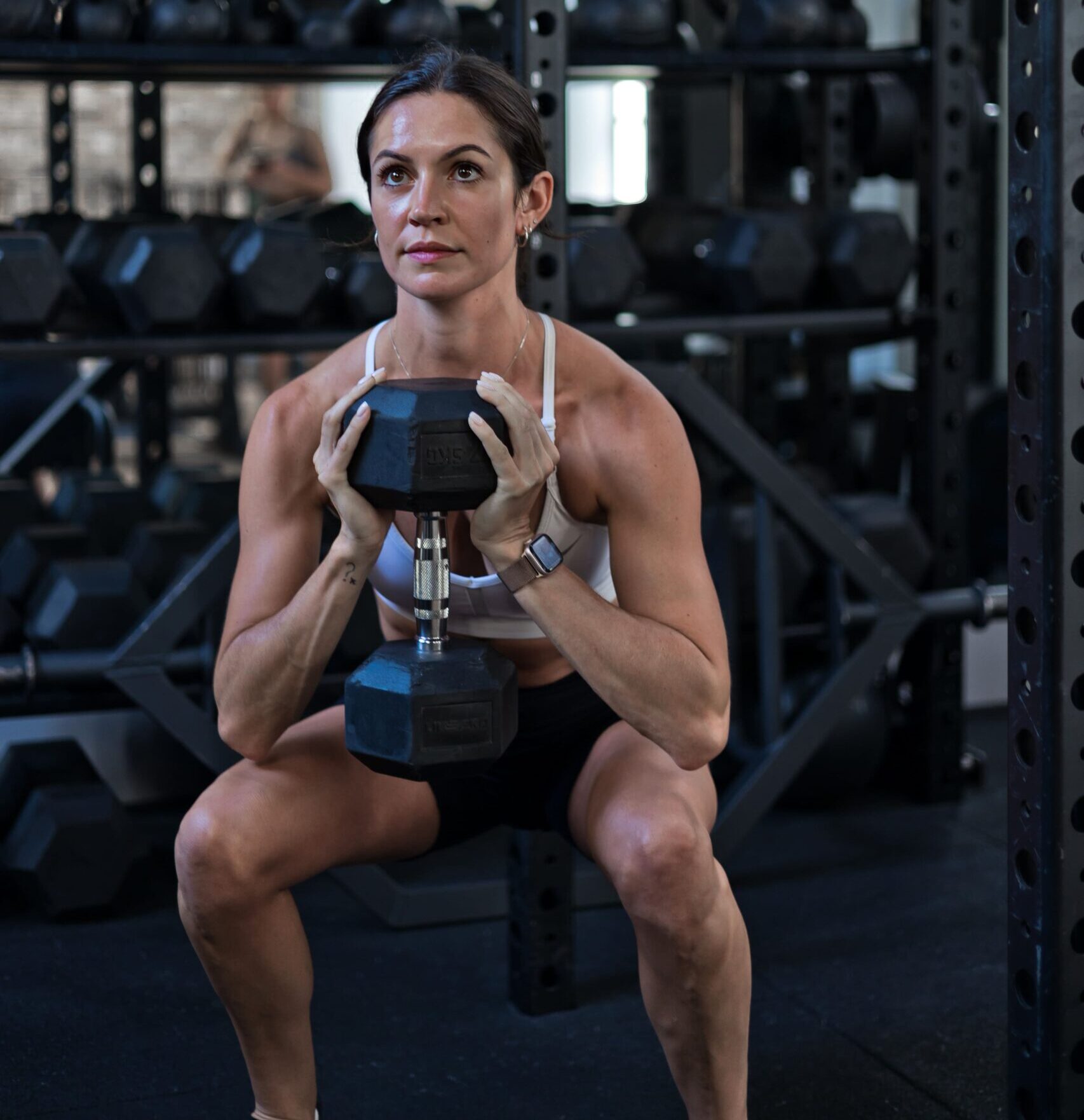
“Can I get the same results training at home as I would at the gym?”
I get asked this at least twice weekly.
The honest answer nobody wants to hear: it depends entirely on what you’re trying to achieve, what equipment you’ve got access to, and how self-directed you are.
I’ve trained clients who built impressive physiques almost entirely at home. I’ve also trained clients who wasted two years doing home workouts that produced virtually nothing because they were following terrible programmes with inadequate equipment.
After a decade of programming both gym and home training—and building the 12REPS app specifically around hybrid training that works for both environments—here’s what actually matters when choosing between the two.

When Home Workouts Actually Work
Let me start with the uncomfortable truth: home workouts can be genuinely effective. You don’t need a gym membership to get fit, build muscle, or improve strength.
But there are conditions.
You’ve Got Basic Equipment
“Bodyweight only” sounds appealing until you realise you can’t progressively overload press-ups forever. Eventually you’ll need resistance.
Minimum viable home setup for serious progress:
- Adjustable dumbbells (ideally up to 30kg+ per hand)
- Resistance bands (for assistance and extra resistance)
- Pull-up bar or door frame attachment
- Something to elevate for step-ups and split squats
This costs £150-300 total. Less than six months of mid-range gym membership.
With this setup, I can programme effective training for muscle building, strength development, and general fitness. Not optimal for everything, but genuinely effective.
You’re Self-Motivated and Structured
No trainer watching. No other people around creating accountability. Just you and the workout.
Some people thrive in this environment. They’re self-directed, they follow the programme, they push themselves appropriately without external pressure.
Most people don’t. They skip the difficult exercises, cut sessions short when tired, or just “forget” to train when motivation dips.
I’ve had clients who were absolutely consistent at the gym—never missed a session—completely fall apart training at home. The external structure mattered more than they realised.
Be honest about which category you’re in. Your money and results depend on it.
Your Goals Suit Home Training
Home workouts excel for:
- General fitness and health maintenance
- Fat loss with appropriate nutrition
- Muscle building (with adequate equipment and programming)
- Movement quality and mobility work
- Conditioning and cardiovascular fitness
Home workouts struggle with:
- Heavy strength development (hard to replicate heavy squats and deadlifts safely)
- Specialised training requiring specific machines
- Maximal muscle growth (limited by equipment constraints)
Client example: Rachel wanted to lose body fat and build moderate muscle definition. Had dumbbells up to 20kg, resistance bands, and a pull-up bar at home. We programmed three sessions weekly focusing on compound movements, progressive overload within her equipment constraints, and conditioning circuits.
Twelve months later: dropped 15kg, visible muscle definition, strength improved substantially. Never stepped in a gym.
Could she have built more muscle in a gym? Probably. Did she achieve her actual goals at home? Absolutely.

When You Genuinely Need a Gym
Now for the other side. There are legitimate reasons to train in a gym that aren’t just about “gym culture” or motivation.
You Want to Build Serious Strength
If your goal involves lifting heavy weights—powerlifting, strength sports, or just getting genuinely strong on major compound lifts—you need gym equipment.
You can’t safely progressive overload squats to 100kg+ at home without a proper rack, barbell, plates, and safety systems. You can’t deadlift 140kg with dumbbells.
Home equipment has limitations. Heavy barbells require infrastructure most homes don’t have.
I’ve programmed home workouts for clients that built impressive strength relative to their equipment. But if you want absolute strength—the ability to move serious external loads—you need access to serious equipment.
You Need Exercise Variety
Commercial gyms offer: cable machines, various barbells and dumbbells, leg press, hack squat, chest press machines, lat pulldowns, leg curl machines, calf raise machines, and dozens more options.
At home, even with good equipment, you’ve got maybe 10-15 exercise variations that work effectively.
For some people, that’s fine. For others, the repetition becomes mentally draining. They need variety to stay engaged.
If exercise boredom kills your consistency, a gym’s variety might be worth the cost.
You Respond to Environment and Social Accountability
Some people train better around others. The gym environment creates motivation. Seeing other people working hard pushes them harder. The social aspect—even if they’re not directly interacting—matters.
I’ve had clients specifically say: “I pay for gym membership because if I’ve paid for it, I’ll go. At home, there’s no financial loss from skipping.”
That’s not weakness. That’s knowing yourself and creating systems that support your consistency.
You Want Professional Guidance In-Person
Virtual coaching works. I’ve done it successfully for years. But there’s undeniable value in having someone physically present to watch your movement, adjust your position in real-time, and provide immediate feedback.
If you’re learning compound movements, recovering from injury, or working around limitations, in-person coaching at a gym might be essential for your specific situation.

The Hybrid Approach That Actually Makes Sense
Here’s what I’ve found works best for most people: hybrid training.
Not “sometimes gym, sometimes home” based on how you feel. Structured hybrid programming that uses each environment for its strengths.
Gym sessions (2x weekly):
- Heavy compound lifts requiring barbells (squats, deadlifts, bench press)
- Exercises requiring specific machines (leg press, cable work)
- Technical movements benefiting from coaching or gym environment
Home sessions (2-3x weekly):
- Dumbbell and bodyweight work for accessory movements
- Conditioning and metabolic work
- Mobility and recovery sessions
- Shorter maintenance sessions when time-constrained
This model gives you:
- Access to heavy equipment when you need it
- Flexibility to train at home when gym isn’t feasible
- Lower gym membership costs (many gyms offer 2-3 day weekly memberships cheaper than unlimited)
- Consistency regardless of schedule constraints
This is precisely why I built the 12REPS app around hybrid training. You can download the 12REPS app to plan your workouts across both gym and home environments, with programming that adapts based on what equipment you’ve got available each session. Check out just12reps.com for more information on how hybrid training actually works in practice.
I’ve run this model with dozens of clients. It’s more sustainable than gym-only training (which falls apart when life gets busy) and more effective than home-only training (which hits equipment limitations).
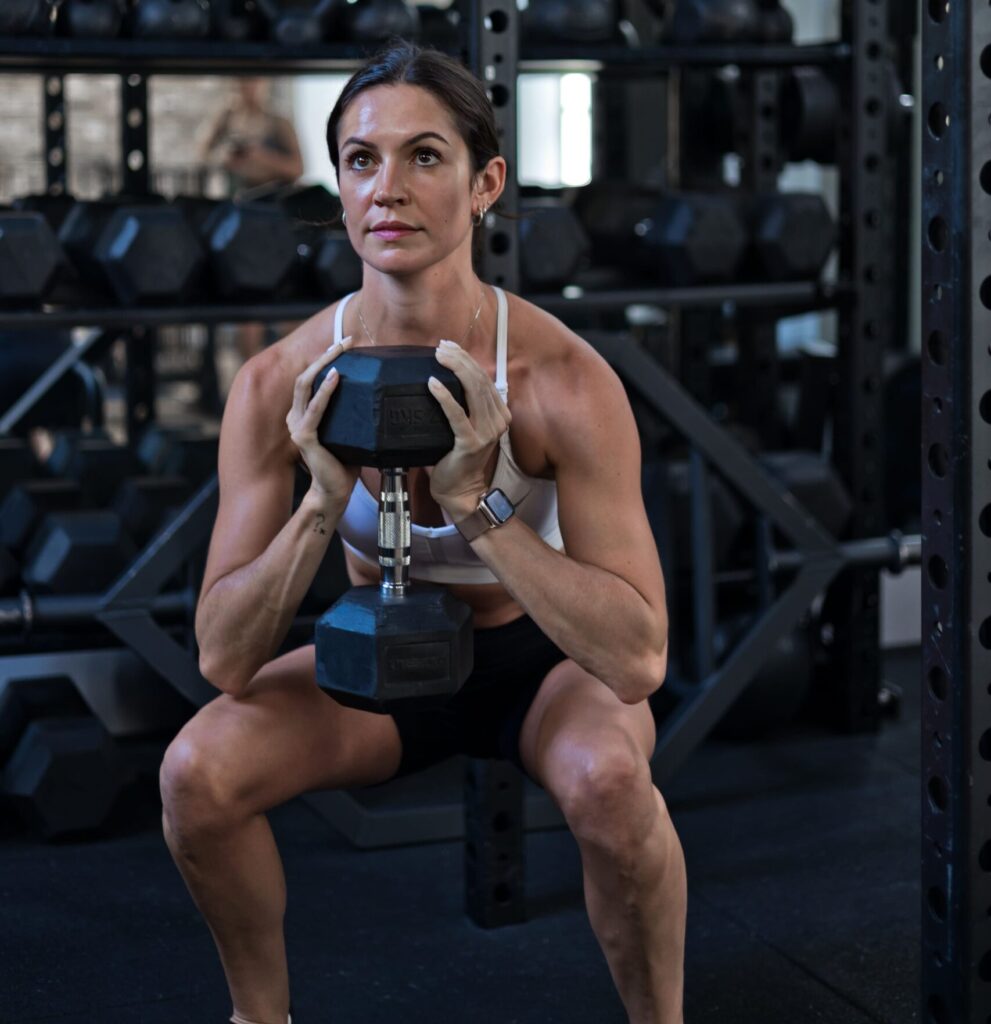
Cost Comparison: What You're Actually Paying
Let’s talk numbers honestly.
Budget Gym Membership (PureGym, The Gym Group):
- £20-35 monthly
- Annual cost: £240-420
- Access to full equipment range
- Often 24/7 availability
Mid-Range Gym:
- £50-80 monthly
- Annual cost: £600-960
- Better equipment, less crowded
- Usually includes classes
Premium Gym (Central London, boutique):
- £100-200+ monthly
- Annual cost: £1,200-2,400+
- Prime locations, luxury facilities
- You’re paying for convenience and environment
Home Setup (one-time cost):
- Basic equipment: £150-300
- Good setup: £500-800
- Premium home gym: £1,500-3,000+
- No ongoing costs after initial investment
Break-even point: If you buy £500 worth of home equipment, you’ve matched 10 months of a £50/month gym membership. After that, you’re training free.
But this ignores the real question: which environment produces better results for you specifically?
Client example: Tom paid £80 monthly for a gym near work. Used it maybe twice monthly because getting there after work was difficult. Bought £400 of home equipment, trained consistently 3-4 times weekly. Cost per session dropped from £40 to essentially zero after the first year. Results improved because consistency improved.
Versus:
Client example: Lisa tried training at home for six months, made minimal progress, never pushed herself hard enough. Joined a gym at £60 monthly, trained consistently 4x weekly, made excellent progress. The £60 monthly was worth it because she actually trained effectively.
Cost per session matters less than results achieved.

The Questions You Should Actually Ask Yourself
Stop asking “gym or home?” Start asking these:
“Where will I actually train consistently?”
If home equipment becomes a clothes rack after three months, it doesn’t matter how cost-effective it was. If you’ve had gym memberships you barely used, adding another one won’t magically change your behaviour.
Look at your track record. What’s worked before?
“What equipment do my goals require?”
Want to squat 140kg? Need a gym. Want to lose 15kg and build moderate muscle? Home works fine with basic equipment. Want to train for a marathon? Neither—you need roads or a treadmill.
Match environment to actual requirements, not aspirational requirements.
“How self-directed am I genuinely?”
Not “how self-directed do I want to be.” How self-directed are you actually, based on past behaviour?
If you need external structure to maintain consistency, home training might not suit you regardless of equipment or programming quality.
“What’s my realistic budget?”
Don’t stretch finances for a premium gym if it stresses you out. That stress undermines training quality.
But also don’t cheap out on a home setup that’s inadequate for your goals just to save £50.
Find the sweet spot between “what I can comfortably afford” and “what will actually work.”

My Recommendations Based on Specific Scenarios
Let me give you practical guidance based on situations I’ve encountered hundreds of times:
Complete Beginner
Go gym for the first 3-6 months if possible.
Learn proper movement patterns under professional guidance or at least in an environment where you can watch others and ask questions. Build base competency with barbell movements.
Then transition to hybrid or home if preferred, now that you understand fundamental movement quality.
Experienced Lifter
Either works, depending on your priorities.
If you’re chasing specific strength goals, maintain gym access for heavy compounds. If you’re in maintenance or general fitness mode, home works fine.
Parent with Young Kids
Home setup is probably essential.
Getting to the gym with childcare constraints is genuinely difficult. A home setup means you can train during nap times, early mornings, or whenever a 20-minute window appears.
Many of my clients in this category have basic home equipment for consistency, plus occasional gym sessions when childcare allows for heavy work.
Budget-Conscious
Home equipment if you’ll actually use it consistently.
The break-even point is roughly 6-12 months depending on equipment cost and comparable gym prices. After that, you’re training essentially free.
But only if you actually use it. An unused £300 home setup is more expensive than a £30/month gym you attend regularly.
Strength-Focused
Gym access is non-negotiable.
You need barbells, racks, heavy plates, and safety systems. This equipment costs thousands to replicate at home safely.
Fat Loss Focused
Either works equally well.
Fat loss happens in the kitchen primarily. Training just supports it. Whether that training happens at home or gym makes minimal difference to outcomes.
Choose based on what you’ll actually do consistently.

Common Mistakes I See People Make
After watching hundreds of people navigate this decision, these errors repeat constantly:
Mistake 1: Overestimating Home Training Consistency
“I’ll definitely train at home 5x weekly now that I’ve got equipment.”
Three months later: equipment is in the spare room gathering dust.
Home training requires legitimate self-discipline. If you’ve never demonstrated this before, don’t assume buying equipment will magically create it.
Mistake 2: Buying Inadequate Home Equipment
“I’ll just get some light dumbbells and resistance bands to start.”
If your goal requires progressive overload—which most goals do—you need equipment you can actually progress with. Light dumbbells are fine for month one. Then what?
Buy equipment that matches your 6-12 month goals, not your current fitness level.
Mistake 3: Joining Gyms They Never Use
“This gym is only £25 monthly, great value!”
It’s not great value if you attend twice monthly. That’s £12.50 per session for a budget gym.
Join gyms you’ll actually attend based on location, timing, and environment. Cheap memberships you don’t use cost more than expensive memberships you use regularly.
Mistake 4: Not Having a Proper Programme
“I’ll just do some press-ups, maybe some dumbbell exercises, see how I feel.”
Whether gym or home, you need structured programming with clear progression. Random exercise doesn’t produce results. It produces fatigue and eventual quit.
Get a proper programme. Follow it consistently. Progress intentionally.

The Bottom Line
Home workouts can absolutely produce results. So can gym training. The “better” option depends entirely on your specific situation: goals, equipment, self-direction, budget, and lifestyle constraints.
I’ve seen incredible transformations from both environments. I’ve also seen people waste years in both environments because they chose based on convenience rather than honest self-assessment.
The questions aren’t “which is better?” The questions are:
- Where will I actually train consistently?
- What equipment do my goals require?
- What can I realistically afford and sustain?
- How self-directed am I genuinely?
Answer those honestly, choose accordingly, and commit to consistency regardless of environment.
Because the best training location is the one where you actually train. Consistently. For months and years, not just weeks.
And if you’re genuinely unsure, try the hybrid model. Two gym sessions weekly for heavy compounds, 2-3 home sessions for everything else. You get the benefits of both without committing entirely to either.
That’s what I recommend for most people, based on a decade of seeing what actually works in practice, not theory.

About Will Duru: BSc-qualified personal trainer with over 10 years experience training clients across London. Creator of the 12REPS app and specialist in evidence-based hybrid training methods. Available for in-person training and consultations.
Related Articles:
- Do I Need a Personal Trainer? A PT’s Honest Answer
- Push Pull Legs: A Personal Trainer’s 6-Week Programme
- The Real Cost of Personal Training in London