

Hello everyone, Will Duru here. I have seen it countless times in the gym. People train without a clear plan, moving from one machine to another, doing exercises they saw someone else do. This often leads to wasted time and slow results. It is frustrating to put in the effort and not see the changes you want.
But what if there was a simple, effective system that could change all that? I am talking about Push Pull Legs, or PPL. This training method is a game-changer for anyone looking to build muscle and get stronger. It is not complicated. It is smart. With PPL, you can expect better results in less time because you are training with purpose and efficiency.

What Is Push Pull Legs?
So, what exactly is Push Pull Legs? It is a training split that divides your workouts into three main categories based on movement patterns:
This system simplifies your gym sessions because you are grouping muscles that work together. Instead of trying to hit every muscle group in one session, you focus on specific movement patterns. This makes your workouts more efficient and easier to understand.

Why Structure Matters in Training
Imagine trying to build a house without a blueprint. It would be chaotic, right? The same goes for your training. Random workouts often lead to imbalances in your body and very slow progress. You might overtrain some muscles and neglect others, which can lead to injury.
Structured training splits, like PPL, improve your focus and consistency. When you walk into the gym, you know exactly what you need to do. This clear plan removes all the guesswork. You are not wondering which exercise to do next. You are executing a well thought out strategy designed for growth.
How Push Pull Legs Improves Efficiency
PPL is all about efficiency. Here is how it helps you get more from your time in the gym:
- Clear Focus: Each session has a very clear goal. On push day, you push. On pull day, you pull. On leg day, you work your legs. This focus helps you concentrate your energy.
- Less Wasted Time: You spend less time switching between different muscle groups. This means more time actually lifting and less time figuring out what to do next.
- Better Exercise Selection: Because you are focusing on a specific movement pattern, it is easier to choose the most effective exercises for that day. The flow of your workout becomes natural.
- Easier to Plan and Stick To: The simplicity of PPL makes it easy to plan your week and stick to your routine. Consistency is key, and PPL makes consistency achievable.
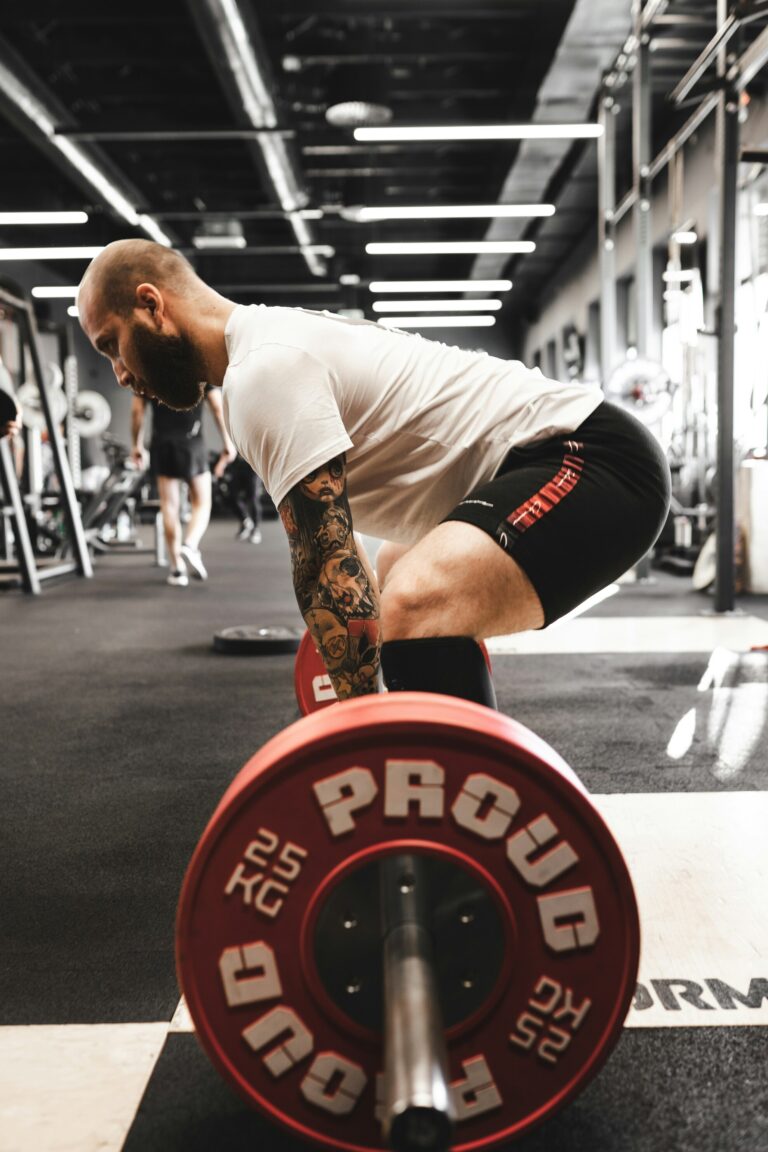
Training Smarter, Not Longer
Many people think they need to spend hours in the gym to see results. This is not true. With PPL, you learn to train smarter, not longer. Typically, three to six exercises per session are enough to get a great workout. This means shorter, more focused workouts.
By dedicating each session to a specific movement pattern, you also reduce fatigue from trying to overtrain multiple muscle groups at once. You can give your full effort to the muscles you are working, leading to better quality sets and reps.
How It Helps Build Muscle Faster
PPL is excellent for building muscle faster because it allows for a higher training volume per muscle group. Since you are only working certain muscles on a given day, you can hit them with more sets and reps without overtraining your entire body. This increased volume, combined with proper intensity, is a powerful recipe for muscle growth.
Your muscles are trained with purpose, not randomly. Each exercise contributes to the overall goal of strengthening that specific movement pattern. This targeted approach stimulates more muscle fibers and promotes better recovery, leading to faster gains.
Recovery Advantage
One of the biggest benefits of the PPL split is the recovery advantage. Your muscles get proper rest between sessions. For example, after a push day, your chest, shoulders, and triceps have several days to recover before you hit them again. This reduced risk of overtraining means your muscles can repair and grow stronger.
Better recovery also leads to better performance in each workout. You come into each session feeling fresh and ready to give your best, which is crucial for making consistent progress.
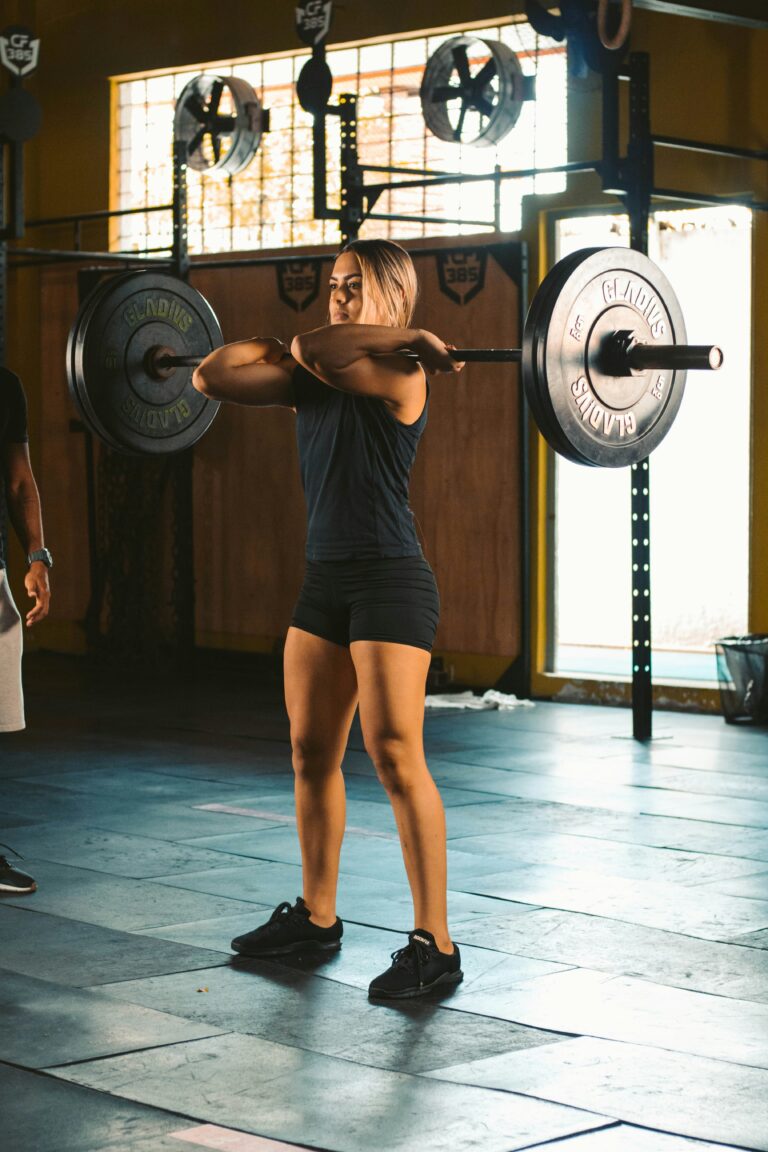
Frequency and Progression
PPL is incredibly flexible. It is easy to repeat weekly, or you can scale it up to six days a week if you want to train more often. This flexibility makes it suitable for various schedules and fitness levels. It also helps you track progress by muscle group. You can clearly see how your bench press is improving on push day, or how your squats are getting stronger on leg day.
This clear tracking supports the principle of progressive overload, which is essential for continuous muscle growth. You can easily add more weight, do more reps, or increase your sets over time, knowing exactly where you stand.
Example Weekly Structure
Here are two common ways to structure a PPL week:
- Option 1: Three Days a Week
- Monday: Push
- Tuesday: Rest
- Wednesday: Pull
- Thursday: Rest
- Friday: Legs
- Saturday: Rest
- Sunday: Rest
- Option 2: Six Days a Week
- Monday: Push
- Tuesday: Pull
- Wednesday: Legs
- Thursday: Push
- Friday: Pull
- Saturday: Legs
- Sunday: Rest
No matter which option you choose, the most important thing is consistency. Stick to your plan, and the results will follow.
Example Push Workout (5–6 Exercises)
Here is what a typical push workout might look like:
- Bench Press: Great for overall chest development.
- Incline Dumbbell Press: Targets the upper chest.
- Shoulder Press: Builds strong shoulders.
- Lateral Raises: Helps create wider shoulders.
- Tricep Dips: Excellent for tricep strength.
- Cable Pushdowns: Isolates the triceps for a good pump.
Example Pull Workout (5–6 Exercises)
For your pull day, consider these exercises:
- Deadlifts: A powerful full-body exercise, especially for the back and hamstrings.
- Pull-ups or Lat Pulldown: Builds a wider back.
- Barbell Rows: Develops thickness in the back.
- Seated Rows: Targets the middle back.
- Face Pulls: Important for shoulder health and rear deltoids.
- Bicep Curls: Classic exercise for bicep development.
Example Leg Workout (5–6 Exercises)
And for leg day, here are some staples:
- Squats: The king of leg exercises, works everything.
- Romanian Deadlifts: Focuses on hamstrings and glutes.
- Leg Press: A great compound movement for overall leg strength.
- Lunges: Improves balance and works each leg individually.
- Hamstring Curls: Isolates the hamstrings.
- Calf Raises: Targets the calf muscles.
Common Mistakes to Avoid
Even with a great system like PPL, there are common mistakes people make:
- Mixing Push and Pull Exercises: Do not try to do chest and back on the same day. Stick to the split.
- Overloading with Too Many Exercises: More is not always better. Focus on quality over quantity.
- Ignoring Recovery: Your muscles grow when you rest, not when you are training. Prioritise sleep and nutrition.
- Not Tracking Progress: If you do not track, you do not know if you are getting stronger. This is vital for motivation and knowing when to increase the challenge.
Why Most People Don’t See Results
Many people struggle to see results because they lack structure. Their workouts are inconsistent, and they lack a clear plan for progression. They might also make poor exercise choices, picking movements that are not effective for their goals. Without a system, it is easy to get lost and give up.
Supporting Content
To learn more about building muscle and optimizing your training, check out these articles:

Final Thought / Call to Action
Stop guessing in the gym. The Push-Pull Legs split is a simple, effective way to structure your training for maximum results. It is about working smarter, recovering better, and building muscle faster. If you are ready to stop wasting time and start seeing real progress, it is time to embrace structure.
Do not wait. Take control of your fitness journey.
Want a structured plan to follow between sessions? The 12REPS app has programmes I’ve written, with exercise demos and set-by-set tracking.


No comment yet, add your voice below!