

Introduction
Hello everyone, Will Duru here. As a personal trainer with over a decade of experience, I have seen countless individuals transform their lives through fitness. But there is a common story I hear, especially from people over 50. They tell me about muscle loss, feeling low on energy, and reduced mobility. It is easy to think that these things are just a part of getting older, something we must accept. Many people at this age tend to ignore strength training, believing it is too late for them or that it is only for younger athletes.
I am here to tell you that this belief is wrong. It is not too late to start. In fact, it is absolutely necessary. Strength training after 50 is not just about looking good. It is about making a long-term investment in your health, your independence, and your quality of life. It is about building a stronger, more capable you for all the years to come.
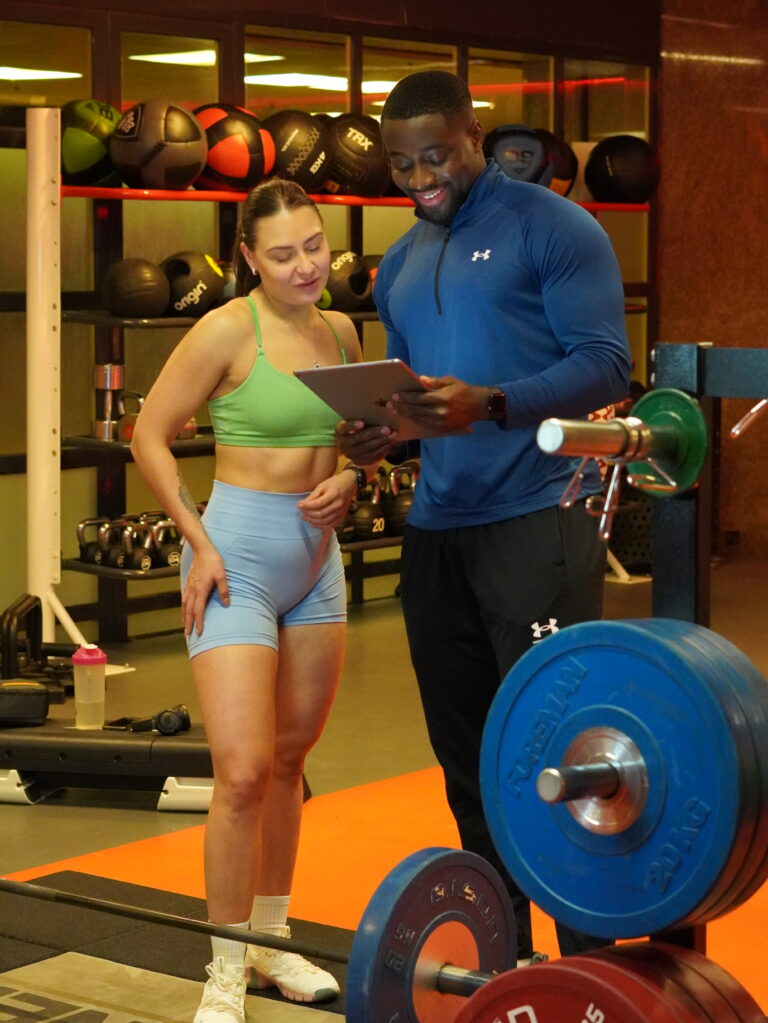
Why Strength Training Is Essential
This is where strength training becomes your superpower. It is the most effective way to fight back against the natural changes that happen after 50. Regular strength training helps you maintain and even rebuild lost muscle mass. This means you can keep your metabolism active and your body strong. It also supports joint health and improves your mobility, making everyday movements easier and more comfortable.
Beyond muscle and joints, strength training significantly improves your balance and coordination. This is vital for reducing the risk of falls, which can have serious consequences as you get older. It also plays a key role in reducing the risk of chronic diseases like type 2 diabetes, heart disease, and certain cancers. In short, strength training is not just about physical fitness. It is about maintaining your independence and enjoying a full, active life for many years.

What Happens to the Body After 50
Our bodies are amazing machines, but they do change as we age. After 50, several natural processes begin to accelerate. One of the most significant is sarcopenia, which is the natural loss of muscle mass. This is not just about losing strength. Less muscle means a slower metabolism, making it harder to manage your weight. Your bone density can also decrease, increasing your risk of fractures and osteoporosis. These changes can lead to a higher risk of injury and falls, which can severely impact your independence.
Think about simple daily tasks. Lifting groceries, climbing stairs, or even getting up from a chair. These actions become harder when your strength declines. This loss of strength affects every part of your daily life, often without you even realising it until it becomes a real problem.

Strength Training and Longevity
Many studies now show a clear link between muscle mass and a longer life expectancy. It is not just about living longer, but living better. A stronger body means you can continue to do the things you love, whether it is playing with grandchildren, gardening, or traveling. Strength impacts your quality of life in profound ways. It gives you the energy and ability to engage with the world around you.
I always reinforce this idea: a stronger body equals better aging. It means more vitality, more resilience, and more joy in your daily activities. It is about adding life to your years, not just years to your life.
Common Fears and Misconceptions
I often hear people say, “I am too old to start.” Or they worry that “weights will cause injury.” Some believe that “cardio is enough” for their health needs. These are common fears, but they are often based on misunderstandings.
Let me reframe this for you. Controlled, progressive strength training is far safer than being inactive. Inactivity is what truly increases your risk of injury and health problems. We are not talking about lifting maximum weights like a bodybuilder. We are talking about smart, guided movements that build strength safely and effectively. Cardio is great for your heart, but it does not build the muscle and bone density that strength training does. Both are important, but strength training provides unique benefits that cardio alone cannot.

What a Simple Strength Plan Looks Like
Starting a strength plan does not have to be complicated. For most people over 50, I recommend two to three sessions per week. These sessions can be full body workouts, or you can use a simple split like push, pull, and legs, adapted for your needs. The key is to focus on basic movement patterns. Think squats, presses, rows, and core work. These exercises work multiple muscle groups at once and are highly effective.
Keep your workouts short and structured. You do not need to spend hours in the gym. A focused 30 to 45 minute session can be incredibly effective. The goal is light progression over time. This means gradually increasing the weight, reps, or sets as you get stronger. This is how your muscles adapt and grow.
Example Beginner Workout Structure
Here is a simple example of what a beginner friendly workout might look like:
- Squats or Leg Press: These build strength in your legs and glutes, crucial for mobility.
- Chest Press: Works your chest, shoulders, and triceps, important for pushing movements.
- Rowing Movement: Strengthens your back and biceps, essential for pulling movements and posture.
- Shoulder Press: Builds strength in your shoulders, helping with overhead movements.
- Core Work: Exercises like planks or bird dogs to strengthen your abdominal and back muscles, supporting your spine.
Remember, start with lighter weights and focus on proper form. As you get stronger, you can gradually increase the challenge. The goal is consistent effort, not immediate heavy lifting.

The Role of Recovery After 50
Recovery is just as important as the workout itself, especially after 50. Your body needs a bit more time to repair and rebuild muscle tissue. This means prioritising sleep. Aim for seven to nine hours of quality sleep each night. Nutrition also plays a huge role. Make sure you are eating enough protein to support muscle repair and growth, along with plenty of fruits, vegetables, and healthy fats.
Mobility and stretching are also key. Incorporate gentle stretching or foam rolling to improve flexibility and reduce muscle soreness. Sometimes, certain supplements like protein powder or creatine can be helpful, but always discuss these with your doctor before adding them to your routine.
Why Most People Fail to Stay Consistent
I have seen many people start with great enthusiasm, only to lose momentum. Why does this happen? Often, it is because there is no clear structure. They do not know what exercises to do, how many sets or reps, or how to progress. This lack of guidance leads to confusion and frustration. Overcomplicated plans can also be a barrier. People get overwhelmed and give up.
Another big reason is low motivation. Without tracking progress, it is hard to see the improvements you are making. When you do not see results, it is easy to lose interest. The guesswork involved in planning workouts can be exhausting, and many simply do not have the time or knowledge to do it effectively.
Positioning the Solution (12REPS App)
This is exactly why I created the 12REPS app. It is designed to be your solution to all these challenges. 12REPS provides simple, guided workouts that are tailored specifically to you. It removes all the guesswork and confusion from strength training. You will know exactly what to do in the gym, or even at home, with clear instructions and demonstrations.
The app tracks your progress, keeping you accountable and motivated by showing you how much stronger you are getting. It is designed for all levels, including absolute beginners over 50 who might feel intimidated by traditional gym environments. With 12REPS, you have a world-class personal trainer in your pocket, guiding you every step of the way.
How 12REPS Makes It Easier
12REPS makes strength training accessible and effective. It offers personalised workout recommendations based on your goals, equipment, and fitness level. You will find clear exercise demonstrations for over 1,500 movements, ensuring you use proper form and prevent injury. The app provides structured plans that adapt over time, so you are always challenged appropriately.
Our focus is on ease of use and consistency. We want to make it as simple as possible for you to stick with your program and see real results. No more wandering around the gym feeling lost. No more guessing if you are doing the right exercises. 12REPS handles the planning, so you can focus on getting stronger.
Supporting Content
To learn more about the incredible benefits of strength training, check out these articles:

Call to Action
It is time to stop making excuses and start investing in your future self. The benefits of strength training after 50 are too significant to ignore. You deserve to live a life filled with strength, independence, and vibrant health. Do not wait. Start now, not later.
Take the first step towards a stronger, healthier you. Try the 12REPS app today and experience the difference a personalised, guided strength training program can make. Your journey to better aging starts here.
No comment yet, add your voice below!