5 Mistakes Beginners Make in the Gym And How to Fix Them Today

5 Mistakes Beginners Make in the Gym And How to Fix Them Today

By Will Duru, BSc (Hons) Sport and Exercise Science, Award-winning Personal Trainer with over 10 years of experience in strength training and optimising recovery.

You walk into the gym. Rows of machines. Barbells. Dumbbells. Everyone is doing something different. It is easy to get lost. I have been training clients for over 10 years, and I see the same mistakes from beginners every single time. Here are the five I see most often.

5 Mistakes Beginners Make in the Gym And How to Fix Them Today

1. Changing Workouts Every Week

Many beginners jump from one routine to another. One week, it is push, pull, legs. Next week, it is something from Instagram or TikTok.
Your body needs repetition to improve. Pick 6 to 8 core exercises. Train them for several weeks. Track your weight, reps, and sets. If your bench press goes from 60 kg for 8 reps in week 1 to 70 kg for 8 reps in week 4, that is real progress. You cannot measure that if you change everything every week.


2. Using Too Much Weight
Beginners often sacrifice technique to lift heavy. The bar moves, but the muscles you want to train do not work properly.


Focus on control first. Choose a weight you can lift with good form for 8 to 12 reps. Stop 1 or 2 reps before failure. Your muscles grow from tension and consistency, not ego.


3. Skipping Compound Movements
Many beginners spend most of their time on bicep curls, tricep pushdowns, and cable flyes. Those have value, but they should not be the foundation of your training. 

Compound exercises like squats, deadlifts, bench press, pull-ups, rows, and overhead press train more muscle at once and build strength faster. Spend most of your gym time on these. The small stuff can come at the end.


4. Not Tracking Workouts
A lot of people rely on memory. They think they lifted 20 kg last week. Maybe it was 16 kg. Progress becomes random.Write down the weight and the reps after every set. If your incline dumbbell press goes from 18 kg for 10 reps to 22 kg for 10 reps in a month, you know the work is paying off. The 12REPS app makes this easy. Log your sets, and your progress is tracked for you.


5. Expecting Fast Results
Beginners often expect big changes in a few weeks. Muscle and strength take time. The people who succeed do something simple. They show up. They train consistently. They improve slowly.


After 4 weeks, your strength starts improving. After 12 weeks, you see visible muscle change. After 12 months you see a major transformation. Most people quit before they get there. Do not be one of them.


Download the 12reps app


Why Strength Training Matters After 50 and How to Start Properly

What supplements can help me recover from my workout

12REPS: Your Pocket Personal Trainer for 2026 - The Best Strength Training App for Men, Women, and PTs

Training can be demanding on the body if your recovery regime is not in place. Take it from someone who understands, has studied the science behind it, and has put it into practice. In this newsletter, I will share three supplements to improve your muscle recovery so you’re ready to go hard again the next day.

When it comes to recovery, the number one thing people don’t pay attention to is supplements. Now you’ll ask me what supplements you should be taking to improve your recovery fast. As a sports scientist, and someone who has tried many supplements on the market, there are only three supplements I’d recommend to myself and to my clients. These are magnesium, L-glutamine, and creatine. You should do your own research on these supplements before trying them, but I would say they’re the best.

  1. Magnesium is probably one of the best supplements for muscle recovery and muscle relaxation after intense exercise. A study examined the effect of magnesium on muscle soreness, and the findings showed that “magnesium reduced muscle soreness, improved performance, recovery, and induced a protective effect on muscle damage.” This is exactly what it does for me too.

  2. L-glutamine is probably the number one recovery supplement you should have in the house if you consistently take part in long walks, strength training, or physical activity. This is one of the supplements I recommend to every single client to help delay the onset of DOMS and achiness after physical activity. Glutamine basically allows you to walk properly the next day after a leg day. As we know, leg day DOMS can be horrible, but also feel nice if you like pain lol. A study showed that glutamine could speed up muscle recovery in athletes, reduce muscle soreness, and increase the rate at which muscles replenish glycogen (carbs) for energy after intense exercise.

  3. Creatine is probably one of the most studied supplements out there. Some people think it’s good for you, and some think it’s bad, but here I’ll explain why and when you should take creatine. Creatine is a supplement your body produces naturally, but you can become deficient or run low on it during intense exercise. This is when you need to replenish your creatine stores. You shouldn’t be taking creatine if you’re just sitting on your ass all day and not taking part in any form of exercise.

A study showed that creatine speeds up muscle recovery by reducing inflammation, decreasing muscle soreness, maintaining cell volume, and accelerating the restoration of muscle strength (MVC) after high-intensity exercise. It works by increasing cellular energy stores (phosphocreatine), allowing for faster recovery between training bouts and reduced fatigue during activities such as sprinting, weightlifting, and other intense physical activities.

Here you have it. These are the three supplements I would recommend for muscle recovery. Make sure to do your own research and speak with your doctor before taking any of the supplements above.

Try out the 12reps app for 4.99 the first month.

Here you have it. These are the three supplements I would recommend for muscle recovery. Make sure to do your own research and speak with your doctor before taking any of the supplements above.

The Body Recomposition Blueprint: How Strength Training Transforms Your Physique

The Body Recomposition Blueprint: How Strength Training Transforms Your Physique

By Will Duru, BSc (Hons) Sport and Exercise Science, Award-winning Personal Trainer with over 10 years of experience in strength training and optimising recovery.

Let us get one thing straight from the very beginning. If you are still chasing a specific number on the bathroom scales, you are playing the wrong game. I see it all the time in the City of London, busy professionals who are obsessed with “weight loss” but end up looking “skinny fat” because they have prioritised the wrong metrics. They slash their calories, spend hours on the treadmill, and wonder why they still do not feel confident in their own skin. The truth is, your weight is only a tiny part of the story. What really matters is your body composition – the ratio of muscle to fat in your body.

I have spent almost a decade training women in the heart of London, and helping my clients build muscle is my absolute passion. I have seen firsthand how a shift in focus from “losing weight” to “building strength” can completely transform not just a person’s physique, but their entire outlook on life. In this article, I am going to break down the science of body recomposition, debunk the biggest myths about “turning fat into muscle,” and show you exactly how strength training turns your body into a high-performance, fat-burning machine.

Why Strength Training Matters After 50 and How to Start Properly

The Great Myth: Can You Really Turn Fat Into Muscle?

I hear this phrase constantly: “I just want to turn my fat into muscle.” While the sentiment is great, the science is, quite simply, impossible. Muscle and fat are two entirely different types of tissue with distinct cellular compositions. It is like trying to turn an apple into an orange – they are both fruits, but they are fundamentally different things. Fat is adipose tissue, primarily designed to store energy. Muscle is an active tissue, designed to move your body and support your skeleton.

So, if you cannot turn one into the other, what actually happens? Body recomposition is the process of simultaneously losing body fat and increasing muscle mass. You are essentially shrinking your fat cells while growing your muscle fibres. This is the “holy grail” of fitness, and for a long time, people thought you had to choose one or the other. But modern sports science has proven that, with the right approach to training and nutrition, you can absolutely achieve both at the same time [1].

How Strength Training Changes Your Body at a Cellular Level

When you engage in a structured strength-training programme, you send a powerful signal to your body that it needs to change. Every time you pick up a heavy weight, you are creating tiny micro tears in your muscle fibres. Your body then rushes to repair these tears, building them back up thicker and stronger. This is the process of hypertrophy, the foundation of muscle building.

But the changes go much deeper than just the size of your muscles. Strength training triggers a cascade of hormonal responses. It increases your levels of growth hormone and testosterone (yes, even in women!), which are essential for both building muscle and burning fat. It also improves your insulin sensitivity, meaning your body becomes much better at using the food you eat for energy rather than storing it as fat. You are essentially rewiring your internal chemistry to favour a leaner, more muscular physique.

Why Strength Training is Non-Negotiable for Women From Age 30 Onwards

The Metabolic Advantage: Why Muscle is Your Best Friend

One of the biggest reasons strength training is so effective for body composition is its impact on your resting metabolic rate (RMR). Your RMR is the number of calories your body burns just to keep you alive while you are sitting on your arse. Muscle is a metabolically active tissue, meaning it requires energy just to exist. Fat, on the other hand, is relatively inert.

Studies have shown that for every kilogram of muscle you gain, your body burns significantly more calories at rest every single day [2]. It might not sound like much in isolation, but over the course of a week, a month, or a year, that extra calorie burn adds up to significant fat loss. By building muscle, you are essentially increasing the size of your engine. A V8 engine burns more fuel than a four-cylinder engine, even when it is just idling at a red light. Your goal should be to turn your body into that V8.

The benefits of strength training do not stop the moment you put the weights down. There is a phenomenon known as Excess Post-exercise Oxygen Consumption (EPOC), or the “afterburn effect.” Because strength training is so demanding on the body, it takes a significant amount of energy to return your systems to their baseline state.

Your body has to repair those micro tears, replenish your energy stores, and rebalance your hormones. All of this requires oxygen and energy (calories). Research has shown that your metabolic rate can remain elevated for up to 48 hours after an intense strength training session [3]. This means you are burning fat at a higher rate while you are sleeping, working, or even watching Netflix the day after your workout. You simply do not get this same effect from steady-state cardio like jogging or cycling.

Why “Skinny Fat” Happens and How to Avoid It

We have all seen people who are technically a “healthy weight” but lack muscle definition and have a higher body fat percentage than they would like. This is the classic “skinny fat” physique, and it usually happens because of two things: too much cardio and not enough protein or resistance training. When you focus solely on cardio and calorie restriction, your body often ends up burning muscle for energy as well as fat.

This is a disaster for your metabolism. By losing muscle, you lower your metabolic rate, making it even harder to lose fat in the future. This is why the “yo-yo” diet cycle is so common. The only way to break this cycle is to prioritise strength training. You need to give your body a reason to maintain its muscle mass, even when you are in a calorie deficit. By lifting weights, you are telling your body: “Do not burn this muscle; I need it to move this heavy stuff!”

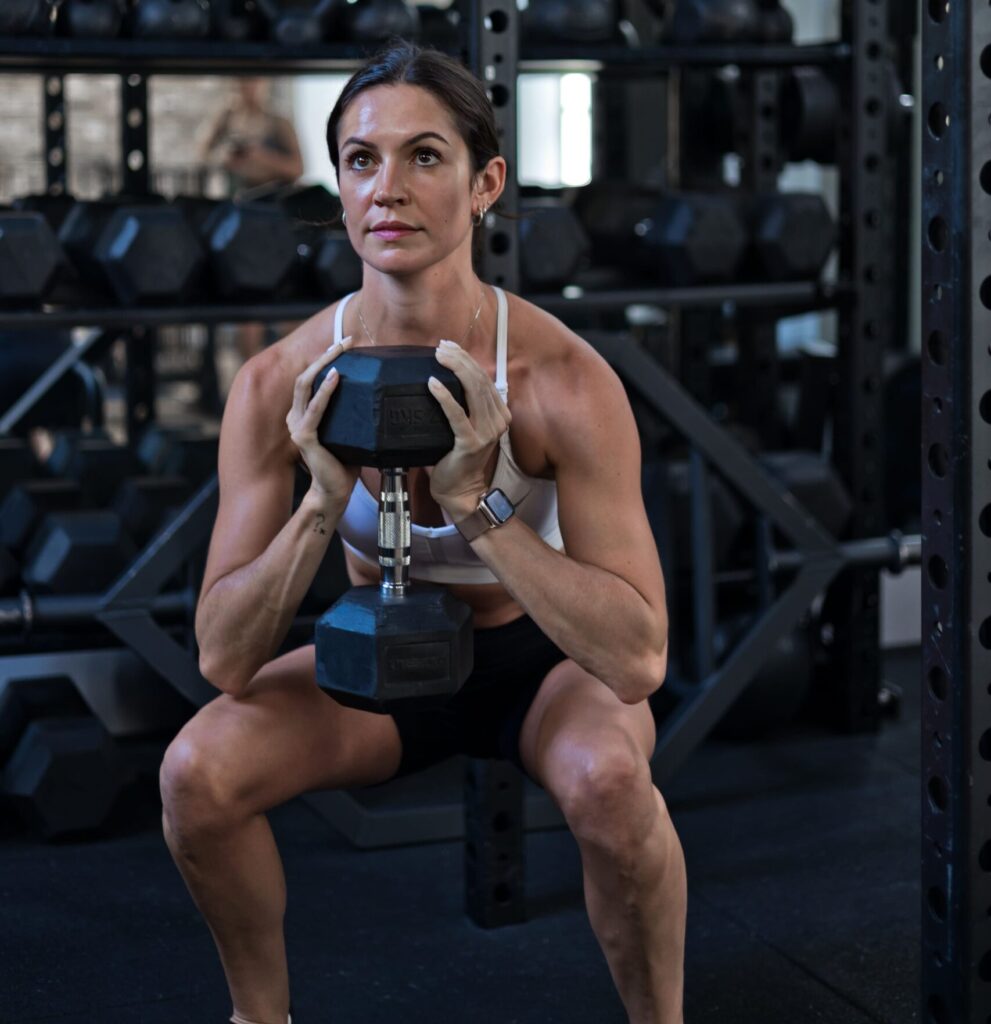
dumbbell squats

The Role of Protein in the Recomposition Puzzle

If strength training is the blueprint for your new body, protein is the building material. You cannot build a house without bricks, and you cannot build muscle without amino acids. When you are aiming for body recomposition, your protein intake needs to be significantly higher than that of someone who is just trying to maintain their current weight.

Protein has a high thermic effect of food (TEF), meaning your body burns more calories digesting protein than it does digesting fats or carbohydrates. It is also incredibly satiating, helping you feel fuller for longer and making it easier to stick to your nutrition plan. I always tell my clients to aim for high-quality protein sources at every meal – think chicken, fish, lean beef, eggs, and plant-based options like lentils and tofu. This ensures your body has the constant supply of “bricks” it needs to repair and grow your muscles.

Consistency and the Power of Progressive Overload

The secret to long-term body recomposition is not a “magic” exercise or a “secret” supplement. It is the boring stuff: consistency and progressive overload. To keep making progress, you have to continually challenge your muscles. This means gradually increasing the weight you lift, the number of reps you perform, or the intensity of your sessions.

If you do the same workout with the same weights for months on end, your body has no reason to change. It has already adapted to that level of stress. You need to keep pushing the boundaries. This is where many people fail – they go through the motions without any real intent. You need a plan that forces you to progress, and you need to track that progress meticulously. If you are not tracking, you are just guessing.

Ultimate Lower-Body Workout: Kettlebells & Machines | 12Reps App

How the 12REPS App Simplifies Your Transformation

This is exactly why I am such a massive advocate for the 12reps app. It takes the guesswork out of body recomposition and provides the structured programme you need to see real results. Whether you are a complete beginner or an advanced lifter, the app creates a personalised plan tailored to your goals, your equipment, and your schedule.

1. Expert Guidance: Every workout is designed by a certified personal trainer, ensuring you are doing the right exercises in the right order to maximise your results. You get clear video demonstrations for over 1,500 exercises, so you can train with total confidence.

2. Smart Tracking: The workout tracker makes it incredibly easy to log your lifts and see your progress over time. It shows you exactly when you have hit a new personal best, which is a massive boost for your motivation.

3. Adaptive Programming: The app is not static. It learns from your performance and adjusts your future workouts to ensure you consistently experience progressive overload. It is like having me right there in your pocket, guiding your every move.

12reps - strength training app

Real World Results: What to Expect

Body recomposition is a marathon, not a sprint. You are not going to wake up tomorrow with a completely different physique. But if you are consistent with your strength training and your nutrition, the changes will happen. You will start to notice that your clothes fit differently. You will see new lines in your shoulders and legs. You will feel stronger, more energetic, and more confident.

The best part? Because you are building muscle, these results are sustainable. You are not just starving yourself to reach a goal; you are building a body that is naturally leaner and more efficient. You are creating a lifestyle that supports your long-term health and wellbeing. This is about more than just looking good; it is about being the strongest, most capable version of yourself.

Final Thoughts: It is Time to Start Your Journey

If you are ready to stop chasing numbers on the scale and start building the body you have always wanted, it is time to embrace the power of strength training. It is the most effective tool we have for changing body composition, boosting metabolism, and improving overall health.

Do not wait for the “perfect” time to start. There is no such thing. The best time to start was yesterday; the second-best time is right now. Download the 12reps app today and start your free trial. Let us get to work on building your strongest self. You have the blueprint, the tools, and the passion. Now, all you need is the discipline to take that first step. I will see you in the gym!  Strength training is your answer. 

References

1. Body Recomposition: Can Trained Individuals Build Muscle and Lose Fat Simultaneously? – A comprehensive review of the science behind simultaneous muscle gain and fat loss.

2. The Relationship Between Muscle Mass and Resting Metabolic Rate – Research exploring how increasing lean mass elevates energy expenditure at rest.

3. The Afterburn Effect: EPOC and Resistance Training – A study on how high-intensity resistance training keeps the metabolism elevated post-workout.

Why Push Pull Legs Is Important for Efficiency and Building Muscle

Why Strength Training Matters After 50 and How to Start Properly

Hello everyone, Will Duru here. I have seen it countless times in the gym. People train without a clear plan, moving from one machine to another, doing exercises they saw someone else do. This often leads to wasted time and slow results. It is frustrating to put in the effort and not see the changes you want.

But what if there was a simple, effective system that could change all that? I am talking about Push Pull Legs, or PPL. This training method is a game-changer for anyone looking to build muscle and get stronger. It is not complicated. It is smart. With PPL, you can expect better results in less time because you are training with purpose and efficiency. 

Why Strength Training Matters After 50 and How to Start Properly

What Is Push Pull Legs?

So, what exactly is Push Pull Legs? It is a training split that divides your workouts into three main categories based on movement patterns:

  • Push: This day focuses on exercises where you push weight away from your body. This includes your chest, shoulders, and triceps.
  • Pull: On pull day, you work muscles that pull weight towards your body. This means your back and biceps.
  • Legs: This day is dedicated to your entire lower body, including your quadriceps, hamstrings, glutes, and calves.

This system simplifies your gym sessions because you are grouping muscles that work together. Instead of trying to hit every muscle group in one session, you focus on specific movement patterns. This makes your workouts more efficient and easier to understand.

The Ultimate Leg Day: Building Size and Strength with a Refined Approach

Why Structure Matters in Training

Imagine trying to build a house without a blueprint. It would be chaotic, right? The same goes for your training. Random workouts often lead to imbalances in your body and very slow progress. You might overtrain some muscles and neglect others, which can lead to injury.

Structured training splits, like PPL, improve your focus and consistency. When you walk into the gym, you know exactly what you need to do. This clear plan removes all the guesswork. You are not wondering which exercise to do next. You are executing a well thought out strategy designed for growth.

How Push Pull Legs Improves Efficiency

PPL is all about efficiency. Here is how it helps you get more from your time in the gym:

  • Clear Focus: Each session has a very clear goal. On push day, you push. On pull day, you pull. On leg day, you work your legs. This focus helps you concentrate your energy.
  • Less Wasted Time: You spend less time switching between different muscle groups. This means more time actually lifting and less time figuring out what to do next.
  • Better Exercise Selection: Because you are focusing on a specific movement pattern, it is easier to choose the most effective exercises for that day. The flow of your workout becomes natural.
  • Easier to Plan and Stick To: The simplicity of PPL makes it easy to plan your week and stick to your routine. Consistency is key, and PPL makes consistency achievable.
12REPS: Your Pocket Personal Trainer for 2026 - The Best Strength Training App for Men, Women, and PTs

Training Smarter, Not Longer

Many people think they need to spend hours in the gym to see results. This is not true. With PPL, you learn to train smarter, not longer. Typically, three to six exercises per session are enough to get a great workout. This means shorter, more focused workouts.

By dedicating each session to a specific movement pattern, you also reduce fatigue from trying to overtrain multiple muscle groups at once. You can give your full effort to the muscles you are working, leading to better quality sets and reps.

How It Helps Build Muscle Faster

PPL is excellent for building muscle faster because it allows for a higher training volume per muscle group. Since you are only working certain muscles on a given day, you can hit them with more sets and reps without overtraining your entire body. This increased volume, combined with proper intensity, is a powerful recipe for muscle growth.

Your muscles are trained with purpose, not randomly. Each exercise contributes to the overall goal of strengthening that specific movement pattern. This targeted approach stimulates more muscle fibers and promotes better recovery, leading to faster gains.

Recovery Advantage

One of the biggest benefits of the PPL split is the recovery advantage. Your muscles get proper rest between sessions. For example, after a push day, your chest, shoulders, and triceps have several days to recover before you hit them again. This reduced risk of overtraining means your muscles can repair and grow stronger.


Better recovery also leads to better performance in each workout. You come into each session feeling fresh and ready to give your best, which is crucial for making consistent progress. 

Building Muscle After 40: What Actually Works (From a Trainer Who's Seen It Done)

Frequency and Progression

PPL is incredibly flexible. It is easy to repeat weekly, or you can scale it up to six days a week if you want to train more often. This flexibility makes it suitable for various schedules and fitness levels. It also helps you track progress by muscle group. You can clearly see how your bench press is improving on push day, or how your squats are getting stronger on leg day.

This clear tracking supports the principle of progressive overload, which is essential for continuous muscle growth. You can easily add more weight, do more reps, or increase your sets over time, knowing exactly where you stand.

Example Weekly Structure

Here are two common ways to structure a PPL week:

  • Option 1: Three Days a Week
  • Monday: Push
  • Tuesday: Rest
  • Wednesday: Pull
  • Thursday: Rest
  • Friday: Legs
  • Saturday: Rest
  • Sunday: Rest
  • Option 2: Six Days a Week
  • Monday: Push
  • Tuesday: Pull
  • Wednesday: Legs
  • Thursday: Push
  • Friday: Pull
  • Saturday: Legs
  • Sunday: Rest

No matter which option you choose, the most important thing is consistency. Stick to your plan, and the results will follow.

Example Push Workout (5–6 Exercises)

Here is what a typical push workout might look like:

  • Bench Press: Great for overall chest development.
  • Incline Dumbbell Press: Targets the upper chest.
  • Shoulder Press: Builds strong shoulders.
  • Lateral Raises: Helps create wider shoulders.
  • Tricep Dips: Excellent for tricep strength.
  • Cable Pushdowns: Isolates the triceps for a good pump.

Example Pull Workout (5–6 Exercises)

For your pull day, consider these exercises:

  • Deadlifts: A powerful full-body exercise, especially for the back and hamstrings.
  • Pull-ups or Lat Pulldown: Builds a wider back.
  • Barbell Rows: Develops thickness in the back.
  • Seated Rows: Targets the middle back.
  • Face Pulls: Important for shoulder health and rear deltoids.
  • Bicep Curls: Classic exercise for bicep development.

Example Leg Workout (5–6 Exercises)

And for leg day, here are some staples:

  • Squats: The king of leg exercises, works everything.
  • Romanian Deadlifts: Focuses on hamstrings and glutes.
  • Leg Press: A great compound movement for overall leg strength.
  • Lunges: Improves balance and works each leg individually.
  • Hamstring Curls: Isolates the hamstrings.
  • Calf Raises: Targets the calf muscles.

Common Mistakes to Avoid

Even with a great system like PPL, there are common mistakes people make:

  • Mixing Push and Pull Exercises: Do not try to do chest and back on the same day. Stick to the split.
  • Overloading with Too Many Exercises: More is not always better. Focus on quality over quantity.
  • Ignoring Recovery: Your muscles grow when you rest, not when you are training. Prioritise sleep and nutrition.
  • Not Tracking Progress: If you do not track, you do not know if you are getting stronger. This is vital for motivation and knowing when to increase the challenge.

Why Most People Don’t See Results

Many people struggle to see results because they lack structure. Their workouts are inconsistent, and they lack a clear plan for progression. They might also make poor exercise choices, picking movements that are not effective for their goals. Without a system, it is easy to get lost and give up.

The Ultimate Leg Day: Building Size and Strength with a Refined Approach

Positioning the Solution (12REPS App)

This is exactly where the 12REPS app comes in. I designed it to solve these problems. 12REPS gives you structured push-pull legs plans, taking all the guesswork out of your training. It recommends workouts based on your specific goals and the equipment you have available.

The app tracks your progress automatically, so you can see your strength growing week after week. It removes all the confusion and saves you valuable time, allowing you to focus purely on your workout.

How 12REPS Improves Efficiency

12REPS makes your training incredibly efficient. You get quick access to your workouts in the gym, with clear instructions and video demonstrations for every exercise. There is no thinking involved, just execution. This helps you stay consistent and focused, ensuring you make the most of every session.

Supporting Content

To learn more about building muscle and optimizing your training, check out these articles:

Why Push Pull Legs Is Important for Efficiency and Building Muscle

Final Thought / Call to Action

Stop guessing in the gym. The Push-Pull Legs split is a simple, effective way to structure your training for maximum results. It is about working smarter, recovering better, and building muscle faster. If you are ready to stop wasting time and start seeing real progress, it is time to embrace structure.

Do not wait. Take control of your fitness journey. Use the 12REPS app to get started with a personalised PPL plan today. Your stronger, more efficient self is waiting.


Why Strength Training Matters After 50 and How to Start Properly

Why Strength Training Matters After 50 and How to Start Properly

Introduction

Hello everyone, Will Duru here. As a personal trainer with over a decade of experience, I have seen countless individuals transform their lives through fitness. But there is a common story I hear, especially from people over 50. They tell me about muscle loss, feeling low on energy, and reduced mobility. It is easy to think that these things are just a part of getting older, something we must accept. Many people at this age tend to ignore strength training, believing it is too late for them or that it is only for younger athletes.

I am here to tell you that this belief is wrong. It is not too late to start. In fact, it is absolutely necessary. Strength training after 50 is not just about looking good. It is about making a long-term investment in your health, your independence, and your quality of life. It is about building a stronger, more capable you for all the years to come.

4-Day Push Pull Legs Program for Muscle Gain and Fat Loss | 12Reps

Why Strength Training Is Essential

This is where strength training becomes your superpower. It is the most effective way to fight back against the natural changes that happen after 50. Regular strength training helps you maintain and even rebuild lost muscle mass. This means you can keep your metabolism active and your body strong. It also supports joint health and improves your mobility, making everyday movements easier and more comfortable.

Beyond muscle and joints, strength training significantly improves your balance and coordination. This is vital for reducing the risk of falls, which can have serious consequences as you get older. It also plays a key role in reducing the risk of chronic diseases like type 2 diabetes, heart disease, and certain cancers. In short, strength training is not just about physical fitness. It is about maintaining your independence and enjoying a full, active life for many years.

Why Strength Training Matters After 50 and How to Start Properly

What Happens to the Body After 50

Our bodies are amazing machines, but they do change as we age. After 50, several natural processes begin to accelerate. One of the most significant is sarcopenia, which is the natural loss of muscle mass. This is not just about losing strength. Less muscle means a slower metabolism, making it harder to manage your weight. Your bone density can also decrease, increasing your risk of fractures and osteoporosis. These changes can lead to a higher risk of injury and falls, which can severely impact your independence.


Think about simple daily tasks. Lifting groceries, climbing stairs, or even getting up from a chair. These actions become harder when your strength declines. This loss of strength affects every part of your daily life, often without you even realising it until it becomes a real problem.

Why Strength Training Matters After 50 and How to Start Properly

Strength Training and Longevity

Many studies now show a clear link between muscle mass and a longer life expectancy. It is not just about living longer, but living better. A stronger body means you can continue to do the things you love, whether it is playing with grandchildren, gardening, or traveling. Strength impacts your quality of life in profound ways. It gives you the energy and ability to engage with the world around you.


I always reinforce this idea: a stronger body equals better aging. It means more vitality, more resilience, and more joy in your daily activities. It is about adding life to your years, not just years to your life.

Common Fears and Misconceptions

I often hear people say, “I am too old to start.” Or they worry that “weights will cause injury.” Some believe that “cardio is enough” for their health needs. These are common fears, but they are often based on misunderstandings.

Let me reframe this for you. Controlled, progressive strength training is far safer than being inactive. Inactivity is what truly increases your risk of injury and health problems. We are not talking about lifting maximum weights like a bodybuilder. We are talking about smart, guided movements that build strength safely and effectively. Cardio is great for your heart, but it does not build the muscle and bone density that strength training does. Both are important, but strength training provides unique benefits that cardio alone cannot.

Why Strength Training Matters After 50 and How to Start Properly

What a Simple Strength Plan Looks Like

Starting a strength plan does not have to be complicated. For most people over 50, I recommend two to three sessions per week. These sessions can be full body workouts, or you can use a simple split like push, pull, and legs, adapted for your needs. The key is to focus on basic movement patterns. Think squats, presses, rows, and core work. These exercises work multiple muscle groups at once and are highly effective.

Keep your workouts short and structured. You do not need to spend hours in the gym. A focused 30 to 45 minute session can be incredibly effective. The goal is light progression over time. This means gradually increasing the weight, reps, or sets as you get stronger. This is how your muscles adapt and grow.

Example Beginner Workout Structure

Here is a simple example of what a beginner friendly workout might look like:

  • Squats or Leg Press: These build strength in your legs and glutes, crucial for mobility.
  • Chest Press: Works your chest, shoulders, and triceps, important for pushing movements.
  • Rowing Movement: Strengthens your back and biceps, essential for pulling movements and posture.
  • Shoulder Press: Builds strength in your shoulders, helping with overhead movements.
  • Core Work: Exercises like planks or bird dogs to strengthen your abdominal and back muscles, supporting your spine.

Remember, start with lighter weights and focus on proper form. As you get stronger, you can gradually increase the challenge. The goal is consistent effort, not immediate heavy lifting.

Building Muscle After 40: What Actually Works (From a Trainer Who's Seen It Done)

The Role of Recovery After 50

Recovery is just as important as the workout itself, especially after 50. Your body needs a bit more time to repair and rebuild muscle tissue. This means prioritising sleep. Aim for seven to nine hours of quality sleep each night. Nutrition also plays a huge role. Make sure you are eating enough protein to support muscle repair and growth, along with plenty of fruits, vegetables, and healthy fats.

Mobility and stretching are also key. Incorporate gentle stretching or foam rolling to improve flexibility and reduce muscle soreness. Sometimes, certain supplements like protein powder or creatine can be helpful, but always discuss these with your doctor before adding them to your routine.

Why Most People Fail to Stay Consistent

I have seen many people start with great enthusiasm, only to lose momentum. Why does this happen? Often, it is because there is no clear structure. They do not know what exercises to do, how many sets or reps, or how to progress. This lack of guidance leads to confusion and frustration. Overcomplicated plans can also be a barrier. People get overwhelmed and give up.

Another big reason is low motivation. Without tracking progress, it is hard to see the improvements you are making. When you do not see results, it is easy to lose interest. The guesswork involved in planning workouts can be exhausting, and many simply do not have the time or knowledge to do it effectively.

Positioning the Solution (12REPS App)

This is exactly why I created the 12REPS app. It is designed to be your solution to all these challenges. 12REPS provides simple, guided workouts that are tailored specifically to you. It removes all the guesswork and confusion from strength training. You will know exactly what to do in the gym, or even at home, with clear instructions and demonstrations.

The app tracks your progress, keeping you accountable and motivated by showing you how much stronger you are getting. It is designed for all levels, including absolute beginners over 50 who might feel intimidated by traditional gym environments. With 12REPS, you have a world-class personal trainer in your pocket, guiding you every step of the way.

How 12REPS Makes It Easier

12REPS makes strength training accessible and effective. It offers personalised workout recommendations based on your goals, equipment, and fitness level. You will find clear exercise demonstrations for over 1,500 movements, ensuring you use proper form and prevent injury. The app provides structured plans that adapt over time, so you are always challenged appropriately.

Our focus is on ease of use and consistency. We want to make it as simple as possible for you to stick with your program and see real results. No more wandering around the gym feeling lost. No more guessing if you are doing the right exercises. 12REPS handles the planning, so you can focus on getting stronger.

Supporting Content

To learn more about the incredible benefits of strength training, check out these articles:

Call to Action

It is time to stop making excuses and start investing in your future self. The benefits of strength training after 50 are too significant to ignore. You deserve to live a life filled with strength, independence, and vibrant health. Do not wait. Start now, not later.

Take the first step towards a stronger, healthier you. Try the 12REPS app today and experience the difference a personalised, guided strength training program can make. Your journey to better aging starts here.


Push Pull Legs: The 3-Day Strength Plan That Actually Works

The Ultimate Leg Day: Building Size and Strength with a Refined Approach

Many individuals embark on their fitness journeys with enthusiasm yet often find themselves adrift in a sea of exercises, performing routines without a clear structure or purpose. This lack of a coherent plan often leads to stagnation, slow progress, and ultimately, frustration. Randomly selecting exercises or following inconsistent routines can hinder muscle adaptation and recovery, making it difficult to achieve desired strength and physique goals.

The human body thrives on progressive overload and systematic training, and without it, results will inevitably be suboptimal. This is where the Push Pull Legs (PPL) training split emerges as a simple yet profoundly effective solution. It provides a logical framework for organizing your workouts, ensuring that every session contributes meaningfully to your overall strength development. With the right approach, just three days a week can be enough to build significant strength and muscle mass, proving that consistency and intelligent programming trump endless hours in the gym.

5-Day Strength Training Split: Gain 10kg of Lean Muscle in 12 Months

What Is Push Pull Legs?

The Push Pull Legs (PPL) split is a popular and highly effective training methodology that divides your body into three distinct workout days based on movement patterns: push, pull, and legs. Instead of isolating individual muscles, this split groups exercises that involve similar biomechanical actions.

  • Push Day: Focuses on movements where you push weight away from your body. This primarily targets the chest, shoulders, and triceps.
  • Pull Day: Concentrates on movements where you pull weight towards your body. This works the back and biceps.
  • Leg Day: Dedicated to exercises that strengthen the lower body, including the quadriceps, hamstrings, glutes, and calves.

This approach simplifies workout planning and ensures that all major muscle groups are trained effectively. By grouping muscles that work synergistically, PPL enhances focus during each session and optimizes recovery by allowing ample rest for trained muscle groups before their next intense workout.

Building Muscle After 40: What Actually Works (From a Trainer Who's Seen It Done)

Why This Split Works

The efficacy of the PPL split stems from several key advantages that contribute to superior training outcomes and long-term adherence:

1.Better Recovery Between Sessions: By dedicating specific days to push, pull, and leg movements, each muscle group receives adequate rest and recovery time before being worked again. This reduces the risk of overtraining and allows for optimal muscle repair and growth.

2.Higher Training Quality Per Workout: With fewer muscle groups targeted per session, you can allocate more energy and focus to each exercise. This often translates to better form, heavier lifts, and a stronger mind-muscle connection, leading to more effective stimuli for growth.

3.Easier to Stay Consistent: The straightforward structure of PPL makes it easy to follow and integrate into a busy schedule. Knowing exactly what to train on which day removes guesswork and decision fatigue, fostering greater consistency—a critical factor for long-term success.

4.Builds a Foundation for Long-Term Strength: The emphasis on compound movements within each category helps build foundational strength that translates across various exercises and daily activities. This holistic approach ensures balanced development and reduces muscular imbalances.

Why Strength Training is Non-Negotiable for Women From Age 30 Onwards

Weekly Training Structure

The beauty of the Push Pull Legs split lies in its flexibility. While the core principle remains the same, you can adapt the weekly schedule to fit your lifestyle. Here are two common options:

  • Option 1: 3 Consecutive Days + Rest: This involves training on three consecutive days, followed by one or more rest days. For example, Monday (Push), Tuesday (Pull), Wednesday (Legs), followed by Thursday, Friday, Saturday, Sunday as rest days. This can be ideal for those with limited gym access or who prefer to get their workouts done consecutively.
 
  • Option 2: Spread Across the Week: A more common approach is to spread the workouts throughout the week, allowing for rest days between sessions. A popular example is Monday (Push), Wednesday (Pull), Friday (Legs), with Tuesday, Thursday, Saturday, and Sunday as rest days. This allows for more recovery between each specific workout type.

Regardless of the option you choose, the most crucial factor is consistency. It is far better to consistently follow a slightly imperfect schedule than to sporadically attempt a “perfect” one. Find what works best for your routine and stick with it.

12REPS: Your Pocket Personal Trainer for 2026 - The Best Strength Training App for Men, Women, and PTs

Push Day Overview

Push day is dedicated to exercises that involve pushing movements, primarily targeting the chest, shoulders, and triceps. The primary goal of this day is to build pressing strength and develop the muscles responsible for pushing actions. It is essential to start with compound lifts, which engage multiple joints and muscle groups simultaneously, as these provide the greatest stimulus for strength and hypertrophy. Examples include bench presses and overhead presses. Following these, isolation exercises can be incorporated to further target specific muscles and address any weaknesses.

Push Day Workout (5–6 Exercises)

Exercise

Sets

Reps

Barbell Bench Press

3-4

6-10

Incline Dumbbell Press

3-4

8-12

Seated Shoulder Press

3-4

8-12

Lateral Raises

3

12-15

Tricep Dips

3

8-12

Cable Pushdowns

3

10-15

Pull Day Overview

Pull day focuses on exercises that involve pulling movements, engaging the back and biceps. The objectives for this day are to improve posture, develop a strong and wide back, and enhance overall pulling strength. Proper control and technique are paramount on pull day, especially for exercises like deadlifts and rows, to maximize muscle engagement and prevent injury. Focus on feeling the muscles work and avoid relying on momentum.

Pull Day Workout (5–6 Exercises)

Exercise

Sets

Reps

Deadlifts

1-3

3-6

Pull-Ups or Lat Pulldown

3-4

6-10

Barbell Rows

3-4

8-12

Seated Cable Rows

3

10-15

Face Pulls

3

12-15

Dumbbell Bicep Curls

3

10-15

Leg Day Overview

Leg day is dedicated to building lower body strength, targeting the quadriceps, hamstrings, glutes, and calves. It is often the most challenging but arguably the most rewarding day. Skipping leg day is a common mistake that can lead to muscular imbalances and hinder overall athletic performance. Strong legs are fundamental to almost all physical activities, contributing to better stability, power, and endurance. Furthermore, working large muscle groups like those in the legs triggers a significant hormonal response, which can benefit overall muscle growth throughout the body.

Leg Day Workout (5–6 Exercises)

Exercise

Sets

Reps

Barbell Squats

3-4

6-10

Romanian Deadlifts

3-4

8-12

Leg Press

3-4

10-15

Walking Lunges

3

10-12 (per leg)

Hamstring Curls

3

12-15

Calf Raises

3

15-20

How To Progress

Consistent progress is the cornerstone of any effective strength training program. To ensure continuous adaptation and growth, you must implement progressive overload. Here’s how to do it effectively:

  • Add Weight Gradually: The most direct way to progress is to increase the weight you lift. Once you can comfortably complete the target rep range with good form, add a small amount of weight (e.g., 2.5kg or 5lbs) to the bar or dumbbells.
 
  • Increase Reps When Needed: If adding weight isn

isn’t feasible or you’re at the upper end of your rep range, try to increase the number of repetitions you perform with the same weight. Once you hit the top of your rep range for all sets, then consider increasing the weight.

  • Track Workouts: Keep a detailed log of your exercises, sets, reps, and weights. This allows you to objectively see your progress and ensures you are consistently challenging yourself. Without tracking, it’s easy to plateau or even regress.
 
  • Focus on Form Over Ego: Never sacrifice proper form for heavier weights. Lifting with poor technique not only increases the risk of injury but also reduces the effectiveness of the exercise by shifting tension away from the target muscles. Prioritize mastering the movement before attempting to lift heavier.

Recovery Matters

While training provides the stimulus for muscle growth, recovery is where the magic truly happens. Neglecting recovery can negate even the most perfectly structured training program.

  • Importance of Sleep and Nutrition: Adequate sleep (7-9 hours per night) is crucial for hormonal balance, muscle repair, and cognitive function. Similarly, a balanced diet rich in protein, complex carbohydrates, and healthy fats provides the necessary building blocks and energy for recovery and growth. Protein, in particular, is vital for muscle protein synthesis.
 
  • Role of Recovery in Muscle Growth: During rest, your body repairs and rebuilds muscle fibers that were broken down during exercise, making them stronger and larger. Without sufficient recovery, muscles cannot adapt and grow effectively.
 
  • Mention Supplements Briefly: While not essential, certain supplements can support recovery and performance. Protein powder can help meet daily protein targets, creatine can enhance strength and power, and omega-3 fatty acids can reduce inflammation. Always consult with a healthcare professional before starting any new supplement regimen.

Supporting Content (Internal Links)

For a deeper dive into related topics and to further enhance your fitness journey, explore these resources:

The Ultimate Leg Day: Building Size and Strength with a Refined Approach

Common Mistakes

Even with a well-designed program like PPL, certain pitfalls can hinder your progress. Being aware of these common mistakes can help you avoid them:

  • Program Hopping: Constantly switching between different programs prevents your body from adapting and making consistent progress. Stick with the PPL split for at least 8-12 weeks to see its full benefits.
  • Poor Form: As mentioned earlier, sacrificing form for weight is counterproductive and dangerous. Always prioritize proper technique to maximize muscle activation and minimize injury risk.
  • Not Tracking Progress: Without a logbook, it’s impossible to know if you’re truly progressing. Tracking allows you to make informed decisions about when to increase weight or reps.
  • Skipping Recovery: Underestimating the importance of sleep, nutrition, and rest days will inevitably lead to burnout, poor performance, and stalled progress. Recovery is an integral part of the training process.

Final Thought / CTA

The Push Pull Legs split offers a straightforward, effective, and sustainable path to building strength and muscle. Its simplicity belies its power, providing a structured yet flexible framework that can be adapted to various lifestyles. The key to unlocking its full potential lies in consistency and adherence to the principles of progressive overload and adequate recovery. Commit to this plan for 8–12 weeks, diligently track your progress, and prioritize proper form and recovery, and you will undoubtedly witness significant improvements in your strength and physique.

Ready to transform your training and achieve your fitness goals? Start the Push Pull Legs plan today and track your progress with precision. To find out more about the 12reps app and how it can help you optimize your workouts, visit .

The Ultimate Leg Day: Building Size and Strength with a Refined Approach

The Ultimate Leg Day: Building Size and Strength with a Refined Approach

Leg day. For many, it’s a love-hate relationship, a grueling yet rewarding endeavor that lays the foundation for overall strength, athleticism, and a balanced physique. The pursuit of powerful, well-developed legs is a journey of consistent effort, smart programming, and strategic exercise selection. This article presents a refined leg day routine, meticulously crafted to maximize size and strength gains, incorporating a blend of heavy compound movements, dynamic unilateral work, and targeted isolation.

We’ve taken a critical look at traditional leg day staples and, through careful consideration, swapped in some powerful alternatives that promise to keep your training fresh, challenge your muscles from diverse angles, and ultimately drive superior results. This updated approach ensures a comprehensive attack on every major muscle group in the lower body, fostering both raw power and refined definition. 

Why Strength Training is Non-Negotiable for Women From Age 30 Onwards

The Core Philosophy: Balance and Progression

Our updated leg day structure is built on a simple yet highly effective philosophy: balance and progression. You’ll find a strategic mix of exercises designed to hit your legs from every conceivable angle, ensuring no muscle fiber is left untouched. The routine is anchored by heavy compound lifts, which are paramount for systemic strength and muscle growth. These are complemented by unilateral and dynamic movements that enhance stability, coordination, and address potential imbalances. Finally, an isolation finisher ensures maximum muscle activation and a potent pump, driving blood flow and nutrient delivery to the working muscles.


This structure provides:

  • 2 heavy compound lifts: The bedrock of strength and mass.
  • 2 unilateral or dynamic movements: For balance, coordination, and addressing individual leg strength.
  • 1 isolation finisher: To maximise muscle engagement and definition.

This is a solid structure, designed for continuous progress and impressive gains.

personal trainer london

Exercise Breakdown: The Refined Selection

  1. Barbell Squats

Why this works: The barbell squat remains the undisputed king of leg exercises for a reason. It’s a fundamental human movement pattern that recruits nearly every muscle in the lower body, along with significant core involvement. It’s unparalleled for building overall leg mass, strength, and power. The ability to progressively load heavy weight makes it a cornerstone for anyone serious about leg development.

What you get:

  • Unrivaled strength development: Directly translates to improved performance in other lifts and daily activities.
  • Significant muscle hypertrophy: Stimulates growth in the quadriceps, hamstrings, glutes, and even calves.
  • Enhanced core stability: The demands of maintaining an upright torso under load build a strong and resilient core.
  • Improved bone density: The compressive forces of heavy squats contribute to stronger bones.

Key tip: Focus on depth, aiming to break parallel with your hips. Maintain a neutral spine throughout the movement, keeping your chest up and core braced. Control the eccentric (lowering) phase and drive explosively through the concentric (lifting) phase.

  1. Leg Press

Why this works better (for some people) than Bulgarian Split Squats: While Bulgarian Split Squats are excellent, the Leg Press offers distinct advantages for those prioritising heavy loading and stability. It’s easier to load significantly heavier weights compared to unilateral movements, allowing for greater mechanical tension – a key driver of muscle growth. The machine-based nature provides inherent stability, enabling you to push closer to muscular failure with reduced risk of balance limitations.

What you get:

  • Strong quad development: The primary mover in the leg press, leading to impressive quadriceps growth.
  • Controlled movement: The fixed path of the machine allows for precise control over the range of motion and tempo.
  • Less balance limitation: Frees you to focus purely on pushing maximal weight and muscle contraction without worrying about stability.
  • Great for pushing close to failure: The safety mechanisms and stability make it ideal for high-intensity sets.

Key tip: Go deep, ensuring your knees track in line with your toes and your lower back remains pressed against the pad. Don’t lock out your knees aggressively at the top; instead, keep a slight bend to maintain constant tension on the quads. Focus on driving through your heels and the balls of your feet simultaneously.

  1. Walking Lunges

Why this works (replacing Hip Thrusts): While Hip Thrusts are fantastic for glute development, Walking Lunges offer a more comprehensive and functional approach, building both leg strength and conditioning simultaneously. They effectively hit both the glutes and quadriceps together, forcing control, coordination, and balance. This dynamic, unilateral movement translates directly to real-world strength and athleticism.

What you get:

  • Real-world strength: Mimics natural movement patterns, improving functional strength and balance.
  • Better muscle connection: The unilateral nature often leads to a stronger mind-muscle connection with the working leg.
  • Increased time under tension: Each step provides a significant period of muscle contraction, promoting hypertrophy.
  • Enhanced conditioning: Performing walking lunges for multiple repetitions or distances can significantly improve cardiovascular endurance.

Key tip: Take longer steps to emphasize glute activation, ensuring your front knee doesn’t extend past your toes. Stay upright, maintaining a tall posture throughout the movement. Control every rep, avoiding simply dropping into the lunge; focus on a smooth, controlled descent and powerful ascent.

  1. Barbell RDL (Romanian Deadlift)

Why this works: The Barbell RDL is a powerhouse for posterior chain development, specifically targeting the hamstrings and glutes. Unlike conventional deadlifts, the RDL focuses on a hip-hinge movement with minimal knee bend, maximizing tension on the hamstrings throughout the entire range of motion. It’s crucial for building hamstring mass, strength, and improving overall lower body balance.

What you get:

  • Exceptional hamstring development: Directly targets and strengthens the hamstrings, crucial for both aesthetics and injury prevention.
  • Powerful glute activation: Engages the glutes effectively, contributing to a strong and shapely posterior.
  • Improved hip hinge mechanics: Reinforces a fundamental movement pattern essential for many athletic endeavors.
  • Enhanced lower back strength: While primarily a hamstring exercise, the RDL also strengthens the erector spinae, supporting spinal health.

Key tip: Keep a slight bend in your knees throughout the movement, but do not let them bend further as you lower the bar. Focus on pushing your hips back as if reaching for a wall behind you, maintaining a neutral spine. Lower the bar until you feel a strong stretch in your hamstrings, then drive your hips forward to return to the starting position.

  1. Leg Extension

Why this works (replacing Dumbbell Box Step-Up): While Dumbbell Box Step-Ups are functional, the Leg Extension offers unparalleled isolation for the quadriceps. It’s an excellent choice for finishing a workout, allowing you to directly target the quads and push them to complete failure without involving other muscle groups or balance. This controlled intensity is perfect for adding extra volume and driving definition without the heavy systemic load of compound movements.

What you get:

  • Isolates the quads directly: Ensures maximum focus and development of the quadriceps muscles.
  • Great for finishing the workout: Allows for a high-intensity, targeted burn to conclude your leg session.
  • Easy to control intensity: Simple to adjust weight and tempo to achieve optimal muscle fatigue.
  • Better definition: The direct isolation helps sculpt and define the quadriceps.
  • Extra volume without heavy load: Provides additional stimulus for growth without overtaxing your central nervous system.

Key tip: Slow the movement down, especially the eccentric (lowering) phase, to maximize time under tension. Squeeze hard at the top of the movement, holding the contraction for a second or two to fully engage the quads. Avoid swinging the weight; use controlled, deliberate movements.

Integrating the Routine: Sets, Reps, and Progression

To make the most of this refined leg day routine, consider the following guidelines for sets, reps, and progressive overload:

  • Barbell Squats: 3-4 sets of 5-8 repetitions. Focus on heavy, challenging weights that allow for perfect form.
  • Leg Press: 3-4 sets of 8-12 repetitions. Aim for a controlled tempo and push close to failure.
  • Walking Lunges: 3 sets of 10-12 repetitions per leg. Focus on controlled movement and a full range of motion.
  • Barbell RDL: 3-4 sets of 8-12 repetitions. Emphasize the hip hinge and hamstring stretch.
  • Leg Extension: 3 sets of 12-15+ repetitions. Go for a high-intensity burn, potentially incorporating drop sets or partials.

Progressive Overload: The key to continuous growth is progressive overload. This means consistently challenging your muscles by gradually increasing the weight, repetitions, sets, or decreasing rest times over time. Keep a training log to track your progress and ensure you’re always striving for improvement.

12REPS: Your Pocket Personal Trainer for 2026 - The Best Strength Training App for Men, Women, and PTs

Conclusion: A Powerful Path to Leg Development

This updated leg day routine offers a powerful and balanced approach to building significant size and strength in your lower body. By strategically combining heavy compound lifts with dynamic unilateral movements and targeted isolation, you’ll hit every muscle fiber, enhance functional strength, and drive impressive aesthetic improvements. Embrace the challenge, focus on perfect form, and commit to progressive overload, and you’ll unlock a new level of leg development. Your journey to stronger, more muscular legs starts here. Get ready to push your limits and witness the transformation.

Download the 12reps app to start planning your workout


Why Most People Struggle With Strength Training (And How 12REPS Fixes It)

12REPS: Your Pocket Personal Trainer

By Will Duru, BSc (Hons) Sport and Exercise Science, Award-winning Personal Trainer with over 10 years of experience in strength training and optimising recovery.

Most people walk into the gym without a plan. They move from machine to machine, doing a few sets of whatever looks available, and then they leave. They train hard, they sweat, and they feel exhausted. But weeks later, they look in the mirror and see little to no progress. Their strength hasn’t increased, their body composition hasn’t changed, and their motivation starts to dip.

This leads to a cycle of frustration, wasted time, and slow results. You might feel like you are doing everything right, but without a structured approach, you are essentially just “exercising” rather than “training.” There is a massive difference between the two. Exercise is just movement; training is movement with a specific goal and a method to get there.

In my decade of working as a personal trainer in the City of London, I’ve had the privilege of helping hundreds of people transform their lives through fitness. I have spent almost ten years specifically training women to build confidence and power. Helping people to build muscle is my passion, and I have seen firsthand that the biggest barrier to success isn’t a lack of effort, it’s a lack of a plan. This is exactly the problem 12REPS solves.

12reps: Investing in the Future of Strength Training for Longevity By Will Duru, Founder & CEO

Introducing 12REPS: Your Pocket Personal Trainer

12REPS is a strength training app built by certified trainers to take the guesswork out of your fitness journey. It isn’t just another random workout generator. It is an intelligent system that acts as your pocket personal trainer, providing you with the same level of programming I give to my one-on-one clients in London.


Whether you are a beginner stepping into the gym for the first time or an advanced lifter looking to break through a plateau, 12REPS creates personalised workouts based on your specific goals, available equipment, and experience level. It bridges the gap between having a high-end personal trainer and figuring it out on your own.


Key Benefits of Using 12REPS

To achieve real results, you need consistency and structure. Here is how 12REPS provides both:


Feature

Benefit

Personalised Workouts

Custom plans based on your equipment (full gym, dumbbells, or bodyweight). Whether you are at home or in a world-class facility, you have a plan.

Progress Tracking

A built-in workout tracker to record reps, sets, and weight. You can actually see your strength improvements over time, which is the key to long-term motivation.

Exercise Library

Access to over 1,500 exercises with high-quality video tutorials and form guidance to ensure you are lifting safely and effectively.

Built by Trainers

Every programme is designed by certified personal trainers, ensuring structured progression and science-based methods for muscle building.

Why Structure Matters: The Science of Strength

Research consistently shows that resistance training is the gold standard for improving health and longevity. According to a study published in the Journal of Aging and Health, muscle-strengthening exercises are linked to a significantly lower  risk of all-cause mortality 1. However, to reap these benefits, you cannot just do the same thing every day.

You need progressive overload. This is the gradual increase of stress placed upon the body during exercise. If you don’t track your lifts, you won’t know if you are actually progressing. Studies in the International Journal of Sports Medicine indicate that systematic progression in load or repetitions is essential for maximising gains in strength and muscle hypertrophy 2. 12REPS automates this process for you, telling you exactly when to push harder.

Who Is 12REPS For?

I built this app to be inclusive and adaptable. It is perfect for:

  • Beginners: If you feel intimidated by the gym, 12REPS gives you the confidence of knowing exactly what to do and how to do it.
  • Busy Professionals: You don’t have hours to waste. 12REPS provides efficient, structured programmes that get you in and out of the gym with maximum impact.
  • Gym Users & Home Trainers: Whether you have a squat rack or just a pair of dumbbells in your living room, the app adapts to your environment.
  • People Who Want Structure: If you are tired of “winging it,” this tool provides a roadmap to your goals.

Founder Insight: A Message from Coach Will

“I built 12REPS because I saw people working hard but not progressing. They didn’t need more motivation; they were already showing up. They needed a plan. In my years of training clients in the City of London, I realised that the most successful people were the ones who followed a system. I wanted to take that professional system and make it accessible to everyone. My passion is muscle building, and I want to help you experience the same transformation my personal clients do.”


What Makes 12REPS Different?

There are thousands of fitness apps out there, but 12REPS stands apart because of its “Trainer-First” philosophy. We don’t rely on generic algorithms that give everyone the same cookie-cutter routine. Instead, we focus on:


  • A Simple Interface: No clutter, no unnecessary fluff. Just your workout, your timer, and your progress.
  • Strength-Focused: We prioritise movements that build functional strength and lean muscle.
  • The Personal Trainer Approach: The app thinks like a coach, adjusting your volume and intensity based on your feedback and performance.
  • No Guesswork: From the moment you open the app, you are guided through your warm-up, your main lifts, and your cool-down.


The Importance of the “12 Reps” Philosophy

The name of the app isn’t just a random number. In the world of hypertrophy (muscle growth), the 8-12 rep range is often cited as the “sweet spot” for balancing mechanical tension and metabolic stress. Research published in Sports Medicine suggests  that while various rep ranges can build muscle, a moderate rep range allows for a high volume of work, which is a primary driver for muscle building 3. 12REPS uses these science-backed principles to ensure that every set you perform moves you closer to your goal. 

The ultimate strength training app for women

What Makes 12REPS Different?

There are thousands of fitness apps out there, but 12REPS stands apart because of its “Trainer-First” philosophy. We don’t rely on generic algorithms that give everyone the same cookie-cutter routine. Instead, we focus on:


  • A Simple Interface: No clutter, no unnecessary fluff. Just your workout, your timer, and your progress.
  • Strength-Focused: We prioritise movements that build functional strength and lean muscle.
  • The Personal Trainer Approach: The app thinks like a coach, adjusting your volume and intensity based on your feedback and performance.
  • No Guesswork: From the moment you open the app, you are guided through your warm-up, your main lifts, and your cool-down.


The Importance of the “12 Reps” Philosophy

The name of the app isn’t just a random number. In the world of hypertrophy (muscle growth), the 8-12 rep range is often cited as the “sweet spot” for balancing mechanical tension and metabolic stress. Research published in Sports Medicine suggests that while various rep ranges can build muscle, a moderate rep range allows for a high volume of work, which is a primary driver for muscle building 3. 12REPS uses these science-backed principles to ensure that every set you perform moves you closer to your goal. 


Strength vs Hypertrophy Training: How to Build Muscle, Strength and Power

Start Your Journey Today

You have the motivation. Now, you just need the method. Stop guessing your workouts and start training with purpose. Whether your goal is to lose fat, build lean muscle, or simply feel stronger in your daily life, 12REPS is the partner you need.


Download the 12reps app today and start your journey. Experience the difference that a professional strength training plan can make. 

References

  • Strasser, B., et al. (2018). Role of Dietary Protein and Muscular Fitness on Longevity and Aging. Aging and Disease. Link
  • Chaves, T. S., et al. (2024). Effects of Resistance Training Overload Progression Protocols on Strength and Muscle Mass. International Journal of Sports Medicine. Link
  • Figueiredo, V. C., et al. (2018). Volume for Muscle Hypertrophy and Health Outcomes. Sports Medicine. Link

Personal Training in Marylebone and Fitzrovia W1T 3DN with Will Duru

12reps: Investing in the Future of Strength Training for Longevity By Will Duru, Founder & CEO

Personal Training in Marylebone and Fitzrovia with Will Duru

Looking for a personal trainer in Marylebone or Fitzrovia? You are in the right place.

My name is Will Duru. I am a personal trainer based in central London, in Fitzrovia, W1T 3DN. I work with busy professionals, business owners, and high-performance individuals who want structured coaching that delivers real results.

Most people who walk into a gym have good intentions. They want to get stronger. They want to lose body fat. They want to feel better. But without a clear plan, good intentions stall. You train for a few weeks. You follow a random programme from the internet. You push hard but never see real progress. That is where most people get stuck.

If you are based in Marylebone, Fitzrovia, or anywhere near W1T 3DN, I can help you change that. Clients travel from Baker Street, Oxford Circus, Tottenham Court Road, and Harley Street to train with me. Whether you work on Regent Street or live in the surrounding area, getting to a session takes minutes.

No guesswork. No wasted sessions. Just a clear plan built around your goals.

12reps: Investing in the Future of Strength Training for Longevity By Will Duru, Founder & CEO

Personal Training with Will Duru

I have a BSc in Sport Science and over ten years of experience training clients in central London. My background in strength training shapes everything I do as a personal trainer in Marylebone and Fitzrovia.

Strength is the foundation. Whether you want to lose fat, build muscle, recover from an injury, or improve your performance, it starts with getting stronger.

I specialise in strength training, fat loss, muscle building, injury prevention, and performance training. Every programme I write is tailored to the individual. I do not believe in one-size-fits-all. Your body, your goals, and your lifestyle are unique. Your training should be too.

I have spent years working with professionals in central London. People with demanding schedules who need training that is efficient, effective, and built to last. That is what you get with personal training in Marylebone and Fitzrovia, W1T 3DN.

Personal Training in Marylebone and Fitzrovia W1T 3DN with Will Duru

Personal Trainer Marylebone

Marylebone is one of the best areas in London to train. It is central, easy to reach, and offers a quieter environment than the busier parts of the West End. For professionals who work in and around Marylebone, personal training fits easily into your day.

I offer morning sessions before work, lunchtime sessions for those who want to break up the day, and evening sessions after the office. Flexible scheduling is part of the deal. Your training should work around your life, not the other way round.

Whether you are an office worker near Baker Street, a business owner on Harley Street, or someone who simply wants expert coaching close to home, Marylebone is ideal for personal training. The training environment matters. A calm, focused space helps you concentrate on the work. That is what you get here.

As a personal trainer in Marylebone, I bring structured programming, accountability, and years of experience to every session. This is not random fitness. This is coaching with a clear purpose.

Personal Training in Marylebone and Fitzrovia W1T 3DN with Will Duru

Why Train in Marylebone

Marylebone offers something most areas of central London do not. A quiet, premium environment where you can focus on your training without the chaos of a busy commercial gym.

  • Central location with easy access from Baker Street, Regent Street, and Harley Street
  • Quieter training environment away from the crowds
  • Flexible scheduling for morning, lunch, and evening sessions
  • Premium coaching experience with a dedicated strength training specialist

For professionals who want personal training in Marylebone, this combination of convenience, quality, and focus is hard to match.

Personal Trainer Fitzrovia W1T 3DN

Fitzrovia sits right in the heart of central London. W1T 3DN is within easy reach of Soho, Oxford Circus, and Tottenham Court Road. If you work or live nearby, getting to a session takes minutes.

Training with a personal trainer in Fitzrovia means you get a premium environment with a private coaching experience. No overcrowded gym floors. No distractions. Just you, a structured programme, and focused coaching.

Every session follows a plan. Progressive strength training is at the core of what I do. That means your workouts build on each other week by week. You are not just exercising. You are training with purpose. For professionals who need convenience and quality, personal training in Fitzrovia W1T 3DN is hard to beat.

Strength Training in Marylebone

Strength training is the single most effective way to change your body. It builds muscle, improves body composition, increases raw strength, and reduces your risk of injury. It also supports long-term health in ways that cardio alone cannot.

As a strength coach in Marylebone, I build every programme around compound lifts, progressive overload, and structured periodisation. Whether you are a complete beginner or an experienced lifter, strength training in Marylebone with me gives you a clear path to measurable results.

My approach is simple. Train with purpose. Track your progress. Get stronger every week. That is how real transformation happens.

marylebone personal training

Strength Training in Fitzrovia

Strength training in Fitzrovia follows the same principles. Structured programming, progressive overload, and expert technique coaching. Whether you are training for fat loss, muscle building, or general performance, strength is the foundation.

As a strength coach in Fitzrovia W1T 3DN, I work with clients who want more than a generic workout. They want a programme that is built for them, coached by someone who knows what they are doing, and tracked so they can see real progress.

If you are looking for strength training in central London, Fitzrovia is one of the best locations to train. Central, accessible, and purpose-built for focused coaching.

Private Personal Training Central London

Private personal training is different from training in a busy gym. There are no queues for equipment. No distractions. No rushing through exercises because someone is waiting.

As a private personal trainer in Marylebone and Fitzrovia, I provide one-to-one coaching in a focused environment. Every session is about you. Your goals. Your programme. Your progress.

This is premium personal training in London, delivered by a strength-training specialist with a sports-science degree and over a decade of experience. If you want serious results, private coaching is the fastest way to get them.

Who I Work With in Marylebone and Fitzrovia

I work with a specific type of client. People who are serious about their health, value their time, and want structured coaching that delivers.

  • Busy professionals who need a plan that fits around their schedule
  • Lawyers and consultants based in and around central London
  • Finance professionals working near the City, Mayfair, or the West End
  • Business owners who want to invest in their health and performance
  • Complete beginners who want expert guidance from day one
  • Experienced lifters looking to push past a plateau
  • People recovering from injuries who need safe, guided training
  • Anyone whose primary goal is fat loss and improved body composition

If you recognise yourself in that list, personal training in Marylebone or Fitzrovia W1T 3DN with me is built for you.

Personal Training in Marylebone and Fitzrovia W1T 3DN with Will Duru

What to Expect from Personal Training

Before we start training, I assess where you are. That includes a movement screening to identify any limitations, strength testing to establish your baseline, and a goal-setting conversation so I understand exactly what you want to achieve.

Training

Every session is structured. You will follow a programme built around compound lifts and accessory work, with progressive overload driving your progress. Technique coaching is a constant. I correct form in real time so you train safely and effectively.

Progress

I track everything. Strength numbers, performance data, and body composition changes. You will always know where you stand and what comes next. Measurable results are non-negotiable.

Why Strength Training Is the Focus

Strength training helps you build muscle, improve body composition, increase strength, and reduce injury risk. Whether you are a beginner or someone with years of training experience, strength work should be the backbone of your programme. That is why it sits at the centre of everything I do with my clients in Marylebone and Fitzrovia.

If you want to learn more about strength training, I write regularly on just12reps.com. Here are some articles worth reading:

Example Personal Training Session

Every session follows a clear structure. Here is what a typical session looks like with your personal trainer in Marylebone or Fitzrovia:

We start with a warm-up. This is not five minutes on a treadmill. It is targeted movement preparation designed to activate the right muscles and prepare your body for the work ahead.

Next is the main strength training block. This is where the heavy lifting happens. Compound movements like squats, deadlifts, bench presses, and rows form the core of most sessions.

After that, we move into accessory exercises. These target specific areas that support your main lifts and address any weak points.

If your goal includes fat loss or general conditioning, we finish with a short conditioning block. This is efficient and purposeful, not random cardio.

We close with a cool down. Stretching, breathing, and a quick review of the session.

Client Results

Results speak louder than anything I can say. Here are some of the outcomes my clients in Marylebone and Fitzrovia have achieved through structured personal training:

  • Significant increases in squat, deadlift, and bench press strength
  • Visible improvements in body composition, with fat loss and muscle gain
  • Reduced back pain and improved posture through corrective strength work
  • Greater confidence in the gym and a clear understanding of how to train effectively

These are not overnight transformations. They are the result of consistent, structured training over weeks and months. That is how real progress works.

personal trainer london

Why Train with Will Duru

There are many personal trainers in London. Here is why my clients choose to work with me:

  • BSc in Sport Science – my coaching is grounded in evidence, not trends
  • Strength training specialist – I focus on what works
  • Personalised coaching – every programme is built for the individual
  • Structured programmes – no random workouts, just progressive training
  • Long term results – I build habits and strength that last
  • Featured in Men’s Health, Men’s Fitness, and The Telegraph

I am not interested in quick fixes. I am interested in helping you build a body that performs well and lasts. That is why clients across Marylebone, Fitzrovia, and central London choose to train with me.

Frequently Asked Questions

How often should I train?

Most of my clients train two to four times per week. The right frequency depends on your goals, your schedule, and your recovery. We work this out together during your consultation.

Where do sessions take place?

Sessions take place in Fitzrovia W1T 3DN, in the heart of central London. The location is within easy reach of Marylebone, Soho, Oxford Circus, Tottenham Court Road, Baker Street, and Harley Street.

Is personal training suitable for beginners?

Yes. I work with complete beginners regularly. Every programme is tailored to your level. We start with the basics, build your technique, and progress at a pace that’s right for you.

Do you offer strength training?

Strength training is the foundation of everything I do. Whether your goal is fat loss, muscle building, injury prevention, or general performance, your programme will be built around structured strength work.

Do you offer fat loss coaching?

Yes. Fat loss is one of the most common goals my clients have. I use a combination of strength training, progressive programming, and practical guidance to help you lose body fat and improve your body composition.

How much does personal training cost?

Pricing depends on the package and frequency. Get in touch for a consultation, and I will provide full details tailored to your goals and schedule. A single session is £180. 

Can I train with you if I have an injury?

Yes. I have experience working with clients recovering from a range of injuries. Every programme is adapted to work around your limitations while safely building you back to full strength.

What makes you different from other personal trainers in Marylebone and Fitzrovia?

I have a sports science degree, over ten years of coaching experience, and a clear specialism in strength training. My programmes are structured, progressive, and built for long-term results. I do not do generic workouts. Every session has a purpose.

How to Get Started

Getting started is simple. There are four steps:

  1. Send an enquiry. Get in touch and tell me about your goals.
  2. Book a consultation. We will have a conversation about where you are and where you want to be.
  3. First session. We will assess your movement, test your strength, and start building your programme.
  4. Programme start. From here, you follow a structured plan designed to get you results.

No long contracts. No pressure. Just a simple process to get you training with purpose.

Book Your Consultation with Will Duru

I have limited availability for new clients in Marylebone and Fitzrovia, W1T 3DN. If you are serious about getting stronger, losing body fat, or training with real structure, now is the time to start.

Book your consultation today and start training this week.

Train in Marylebone. Train in Fitzrovia W1T 3DN. Train with a personal trainer in central London who delivers results.

Personal Training in Fitzrovia W1T 3DN

Do I Need a Personal Trainer? A PT's Honest Answer

Fitzrovia is one of the busiest areas in central London. Professionals working in finance, media, technology, and law often have demanding schedules. Long working hours, early meetings, and limited time make it difficult to stay consistent with training.

You may already be going to the gym. You may be training regularly. But progress can still feel slow.

Many people train without a structured plan. They repeat the same exercises. They increase intensity randomly. They rely on motivation rather than strategy.

Over time, results stall.

This is where personal training in Fitzrovia W1T 3DN can make a difference.

With structured strength training, clear progression, and professional coaching, you can train efficiently and see measurable results. Whether your goal is to build strength, lose body fat, or improve performance, a structured programme removes guesswork and keeps you progressing.

If you are working in Fitzrovia, convenience also matters. You want training that fits around your schedule. You want sessions before work, during lunch, or after meetings. Most importantly, you want results without wasting time.

Personal Training in Fitzrovia W1T 3DN

Personal Training with Will Duru

I am Will Duru, a certified personal trainer with a degree in sports science. I specialise in strength training and work with professionals across central London.

My coaching focuses on practical, structured training designed to deliver results. Every programme is built around your goals, your schedule, and your current fitness level.
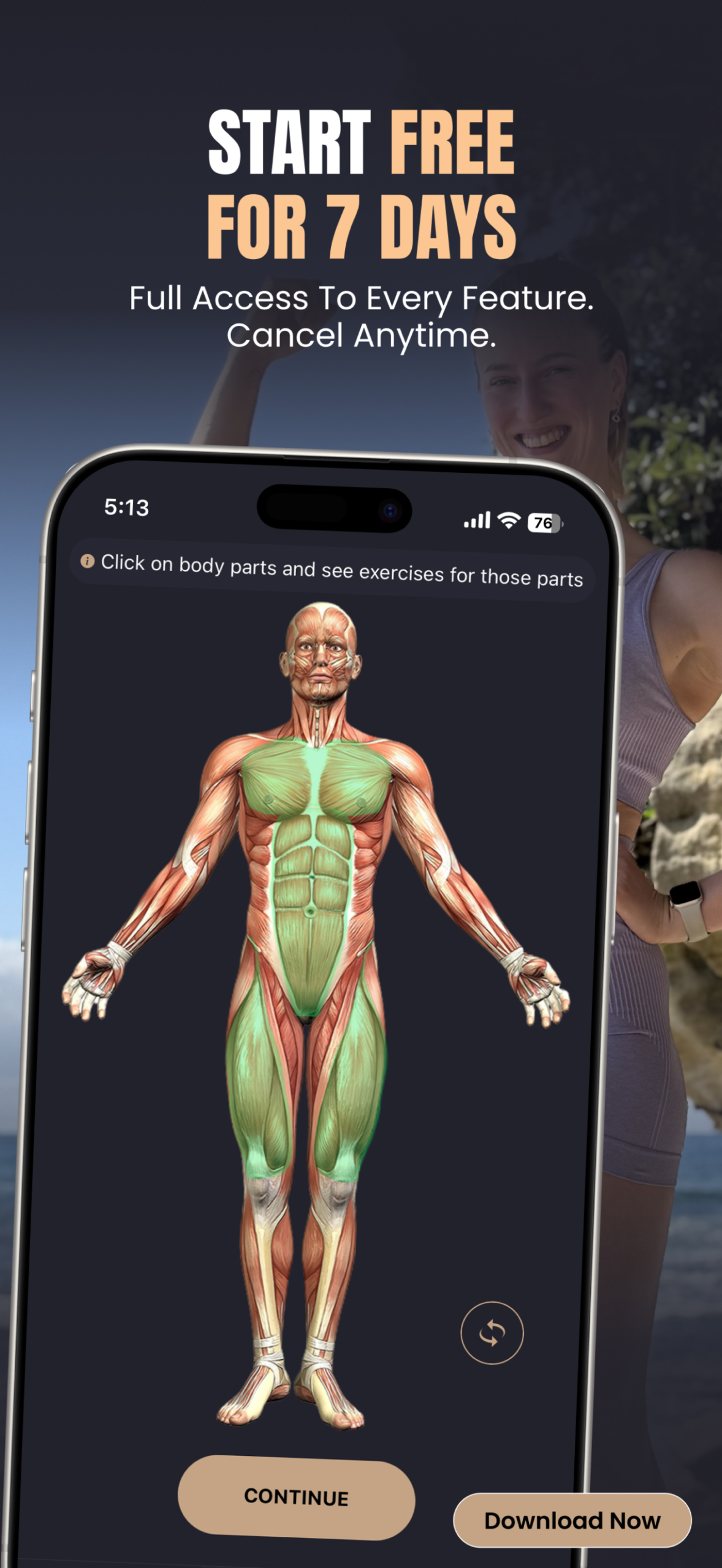
Areas of focus include:

  • Strength training
  • Fat loss
  • Muscle building
  • Injury prevention
  • Performance improvement

Many clients I work with are busy professionals. They have limited time to train and want efficient sessions that produce results.

Rather than following generic workouts, you follow a structured programme designed specifically for you. This includes progressive overload, technique coaching, and performance tracking.

For example, a professional working in central London wanted to improve strength while maintaining a busy work schedule. Training three times per week, we focused on compound lifts and progressive overload. Within twelve weeks, strength improved significantly, body composition changed, and training consistency increased.

This approach works because it is structured and measurable.

Personal Training in Fitzrovia W1T 3DN

Fitzrovia offers a central and convenient location for personal training. It is easily accessible from nearby areas, including Marylebone and Bloomsbury.

This makes it ideal for professionals working in central London.

Many clients train:

  • Before work
  • During lunch breaks
  • After work

Flexible scheduling allows you to fit training into your day without unnecessary travel. This makes consistency easier and improves long-term results.

Training in Fitzrovia also provides a professional environment. Sessions are focused, structured, and efficient. You can train, return to work, and continue your day without disruption.

This level of convenience is one of the main reasons professionals choose personal training in Fitzrovia.

marylebone personal trainer

Who Personal Training in Fitzrovia Is For

Personal training in Fitzrovia W1T 3DN is suitable for a wide range of clients.

This includes:

  • Busy professionals
  • Beginners
  • Strength training clients
  • Fat loss clients
  • Post injury clients
  • Experienced gym users

Some clients are new to strength training and want guidance. Others have trained for years but want structure and progression.

You may benefit from personal training if you want to:

  • Build strength
  • Lose body fat
  • Gain muscle
  • Improve mobility
  • Reduce injury risk
  • Follow a structured plan

Structured coaching helps you stay consistent and track progress over time.

Personal Training in Fitzrovia W1T 3DN

What You Can Expect From Personal Training

Initial Assessment

Your training begins with a detailed assessment. This includes movement analysis, strength testing, and goal setting.

This assessment helps identify:

  • Strengths
  • Weaknesses
  • Movement patterns
  • Training history

From this, a structured programme is created. Your plan is tailored to your goals and fitness level.

Structured Training Programme

Each session follows a structured approach designed to maximise results.

Training typically includes:

  • Strength training
  • Progressive overload
  • Technique coaching
  • Accessory exercises

The focus is on gradual improvement. Small increases in strength and performance build over time.

This structured approach leads to consistent results.

Tracking Progress

Progress tracking is a key part of personal training. Strength levels, performance metrics, and consistency are monitored.

Tracking helps you:

  • Stay motivated
  • See measurable progress
  • Adjust training when needed

This removes guesswork and keeps you moving forward.

Why Train With Will Duru

Clients choose personal training with Will Duru for several reasons.

  • Sports science background
  • Strength training focus
  • Structured programming
  • Results-focused coaching
  • Personalised training plans
  • Long-term progression

Rather than short-term solutions, the focus is on sustainable progress.

For example, a client looking to lose body fat focused on strength training and consistency. Over time, body composition improved, strength increased, and energy levels improved.

Simple, structured training delivered results.

Example Personal Training Session

A typical session is structured and efficient.

Warm Up

Mobility exercises and activation work prepare your body for training.

Strength Training

Compound movements such as squats, deadlifts, presses, and pulls form the foundation of training.

Accessory Exercises

Targeted exercises focus on areas such as upper back, core, glutes, and shoulders.

Conditioning

Short conditioning work improves fitness and endurance.

Cool Down

Mobility and recovery work help reduce soreness and improve performance.

Each session is designed to maximise results within your available time.

Client Results

Clients training in Fitzrovia typically experience:

  • Increased strength
  • Reduced body fat
  • Improved muscle tone
  • Better mobility
  • Increased confidence

For example, a consultant trained twice per week and improved strength and reduced body fat within three months. Another client, returning from an injury, rebuilt strength and returned to full training through structured programming.


Consistency and structured coaching lead to long-term results.

Benefits of Training in Fitzrovia

Training in Fitzrovia offers several advantages.

  • Central London location
  • Flexible scheduling
  • Professional environment
  • Efficient sessions
  • Convenient access

This makes it ideal for professionals working in central London.

You can train without long commutes. You can fit sessions into your workday. You can maintain consistency.

This leads to better results.

How to Get Started


Getting started with personal training in Fitzrovia is simple.

Step 1

Send an enquiry

Step 2

Book consultation

Step 3

Complete first session

Step 4

Begin structured programme

This process is straightforward and designed to help you start quickly.

12reps: Investing in the Future of Strength Training for Longevity By Will Duru, Founder & CEO

Book Personal Training in Fitzrovia W1T 3DN


If you are looking for personal training in Fitzrovia W1T 3DN, structured coaching can help you build strength, lose body fat, and improve performance.

With flexible scheduling, a central location, and structured programming, personal training in Fitzrovia is designed for busy professionals.

Book your consultation today and start training with a clear plan. 💼

Limited availability.