12REPS vs TrueCoach vs Everfit vs MyPTHub vs Trainerize: Which Fitness App Is Actually Worth Your Money in 2026?

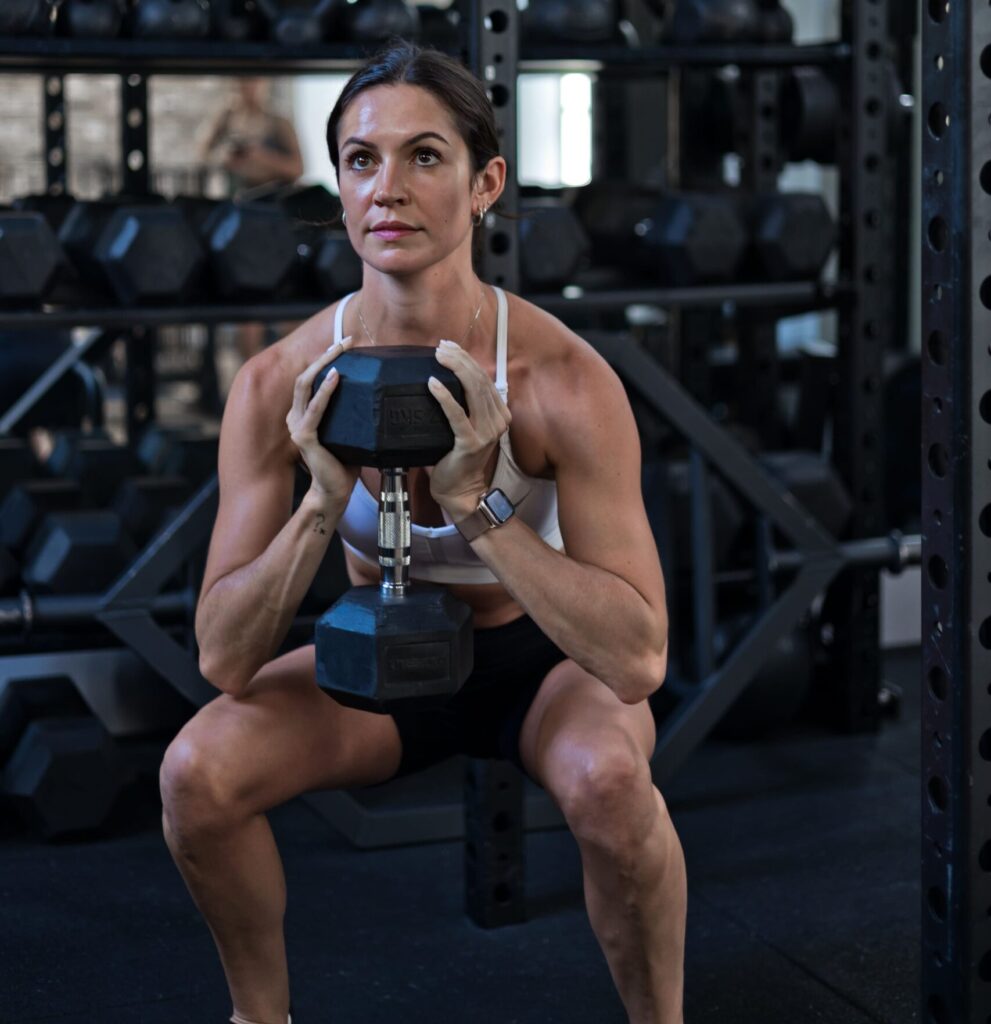
Ultimate Lower-Body Workout: Kettlebells & Machines | 12Reps App

By Will Duru | BSc Sport Science | Certified Personal Trainer | Co-Founder of 12REPS

The fitness app market is crowded. Whether you are a personal trainer looking for software to manage your clients or someone who just wants a solid strength training program to follow, there are dozens of options to choose from. But not all of them are built for the same purpose, nor do they deliver the same value.

In this article, we will compare five popular fitness platforms: 12REPS, TrueCoach, Everfit, MyPTHub, and Trainerize. We will look at what each app does, who it is designed for, what it costs, and where it falls short. By the end, you will have a clear picture of which one is the best fit for your goals.

12REPS: Your Pocket Personal Trainer for 2026 - The Best Strength Training App for Men, Women, and PTs

The Key Difference You Need to Understand First

Before we compare features, there is an important distinction to make. TrueCoach, Everfit, MyPTHub, and Trainerize are all trainer management platforms. They are designed for personal trainers to manage their clients, build workouts, take payments, and run their coaching businesses. The person paying for these apps is the trainer, not the client.

12REPS is different. It is a direct-to-consumer strength training app. It puts professionally designed workout programmes directly into the hands of everyday people. You do not need to hire a personal trainer or pay someone to build your programme. The programmes are already there, designed by certified trainers with real qualifications and years of experience.

This is a crucial difference. If you are a trainer looking for client management software, TrueCoach, Everfit, MyPTHub, or Trainerize may suit your needs. But if you want expert-level training without the expert-level price tag, 12REPS is in a league of its own.

The Hybrid Approach That Actually Makes Sense

TrueCoach

TrueCoach is a well-known personal training software platform used by over 16,000 coaches worldwide. It allows trainers to create workout programmes, track client progress, send messages, and manage their business from a single dashboard.

Who is it for? Personal trainers and strength coaches who want a clean, professional way to deliver programmes to their clients remotely.

What does it cost? Plans range from around $20 to $107 per month for the trainer, depending on how many clients they manage. The app is free for clients to use.

Strengths: TrueCoach offers a robust workout builder, a library of over 1,200 exercise videos, built-in payment processing via Stripe, and solid progress-tracking tools. It also integrates with MyFitnessPal for nutrition tracking.

Weaknesses: TrueCoach is a tool for trainers, not a training programme. If you are a regular person looking for a workout plan, it does not help you unless you are already paying a personal trainer who uses it. Some users also report that the pricing can feel expensive compared to alternatives, especially for trainers with smaller client lists.

The Power of Compound Lifts: Your Blueprint for Full-Body Strength and Muscle with 12Reps

Everfit

Everfit is an all in one coaching platform used by over 200,000 fitness coaches across 190 countries. It offers workout programming, meal plans, habit coaching, community forums, and automated workflows for trainers.

Who is it for? Fitness coaches, studios, and gyms who want to scale their online coaching business.

What does it cost? Everfit offers a free plan for up to 5 clients. Paid plans start at around $19 per month for the Pro tier, with Studio plans from $105 per month for larger teams. Many advanced features like automation, payments, and on-demand content require paid add-ons.

Strengths: Everfit has an AI-powered workout builder, strong community features, and a wide range of coaching tools, including habit tracking and nutrition logging. It also offers white-label apps for trainers who want their own branded experience.

Weaknesses: The pricing structure can quickly become confusing. The base price looks affordable, but once you start adding the features you actually need, the monthly cost climbs fast. Some users have also reported bugs with the messaging system and a high number of clicks required to complete workouts in the client app. Again, this is a platform for trainers, not a training solution for everyday users.

Strength Training for Women and Men: How Lifting Weights Can Transform Your Lifestyle, Confidence, and Sex Drive

MyPTHub

MyPTHub is a UK-based personal training software trusted by over 130,000 trainers. It focuses on simplicity and value, offering unlimited clients on all plans with no extra charges as your business grows.

Who is it for? Personal trainers, nutritionists, and fitness coaches who want an affordable, all-in-one platform.

What does it cost? MyPTHub starts at around $14.40 per month with unlimited clients included. There is also a 30-day free trial with no credit card required.

Strengths: MyPTHub stands out for its value. You get over 7,500 HD exercise videos, a workout builder, nutrition planning, habit coaching, payment processing, and custom branding, all for one flat monthly fee. The unlimited client model is a big plus for growing trainers.

Weaknesses: Some users have reported the app can be slow or laggy at times, and the nutrition logging has been described as a bit clunky. Customer service has also been a sticking point for some. Like the others, MyPTHub is built for trainers to deliver coaching, not for individuals who want to train on their own.

Women Over 40 to Mix Cardio and Strength Training

Trainerize (ABC Trainerize)

Trainerize is one of the most established personal training platforms on the market, now part of the ABC Fitness family. It is used by over 400,000 fitness professionals worldwide and supports both solo trainers and large gym chains.

Who is it for? Personal trainers, gym owners, and fitness studios are looking for a scalable coaching platform with strong integrations.

What does it cost? Trainerize offers a free plan for one coaching client. Pro plans start at around $22 per month, with pricing increasing based on client numbers and add on features. Studio plans for gyms are priced higher with custom quotes.

Strengths: Trainerize has the widest range of integrations, including MindBody, MyFitnessPal, Fitbit, Apple Watch, and Zapier. It also offers gamification features like badges and challenges to keep clients engaged, and its custom-branded app option is popular with larger businesses.

Weaknesses: Trainerize has been criticised for feeling clunky and slow, especially when handling large amounts of data. The client-facing app can be confusing for people who are not tech savvy, and some features like advanced nutrition, video coaching, and payments require paid add-ons. Once again, this is trainer software. If you do not already have a coach, Trainerize does not provide the training itself.

The Power of Compound Lifts: Your Blueprint for Full-Body Strength and Muscle with 12Reps

12REPS: A Different Approach

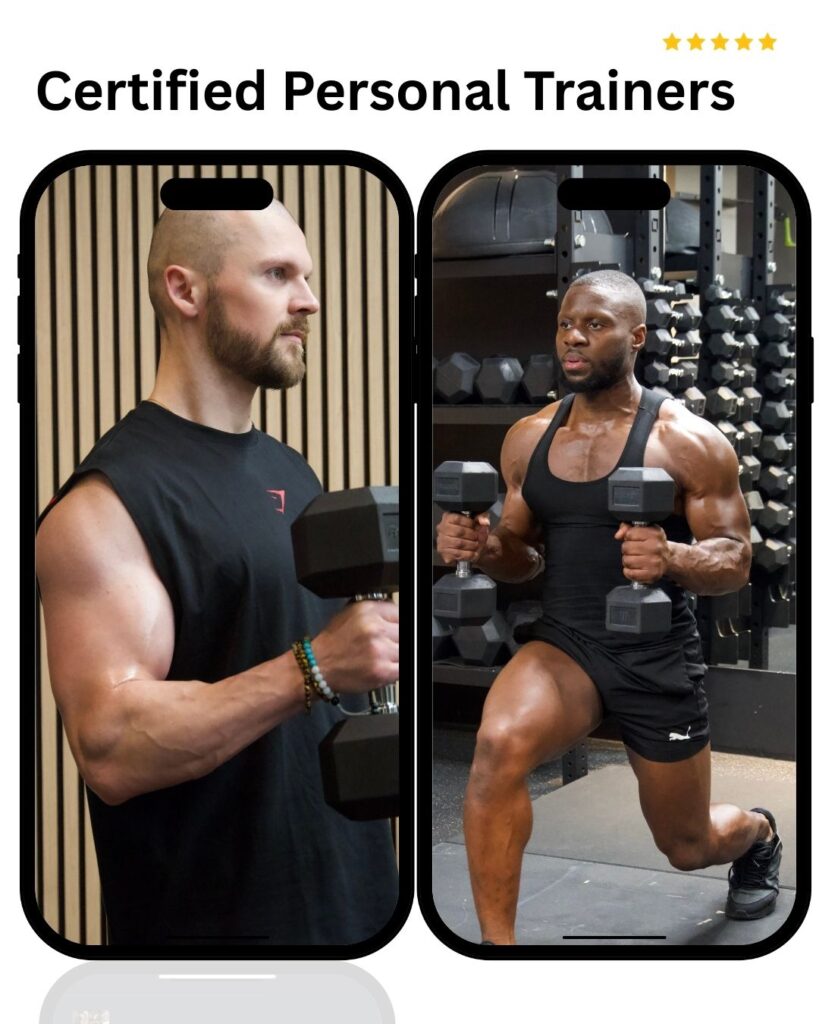
Now, let us talk about 12REPS. While the other four platforms are designed to help trainers run their businesses, 12REPS was built for one purpose: to give everyday people access to expert-level strength training programmes without hiring a personal trainer.

Who is it for? Anyone who wants to get stronger, build muscle, lose fat, or improve their fitness with structured, professionally designed workout programmes. Whether you train at the gym or at home, 12REPS has you covered.

What does it cost? Just £12.99 per month. That is it. No add ons, no hidden fees, no tiers. One price gives you full access to everything the app offers.

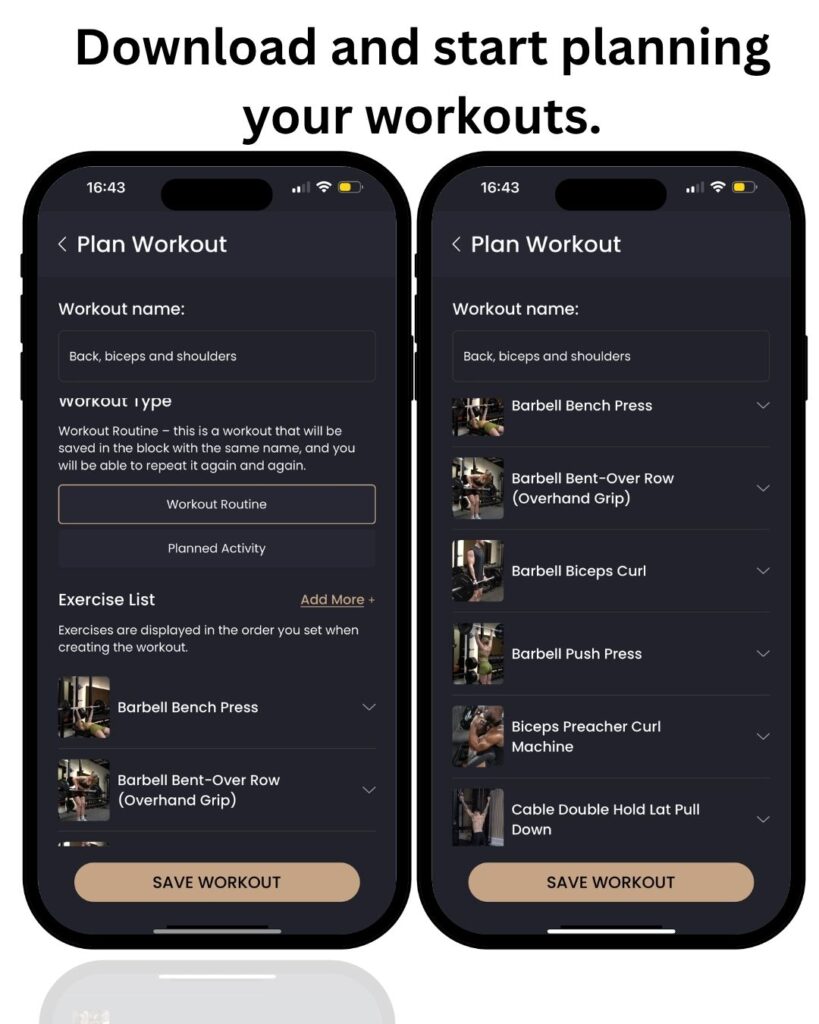
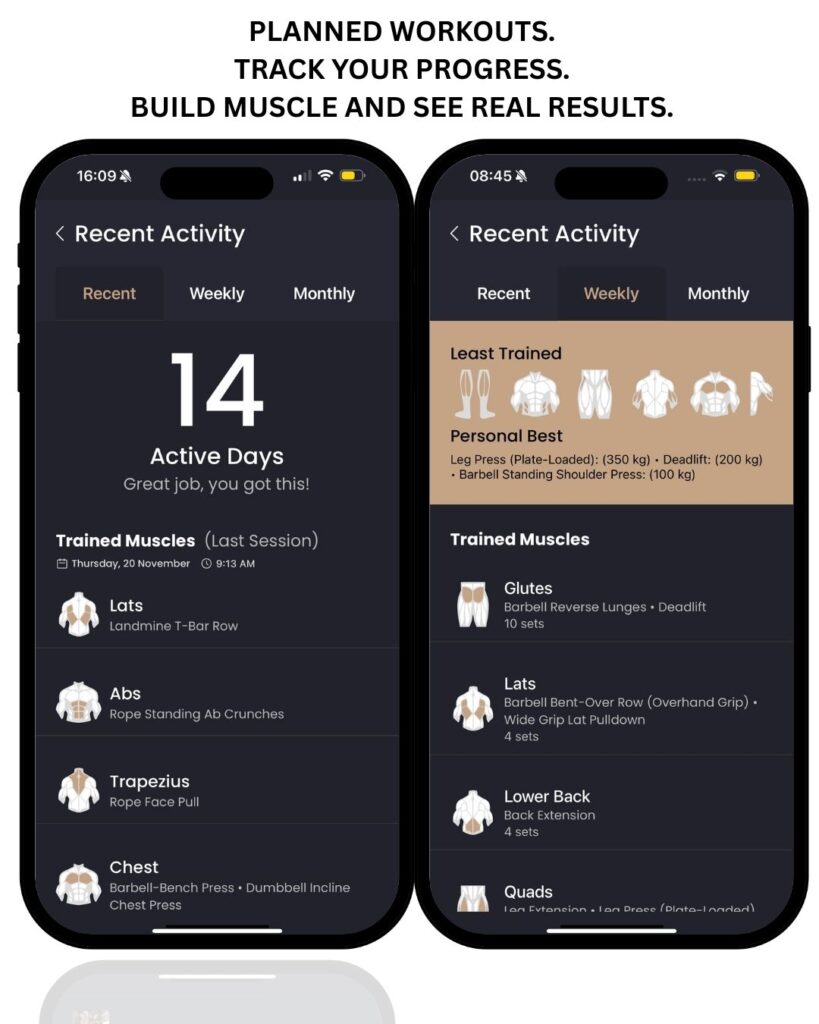
What you get: Personalised workout programmes designed by certified personal trainers with real qualifications and over 10 years of hands-on coaching experience. Over 1,500 exercise demonstration videos. Programmes for both gym and home training. Structured plans for beginners through to advanced lifters. Progressive programming that adapts as you get stronger.

What makes it different: The programmes in 12REPS are not generated by AI. They are not pulled from a random template library. They are designed by qualified coaches who understand the science of strength training and have spent years working with real clients. This is the kind of programming you would get if you hired a good personal trainer, but at a tiny fraction of the cost.

A single session with a personal trainer in the UK typically costs between £50 and £100 or more. With 12REPS, you get an entire month of expert programming for less than the price of one session. That is the value proposition, and it is hard to beat.

12REPS: Your Pocket Personal Trainer for 2026 - The Best Strength Training App for Men, Women, and PTs

Why This Comparison Matters

If you search for fitness apps, you will often see TrueCoach, Everfit, MyPTHub, and Trainerize mentioned alongside apps like 12REPS. But they are solving different problems. Those four platforms are tools that help trainers deliver coaching. They are excellent at what they do. But they do not help you if you are someone who simply wants a great training programme to follow.

Think of it this way. TrueCoach, Everfit, MyPTHub, and Trainerize are like the software a chef uses to manage their restaurant. 12REPS is the meal itself, served directly to your plate.

With the trainer management apps, you still need to find and pay a trainer to create your programme. With 12REPS, the programme is already there, built by professionals, ready for you to follow from day one.

Quick Comparison at a Glance

TrueCoach: Best for strength and conditioning coaches who want a clean, focused platform for delivering programmes. Starting from around $20 per month for the trainer. Strong workout builder and progress tracking. No training content included for end users.

Everfit: Best for coaches who want AI tools and automation to scale their business. Free for up to 5 clients, paid plans from $19 per month. Feature-rich, but add-on costs can stack up quickly. Some users report bugs in the messaging system.

MyPTHub: Best for trainers who want unlimited clients at a flat rate. Starting from around $14 per month. Largest exercise video library of the trainer platforms with over 7,500 videos. Can be slow at times according to user reviews.

Trainerize: Best for gym owners and studios who need wide ranging integrations and scalability. Free plan available for one client. Pro plans from $22 per month. Largest user base of the trainer platforms but can feel clunky and has a learning curve for clients.

12REPS: Best for anyone who wants to train with professionally designed programmes without hiring a personal trainer. £12.99 per month with full access to everything. Over 1,500 exercise videos, gym and home programmes, all designed by certified coaches. No add ons, no tiers, no hidden costs.

Who Should Choose What

Choose TrueCoach, Everfit, MyPTHub, or Trainerize if: you are a personal trainer or gym owner who needs software to manage clients, deliver programmes remotely, handle payments, and grow your coaching business.

Choose 12REPS if: you are someone who wants to train with confidence, follow a structured strength training programme designed by qualified coaches, and get results without the high cost of one to one personal training. Whether you are a complete beginner or an experienced lifter, whether you train at the gym or at home, 12REPS gives you everything you need for £19.99 a month.

12REPS: Your Pocket Personal Trainer for 2026 - The Best Strength Training App for Men, Women, and PTs

Final Verdict

All five apps have their strengths, and the right choice depends on what you are looking for. If you are a trainer, the management platforms above are worth exploring. Each one offers something slightly different, whether that is the clean simplicity of TrueCoach, the automation tools in Everfit, the flat rate pricing of MyPTHub, or the integrations and scale of Trainerize.

But if you are an individual looking for professional-quality training at an affordable price, there is really only one answer. You should not need to pay £50 to £100 per session just to get a properly structured workout programme. And you should not have to rely on random YouTube videos or AI-generated plans that do not account for real-world coaching experience.

12REPS puts certified trainer expertise in your pocket for less than the cost of a single PT session. No AI-generated plans. No generic templates. Just real programmes, designed by real coaches, for real results.

Download the 12REPS app today and start training the right way.

Strength Training for Women and Men: How Lifting Weights Can Transform Your Lifestyle, Confidence, and Sex Drive

Why Strength Training is Non-Negotiable for Women From Age 30 Onwards

By Will Duru – BSc Sport Science | Certified Personal Trainer | Co-Founder of 12REPS

Strength training is not just for bodybuilders and athletes. Whether you are a man or a woman, picking up weights can be one of the best decisions you ever make for your body, your mind, and your quality of life. It helps you build lean muscle, burn fat, boost your confidence, improve your mood, and even reignite your sex drive. The benefits go far deeper than just looking good.

Yet many people, especially women, remain hesitant to step into the weight section. Fears about “getting bulky,” worries about injury, and a lack of proper guidance keep millions of people stuck on cardio machines or avoiding the gym altogether. The truth is that strength training, when done correctly, is safe, highly effective, and one of the most impactful forms of exercise for long-term health.

In this article, we will break down how strength training impacts men and women differently, why it is the single best investment you can make in yourself, and how to get started with a program that actually delivers results.

Why Strength Training is Non-Negotiable for Women From Age 30 Onwards

The Lifestyle Benefits of Strength Training

More Energy, Better Sleep, Less Stress

One of the first things people notice when they start lifting regularly is a big shift in their energy levels. Resistance training forces your body to adapt. Your cardiovascular system becomes more efficient, your muscles recover faster, and your metabolism stays elevated long after you leave the gym. This is not just about looking better. It is about feeling stronger, sharper, and more capable in everything you do.

Regular strength training has also been shown to improve sleep quality. Deep, restorative sleep is where your body repairs muscle tissue, stores memories, and balances hormones. If you have been struggling with restless nights, a well-structured training program could be exactly what you need.

Then there is stress. Lifting heavy things has a remarkable ability to lower cortisol, your body’s main stress hormone. The focus you need during a set of heavy squats or deadlifts pulls you completely into the present moment. It works like active meditation, and the endorphin release that follows is unlike anything you will get from scrolling through your phone.

Research has also linked resistance training to reduced symptoms of anxiety and depression. Unlike cardio, which gives you a temporary mood boost, the mental health benefits of strength training tend to build over time. As you grow physically stronger, your mental resilience grows with it. You develop a belief that you can influence your own outcomes, and that mindset shift carries into every part of your life.

Strength Training for Women and Men: How Lifting Weights Can Transform Your Lifestyle, Confidence, and Sex Drive

Building a Stronger Body for Everyday Life

Strength training is not just about what you can lift in the gym. It is about what you can do outside of it. Carrying shopping bags, playing with your children, moving furniture, and climbing stairs without losing your breath. These everyday tasks become effortless when your body is conditioned through resistance training.

For women, strength training is especially important for bone health. After age 30, women lose bone density faster than men do. Weight-bearing exercise is one of the best ways to slow, and even reverse, this process, thereby lowering the risk of osteoporosis later in life. On top of that, resistance training helps women regulate their menstrual cycle, manage symptoms of perimenopause and menopause, and maintain a healthy body composition, even amid hormonal changes that would otherwise lead to increased fat storage.

For men, the benefits include maintaining lean muscle mass as testosterone levels naturally drop with age. Consistent training helps keep your metabolic rate up, protects your joints, and preserves functional strength well into your 50s, 60s, and beyond. Men who strength train also tend to maintain a healthier body composition, avoiding the gradual buildup of belly fat that contributes to heart disease, type 2 diabetes, and other age-related conditions.

Why Every Woman Should Be Strength Training: The Complete Guide From a Personal Trainer

How Strength Training Builds Unshakable Confidence

Confidence does not come from wishing you felt better about yourself. It comes from evidence. It comes from proving to yourself, repeatedly, that you are capable of more than you thought. That is exactly what strength training gives you.

Every time you add weight to the bar, hit a new personal best, or complete a session you did not think you could finish, you are building a mental record of achievement. Over weeks and months, this record compounds. You start walking taller. You carry yourself differently. You speak with more authority. Not because someone told you to “be confident”, but because you have earned it through effort.

For Women: Breaking the Myth

One of the most damaging myths in fitness is that women should avoid heavy weights because they will “get bulky.” The truth is that women simply do not produce enough testosterone to build large amounts of muscle mass naturally. What strength training gives women is a lean, toned, sculpted physique, along with a sense of physical empowerment that carries into every area of life.

Women who lift regularly report feeling more self-assured at work, more comfortable in their own skin, and more resilient when facing challenges. There is something deeply transformative about knowing you can deadlift your own bodyweight. It changes how you see yourself and how the world sees you.

For Men: Beyond the Mirror

For men, the confidence boost from strength training goes beyond appearance. Yes, building a more muscular and athletic physique helps with self-image. But the deeper shift is psychological. Committing to a training program teaches discipline, patience, and the ability to push through discomfort. These are qualities that transfer directly into your career, relationships, and personal growth.

Men who train consistently often find themselves more assertive, more focused, and less reactive to stress. The gym becomes a proving ground for mental toughness, and that toughness becomes part of who you are. There is also a social dimension. Men who feel physically capable tend to communicate with greater presence and composure, which impacts everything from job interviews to first dates to difficult conversations with family.

Ultimate Lower-Body Workout: Kettlebells & Machines | 12Reps App

Strength Training and Sex Drive: The Connection No One Talks About

Let us talk about something most fitness articles avoid. How strength training directly affects your sex drive. The science is clear, and the results are significant for both men and women.

The Hormonal Impact

For men, compound exercises like squats, deadlifts, and bench presses trigger a significant increase in testosterone production. Testosterone is the primary driver of male libido, and studies have shown that men who do regular resistance training maintain higher testosterone levels than those who are inactive. This is especially relevant as men get older. Natural testosterone levels typically decline around 30, but consistent training can slow it considerably.

For women, the hormonal picture is different but equally powerful. Strength training helps regulate estrogen and progesterone levels, improves blood flow throughout the body, and increases the production of endorphins and dopamine. These are neurotransmitters directly linked to arousal and desire. Women who train regularly often report heightened sensitivity, increased desire, and a more satisfying sex life overall.

Body Confidence in the Bedroom

Beyond hormones, there is a powerful psychological component. When you feel strong and comfortable in your body, you are more present and less self-conscious during intimate moments. Both men and women report that the confidence gained from training translates directly into a more open, enjoyable, and connected sexual experience.

Improved stamina and physical endurance from regular training also play a practical role. You will have more energy, better cardiovascular fitness, and greater muscular endurance. All of these contribute to a more fulfilling intimate life. Exercises like hip thrusts, squats, and core work directly strengthen the muscles involved in sexual performance, while improved flexibility from a balanced program enhances range of motion and comfort.

Stress, Sleep, and Libido

It is worth noting that two of the biggest killers of sex drive are stress and poor sleep. Both are dramatically improved through consistent strength training. By lowering cortisol, improving sleep quality, and lifting your mood, weight training creates the ideal hormonal and psychological environment for a healthy libido. Many couples who start training together report not only improvements in their individual health but also a renewed connection and energy in their relationship.

Building Muscle After 40: What Actually Works (From a Trainer Who's Seen It Done)

How to Get Started: A Practical Approach

If you are convinced that strength training is something you need in your life, the next step is finding a program designed for your goals, your experience level, and your schedule. This is where most people go wrong. They either follow a random routine from social media, try to do too much too soon, or give up after a few weeks because they are not seeing results.

A good strength training program should include compound movements. These are exercises that work multiple muscle groups simultaneously, such as squats, deadlifts, bench presses, rows, and overhead presses. These are the exercises that deliver the greatest hormonal response, burn the most calories, and build functional strength that carries over into real life. Isolation exercises like bicep curls and triceps extensions have their place, but they should support your compound lifts, not replace them.

For beginners, training three to four times per week is a great starting point. Each session should focus on progressive overload, which means gradually increasing the weight, reps, or training volume over time. Without this principle, your body has no reason to adapt and progress stalls. A structured program removes the guesswork and makes sure you are moving forward every single week.

Too many people waste months or even years following generic templates that aren’t tailored to their bodies, goals, or available equipment. A good program accounts for your training history, targets your weak points, and progresses at a pace that keeps you challenged without risking injury. That is exactly what we built 12REPS to provide.

The 12REPS app gives you access to personalised workout programs designed by certified personal trainers. Not AI. Not influencers. Qualified coaches with real-world experience. With over 1,500 exercise videos, programs for both gym and home training, and structured plans for every level from beginner to advanced, it is everything you need to start your strength training journey and stick with it.

Whether you are a woman looking to build lean muscle, improve your bone health, and feel empowered, or a man looking to boost testosterone, build confidence, and reclaim your energy, the right programs makes all the difference. And at a fraction of the cost of hiring a personal trainer, 12REPS puts expert coaching in your pocket.

Women Over 40 to Mix Cardio and Strength Training

The Bottom Line

Strength training is not a trend. It is not a phase. It is a fundamental part of a healthy, confident, and fulfilling life for both men and women. The benefits go far beyond bigger muscles. Better sleep, lower stress, sharper focus, greater confidence, and a healthier, more active sex drive.

If you are a woman who has been told to stick to cardio, it is time to challenge that. If you are a man who has been lifting without a proper plan, it is time to train smarter. And if you have never picked up a weight in your life, there has never been a better time to start. The research is clear, the benefits are undeniable, and the only barrier is the decision to begin.

The only question is whether you are willing to start. And if you are, you do not have to figure it out alone.

Download the 12REPS app today. Your stronger, more confident self is waiting

Start your strength training journey with expert-designed programmes.

Visit just12reps.com or download the 12REPS app on iOS and Android.

The Real Cost of Personal Training in London: What High Net Worth Individuals Actually Pay

12REPS: Your Pocket Personal Trainer for 2026 - The Best Strength Training App for Men, Women, and PTs

“Will, I’m spending £8,000 a year on personal training. Am I being ripped off?”

She earns £250k. Trains twice weekly at £75 per session. Decent trainer. Mid-tier gym in Canary Wharf.

My answer surprised her.

“No, you’re probably getting fair value. But you’re also paying for a lot of things you don’t need.”

I’ve been doing this for over a decade. Started charging £40 per session in budget gyms in Lewisham. Eventually worked up to £120 per session for private clients in Kensington. I’ve trained alongside people charging £300+.

The pricing in this city is all over the place.

But here’s the bit nobody tells you: at the premium end, you’re rarely paying for better exercise science.

You’re paying for convenience. For exclusivity. For environment.

Let me break down exactly what you get at every price point—and why the economics are fundamentally broken for most people.

12REPS: Your Pocket Personal Trainer for 2026 - The Best Strength Training App for Men, Women, and PTs

What You Actually Get at Every Price Point

Budget Tier: £35-55 Per Session

Recently qualified trainer. Maybe two years experience if you’re lucky. Level 3 certification from a weekend course.

They’re following templates. Not because they’re lazy—they just don’t know enough yet to write truly bespoke programmes.

You’ll train in a commercial gym. PureGym. The Gym Group. Fitness First. Queuing for the squat rack. Someone’s filming themselves in the mirror. That bloke grunting on the leg press.

Your trainer’s juggling 30 clients. Maybe 40. They’re not ignoring you between sessions—they’ve just got 39 other people messaging them about meal plans.

Nutrition guidance? “Eat more protein” and that’s about it.

I started here. Fresh qualification. Training people at a South East London gym for £35 per session. I took home about £18 after the gym’s commission and taxes.

I genuinely wanted to help people. But I was also running cookie-cutter programmes because I simply didn’t have the experience yet.

Someone wanted push pull legs? Here’s my standard PPL template with your name at the top. Fat loss? Here’s my generic circuit with minor tweaks.

It wasn’t terrible. People made progress.

But they were getting maybe 60% of what they could’ve achieved with more sophisticated programming.

Who this actually works for:

Complete beginners who need someone to show them how a squat works without falling over.

Students. People on tight budgets. Anyone comfortable with basic, repetitive workouts.

Who should avoid this:

Anyone with an injury history. Trainers at this level often lack the knowledge to work around problems safely.

People who’ve been training for two years or more. You’ll outgrow the programming within months.

Anyone expecting actual individualisation beyond “here’s the template with your name on it.”

12REPS: Your Pocket Personal Trainer for 2026 - The Best Strength Training App for Men, Women, and PTs

Standard Tier: £60-90 Per Session

Now we’re getting somewhere.

Three to seven years experience. Often Level 4 qualified. These trainers have made enough mistakes with other people that they know how to avoid them with you.

The programming’s properly personalised. They understand progressive overload. They can write programmes that account for your specific weak points.

You’ll get basic nutrition guidance. Not just “eat protein”—actual macros, meal timing, supplement recommendations.

Still training in commercial gyms mostly. Virgin Active. David Lloyd. Nuffield Health. Better facilities than budget gyms, but you’re still competing for equipment.

Some trainers at this level operate semi-private setups. Boutique studios. Slightly more privacy.

I spent years here. £70-85 per session. Training clients across London at decent gyms.

One client—City lawyer—paid £80 per session. Twice weekly for three years. Lost 18kg. Built visible muscle. Completely transformed her body composition.

The programming wasn’t revolutionary. It was fundamentals done properly. Compound movements. Progressive overload. Adequate volume. Proper form.

But she was still training in a commercial gym. Still waiting for the squat rack. Still distracted by whatever was happening around her. Still paying £75 every session.

The reality:

This is the sweet spot for most Londoners. You’re getting competent training from someone who genuinely knows their craft.

You’ll see results if you’re consistent.

But you’re spending £7,200-9,360 annually for twice-weekly sessions. Plus your gym membership. Another £600-1,200 yearly.

Who this works for:

Professionals earning £60k-150k who actually value their health.

People with specific goals. Build muscle. Lose fat. Get stronger. Run faster.

Anyone needing regular accountability to actually show up.

The uncomfortable truth:

This level delivers excellent value—if you can afford it. Most people can’t sustain £8,000+ yearly indefinitely.

Which is exactly why I built 12REPS. But we’ll get to that.

Premium Tier: £100-160 Per Session

This is where things get serious.

Highly credentialed trainers. Often degrees in sports science. Seven to twelve years experience. Sometimes more.

The programming’s sophisticated. Proper periodisation. They’re accounting for your biomechanics, injury history, recovery capacity, and performance data.

Comprehensive nutrition planning. Not just macros—meal timing, supplement protocols, weekly reviews.

You’re training in luxury facilities or private studios. Third Space in Soho or Mayfair. Equinox in Kensington. Exclusive private setups in Marylebone.

Between-session support. Progress tracking with biometric analysis. If you need physio or sports massage, your trainer coordinates it.

I’ve worked at this level. I’ve also seen it from inside the facilities where my clients train.

The trainers are genuinely excellent. These aren’t people following templates—they’re writing programmes based on your individual everything.

Client example: James. Investment banker. Earns £300k annually. Trains at Third Space Mayfair. Pays £140 per session. Three times weekly.

His trainer manages absolutely everything.

Periodized strength programme. Complete nutrition plan including supplements timed to his training schedule. Sleep optimisation strategies. Recovery protocols.

James shows up. Trains 55 minutes in a pristine private area. Showers in facilities that make five-star hotels look shabby. Leaves.

Zero mental energy spent on fitness decisions.

Is the programming 40% better than the £80 trainer? No.

Is it 10-15% better with massively more convenience? Yes.

Why Strength Training is Non-Negotiable for Women From Age 30 Onwards

What you’re really paying for:

The facility itself. Eucalyptus steam rooms. Aesop products in the changing rooms. Zero queuing for equipment. Complete privacy.

The comprehensive service. Your trainer isn’t just coaching sessions—they’re managing your entire fitness ecosystem.

The convenience. Your trainer accommodates your schedule. Not the other way around.

Who this works for:

High earners. £150k+ salaries. People who value their time at £100+ per hour.

Anyone wanting complete programme management without thinking about it.

People who genuinely value luxury environments and aren’t apologetic about it.

The annual mathematics:

Training three times weekly at £130 per session: £20,280 annually. Plus membership at these facilities—another £2,400-4,800 yearly.

You’re looking at £22,000-25,000 per year.

For a City professional earning £250k+, that’s 9-10% of gross income. Comparable to what they spend on restaurants or holidays.

If that’s you—fine. The value equation might work.

If you’re earning £80k and contemplating this—the mathematics don’t make sense unless fitness is your absolute top life priority.

Elite Transformation Tier: £150-250 Per Session

Now we’re talking about packages. Not individual sessions.

Ultimate Performance: 12 weeks, 36 sessions, £5,400. That’s £150 per session.

Matt Roberts Personal Training. The Body Lab in Kensington. Roar Fitness. These aren’t pay-as-you-go. These are transformation commitments.

World-class credentials. Proven track records. These trainers have transformed hundreds of bodies.

Complete abdication of decision-making. You don’t think about anything fitness-related. They manage it all.

Private facilities or in-home training. 24/7 support. Weekly nutrition reviews. Lifestyle coaching integration. Full biometric tracking.

I know trainers working at this level. I’ve reviewed their programmes. I’ve seen their client results.

Here’s what surprised me: the training methodology isn’t radically different from the £120 tier.

Squats are still squats. Progressive overload still works the same way.

What IS genuinely different:

Complete system integration. Your trainer manages training, nutrition, sleep, stress, recovery—everything coordinated as one organism.

Extreme accountability. You’re not just accountable for sessions. You’re accountable for every meal. Every night’s sleep. Every recovery protocol. Daily check-ins. Weekly reviews.

Results guarantee mindset. These trainers stake their reputation on your transformation. They’re not hoping you get results—they’re ensuring it through relentless management.

Client example: Marcus. Private equity partner. Signed up for Ultimate Performance’s 12-week programme. £5,400 upfront.

Lost 14kg fat. Built 3kg muscle. Completely transformed in 12 weeks.

Magic? No.

Systematic execution of fundamentals with zero deviation allowed. That’s what £5,400 buys you.

Who this works for:

City executives earning £200k+. Finance, law, consulting.

People who need complete decision removal. Your brain’s already maxed on work decisions.

Anyone committed to dramatic transformation in compressed timeframe.

People for whom time is significantly more valuable than money.

The mathematics:

£5,400 for 12 weeks. If you continued at same frequency indefinitely: £23,400 annually.

But most people don’t. They do one intensive transformation. Then maintain independently. Or drop to once-weekly check-ins.

The model isn’t designed for forever. It’s designed to completely reset your body in 12-16 weeks.

Why Is It So Hard to Lose Weight After 40? (And How to Actually Do It)

Ultra-Elite/Celebrity Tier: £250-800+ Per Session

We’ve entered a different world entirely.

Celebrity trainers. People featured in Tatler. GQ. Vogue.

Trainers to Premier League footballers. Actors. Billionaires.

Extreme exclusivity. Complete discretion. Often holistic integration beyond just lifting weights—movement, nutrition, meditation, sometimes “energy work.”

Training at your private residence. Or ultra-exclusive clubs with £15,000-50,000 annual memberships.

Access to the trainer’s network. Complete confidentiality agreements.

I’ve met trainers charging £500+ per session. I’ve seen their client lists. Discreetly, obviously.

Here’s the uncomfortable truth: the exercise programming often isn’t superior to the £150 tier.

What you’re actually paying for:

WHO trains you. Not what they teach you.

Absolute discretion. Your trainer will never mention your name. Won’t acknowledge you in public. Won’t discuss your training with anyone. Ever.

Network access. Training with certain people gives you access to circles worth millions in business connections.

Status signaling. Same reason someone buys a £50,000 watch when a £200 watch tells time identically.

Complete flexibility. Your trainer rearranges their entire life around you. 5am session before your Geneva flight? They’re there. Midnight session after emergency board meeting? Available.

Client example—heavily anonymized because that’s literally the point:

UHNW individual. Paying £600 per session. Private home gym in Chelsea.

Trainer arrives 15 minutes early. Everything’s prepared. Equipment set up. Weights loaded. Water ready. Towels positioned.

Train 50 minutes. Shower. Ten-minute discussion about nutrition and recovery. Trainer leaves.

Total: 75 minutes.

The programming? Excellent. But not fundamentally different from what the £130 Third Space trainer provides.

The actual value? Complete convenience. Absolute discretion. And the trainer’s network led to two business deals worth significantly more than annual training costs.

Who this works for:

UHNW individuals. £1M+ annual income.

Celebrities requiring complete discretion. Can’t train in public facilities.

People for whom the trainer’s network has genuine business value.

Anyone who values exclusivity and status and isn’t apologetic about it.

The annual mathematics:

Three times weekly at £400 per session: £62,400 annually.

For someone earning £2M+ yearly, that’s 3% of gross income. Less than they spend on wine collection or art.

The Power of Compound Lifts: Your Blueprint for Full-Body Strength and Muscle with 12Reps

What Are You ACTUALLY Paying For?

Let’s be brutally honest about the economics.

The Trainer’s Take-Home Reality

When a client pays £100 for a PT session in London, the trainer doesn’t pocket £100.

Gym-based trainer breakdown:

  • Client pays: £100
  • Gym takes commission: 35-50% (£35-50)
  • Trainer’s gross: £50-65
  • Travel time/costs: ~£10
  • National Insurance and income tax: ~30% (£15-20)
  • Professional insurance: ~£2
  • Trainer’s net: £23-38 per session

Independent trainer breakdown:

  • Client pays: £100
  • Facility rental (if using): £15-25
  • Equipment maintenance and replacement: ~£5
  • Marketing, website, admin: ~£10
  • Travel costs: £10
  • Taxes and insurance: ~30% (£24-30)
  • Trainer’s net: £30-46 per session

This is why trainers need 20-30 active clients to earn £40-60k in London. It’s not the gold mine people imagine.

What You’re Actually Buying (The Real Value)

Knowledge and Pattern Recognition

I’ve worked with hundreds of clients over 10 years. I’ve seen what works. I’ve seen what fails. I’ve made mistakes with other people so I don’t make them with you.

When Sarah tells me her lower back feels tight after deadlifts, I instantly know: her setup is flawed, probably anterior pelvic tilt, needs posterior chain activation work.

That pattern recognition took 10 years and 10,000+ training hours to develop. You’re paying for shortcuts through my experience.

Programming Architecture

Structured progressive overload that ensures you don’t waste time on random exercises.

Most people in gyms do whatever they feel like. They plateau quickly because there’s no systematic progression.

Proper programming produces results. Random workouts produce random results.

Form Correction and Injury Prevention

One serious injury costs more than years of training fees.

I’ve prevented countless injuries by correcting form before it becomes problematic. That Romanian deadlift where your lumbar spine is rounding? Fixed before you herniate a disc.

Accountability

This is worth 50% of the value for most clients.

You can skip the gym alone. You can’t easily skip when Will expects you at 7am Thursday.

Motivation and Intensity

Most people train at 60-70% intensity alone. A good trainer pushes you to 85-95% safely.

That intensity difference is the difference between mediocre results and excellent results.

Decision Removal

You save mental energy by not planning workouts, researching programming, tracking progress, troubleshooting plateaus.

The Real Cost of Personal Training in London: What High Net Worth Individuals Actually Pay

What Are You ACTUALLY Paying For?

Let’s be brutally honest about the economics.

The Trainer’s Take-Home Reality

When a client pays £100 for a PT session in London, the trainer doesn’t pocket £100.

Gym-based trainer breakdown:

  • Client pays: £100
  • Gym takes commission: 35-50% (£35-50)
  • Trainer’s gross: £50-65
  • Travel time/costs: ~£10
  • National Insurance and income tax: ~30% (£15-20)
  • Professional insurance: ~£2
  • Trainer’s net: £23-38 per session

Independent trainer breakdown:

  • Client pays: £100
  • Facility rental (if using): £15-25
  • Equipment maintenance and replacement: ~£5
  • Marketing, website, admin: ~£10
  • Travel costs: £10
  • Taxes and insurance: ~30% (£24-30)
  • Trainer’s net: £30-46 per session

This is why trainers need 20-30 active clients to earn £40-60k in London. It’s not the gold mine people imagine.

What You’re Actually Buying (The Real Value)

Knowledge and Pattern Recognition

I’ve worked with hundreds of clients over 10 years. I’ve seen what works. I’ve seen what fails. I’ve made mistakes with other people so I don’t make them with you.

When Sarah tells me her lower back feels tight after deadlifts, I instantly know: her setup is flawed, probably anterior pelvic tilt, needs posterior chain activation work.

That pattern recognition took 10 years and 10,000+ training hours to develop. You’re paying for shortcuts through my experience.

Programming Architecture

Structured progressive overload that ensures you don’t waste time on random exercises.

Most people in gyms do whatever they feel like. They plateau quickly because there’s no systematic progression.

Proper programming produces results. Random workouts produce random results.

Form Correction and Injury Prevention

One serious injury costs more than years of training fees.

I’ve prevented countless injuries by correcting form before it becomes problematic. That Romanian deadlift where your lumbar spine is rounding? Fixed before you herniate a disc.

Accountability

This is worth 50% of the value for most clients.

You can skip the gym alone. You can’t easily skip when Will expects you at 7am Thursday.

Motivation and Intensity

Most people train at 60-70% intensity alone. A good trainer pushes you to 85-95% safely.

That intensity difference is the difference between mediocre results and excellent results.

Decision Removal

You save mental energy by not planning workouts, researching programming, tracking progress, troubleshooting plateaus.

For high earners, this cognitive load removal is worth more than the session itself.

What You’re NOT Buying (But Think You Are)

Secret Exercises

There are no magic exercises known only to expensive trainers. The fundamentals work for everyone: squats, deadlifts, bench press, rows, overhead press.

The £300/session trainer uses the same exercises as the £50/session trainer. Programming and execution matter more than exercise selection.

Radically Accelerated Results

Someone paying £250/session doesn’t build muscle 5x faster than someone paying £50/session.

Muscle protein synthesis doesn’t care about your bank balance. Progressive overload works the same for everyone.

Exclusivity That Enhances Results

Training in a £20,000/year private club versus a £40/month budget gym doesn’t build more muscle.

The premium environment makes the experience more pleasant. It doesn’t make the barbell work differently.

Revolutionary New Science

The exercise science is the same across all price points. Compound movements, progressive overload, adequate volume, proper recovery.

Premium trainers don’t have access to secret research. They just execute fundamentals more precisely.

The Mathematics Nobody Talks About

Let’s calculate what people actually spend.

Moderate Programme: 2x Weekly Sessions

Budget tier (£45/session):

  • Weekly: £90
  • Monthly: £360
  • Annually: £4,680

Standard tier (£75/session):

  • Weekly: £150
  • Monthly: £600
  • Annually: £7,800

Premium tier (£130/session):

  • Weekly: £260
  • Monthly: £1,040
  • Annually: £13,520

Elite tier (£200/session):

  • Weekly: £400
  • Monthly: £1,600
  • Annually: £20,800

Intensive Programme: 3x Weekly Sessions

Standard tier (£75/session):

  • Weekly: £225
  • Monthly: £900
  • Annually: £11,700

Premium tier (£130/session):

  • Weekly: £390
  • Monthly: £1,560
  • Annually: £20,280

Elite tier (£200/session):

  • Weekly: £600
  • Monthly: £2,400
  • Annually: £31,200

Add your gym membership (£50-400/month depending on facility) and you’re looking at £5,000-40,000 annually for structured training.

I’ve worked with clients in this bracket. I know trainers charging these rates. Here’s the reality.

Complete Concierge Service

Your trainer arrives at your private gym (or you train at their exclusive facility). Equipment is set up. Weights are loaded. Water is ready. Towels are positioned.

You train for 55 minutes. Shower in facilities with Aesop products. Leave.

Zero cognitive load. Zero planning. Zero friction.

Total System Integration

Your trainer doesn’t just write workouts. They manage:

  • Complete nutrition planning with meal timing
  • Supplement protocols timed to training
  • Sleep optimisation strategies
  • Stress management integration
  • Recovery protocols (massage, physio coordination)
  • Progress tracking with biometric analysis

Weekly reviews. Monthly reassessment. Constant optimisation based on your data and feedback.

Ultra-Privacy and Discretion

No commercial gym crowds. No Instagram influencers filming themselves. No queuing for equipment. No judgement.

Just you, your trainer, and completely private facilities.

For UHNW individuals, this privacy is non-negotiable.

Complete Schedule Flexibility

Your trainer accommodates YOU. Not the other way around.

6am session before market opens? Done. 11pm session after late dinner? Available. Session at your home gym while working from Cotswolds? Arranged.

This flexibility is impossible at lower price points where trainers juggle 20+ clients.

Network and Social Capital

Training at certain facilities or with certain trainers provides access to networks worth far more than the training fees.

Client example: Oliver trains with an elite trainer at £350/session. Through that trainer’s network, he met two investors who backed his startup. That deal was worth £2M.

The training cost £18,200 annually. The network access generated £2,000,000 in value.

So Is Elite Personal Training Worth It?

Honest answer from 10 years in this industry: it depends entirely on your circumstances and what you’re optimising for.

When Premium PT Is Absolutely Worth It

Your time is worth £150+ per hour:

If you’re a City executive billing £200/hour, spending 3 hours weekly planning workouts, researching programming, tracking progress costs you £600 in opportunity cost.

Paying a trainer £150-200/session to manage everything actually SAVES money when you account for your time value.

You need complete decision abdication:

Running a company. Managing investments. High-stress career. Your cognitive load is maxed.

Paying someone to remove all fitness decisions is worth significant money for mental bandwidth alone.

Privacy and discretion are non-negotiable:

If you’re in public eye or value extreme privacy, the premium for private facilities is worth it.

You’re optimising for time efficiency:

Elite trainers compress your workout time through superior programming and intensity management.

You might get better results in 45 minutes with an elite trainer than 90 minutes training alone.

When It’s Questionable Value

You’re earning £60k and spending £10k annually on PT:

That’s 16% of your gross income on training. The value equation doesn’t make sense unless fitness is your top life priority.

You’re paying for brand and environment, not results:

If you’re at Third Space primarily for the eucalyptus steam room and Instagram-worthy changing rooms, you’re paying lifestyle premium, not training premium.

The trainer’s methodology is basic despite premium pricing:

I’ve seen £150/session trainers running cookie-cutter programmes. You’re paying for location and brand, not expertise.

You could achieve 90% of results for 20% of cost:

This is the uncomfortable reality for most people.

The 12REPS Alternative: What I Built Because The System is Broken

After 10 years training clients at every price point, I became frustrated.

The problem:

  • Budget training (£40-50/session): affordable but often inadequate programming
  • Premium training (£100-200/session): excellent but unaffordable for most people
  • Nothing in between that delivered proper programming at reasonable cost

Most Londoners can’t justify £7,000-20,000 annually for personal training. But they still need proper programming, progressive overload tracking, form guidance, and accountability.

This is why I built 12REPS.

What 12REPS Provides That Budget PTs Can’t

Professional Programming From Actual Trainer

Every programme in 12REPS is built on the same methodology I use with my £120/session private clients.

Push pull legs splits, strength programmes, hypertrophy training—all based on evidence and refined through hundreds of real clients.

Not AI-generated. Not random internet workouts. Professional training architecture.

Progressive Overload Automation

The app tracks every set, every rep, every weight. When you hit target performance, it tells you exactly how to progress:

“You completed 3×10 at 30kg goblet squats. Next session: 32.5kg for 3×8.”

This systematic progression is what produces results. It’s what separates structured training from random workouts.

1,500+ Professional Exercise Demonstrations

Every exercise includes video demonstrations from certified trainers:

  • Proper setup and positioning
  • Execution through full range of motion
  • Common mistakes to avoid
  • Breathing patterns
  • Alternative variations

You can watch anytime you need form reference. This prevents injuries and optimizes execution.

Intelligent Adaptation

The app learns from your performance:

  • Progressing too fast? Suggests deload
  • Struggling with movements? Offers alternatives
  • Recovering well? Can increase volume
  • Missing sessions? Adjusts to get you back on track

This adaptation is what separates proper training systems from static workout plans.

What 12REPS Provides That Premium PTs Charge £100+ For

Equipment Flexibility

The app adapts to whatever you have:

  • Full commercial gym
  • Basic home setup
  • Hotel gym whilst traveling
  • Park training with minimal equipment

You’re not locked into one facility or dependent on specific equipment.

24/7 Availability

Train at 6am before work. Train at 11pm after late meeting. Train on Sunday afternoon.

No booking required. No coordination with trainer schedules.

Complete Programme Library

Access to multiple training styles:

Switch programmes based on your goals. No need to hire different specialists.

The Economics: £12.99/Month vs £7,800/Year

12REPS annual cost:

  • £12.99/month
  • £155.88 annually

Standard PT annual cost (2x weekly at £75/session):

  • £7,800 annually

Savings:

  • £7,644.12 annually
  • 98% cost reduction

You get professional programming, progressive tracking, form demonstrations, and intelligent adaptation for less than the cost of one PT session.

What 12REPS Can’t Replace (Yet)

In-Person Form Correction

An app can show you proper form. It can’t physically adjust your shoulder position during a bench press.

For complete beginners or people with injury history, occasional in-person sessions are valuable.

Hands-On Motivation

An app can’t physically push you through the last rep or create the same intensity environment as a trainer standing over you.

Complete Decision Abdication

12REPS still requires you to show up and execute. It doesn’t remove all decisions like a £200/session trainer managing your entire life does.

Social and Network Access

Training with elite trainers at exclusive facilities provides network access worth more than training itself for some people.

The Hybrid Model That Actually Makes Sense

Here’s what I recommend for most Londoners:

Primary training: 12REPS (£12.99/month)

  • 90% of your training
  • Structured programming
  • Progressive tracking
  • Form reference

Occasional in-person PT (once monthly, £75/session)

  • Form checks and corrections
  • Programme customization for injuries
  • Intensity and motivation boost
  • £900 annually

Total annual cost: £1,055.88

You get professional programming daily PLUS monthly expert oversight for less than 2x weekly budget PT sessions.

The Uncomfortable Truth About London Personal Training

After 10 years in this industry, here’s what I’ve learned:

Most people overpay for what they actually need.

You don’t need £150/session training unless you’re earning £200k+ and need complete system management.

You probably don’t even need £75/session training twice weekly indefinitely.

What most people actually need:

  • Proper programming (12REPS provides this)
  • Progressive overload tracking (12REPS provides this)
  • Form guidance (12REPS provides this via videos)
  • Occasional expert oversight (monthly PT session provides this)

The rest is convenience, environment, and status.

Which might be worth it to you if you value those things and have the income to support it.

But for 95% of people, you’re paying £5,000-20,000 annually for benefits you don’t actually need.

My Honest Recommendation Based on Income Brackets

Earning under £40k:

  • Primary: 12REPS (£12.99/month)
  • Occasional: Free gym induction or YouTube form checks
  • Annual cost: ~£156

Earning £40-80k:

  • Primary: 12REPS (£12.99/month)
  • Quarterly in-person PT session for form checks (£75 x 4)
  • Annual cost: ~£456

Earning £80-150k:

  • Primary: 12REPS (£12.99/month)
  • Monthly in-person PT session (£75-90 x 12)
  • Annual cost: ~£1,056-1,236

Earning £150-300k:

  • Twice-weekly PT at premium facility (£100-130/session)
  • Annual cost: ~£10,400-13,520
  • Alternative: 12REPS + weekly PT sessions: ~£4,056

Earning £300k+:

  • Whatever makes you happy, honestly
  • Elite PT (£150-250/session) makes economic sense at your time value
  • Annual cost: £20,000-35,000
  • You can afford it and the convenience is worth it

The Bottom Line From 10 Years in London PT

The personal training industry in London is fundamentally broken for most people.

Budget options (£40-50) are often inadequate. Premium options (£100-200+) are excellent but unaffordable for 90% of people.

The middle ground—proper professional programming at reasonable cost—didn’t exist.

That’s why I built 12REPS.

To give you the programming I use with my £120/hour private clients, for £12.99/month.

You don’t need £10,000 annually for good training.

You need proper programming, progressive tracking, form guidance, and consistency.

12REPS provides the first three. You provide the consistency.

Everything else—the eucalyptus steam rooms, the Instagram-worthy facilities, the brand names—is nice to have if you can afford it.

But it’s not what builds muscle or burns fat.

Proper programming, executed consistently, does that.

And that’s what 12REPS delivers.

About Will Duru: BSc Sport and Exercise Science, 10+ years personal training experience across London from budget gyms to premium private facilities. Creator of 12REPS, making professional training programming accessible to everyone.

Try 12REPS: 7-day free trial. Professional programming for the cost of two coffees monthly. No contract. Cancel anytime.

Related Articles:

Why Strength Training is Non-Negotiable for Women From Age 30 Onwards

Why Every Woman Should Be Strength Training: The Complete Guide From a Personal Trainer

“I’m 32 and feel like my body just… changed.”

I’ve heard this from dozens of women. Usually around age 30-35, something shifts.

Weight that used to come off easily now sticks around. Energy levels aren’t what they were. Recovery from workouts takes longer. Clothes fit differently even at the same weight.

This isn’t in your head. This is physiology.

After training hundreds of women through their 30s, 40s, and 50s, I can tell you exactly what’s happening—and more importantly, what you need to do about it.

The answer isn’t more cardio. It’s not crash dieting. It’s not accepting decline as inevitable.

It’s strength training. And here’s why this becomes absolutely critical from age 30 onwards.

Why Strength Training is Non-Negotiable for Women From Age 30 Onwards

What Actually Changes in Your Body From Age 30

Let’s be honest about the physiology before discussing solutions.

Muscle Mass Naturally Declines (Sarcopenia)

From age 30, women lose approximately 3-8% of muscle mass per decade if they don’t actively prevent it.

This accelerates after 50. By 60, many women have lost 30-40% of the muscle they had at 25.

This isn’t cosmetic. Muscle mass directly influences:

  • Metabolic rate (muscle burns calories at rest)
  • Insulin sensitivity (muscle helps regulate blood sugar)
  • Bone density (muscle stress strengthens bones)
  • Functional capacity (strength for daily activities)
  • Falls risk (weak muscles increase injury risk)

The decline isn’t inevitable—it’s preventable with resistance training. But you have to actually do it.

Metabolic Rate Drops Significantly

Your resting metabolic rate decreases roughly 2-3% per decade after age 30.

Why? Primarily because you’re losing metabolically active muscle tissue.

This is why you can eat exactly what you ate at 25 and gain weight at 35. Your body now requires fewer calories for the same activities.

Client example: Emma, 34, ate approximately 2,200 calories daily at age 25 and maintained weight easily. Same diet at 34? Gained 8kg over three years.

Not because she was eating more. Because her body now required 200-300 fewer calories daily due to decreased muscle mass and metabolic rate.

Bone Density Begins Declining

Women reach peak bone mass around age 30. After that, bone density declines roughly 1% annually.

This accelerates dramatically during perimenopause and menopause when oestrogen drops. Some women lose 20% of bone density in the 5-7 years following menopause.

Osteoporosis affects 1 in 3 women over 50. Hip fractures, spinal fractures, wrist fractures—all become increasingly common.

Cardiovascular exercise doesn’t build bone density. Weight-bearing resistance training does.

Why Strength Training is Non-Negotiable for Women From Age 30 Onwards

Hormonal Shifts Begin Earlier Than You Think

Most women think hormonal changes start at menopause (average age 51).

Actually, perimenopause—the transitional phase—often begins in the late 30s or early 40s. Sometimes earlier.

Oestrogen and progesterone start fluctuating. This affects:

  • Fat distribution (more abdominal fat)
  • Muscle maintenance (harder to preserve)
  • Bone density (accelerated loss)
  • Energy levels (more variable)
  • Recovery capacity (takes longer)
  • Insulin sensitivity (decreases)

These changes make fat loss harder and muscle loss easier. Unless you actively counteract them with strength training.

Recovery Capacity Decreases

At 25, you can train hard, sleep poorly, eat mediocrely, and still recover for the next session.

At 35, that doesn’t work anymore. Recovery takes longer. Sleep matters more. Nutrition becomes more critical.

This doesn’t mean you can’t train intensely. It means you need smarter programming that accounts for decreased recovery capacity.

Why Strength Training is the Solution (Not Cardio)

I’ve trained women who do cardio 5 days weekly for years. They’re cardiovascularly fit but weak, with poor muscle mass and ongoing struggles with weight management.

Then I’ve trained women who prioritise strength training 3-4 days weekly. They’re strong, lean, metabolically healthy, and aging far better.

The difference isn’t small. It’s dramatic.

Strength Training Prevents Muscle Loss

Resistance training is the only exercise modality that significantly builds and maintains muscle mass.

Regular strength training programmes can prevent age-related muscle loss entirely. Not slow it down—prevent it.

Women in their 60s who’ve been strength training consistently often have more muscle mass than sedentary 30-year-olds.

Strength Training Maintains (Even Increases) Metabolic Rate

Building and maintaining muscle keeps your metabolic rate higher.

Client example: Sarah, 38, began strength training after years of cardio-only exercise. Over 12 months, she built 4kg of muscle.

This increased her resting metabolic rate by approximately 80-100 calories daily. That’s 700 weekly, 2,800 monthly, 36,500 calories annually.

Equivalent to losing 5kg of fat without changing diet at all. Just from having more metabolically active tissue.

Strength Training is THE Solution for Bone Density

Weight-bearing resistance training is the most effective intervention for building and maintaining bone density.

The mechanical stress of lifting weights signals your body to strengthen bones. This is how you prevent osteoporosis, not with calcium supplements alone.

Women in their 50s who strength train regularly maintain bone density comparable to women 20 years younger.

Strength Training Manages Hormonal Changes

Resistance training positively affects insulin sensitivity, cortisol management, and helps mitigate symptoms of perimenopause and menopause.

Women who strength train report:

  • Better energy stability
  • Improved sleep quality
  • Reduced hot flashes
  • Better mood regulation
  • Easier weight management

Not magic. Just physiology responding to appropriate stimulus

Strength Training Improves Body Composition

Most women from 30 onwards don’t just want to lose weight. They want to look “toned”—defined muscles, lean appearance, athletic physique.

That’s muscle definition. Which requires having actual muscle underneath the fat.

Cardio burns calories during the session. Strength training builds tissue that burns calories 24/7 whilst creating the defined appearance women actually want.


dumbbell squats

The Problem: Most Women Don’t Know How to Start

“I know I should lift weights, but I don’t know what to do.”

This is what I hear constantly from women in their 30s and 40s.

They’re intimidated by the gym. They don’t know which exercises to do. They’re unsure about weights and sets and reps. They’re worried about getting “bulky” (physiologically nearly impossible without years of dedicated effort).

So they either:

  1. Don’t start at all
  2. Hire a personal trainer (expensive: £50-100+ per session)
  3. Ask ChatGPT for workout advice (terrible idea—I’ll explain why)
  4. Follow random Instagram workouts (inconsistent, no progression)

None of these are optimal solutions.

Why Asking ChatGPT for Workout Advice is a Bad Idea

I’ve reviewed workout programmes that clients showed me from ChatGPT. They’re consistently problematic.

Problem 1: No Real Understanding of Your Context

ChatGPT doesn’t know:

  • Your actual training experience level
  • Your genuine equipment access
  • Your injury history or limitations
  • Your previous workout performance
  • Your actual recovery capacity

It generates generic content based on keywords you provide. It can’t adapt based on how you respond to training.

Problem 2: No Progressive Overload Structure

ChatGPT might give you “Week 1” of a programme. But it has no system for tracking your performance and adjusting Week 2, Week 3, Week 12 based on actual results.

Progressive overload—the fundamental principle of improvement—requires tracking and intelligent adaptation. ChatGPT can’t do this.

Problem 3: No Form Guidance or Safety Checks

ChatGPT can describe an exercise. It can’t show you proper execution or warn you when your form is breaking down.

Exercise descriptions without visual demonstration lead to poor technique, which leads to injury.

Problem 4: No Accountability or Tracking

ChatGPT isn’t tracking whether you actually did the workout. It isn’t recording your weights, reps, performance. It can’t tell you “based on last session, here’s what you should do today.”

It’s a one-time information generator, not a training system.

Problem 5: Generic Advice Without Expertise

ChatGPT synthesises information from across the internet—good sources and terrible sources combined.

It has no actual training experience. It hasn’t worked with hundreds of real people. It doesn’t know what actually works in practice versus theory.

Would you trust medical advice from an AI that’s never treated a patient? Training advice works the same way.

Building Muscle After 40: What Actually Works (From a Trainer Who's Seen It Done)

Why Asking ChatGPT for Workout Advice is a Bad Idea

I’ve reviewed workout programmes that clients showed me from ChatGPT. They’re consistently problematic.

Problem 1: No Real Understanding of Your Context

ChatGPT doesn’t know:

  • Your actual training experience level
  • Your genuine equipment access
  • Your injury history or limitations
  • Your previous workout performance
  • Your actual recovery capacity

It generates generic content based on keywords you provide. It can’t adapt based on how you respond to training.

Problem 2: No Progressive Overload Structure

ChatGPT might give you “Week 1” of a programme. But it has no system for tracking your performance and adjusting Week 2, Week 3, Week 12 based on actual results.

Progressive overload—the fundamental principle of improvement—requires tracking and intelligent adaptation. ChatGPT can’t do this.

Problem 3: No Form Guidance or Safety Checks

ChatGPT can describe an exercise. It can’t show you proper execution or warn you when your form is breaking down.

Exercise descriptions without visual demonstration lead to poor technique, which leads to injury.

Problem 4: No Accountability or Tracking

ChatGPT isn’t tracking whether you actually did the workout. It isn’t recording your weights, reps, performance. It can’t tell you “based on last session, here’s what you should do today.”

It’s a one-time information generator, not a training system.

Problem 5: Generic Advice Without Expertise

ChatGPT synthesises information from across the internet—good sources and terrible sources combined.

It has no actual training experience. It hasn’t worked with hundreds of real people. It doesn’t know what actually works in practice versus theory.

Would you trust medical advice from an AI that’s never treated a patient? Training advice works the same way.

Why Asking ChatGPT for Workout Advice is a Bad Idea

The 12REPS Solution: Bridging the Gap Between DIY and Personal Training

This is exactly why I built 12REPS.

I wanted to give women (and men) the benefits of professional personal training without the £3,000-5,000 annual cost.

What 12REPS Provides That ChatGPT Can’t

Intelligent Programming Based on Your Actual Circumstances

12REPS asks the right questions:

  • What equipment do you have today?
  • How much time do you have?
  • What’s your training experience?
  • What did you lift last session?

Then it builds programming that fits your reality, not fantasy scenarios.

Progressive Overload Automatically Tracked and Suggested

The app tracks every set, every rep, every weight. When you hit target performance, it tells you exactly how to progress:

“You completed 3×10 at 30kg goblet squats. Next session, try 32.5kg for 3×8”

This is how you get stronger consistently. Not by guessing.

1,500+ Exercise Demonstrations from Certified Trainers

Every exercise includes professional video demonstrations filmed with real trainers:

  • Proper setup
  • Execution through full range
  • Common mistakes to avoid
  • Breathing patterns
  • Alternative variations

You can watch anytime you need form reference. This prevents injuries and optimizes results.

Programmes Designed by Actual Personal Trainers

I’m Will Duru, BSc Sport and Exercise Science, 10+ years training real clients.

Every programme in 12REPS is built on evidence-based training science and refined through hundreds of real-world client experiences.

This isn’t AI-generated content. This is professional programming accessible affordably.

Adaptation Based on Your Performance

The app learns from your training:

  • Progressing too fast? Suggests deload
  • Struggling with certain movements? Offers alternatives
  • Recovering well? Can increase volume
  • Missing sessions? Adjusts to get you back on track

This intelligent adaptation is what separates proper training systems from generic workout lists.

What 12REPS Provides That Personal Training Can’t (At This Price)

Accessibility: £8-13/month versus £50-100+ per session Availability: Train whenever suits your schedule, not appointment times Consistency: Structure for every session, not just once weekly with trainer Flexibility: Adapts to gym, home, travel, whatever equipment you’ve got Privacy: No intimidation factor of training with someone watching initially

How 12REPS Complements Personal Training

If you do work with a personal trainer, 12REPS enhances that relationship:

Your PT sessions focus on:

  • Technique refinement
  • Addressing specific weaknesses
  • Advanced coaching
  • Accountability and motivation

Between sessions, 12REPS provides:

  • Structured programming
  • Form reference via videos
  • Progressive overload tracking
  • Consistency in your independent training

Many personal trainers actually recommend 12REPS to their clients for exactly this reason.

12REPS: Your Pocket Personal Trainer for 2026 - The Best Strength Training App for Men, Women, and PTs

Add Your Heading Text Here

What Proper Strength Training Looks Like for Women 30+

Let’s be practical about implementation.

Training Frequency: 3-4 Sessions Weekly

You don’t need to live in the gym. 3-4 well-structured sessions weekly produce excellent results.

This is sustainable long-term, which matters more than intensity you can only maintain for weeks.

Focus on Compound Movements

The foundation should be movements that work multiple muscle groups:

  • Squats (variations)
  • Hip hinges (deadlifts, RDLs)
  • Pushing (bench press, overhead press, push-ups)
  • Pulling (rows, pull-ups, lat pulldowns)

These provide maximum return on training time investment.

Progressive Overload is Non-Negotiable

You must systematically increase difficulty over time:

  • Adding weight when possible
  • Adding reps before weight jumps
  • Improving form and range of motion
  • Managing volume intelligently

12REPS tracks this automatically. You’re never guessing what to do next.

Don’t Neglect Upper Body

Most women focus heavily on lower body and neglect upper body training.

This creates imbalances and prevents the defined, athletic look most women want.

Strong shoulders, defined arms, capable upper body—these come from actually training them properly.

Nutrition Matters More as You Age

Protein requirements increase with age: 1.6-2.2g per kg bodyweight daily.

Your body becomes less efficient at utilizing protein, so you need more to achieve the same muscle protein synthesis response.

Real Transformations: Women Who Started After 30

Lisa, started at 33: Had never lifted weights. Followed structured 12REPS programming for 18 months. Built visible muscle definition, lost 6kg fat, completely transformed body composition. Now stronger at 35 than she was at 25.

Patricia, started at 42: Years of cardio-only exercise, struggling with weight gain. Switched to strength-focused programming. 12 months later: 5kg muscle gained, 8kg fat lost, metabolic rate significantly higher, looks 10 years younger.

Margaret, started at 51: Concerned about bone density and strength loss. Began age-appropriate strength training. Two years later: bone density scans show improvement (not just maintenance), functional strength dramatically better, maintaining independent active lifestyle.

These aren’t genetic outliers. These are regular women who followed structured programming consistently.

Why Strength Training is Non-Negotiable for Women From Age 30 Onwards

The Bottom Line: Start Now, Not "When You're Ready"

You won’t be more ready next month. Or next year.

Your bone density isn’t improving whilst you wait. Your muscle mass isn’t maintaining itself. Your metabolic rate isn’t reversing its decline.

Every year you delay is a year of preventable decline.

Starting at 30 is better than starting at 40. Starting at 40 is better than starting at 50. Starting at 50 is better than never starting.

What you need

✅ Structured programming (not random workouts) 

✅ Progressive overload (systematic improvement) 

✅ Proper form guidance (injury prevention) 

✅ Consistency (months and years, not weeks)

What you don’t need

❌ Expensive personal training every session (though occasional PT sessions help) 

❌ ChatGPT workout advice (lacks context, progression, accountability) 

❌ Instagram workout inspiration (inconsistent, no structure) 

❌ Complicated programmes (simple works if you actually do it)

12REPS provides everything you actually need for £8-13 monthly. Professional programming, video demonstrations, progressive overload tracking, intelligent adaptation.

Less than two coffees monthly. For programming that prevents decades of preventable decline.

Your 40-year-old, 50-year-old, 60-year-old self will thank you for starting today.

Download 12REPS. Start the 7-day trial. Follow a programme for 12 weeks.

You’ll be shocked by what proper strength training achieves.

About Will Duru: BSc Sport and Exercise Science, award-winning personal trainer with over 10 years of experience specialising in women’s strength training across London. Founder of 12REPS, helping thousands of women build strength, prevent decline, and transform their bodies from age 30 onwards.

Start Today: Download 12REPS – Your personal training at a fraction of the cost.

Related Articles:

  • Why Every Woman Should Be Strength Training
  • Nutrition for Building Muscle and Losing Fat
  • 12REPS: Your Pocket Personal Trainer for 2026

12REPS: Your Pocket Personal Trainer for 2026 – The Best Strength Training App for Men, Women, and PTs

12REPS: Your Pocket Personal Trainer for 2026 - The Best Strength Training App for Men, Women, and PTs

“Which workout app should I actually use?”

After testing every major fitness app on the market and running a personal training business for over a decade, I built 12REPS to solve the problems every other app ignores.

Most fitness apps are glorified spreadsheets—they track numbers but don’t tell you what to do next. They provide no structure, no progression, no adaptation to your circumstances.

12REPS is different because it was built by an actual personal trainer who spent years watching clients struggle with exactly these problems.

Here’s why 12REPS is your pocket personal trainer for 2026—whether you’re a man or woman starting your fitness journey, an experienced lifter, or a personal trainer looking to better serve your clients.

12REPS: Your Pocket Personal Trainer for 2026 - The Best Strength Training App for Men, Women, and PTs

The Problem Every Other Fitness App Has

Walk into any gym and watch people training.

Most are wandering between machines, doing whatever feels comfortable that day, checking their phone between sets trying to remember what they did last week.

They leave the gym having “worked out” but with no real plan, no progression, no structure. Three months later, they look exactly the same because they’ve been doing exactly the same workouts.

This is the problem I saw repeatedly with clients before building 12REPS:

❌ No structured programming—just random exercises 

❌ No progressive overload—same weights week after week
❌ No adaptation—generic programmes that don’t fit circumstances 

❌ No proper form guidance—injuries waiting to happen 

❌ No accountability—easy to skip sessions with no structure

After watching hundreds of people struggle with this, I knew there had to be a better way.

12REPS: Your Pocket Personal Trainer for 2026 - The Best Strength Training App for Men, Women, and PTs

What Makes 12REPS Different: Built by a Trainer, For Lifters

I’m Will Duru, BSc in Sport and Exercise Science, award-winning personal trainer with over 10 years experience training clients across Central London.

Every feature in 12REPS exists because I’ve personally experienced the problem it solves—either in my own training or with hundreds of clients.

Intelligent Personalisation That Actually Adapts

Most apps ask: “What’s your goal? Muscle building or fat loss?”

Then they give you Generic Programme #7 that they give everyone who selected that option.

12REPS asks different questions:

✅ What equipment do you have access to today? 

✅ How much time do you have for this session? 

✅ What’s your training experience level? 

✅ Are you training at home, hotel room, or full gym? 

✅ What did you lift last session?

Then it creates programming that fits your actual circumstances, not fantasy scenarios.

Example: Monday you’ve got 60 minutes at a full gym. Wednesday you’re travelling with only dumbbells and 30 minutes. Friday you’re home with just bodyweight.

Most apps break here. They can’t adapt.

12REPS builds appropriate sessions for all three scenarios whilst maintaining progression toward your goals.

1,500+ Exercise Demonstrations From Certified Trainers

Every exercise in 12REPS includes video demonstrations filmed with real trainers in actual gym settings.

Not animations. Not poorly-shot phone videos. Professional demonstrations showing:

✅ Proper setup and starting position 

✅ Execution through full range of motion
✅ Common mistakes to avoid 

✅ Breathing patterns 

✅ Alternative variations for different equipment

This isn’t optional—it’s essential for injury prevention and result optimization.

Client example: Emma, complete beginner, watched videos before every exercise for the first 4 weeks. By week 8, she was executing movements better than people who’d been training for years with poor form.

12REPS: Your Pocket Personal Trainer for 2026 - The Best Strength Training App for Men, Women, and PTs

Why 12REPS Works for Everyone: Men, Women, Beginners, Advanced

For Men: Build Serious Strength and Muscle

Men’s training programmes in 12REPS focus on compound movements, progressive overload, and intelligent volume management.

Whether you’re following push/pull/legs splits or full-body programmes, the structure ensures you’re building strength and muscle systematically.

The app tracks key metrics men care about:

  • Strength progression on major lifts
  • Volume load over time
  • Body composition changes
  • Personal bests and one-rep max estimates

Client transformation: James used 12REPS for 16 weeks, gained 6kg (primarily muscle), added 20kg to his squat, 15kg to bench, 25kg to deadlift. All tracked automatically.

For Women: Scientifically-Designed Programming

Women’s strength training programmes in 12REPS account for female physiology, recovery patterns, and typical strength progressions.

We include: 

Upper body programmes addressing the area most women neglect 

✅ Lower body work emphasising glutes whilst building complete leg strength 

✅ Core programming for functional strength
✅ Progression rates appropriate for female strength development

The “bulky” fear? Physiologically unfounded. The programmes build lean, defined muscle—the “toned” look most women want.

Client transformation: Sarah, following a 12-week women’s programme, lost 4kg fat whilst building visible muscle definition in shoulders, arms, and legs. Exactly what she wanted.

For Beginners: Learn Properly From Day One

Starting strength training is intimidating. Most people have no idea what to do.

12REPS beginner programmes start with: 

✅ Movement pattern education 

✅ Light weights focusing on form
✅ Video demonstrations for every exercise 

✅ Automatic progression when ready 

✅ Clear explanations of why you’re doing each exercise

No more wandering around the gym feeling lost. The app tells you exactly what to do, how to do it, and why it matters.

For Advanced Lifters: Intelligent Programming That Scales

Experienced lifters need sophisticated programming with periodisation, volume management, and strategic deloads.

12REPS advanced programmes include: 

✅ Block periodisation for different training phases 

✅ Volume tracking to prevent overtraining
✅ Intelligent deload recommendations 

✅ Exercise variations to address weak points 

✅ Advanced techniques like cluster sets, rest-pause, drop sets

The app scales complexity to match your experience level.

12REPS: Your Pocket Personal Trainer for 2026 - The Best Strength Training App for Men, Women, and PTs

For Personal Trainers: A Tool to Better Serve Clients

I built 12REPS initially to help my own clients train effectively between our sessions.

What I discovered: it transformed how I could serve them.

Why Personal Trainers Love 12REPS

Client accountability: Clients have structured programming even when not training with you. They know exactly what to do.

Progress tracking: You can review client workouts, see where they’re progressing or struggling, adjust programming accordingly.

Form reference: Clients can watch exercise demonstrations anytime, reducing form-related injuries.

Consistent progression: Even when travelling or training alone, clients maintain their programme.

Better results: Structured programming between PT sessions produces dramatically better outcomes than clients “doing their own thing.”

Personal trainer feedback: “12REPS has changed how I work with clients. They’re more consistent, make better progress, and I can see exactly what they’re doing between our sessions. It’s like extending my coaching beyond our hour together.” – Vijune P., London PT

How PTs Use 12REPS With Clients

In-person sessions: Use your PT time for technique refinement, addressing weaknesses, advanced training.

Between sessions: Clients follow structured 12REPS programming maintaining progress.

Remote coaching: For clients you can’t see in-person, 12REPS provides the structure they need with your oversight.

Accountability: You can review client compliance and progress, adjusting approach as needed.

This isn’t replacing personal training—it’s enhancing it by providing structure between sessions.

12REPS: Your Pocket Personal Trainer for 2026 - The Best Strength Training App for Men, Women, and PTs

The Features That Make 12REPS Your Pocket Trainer

Smart Workout Builder

Build custom routines or follow pre-designed programmes. The builder suggests exercises based on:

  • Available equipment
  • Target muscle groups
  • Your experience level
  • Your training history

Automatic Progressive Overload

The app learns from your performance and suggests appropriate progression:

  • When to add weight
  • When to add reps or sets
  • When to deload for recovery
  • When to change exercises

Comprehensive Exercise Library

Over 1,500 exercises with professional video demonstrations:

  • Barbell movements
  • Dumbbell exercises
  • Kettlebell work
  • Bodyweight training
  • Machine exercises
  • Resistance bands

Every movement pattern, every muscle group, every piece of equipment.

Intelligent Rest Timers

The app knows different exercises need different rest periods:

  • Heavy compounds: 2-3 minutes
  • Accessories: 90 seconds
  • Isolation: 60 seconds
  • Conditioning: 30 seconds

You’re never guessing how long to rest.

Progress Analytics

Track everything that matters:

  • Strength progression on key lifts
  • Volume load over time
  • Personal bests
  • Body measurements
  • Progress photos
  • One-rep max estimates

Data turns into actionable insights.

Community Features

Share achievements, join challenges, connect with other lifters. The social accountability helps consistency.

The 12REPS community is becoming the Strava of strength training—where lifters share progress, celebrate PRs, and motivate each other.

12REPS: Your Pocket Personal Trainer for 2026 - The Best Strength Training App for Men, Women, and PTs

Real Transformations Using 12REPS

Jeremy’s Story: Used push/pull/legs programming for 12 months. Lost 20kg fat whilst building significant muscle. Transformed his entire physique by following structured progression.

Lucy’s Story: Advanced women’s programme, 12 weeks. Lost 5kg fat, gained 2kg muscle, achieved the defined, athletic physique she’d wanted for years.

Marcus’s Story: Complete beginner, followed beginner programme for 6 months. Went from struggling with bodyweight exercises to squatting 100kg, benching 80kg, deadlifting 120kg.

These aren’t exceptional genetic freaks. These are regular people who followed structured programming consistently.

How 12REPS Compares to Other Apps

Compared to apps like Hevy, Strong, Fitbod:

12REPS advantages

✅ Built by actual personal trainer with 10+ years experience 

✅ Intelligent progression suggestions, not just tracking
✅ Comprehensive exercise library with trainer demonstrations 

✅ Programming that adapts to circumstances 

✅ Education built into the app—you learn why, not just what

Other apps excel at:

  • Simple logging (if you already know what to do)
  • Free tier options (though limited functionality)

If you know exactly what programming you need and just want tracking, other apps work fine.

If you need intelligent programming, proper guidance, and systematic progression, 12REPS is superior.

Pricing: Professional Coaching for Less Than Coffee

7-day free trial: Full access to everything Monthly: £12.99/month
Annual: £99.99/year (works out to £8.33/month)

Compare this to:

  • Personal trainer: £50-100 per session
  • Generic gym programme: Free but produces random results
  • Other premium apps: £10-20/month with less functionality

For the cost of two coffees monthly, you get professional programming, comprehensive exercise library, progress tracking, and systematic progression.

Why 2026 is the Year to Get Started

The fitness industry is evolving. Random training doesn’t work. Structured, intelligent programming produces results.

12REPS represents the future: AI-assisted personalisation combined with evidence-based training science and expert coaching knowledge.

Whether you’re:

  • A man wanting to build serious strength and muscle
  • A woman wanting defined, athletic physique
  • A beginner needing guidance and structure
  • An advanced lifter requiring sophisticated programming
  • A personal trainer wanting to better serve clients

12REPS is your pocket personal trainer for 2026.

Download it. Try the 7-day trial. Follow a structured programme for 12 weeks.

You’ll be shocked by what proper programming achieves.

About Will Duru: BSc Sport and Exercise Science, award-winning personal trainer with over 10 years experience training clients across Central London. Founder and creator of 12REPS, featured in Men’s Health, Women’s Health, The Telegraph, and The Sun. Available for in-person training in London and remote coaching worldwide.

Start Your Transformation: Download 12REPS today at just12reps.com

Related Articles:

  • Why Every Woman Should Be Strength Training
  • Nutrition for Building Muscle and Losing Fat
  • The Big 3: Why Squat, Bench, and Deadlift Still Rule

Nutrition for Building Muscle and Losing Fat: What Actually Works

Nutrition for Building Muscle and Losing Fat: What Actually Works

“Can I build muscle and lose fat at the same time?”

The answer depends entirely on where you’re starting from.

Complete beginners? Yes, absolutely—”newbie gains” allow simultaneous muscle building and fat loss for the first 6-12 months.

Experienced lifters? Not optimally. You’ll need to cycle between building phases (slight surplus) and cutting phases (moderate deficit).

After a decade programming nutrition for hundreds of clients following structured training programmes, I’ve learned that nutrition makes or breaks results more than any other factor.

Perfect training with terrible nutrition produces minimal results. Decent training with excellent nutrition produces impressive transformations.

Here’s exactly what works for building muscle whilst managing body fat—not theoretical optimization, but practical strategies that produce real results.

Not Eating Enough Protein

The Energy Balance Reality Nobody Wants to Hear

Building muscle optimally requires a caloric surplus. Your body needs extra energy beyond maintenance to construct new tissue.

Losing fat requires a caloric deficit. Your body needs to mobilize stored energy to make up the shortfall.

These are opposing metabolic states. You cannot maximally do both simultaneously.

But—and this is crucial—you can:

Prioritise one whilst minimizing the other: Build muscle in a small surplus whilst minimizing fat gain, or lose fat in a moderate deficit whilst preserving muscle.

Use body recomposition for beginners: The first year of training, beginners can often build muscle whilst losing fat due to “newbie gains” and neural adaptations.

Cycle between phases: 12-16 week building blocks followed by 8-12 week cutting blocks allows you to accomplish both goals over time.

Client example: James wanted to “get big and lean simultaneously.” We explained this isn’t optimal. He chose to build first: 16 weeks in a 300-calorie surplus, gained 6kg (4kg muscle, 2kg fat). Then cut for 10 weeks in a 500-calorie deficit, lost 4kg fat whilst maintaining muscle.

Net result: 4kg more muscle, 2kg less fat than starting point. Total transformation in 26 weeks by doing things properly rather than trying to do everything at once.

The Best Protein Sources (Practical Reality)

Protein: The Non-Negotiable Foundation

If you only get one nutritional factor right, make it protein.

How Much Protein You Actually Need

For building muscle: 1.6-2.2g per kilogram bodyweight daily For losing fat whilst preserving muscle: 2.0-2.4g per kilogram bodyweight daily

For a 75kg person:

  • Building: 120-165g protein daily
  • Cutting: 150-180g protein daily

Yes, this is higher than general population recommendations. Those recommendations are for sedentary people avoiding deficiency, not for active people optimizing body composition.

Why Most People Eat Far Less Than They Think

I’ve tracked nutrition for probably 200+ clients. The pattern repeats:

Client perception: “I eat loads of protein, probably 120g daily” Actual intake: 60-80g daily

The gap is massive. Here’s why:

Breakfast is typically carb-heavy: Toast, cereal, fruit. Maybe 10-15g protein if you’re lucky.

Lunch is often inadequate: Salad with minimal chicken. Sandwich. 15-25g protein.

Snacks contribute almost nothing: Crisps, fruit, biscuits. Maybe 5g protein across the entire day.

Dinner carries the burden: You try to eat 60-80g here, which is both excessive for one meal and difficult to actually achieve consistently.

This distribution is backwards. You need protein distributed across 3-4 meals for optimal muscle protein synthesis.

How Much Protein Do You Actually Need to Build Muscle? A Personal Trainer's Guide

What Optimal Protein Distribution Looks Like

Breakfast: 30-40g (3 eggs scrambled, Greek yoghurt with protein powder) Lunch: 35-45g (Chicken breast 150g, tuna, turkey) Dinner: 40-50g (Salmon, lean beef, tofu for vegetarians) Snack: 15-25g (Protein shake, cottage cheese)

Total: 120-160g spread across the day

This maintains elevated muscle protein synthesis throughout the day rather than spiking it once at dinner.

Carbohydrates: The Misunderstood Macronutrient

Carbs aren’t the enemy. They’re training fuel.

How Many Carbs You Need

This depends entirely on training volume and goals:

Building muscle: 4-6g per kg bodyweight (moderate to high) Maintaining: 3-4g per kg bodyweight
Losing fat: 2-3g per kg bodyweight (moderate restriction)

For a 75kg person:

  • Building: 300-450g daily
  • Maintaining: 225-300g daily
  • Cutting: 150-225g daily

These aren’t magic numbers. They’re starting points to adjust based on results and personal tolerance.

Carb Timing Matters More Than Total Amount

I don’t obsess over exact carb amounts. I care more about timing:

Pre-training (1-3 hours before): 30-60g easily digestible carbs for energy Post-training (within 2 hours): 40-80g carbs with protein to replenish glycogen and support recovery Remainder: Distributed across other meals based on total target

Training programmes that work require fuel. Carbs provide that fuel more efficiently than fats or protein

The Low-Carb Trap for Active People

Low-carb diets work for sedentary people trying to lose weight. They’re terrible for active people trying to build muscle and train hard.

Without adequate carbs, your training performance suffers. You can’t lift as heavy. You can’t complete as much volume. Recovery is compromised.

Yes, you can build muscle on low-carb. But you’ll build less muscle than with adequate carbs, and training will feel significantly harder.


Nutrition for Building Muscle and Losing Fat: What Actually Works

Fats: The Hormonal Foundation

Don’t neglect fats trying to maximize protein and carbs.

Minimum Fat Requirements

General health: 0.8-1.2g per kg bodyweight Hormone optimization: 20-30% of total calories

For a 75kg person: 60-90g daily minimum

Going below this compromises testosterone production, nutrient absorption, and general health markers.

Fat Sources That Actually Matter

Prioritize: Olive oil, avocado, nuts, fatty fish (salmon, mackerel), eggs Moderate: Butter, cheese, red meat
Minimize: Trans fats, heavily processed oils

I don’t obsess over specific fat types. Just get adequate total fats from mostly whole food sources.

Meal Timing: How Much Does It Actually Matter?

The internet overcomplicates meal timing. Here’s what actually matters:

What Matters Significantly

Total daily intake: Getting enough protein, calories, and micronutrients across 24 hours Pre-workout nutrition: Having energy available for training (not training completely fasted) Post-workout window: Getting protein and carbs within 2-3 hours of training

What Matters Marginally

Exact pre-workout timing: 1 hour vs 3 hours before makes minimal difference Immediate post-workout: The “30-minute anabolic window” is actually more like 2-3 hours Meal frequency: 3 meals vs 6 meals matters far less than total daily intake

What Doesn’t Matter

Eating after 8pm: Your body doesn’t shut down digestion at arbitrary times Fasted cardio: Doesn’t meaningfully improve fat loss if daily calories are controlled Nutrient timing minutiae: Obsessing over eating carbs before vs after protein

Focus on the factors with large effects. Ignore optimization theater that provides 1% benefits whilst requiring 50% more effort.

The Building Phase: How to Gain Muscle Without Getting Fat

When prioritizing muscle building, you need a caloric surplus. But how much?

The Optimal Surplus Size

Beginners: 300-500 calorie surplus (can build muscle faster) Intermediates: 200-300 calorie surplus
Advanced: 100-200 calorie surplus (muscle building slows down)

Client example: Sarah, intermediate lifter, calculated maintenance at 2,200 calories. We set her building phase at 2,500 calories (300 surplus).

16 weeks later: gained 3kg total weight, estimated 2-2.5kg muscle, 0.5-1kg fat. Excellent ratio. Strength increased significantly on all major lifts.

How Long to Build

Minimum 12 weeks to see meaningful muscle gain. Optimal is 16-20 weeks before switching to a cutting phase.

Shorter building phases don’t allow enough time to accumulate significant muscle. Longer phases (6+ months) typically result in excessive fat gain that takes forever to cut.

Signs You’re Building Correctly

✅ Gaining 0.25-0.5kg weekly 

✅ Strength increasing on major lifts
✅ Body weight trending upward consistently 

✅ Some fat gain occurring but not excessive (abs staying visible at decent angles) 

✅ Recovery is good, energy is high

4-Day Push Pull Legs Program for Muscle Gain and Fat Loss | 12Reps app

The Cutting Phase: How to Lose Fat Without Losing Muscle

Losing fat whilst preserving muscle requires a different approach than typical “diets.”

The Optimal Deficit Size

Sustainable cutting: 300-500 calorie deficit Aggressive cutting (time-limited): 500-750 calorie deficit

Larger deficits increase muscle loss risk. Smaller deficits take forever and test adherence.

For structured cutting programmes, I typically use 400-500 calorie deficits to lose 0.5-1kg weekly.

Protein Becomes Even More Critical

During cutting, increase protein to 2.0-2.4g per kg to preserve muscle.

This also helps with satiety—protein is more filling than carbs or fats, making the deficit more tolerable.

How Long to Cut

Plan for 8-12 weeks typically. Longer cuts become mentally exhausting and increase muscle loss risk.

If you need to lose more fat than 8-12 weeks allows, take a 2-4 week maintenance break, then resume cutting.

Signs You’re Cutting Correctly

✅ Losing 0.5-1kg weekly 

✅ Maintaining strength on major lifts (might lose 5-10% but not dramatic drops) 

✅ Body measurements decreasing (waist, hips)
✅ Visual fat loss in mirror and photos 

✅ Energy is manageable (not ideal, but not destroyed)

Nutrition for Building Muscle and Losing Fat: What Actually Works

Supplements: What’s Actually Worth Your Money

Most supplements are marketing nonsense. A few are genuinely valuable.

Worth Taking

Protein powder: Convenient, not magical. Helps hit daily targets. Whey or quality plant-based blends.

Creatine monohydrate: 5g daily. Improves strength, supports muscle building. Safe, cheap, effective.

Vitamin D3: 2,000-4,000 IU daily, especially in UK winters. Supports testosterone, immune function, bone health.

Omega-3 fish oil: Reduces inflammation, supports joint health, cardiovascular benefits.

Caffeine: If you tolerate it well, 200-400mg pre-workout improves performance. Coffee works fine.

Probably Not Worth It

BCAAs: Unnecessary if protein intake is adequate (which it should be)

Testosterone boosters: Don’t work unless you have genuine clinical deficiency requiring medical intervention

Fat burners: Mostly stimulants that make you jittery without meaningful fat loss

Expensive pre-workouts: Usually just caffeine and marketing

Save your money for actual food, which matters infinitely more than supplements.

The Best Protein Sources (Practical Reality)

Tracking Progress: Metrics That Actually Matter

The scale is just one data point. Use multiple metrics:

Body weight: Weekly average, not daily fluctuations Measurements: Waist, hips, chest, arms, thighs Photos: Same lighting, same time of day, same poses weekly Strength metrics: Weight on bar for key lifts How clothes fit: Genuinely useful indicator

Proper tracking programmes help you identify what’s working and what needs adjustment before you waste months going in the wrong direction.

Common Nutrition Mistakes That Kill Progress

After tracking nutrition for hundreds of clients, these errors repeat constantly:

Mistake 1: Trying to Build and Cut Simultaneously

Pick one goal. Do it properly for 12+ weeks. Then switch to the other goal.

Trying to do both produces mediocre results on both fronts.

Mistake 2: Insufficient Protein

You think you’re eating 150g. You’re actually eating 80g. Track properly for one week to know reality.

Mistake 3: Too Aggressive Cutting

750+ calorie deficits destroy muscle mass and make you miserable. Moderate deficits work better long-term.

Mistake 4: Not Adjusting as Progress Stalls

Your metabolism adapts. What worked for 8 weeks might not work for week 12. Adjust calories or training when progress stops.

Mistake 5: Perfectionism Paralysis

You don’t need perfect nutrition. You need consistent, good-enough nutrition sustained for months.

80% adherence to a solid plan beats 95% adherence to a perfect plan you can only maintain for 3 weeks.

Why Every Serious Lifter Needs a Proper Workout Tracker App in 2026

The Bottom Line

Nutrition for building muscle and losing fat requires:

Adequate protein: 1.6-2.4g per kg bodyweight depending on phase 

Appropriate calories: Slight surplus for building, moderate deficit for cutting
Sufficient carbs: To fuel hard training 

Minimum fats: For hormones and health 

Patience: 12+ weeks per phase minimum 

Tracking: To know what’s actually happening vs what you think is happening

Most people overcomplicate nutrition whilst getting the basics wrong. Master protein intake, manage total calories appropriately, and be consistent for months.

The rest is details that provide 5-10% improvements. Get the 90% right first.

Why Every Woman Should Be Strength Training: The Complete Guide From a Personal Trainer

Women Over 40 to Mix Cardio and Strength Training

“Won’t lifting weights make me bulky?”

I’ve heard this from probably 300 women over the past decade.

And every single time, my answer is the same: no, unless you’re specifically trying to get bulky with years of dedicated training, strategic nutrition, and possibly pharmaceutical assistance.

What strength training actually does for women: builds lean muscle, increases metabolic rate, strengthens bones, improves posture, and creates the “toned” look most women want.

After training hundreds of women through complete transformation programmes, I’ve learned that the women who embrace proper strength training achieve results that cardio alone never delivers.

Here’s why every woman should be lifting weights, how to start properly, and how to structure training for actual results.

Building Muscle After 40: What Actually Works (From a Trainer Who's Seen It Done)

Let’s start with hard science, not marketing promises.

Bone Density: The Silent Crisis You’re Preventing

Women lose bone density faster than men, especially post-menopause when oestrogen declines.

Osteoporosis affects 1 in 3 women over 50. That’s not a small risk. That’s epidemic.

Strength training is the most effective intervention for building and maintaining bone density. Cardio doesn’t provide the mechanical stress bones need to stay strong.

Every time you lift heavy, you’re literally making your skeleton stronger. This matters when you’re 70 and a fall could mean a hip fracture or just a bruise.

Metabolic Rate: Why Muscle Matters More Than Cardio

Muscle tissue burns calories at rest. Fat tissue doesn’t.

Building 5kg of muscle increases your resting metabolic rate by roughly 100 calories daily. That’s 700 calories weekly. Over a year, that’s equivalent to losing 5kg of fat without changing your diet at all.

Cardio burns calories whilst you’re doing it. Strength training builds tissue that burns calories 24/7.

Which approach sounds more efficient?

Hormonal Regulation: Beyond Just Testosterone

Strength training positively affects insulin sensitivity, cortisol management, and even symptoms of PMS and menopause.

Women with better insulin sensitivity store less fat and have more stable energy throughout the day. Strength training improves insulin sensitivity more effectively than any other exercise modality.

For women navigating their 30s, when hormonal shifts begin, strength training provides significant symptom management benefits.

Why Every Woman Should Be Strength Training: The Complete Guide From a Personal Trainer

Why the "Bulky" Fear is Physiologically Unfounded

Let me explain exactly why women don’t accidentally get bulky.

Testosterone levels: Women have 10-15 times less testosterone than men. Testosterone is the primary hormone responsible for significant muscle growth.

Genetic ceiling: Even men struggle to build large amounts of muscle without years of dedicated training. Women face an even higher barrier.

Intentional effort required: The women you see who are genuinely muscular have trained specifically for that goal for years, with nutrition dialed in perfectly, and often with pharmaceutical assistance.

What actually happens when women lift heavy: you build defined, lean muscle that creates the “toned” look. Your shoulders get some definition. Your arms show muscle when flexed. Your legs look athletic.

This is what most women describe wanting when they say “toned.” It comes from building muscle, not from endless light-weight high-rep workouts.

How Women Should Start Strength Training

The biggest mistake: jumping into random exercises without proper programming.

Step 1: Master Fundamental Movement Patterns

Before worrying about specific exercises, understand the basic patterns:

Push: Chest press, shoulder press, push-ups Pull: Rows, pull-ups, lat pulldowns
Squat: Back squat, goblet squat, leg press Hinge: Deadlifts, Romanian deadlifts, good mornings Core: Planks, dead bugs, pallof press

These patterns cover all major muscle groups. Get competent at these before adding complexity.

Beginners should follow structured programmes that teach proper execution of these patterns progressively.

Step 2: Choose Appropriate Training Frequency

For complete beginners: 2-3 sessions weekly works brilliantly.

Two-day full-body splits allow adequate recovery whilst providing enough stimulus for adaptation. Perfect for busy schedules.

As you adapt: 3-4 sessions become optimal for continued progress. You can run push/pull/legs splits or upper/lower structures depending on preferences.

Don’t overthink frequency initially. Consistency at 2-3 sessions weekly produces better results than sporadic 5-day programmes.

Step 3: Start With Manageable Weights

Ego doesn’t belong in beginner training.

Start with weights that feel almost too easy. Focus on perfect form for the first 4-6 weeks. Build the movement patterns correctly before adding significant load.

Petite women especially benefit from this approach, as proper progression matters more than starting heavy.

Client example: Sarah wanted to start squatting. Could probably manage 40kg on day one. We started at 25kg focusing purely on form.

Eight weeks later, she was squatting 55kg with perfect technique, no knee pain, and confidence to continue progressing safely.

bodyweight reverse lunges

Upper Body Training: The Area Most Women Neglect

I’ve trained hundreds of women who focus almost exclusively on lower body whilst ignoring upper body completely.

This creates imbalances, limits overall strength development, and prevents the defined, athletic look most women actually want.

Why Upper Body Strength Matters

Functional capacity: Carrying children, moving furniture, lifting overhead—all require upper body strength.

Posture improvement: Upper body training counteracts the forward shoulder position from desk work and phone use.

Metabolic contribution: Even though upper body muscles are smaller than legs, they still contribute significantly to overall metabolic rate.

Aesthetic balance: Defined shoulders and arms create the athletic look many women desire. This doesn’t happen from just training legs and glutes.

Essential Upper Body Movements for Women

Horizontal push: Dumbbell bench press, push-ups Vertical push: Overhead press, pike push-ups Horizontal pull: Dumbbell rows, cable rows
Vertical pull: Lat pulldowns, assisted pull-ups (working toward unassisted) Arm work: Bicep curls, tricep extensions (once compounds are established)

For women building upper body strength, progressive overload applies the same as lower body—just with smaller absolute loads.

Can Exercise Really Help with Mood Swings or Anxiety

Lower Body Training: Beyond Just Glutes

The fitness industry has convinced women that lower body training means endless glute-focused isolation work.

That’s incomplete programming.

Complete Lower Body Development

Quad dominant: Squats, leg press, split squats Hip dominant: Deadlifts, Romanian deadlifts, hip thrusts
Unilateral work: Bulgarian split squats, single-leg deadlifts, lunges Posterior chain: Good mornings, back extensions, hamstring curls

Yes, include glute-specific work. But build it on a foundation of compound movements that develop overall lower body strength and functionality.

Lower body programmes for women should emphasize progressive overload on major movements whilst incorporating targeted glute work intelligently.

Progressive Overload: The Principle That Actually Matters

You can follow the perfect programme with optimal exercise selection. If you don’t progressively overload, you won’t improve.

Progressive overload means systematically increasing training difficulty over time:

Add weight: When you hit target reps with good form, increase load Add reps: If weight jumps are too large, increase reps before adding weight Add sets: Increase training volume at the same intensity Improve execution: Better range of motion, slower tempo, stricter form

The 12-rep training method works excellently for women because it balances muscle building with manageable loads and sustainable progression.

Without systematic progression, you’re just maintaining current strength. You don’t improve.

Age-Specific Considerations for Women

Training at 25 is different than training at 45 or 65. Programming should account for physiological changes.

Women in Their 20s-30s

Focus: Building maximum strength and muscle mass whilst metabolism is optimal.

Training can be aggressive. Recovery capacity is high. This is the time to build the foundation that carries through later decades.

Women in Their 40s-50s

Focus: Maintaining muscle mass and bone density as hormonal shifts begin.

Women over 40 benefit from continued heavy training but need to manage recovery more carefully. Joint health becomes more important. Mobility work isn’t optional anymore.

Training frequency might drop slightly (3-4 sessions vs 4-5), but intensity remains important.

Women 60+

Focus: Preserving independence, preventing falls, maintaining functional capacity.

Strength training becomes even more critical. The difference between needing assistance with daily activities and maintaining independence often comes down to whether you maintained strength through your 50s-60s.

Ultimate Lower-Body Workout: Kettlebells & Machines | 12Reps App

Common Training Mistakes I See Women Making

After a decade of coaching women, these errors repeat constantly:

Mistake 1: Only Doing Cardio

Cardio has benefits. But it doesn’t build muscle, strengthen bones, or increase metabolic rate like resistance training.

If you’re only doing cardio, you’re missing the most impactful training modality for body composition and long-term health.

Mistake 2: Lifting Weights That Are Too Light

“I don’t want to get bulky so I use light weights.”

Light weights with high reps build endurance. They don’t build significant muscle or strength.

You need to challenge your muscles progressively. This means using weights that make the last 2-3 reps genuinely difficult.

Mistake 3: No Structured Programme

Random exercises selected based on what equipment is available creates random results.

Follow structured programmes that progress systematically over weeks and months.

Mistake 4: Comparing Yourself to Men or Social Media

Your training partner who happens to be male will likely progress faster on upper body movements. That’s biology, not a reflection on your effort.

Social media shows highlight reels, not reality. Focus on your progress compared to last month, not compared to filtered Instagram photos.

Mistake 5: Ignoring Nutrition

You can’t build muscle in a significant calorie deficit. You can’t lose fat in a large surplus.

Align nutrition with goals: slight surplus for muscle building, slight deficit for fat loss, maintenance for body recomposition.

Protein intake matters: 1.6-2.2g per kg bodyweight daily for optimal muscle protein synthesis.

How to Structure Your Training Week

Practical application matters more than theoretical knowledge.

Option 1: Two-Day Full-Body Split

Day 1 & 2: All major movement patterns

  • Lower body push (squat variation)
  • Lower body pull (hip hinge variation)
  • Upper body push (press variation)
  • Upper body pull (row variation)
  • Core work

Efficient for busy schedules. This approach works brilliantly for women with limited gym time.

Option 2: Three-Day Split

Day 1: Lower body emphasis Day 2: Upper body emphasis
Day 3: Full body or weak point focus

Allows more volume per session whilst maintaining manageable frequency.

Option 3: Four-Day Upper/Lower

Day 1: Lower body Day 2: Upper body Day 3: Rest Day 4: Lower body Day 5: Upper body

Each muscle group trained twice weekly with adequate recovery between sessions.

Training at Home vs Gym

Life isn’t consistent. Your training programme should adapt.

Gym advantages: Full equipment access, heavier loads available, specific environment for training

Home advantages: No commute time, train any time, more privacy for beginners

The best training programmes adapt to your circumstances rather than requiring specific locations.

You can build significant strength and muscle training at home with minimal equipment: dumbbells, resistance bands, pull-up bar. You don’t need a full gym to make progress.

Why Every Woman Should Be Strength Training: The Complete Guide From a Personal Trainer

Common Training Mistakes I See Women Making

After a decade of coaching women, these errors repeat constantly:

Mistake 1: Only Doing Cardio

Cardio has benefits. But it doesn’t build muscle, strengthen bones, or increase metabolic rate like resistance training.

If you’re only doing cardio, you’re missing the most impactful training modality for body composition and long-term health.

Mistake 2: Lifting Weights That Are Too Light

“I don’t want to get bulky so I use light weights.”

Light weights with high reps build endurance. They don’t build significant muscle or strength.

You need to challenge your muscles progressively. This means using weights that make the last 2-3 reps genuinely difficult.

Mistake 3: No Structured Programme

Random exercises selected based on what equipment is available creates random results.

Follow structured programmes that progress systematically over weeks and months.

Mistake 4: Comparing Yourself to Men or Social Media

Your training partner who happens to be male will likely progress faster on upper body movements. That’s biology, not a reflection on your effort.

Social media shows highlight reels, not reality. Focus on your progress compared to last month, not compared to filtered Instagram photos.

Mistake 5: Ignoring Nutrition

You can’t build muscle in a significant calorie deficit. You can’t lose fat in a large surplus.

Align nutrition with goals: slight surplus for muscle building, slight deficit for fat loss, maintenance for body recomposition.

Protein intake matters: 1.6-2.2g per kg bodyweight daily for optimal muscle protein synthesis.

Why Every Woman Should Be Strength Training: The Complete Guide From a Personal Trainer

Training at Home vs Gym

Life isn’t consistent. Your training programme should adapt.

Gym advantages: Full equipment access, heavier loads available, specific environment for training

Home advantages: No commute time, train any time, more privacy for beginners

The best training programmes adapt to your circumstances rather than requiring specific locations.

You can build significant strength and muscle training at home with minimal equipment: dumbbells, resistance bands, pull-up bar. You don’t need a full gym to make progress.

The Bottom Line

Every woman should be doing regular strength training because it:

✅ Builds and maintains bone density (preventing osteoporosis) 

✅ Increases metabolic rate (making weight management easier) 

✅ Creates the “toned” look most women actually want 

✅ Improves functional strength for daily activities
✅ Enhances posture and reduces pain 

✅ Provides mental health benefits through achievement and confidence

You won’t get bulky accidentally. You won’t become too muscular. These fears are physiologically unfounded.

What will happen: you’ll build lean, defined muscle. You’ll get stronger. You’ll feel more capable. You’ll look more athletic.

Start with beginner-appropriate programmes that teach proper movement patterns. Progress systematically over months and years.

The women who embrace strength training consistently report it’s transformative—not just physically, but mentally and emotionally.

Your strength journey starts with one session. Not perfect, just started.

The Big 3: Why Squat, Bench, and Deadlift Still Rule Strength Training

Building Muscle After 40: What Actually Works (From a Trainer Who's Seen It Done)

“Should I do more isolation exercises or stick with compounds?”

Every beginner asks this eventually.

And the answer hasn’t changed in decades: if you’re not regularly squatting, benching, and deadlifting (or legitimate variations), you’re leaving serious gains on the table.

After a decade programming strength training for hundreds of clients, I’ve learned that fancy exercises and complicated programming don’t build strength and muscle nearly as effectively as consistently executing the fundamentals.

Here’s why these three movements dominate, how to execute them properly, and how to programme them for actual results—not just Instagram content.

Women Over 40 to Mix Cardio and Strength Training

Why Compound Movements Trump Isolation Work

Before we get into specific exercises, understand this: compound movements work multiple muscle groups simultaneously. Isolation exercises work one muscle at a time.

Basic maths: if you’ve got 60 minutes to train, you can either hit 6-8 muscle groups with compound movements or 2-3 with isolation work.

The efficiency argument alone makes compounds superior for most people.

But it goes deeper than time management.

The Hormonal Response Difference

Large compound movements create significantly greater hormonal responses than isolation work. Squatting heavy produces more growth hormone and testosterone release than leg extensions.

Why? Because your body recognizes the systemic demand. Squatting is survival-level exertion. Bicep curls are not.

Your endocrine system responds accordingly.

The Functional Strength Transfer

Real-world strength demands involve multiple muscle groups working together. Moving furniture. Picking up kids. Playing sports.

Compound movements train movement patterns, not just muscles. This transfers to actual physical capability outside the gym.

I’ve never met anyone who regretted getting stronger at squats and deadlifts. I’ve met plenty who wasted months doing endless cable work without building meaningful strength.

Building Muscle After 40: What Actually Works (From a Trainer Who's Seen It Done)

The Squat: King of Lower Body Development

Every effective strength training programme includes squat variations.

Not because they’re trendy. Because they work.

What Squats Actually Build

Primary muscles: Quadriceps, glutes, hamstrings Secondary muscles: Core, spinal erectors, calves, hip stabilizers

You’re working virtually your entire lower body plus significant core activation. One movement. Maximum efficiency.

Common Squat Mistakes I See Weekly

Mistake 1: Knees caving inward

This creates knee stress and indicates weak glute activation. Fix it by focusing on pushing knees outward throughout the movement.

Mistake 2: Rising onto toes

Weight should be mid-foot to heels. If you’re on your toes, you’re probably not sitting back properly into the movement.

Mistake 3: Not hitting depth

“Partial squats” aren’t squats. You need to break parallel—hip crease below knee—to get full muscle activation and joint strengthening benefits.

Mistake 4: Excessive forward lean

Some forward lean is natural. Excessive lean indicates either poor ankle mobility or trying to lift too much weight.

Squat Variations That Actually Matter

Back squat: Classic variation, maximum loading potential Front squat: More quad emphasis, easier on lower back, requires better mobility Goblet squat: Excellent teaching tool, works brilliantly for home training Bulgarian split squat: Unilateral work, addresses imbalances, incredible for leg development

Don’t overthink which variation to use. Pick one, master it, progressively overload it for months before switching.

Why Women Should Do Strength Training- build muscle and lose fat

The Bench Press: Upper Body Powerhouse

The bench press gets mocked as “ego lifting” by people who can’t bench properly.

Ignore them. Bench pressing builds your chest, shoulders, and triceps simultaneously whilst teaching upper body tension and stability.

What Bench Press Actually Builds

Primary muscles: Pectoralis major (chest) Secondary muscles: Anterior deltoids (shoulders), triceps, serratus anterior, core

Plus significant stabilizer activation throughout your entire upper body. You’re creating full-body tension to move the weight safely.

Common Bench Press Mistakes

Mistake 1: Flaring elbows to 90 degrees

This destroys shoulders. Elbows should be roughly 45-60 degrees from torso, not perpendicular.

Mistake 2: No leg drive

Your legs should be planted, creating tension through your entire body. Bench press is a full-body lift, not just arms.

Mistake 3: Bouncing off the chest

Control the descent. Touch chest. Press back up. Bouncing is cheating the range of motion and risks sternum injury.

Mistake 4: Inconsistent bar path

The bar should travel in a slight arc from above your shoulders to touching your chest around nipple line, then back to start.

Bench Press Variations

Flat barbell bench: Maximum loading, foundation movement Incline dumbbell press: Upper chest emphasis, allows natural arm path Close-grip bench: Tricep emphasis whilst maintaining compound nature Push-ups: Underrated variation, excellent for bodyweight training

For women concerned about upper body development, bench pressing won’t make you bulky—it’ll build defined, strong shoulders and arms.

The Deadlift: Total Body Strength Builder

If I could only programme one exercise forever, it’s deadlifts.

Nothing else builds total body strength, posterior chain development, and genuine mental toughness like pulling heavy weight off the floor.

What Deadlifts Actually Build

Primary muscles: Hamstrings, glutes, spinal erectors, lats Secondary muscles: Traps, forearms, core, quads, calves

You’re essentially working your entire posterior chain plus significant grip and core strength. It’s the closest thing to a true full-body movement.

Common Deadlift Mistakes

Mistake 1: Rounded lower back

This is dangerous. Your spine should maintain neutral position throughout. If it rounds, the weight is too heavy or your setup is wrong.

Mistake 2: Starting with hips too low

Deadlifts aren’t squats. Your hips should be higher than a squat position. Think “hinge” not “squat.”

Mistake 3: Jerking the weight

Create tension before you pull. “Pull the slack out of the bar” before initiating the lift. Jerking creates injury risk.

Mistake 4: Hyperextending at lockout

Stand up straight. Don’t lean back excessively. Lockout is hips forward, shoulders back, standing tall—not a backbend

Deadlift Variations

Conventional deadlift: Classic variation, maximum loading Sumo deadlift: Wider stance, different leverage, often easier on lower back Romanian deadlift: Partial range, massive hamstring emphasis, excellent for runners Trap bar deadlift: More quad involvement, often more comfortable for tall lifters


How to Programme the Big 3 Properly

Knowing the exercises matters. Programming them effectively matters more.

Frequency: How Often to Train Each Lift

For beginners: 2-3x weekly per movement works brilliantly. Full-body sessions three days weekly hitting all three movements.

For intermediates: 1-2x weekly per movement. You can use push/pull/legs splits or upper/lower structures.

For advanced: 1x weekly heavy, potentially additional lighter technique work. Volume and intensity need careful management.

Volume: How Many Sets Matter

Beginners: 3 sets of 5-8 reps per movement Intermediates: 3-5 sets of 3-8 reps depending on phase Advanced: Highly variable, 3-10 sets depending on periodization

More isn’t always better. Quality matters more than quantity.

Progression: When and How to Add Weight

Linear progression (beginners): Add 2.5-5kg when you hit top of rep range with good form

Weekly undulation (intermediates): Vary intensity across week (heavy day, medium day, light day)

Block periodization (advanced): Structured phases focusing on different qualities (strength, hypertrophy, power)

The 12-rep method works excellently for hypertrophy phases. Lower reps (3-5) work better for pure strength.

The Accessory Work That Actually Helps

Compounds are the foundation. Accessories are the detail work.

Priority order should always be: master compounds → add accessories that support compounds → maybe add isolation work if time permits.

For Squat Support

  • Romanian deadlifts (hamstring strength)
  • Bulgarian split squats (unilateral strength and balance)
  • Core work (spinal stability under load)

For Bench Support

  • Rows (balancing pressing with pulling)
  • Face pulls (shoulder health)
  • Tricep work (lockout strength)

For Deadlift Support

  • Good mornings (hip hinge pattern)
  • Farmer’s walks (grip strength)
  • Back extensions (spinal erector strength)

These aren’t random exercises. They directly support your main lifts whilst addressing common weak points.

What About People Who Can't Do These Movements?

Legitimate limitations exist: previous injuries, mobility restrictions, structural issues.

If you genuinely can’t squat, bench, or deadlift the standard variations, find alternatives that provide similar stimulus:

Can’t back squat? Try front squats, goblet squats, or leg press Can’t flat bench? Try incline press, floor press, or dumbbell variations
Can’t conventional deadlift? Try trap bar deadlifts, Romanian deadlifts, or sumo stance

The movement pattern matters more than the specific exercise variation. Find what works for your body whilst maintaining the compound nature.

The Bottom Line

Squat, bench press, and deadlift remain the foundation of effective strength training because they:

✅ Work multiple muscle groups simultaneously 

✅ Allow progressive overload with measurable metrics 

✅ Build functional, transferable strength 

✅ Produce significant hormonal responses 

✅ Provide maximum return on training time investment

You don’t need 47 different exercises. You need to get genuinely strong at fundamental movements and progressively overload them systematically.

Whether you’re following a 2-day, 3-day, or more frequent split, these movements should form the core of your programming.

Master the basics. Add weight consistently. Train for years. That’s the formula.

Why Every Serious Lifter Needs a Proper Workout Tracker App in 2026

Why Every Serious Lifter Needs a Proper Workout Tracker App in 2026

“I just remember what I lifted last time.”

No, you don’t.

After a decade training clients, I’ve heard this claim hundreds of times. Then I ask them what they bench pressed three weeks ago. They can’t tell me.

Your memory isn’t reliable for tracking training data. Your phone is. And if you’re serious about building muscle and losing fat, you need a proper workout tracker app that does more than just log numbers.

Here’s why tracking matters, what to look for in a strength training app, and how to actually use technology to accelerate your progress.

12REPS personalised strength training app showing custom workout plans for gym and home training with exercise video demos

The Training Split Decision: Where Most People Go Wrong

Before you even open a workout app, you need to understand which training split suits your goals and schedule.

The 2-Day Full-Body Approach

Two-day training splits work brilliantly for beginners or anyone with severe time constraints.

You hit every major muscle group twice weekly with full-body sessions. Simple, efficient, sustainable.

Client example: Emma, busy professional, couldn’t commit to more than two gym sessions weekly. We implemented a 2-day progressive programme focusing on compound movements.

Twelve months later: visible muscle development, strength doubled on major lifts, never missed more than two sessions monthly because the frequency was sustainable.

The 3-Day Split Sweet Spot

Three-day training splits hit the sweet spot for most people.

You can run full-body sessions, push/pull/legs, or other variations depending on your training age and preferences.

For women specifically, I’ve found 3-day programmes provide adequate stimulus without excessive recovery demands.

For men looking to build muscle whilst losing fat, three sessions with proper programming produces excellent results.

The Advanced 6-Day Approach

Six-day training splits aren’t for everyone.

They require years of training adaptation, excellent recovery capacity, and genuine commitment. Most people attempting six-day splits are overtraining without realizing it.

But for experienced lifters with proper programming? They can produce exceptional results by distributing volume across more frequent sessions whilst managing fatigue intelligently.

Why Every Serious Lifter Needs a Proper Workout Tracker App in 2025

Progressive Overload: The Only Feature That Actually Matters

Your workout tracker app can have beautiful interfaces, social features, and gamification. None of that matters if it doesn’t implement progressive overload properly.

Progressive overload means systematically increasing training difficulty over time. Without it, you maintain current strength. You don’t improve.

A proper progressive overload app should:

Track performance accurately: Every set, every rep, every weight Identify when to progress: When you hit target reps with good form, it recommends adding weight Adjust for different exercises: A 2.5kg increase works for overhead press. A 5kg increase works for squats Account for deloads: You can’t progressively overload indefinitely without planned recovery weeks

Most apps track. Few actually tell you what to do next based on that data.

strength training app The Ultimate Men's Gym Challenge

Equipment Flexibility: Training Anywhere with Minimal Gear

Life isn’t consistent. Neither is gym access.

A proper home workout app needs to adapt to whatever equipment you’ve got available that day.

Bodyweight Training Principles

Bodyweight strength training can be genuinely effective when programmed properly.

The key is implementing progressive overload without adding weight: harder variations, more reps, reduced rest periods, tempo manipulation.

Dumbbell and Kettlebell Programming

Dumbbell workouts provide incredible versatility for both home and gym training.

A proper gym workout planner should include dumbbell-focused routines that work as effectively as barbell programmes.

For upper body development, dumbbells offer advantages: natural movement patterns, unilateral work, safer failure points.

For lower body training, kettlebells provide unique loading patterns that complement traditional exercises brilliantly.

12reps strength training app
Personalised Workout Plans: Beyond Generic Templates

“Personalised workout plans” is marketing speak in most apps.

What they mean: “Select your goal from this dropdown and we’ll give you Template #7 that we give everyone who selects that option.”

Real personalisation accounts for:

Your actual schedule: Can you train 3 days? 5 days? How long per session? Your equipment access: Full gym? Home setup? Hotel room? Your training history: Complete beginner vs 5-year veteran require completely different volumeYour limitations: Previous injuries, mobility restrictions, exercises that aggravate specific joints

The personalised workout plans in a proper strength training app adapt to all these variables, not just your selected goal.

Workout Tracker with Video Demos: Why Execution Quality Matters

I’ve watched countless people attempt exercises they fundamentally don’t understand.

They’ll scroll past a 10-second Instagram clip, think they’ve got it, then execute the movement with terrible form for months.

A proper workout tracker with video demos isn’t optional—it’s essential for:

Learning movement patterns correctly: Multiple angles, clear cues, common mistakes highlighted Refreshing technique mid-workout: Quick reference when you’re tired and form starts degrading Building confidence: Knowing you’re executing correctly reduces gym intimidation

The exercise library needs to be comprehensive: over 1,500 exercises covering every movement pattern, every piece of equipment, every experience level.

Why Every Serious Lifter Needs a Proper Workout Tracker App in 2026

Build Muscle Lose Fat: The Programming Approach

“I want to build muscle and lose fat simultaneously.”

Most common goal. Also misunderstood.

Here’s reality: optimal muscle building requires caloric surplus. Optimal fat loss requires caloric deficit. You can’t maximally do both simultaneously unless you’re a complete beginner.

But you can:

Prioritise one whilst maintaining the other: Build muscle in slight surplus with minimal fat gain, or lose fat in moderate deficit whilst preserving muscle

Use body recomposition for beginners: First 6-12 months, beginners can often build muscle whilst losing fat due to neural adaptations and “newbie gains”

Cycle between phases: 12-16 weeks building muscle, then 8-12 weeks losing fat

Your workout tracker app should help you navigate these phases by adjusting programming based on current goals and performance feedback.

Age-Specific Programming Considerations

Training at 25 is different than training at 50. Your app should reflect this.

For women in their 30s, programming needs to account for hormonal shifts, recovery capacity changes, and bone density emphasis.

For women over 50, considerations include joint health, longer recovery requirements, and maintaining functional movement patterns.

The best strength app doesn’t just account for gender—it accounts for age-related physiological differences.

12reps strength training app
The Gym Workout Planner You Actually Need

Planning matters more than most people realise.

Walking into the gym without a plan means you’ll gravitate toward comfortable exercises, skip difficult movements, and plateau within months.

A proper gym workout planner tells you:

Exactly which exercises to perform that session, Precise sets, reps, and weights based on your last performance, What rest periods to take between sets What to do next session depending on today’s results

The planning happens before you enter the gym. You’re executing strategy, not making it up as you go.

Why I Built 12REPS Differently

After testing every major workout tracker app, I found the same fundamental problem: they tracked brilliantly but didn’t actually tell you what to do.

They’d graph your progress beautifully. They’d log every workout meticulously. But they wouldn’t say “based on your performance, here’s what you should do next session.”

So I built just12reps.com to solve three specific problems:

Problem 1: Generic programming doesn’t work

Your workout today should adapt based on your performance yesterday, your available equipment today, and your goals tomorrow. Not just “Day 15 of Generic Programme.”

Problem 2: Nobody tells you when to progress

The app should explicitly recommend when to add weight, add reps, or modify intensity. You shouldn’t guess.

Problem 3: Life isn’t consistent

Some weeks you’ve got full gym access. Some weeks you’re travelling with dumbbells. The app needs to work regardless.

The Bottom Line

Most workout tracker apps are spreadsheets with nice interfaces.

A proper strength training app should:

✅ Implement progressive overload systematically 

✅ Provide intelligent programming based on your actual context 

✅ Adapt to equipment and schedule constraints 

✅ Include comprehensive exercise demonstrations 

✅ Support specific goals whether building muscle, losing fat, or pure strength

Whether you’re following a 2-day split, 3-day programme, or advanced 6-day routine—proper tracking and progression make the difference.

Check out just12reps.com to see how intelligent programming transforms training.


About Will Duru: BSc-qualified personal trainer with over 10 years experience training clients across London. Creator of the 12REPS app and specialist in evidence-based training methods. Available for in-person training and consultations.

Related Articles:

adipiscing elit. Ut elit tellus, luctus nec ullamcorper mattis, pulvinar dapibus leo.

The Complete Guide to Strength Training Apps: Why 12REPS Is Changing the Game

personal trainer london

“Which workout app should I actually use?”

I get asked this constantly. And for good reason—the market’s flooded with fitness apps making identical promises.

After a decade training clients and watching them struggle with various workout tracker apps, I’ve learned something critical: most apps are glorified spreadsheets. They track numbers but don’t actually make you stronger.

Here’s what actually matters in a strength training app—and why I built just12reps.com to solve the problems every other app ignores.

12REPS personalised strength training app showing custom workout plans for gym and home training with exercise video demos

What Makes a Strength Training App Actually Useful

Let me be blunt: tracking your workouts isn’t the hard part. The hard part is knowing what to do, when to progress, and how to avoid the plateaus that kill most people’s progress.

A proper strength training app needs to solve three fundamental problems:

Problem 1: You don’t know what workout to do

Most people waste months following random routines from Instagram. They jump between programmes constantly, never giving anything time to work.

The solution isn’t just a list of exercises. It’s intelligently structured programming that accounts for your equipment, your schedule, and your actual goals—whether that’s build muscle lose fat or pure strength development.

Problem 2: You don’t know when or how to progress

This is where most apps completely fail. They’ll track that you did 3 sets of 10 reps at 60kg, but they won’t tell you what to do next session.

Progressive overload isn’t optional—it’s the entire mechanism of improvement. Without systematic progression, you’re just rehearsing the same workout indefinitely.

Problem 3: Your life isn’t consistent

Some weeks you’ve got gym access. Some weeks you’re travelling. Some days you’ve got 60 minutes. Other days you’ve got 30.

A rigid app that can’t adapt? Useless. You need a workout tracker app that works whether you’re in a fully equipped gym or training at home with minimal equipment.

Why Push Pull Legs Programming Works

If I had to choose one training split for 90% of people, it’s push pull legs.

Here’s why this structure dominates:

Efficiency: You’re grouping muscles that work together. Push day hits chest, shoulders, triceps in one session. Pull day hammers back and biceps. Leg day covers your entire lower body.

Recovery: While your pushing muscles recover, you’re training pulling muscles. No overlap, no overtraining.

Frequency: Each muscle group gets hit directly once weekly with high volume, plus indirect stimulus from related work. You’re hitting muscles roughly twice per week without actually programming two direct sessions.

The beauty of a push pull legs workout? It works for beginners and advanced lifters. You just adjust volume and intensity.

I’ve programmed push pull legs routines for hundreds of clients. When executed properly with progressive overload, it consistently produces results.

Ultimate Lower-Body Workout: Kettlebells & Machines | 12Reps App

Strength Training for Women: The Approach That Actually Works

Let me address something I see constantly: women being given watered-down training programmes because trainers assume they can’t handle real strength work.

Complete nonsense.

Strength training for women requires the same principles as training for men—progressive overload, compound movements, adequate recovery. The only differences are starting points and hormonal recovery timelines.

The “I don’t want to get bulky” fear? I’ve trained hundreds of women. Not one accidentally became too muscular. That’s not how female physiology works. What they did become: stronger, leaner, more confident.

The specific programmes I’ve found most effective for women:

For beginners: 12-week programmes focusing on movement patterns first, then progressive loading

For petite women: Adjusted equipment recommendations and scaling strategies

For women 30+: Push/pull/legs splits with core emphasis and bone density focus

For women 50+: Modified programming accounting for recovery and joint health

The workout app you choose needs to understand these nuances. Generic programming doesn’t cut it.

Building Muscle After 40: What Actually Works (From a Trainer Who's Seen It Done)
Home Workout App vs Gym: The Flexibility You Actually Need

“Should I train at home or join a gym?”

Wrong question. Better question: “How do I train effectively regardless of where I am?”

The best workout apps adapt to your circumstances. Full gym today? Great, here’s your barbell-focused session. Stuck at home tomorrow? Here’s an equally effective bodyweight training app workout.

This is exactly why I built 12REPS as a home workout app that seamlessly transitions to gym programming. You tell it what equipment you’ve got access to that day, and it structures an optimal workout.

Training at home? You get progressions using:

  • Bodyweight variations
  • Resistance bands
  • Dumbbells if available
  • Time under tension manipulation

Training at the gym? You get programming using:

  • Barbells for heavy compounds
  • Cable machines for isolation
  • Full equipment variety

The continuity matters. Your progress doesn’t reset just because your location changed.

strength training app The Ultimate Men's Gym Challenge

Workout Tracker with Video Demos: Why This Actually Matters

Here’s a mistake I see constantly: people attempting exercises they don’t actually know how to perform correctly.

They watch a 10-second Instagram clip, think they’ve got it, then execute the movement with terrible form for months. Their body accumulates dysfunction until something breaks.

A proper workout tracker with video demos isn’t a nice-to-have. It’s essential for:

Learning proper movement patterns: You need multiple angles, clear cues, and common mistakes highlighted

Refreshing technique: Even experienced lifters forget details. Quick video reference prevents form degradation

Building confidence: Knowing you’re executing correctly reduces gym intimidation

The 12REPS app includes over 1,500 exercise demonstrations. Every movement in every programme. Filmed by actual trainers who understand coaching cues, not fitness models who look good but can’t teach.

This matters because proper form isn’t just about injury prevention—it’s about results. Executing exercises correctly means targeting intended muscles, which means better stimulus, which means better adaptation.

Strength Through Menopause: A Personal Trainer's Guide to Thriving
Personalised Workout Plans: Beyond Generic Templates

“Personalised workout plans” is marketing speak for most apps.

What they actually mean: “Choose your goal from a dropdown menu and we’ll give you the same template as everyone else who selected that option.”

Real personalisation accounts for:

Your equipment access: Full gym, home gym, hotel room, park—each requires different exercise selection

Your training history: Complete beginner needs different volume than someone who’s been training three years

Your schedule: Can you train 3 days weekly? 5 days? How long per session?

Your limitations: Previous injuries, mobility restrictions, exercises that aggravate specific joints

Your preferences: Some people hate cardio. Some love Olympic lifts. Some need variety. Some want simplicity.

The personalised workout plans in 12REPS filter through all these variables. It’s not just picking your goal and getting a cookie-cutter programme.

It’s intelligently structured programming that adapts to your specific context whilst maintaining the fundamental principles that actually produce results.

12reps strength training app

Gym Workout Planner: The Planning Advantage

Walking into the gym without a plan is setting yourself up for mediocrity.

I watch people wander between machines, do whatever feels easy that day, then wonder why months pass with zero visible progress.

A proper gym workout planner tells you:

Exactly what exercises to perform that day Precisely how many sets and reps at what weight What rest periods to take between sets What to do next session based on today’s performance

The planning happens before you step in the gym. You’re not making decisions when you’re tired and unmotivated. You’re executing a strategy designed for systematic progress.

Client example: Tom trained randomly for 18 months, made minimal progress. We implemented structured planning—every session mapped out for 12 weeks based on push/pull/legs principles.

Six months later: 15kg added to his bench, 20kg to his squat, visible muscle development he’d never achieved in the previous 18 months of random training.

The difference? Having a plan.

personal trainer in london

Progressive Overload App: The Feature That Actually Matters

If I could only have one feature in a strength training app, it would be intelligent progressive overload management.

This is the most critical and most ignored feature in fitness apps.

Here’s what proper progressive overload implementation looks like:

Week 1-3: 60kg bench press, 3 sets of 8 reps Week 4: Hit 3 sets of 10 reps at 60kg? App recommends increasing to 62.5kg for Week 5 Week 5: Start 62.5kg at 3 sets of 8 reps, work back up to 10 reps Week 8-10: Hit 3 sets of 10 at 62.5kg? Increase to 65kg

The app isn’t just tracking numbers. It’s telling you exactly when and how to progress based on your actual performance.

Without this, you’re guessing. “Should I add weight? Add reps? Add sets? Do something different?”

Guessing isn’t programming. Systematic progressive overload is programming.

This is built into every workout in the 12REPS app. You’re never wondering what to do next. The system tracks your performance and automatically suggests appropriate progression.

Best Female Strength App / Women Weightlifting App / Best Workout App for Women

The “best female strength app” or “women’s workout app” searches reveal a problem: most apps treat women as an afterthought.

They’ll take their standard programme, make it pink, reduce the weights, add some glute-focused exercises, and call it “designed for women.”

Lazy. Ineffective.

What women actually need:

Programming that accounts for hormonal fluctuations: Energy and recovery vary across menstrual cycles. Smart programming accounts for this.

Exercise modifications for common female anatomy: Hip structure affects squat mechanics. Shoulder width affects pressing positions. Good programmes adapt.

Realistic progression timelines: Women typically start with less upper body strength than men. The progression needs to accommodate this starting point whilst still pushing for improvement.

Community and support: Many women feel intimidated in gym environments. Apps with community features and supportive content help.

The strength training programmes for women in 12REPS aren’t just “men’s programmes made lighter.” They’re intelligently designed accounting for female physiology whilst maintaining the fundamental principles that produce results.

4-Day Push Pull Legs Program for Muscle Gain and Fat Loss | 12Reps app

Build Muscle Lose Fat: The Programming Approach That Works

“I want to build muscle and lose fat.”

Most common goal. Also the most misunderstood.

Here’s reality: building muscle requires caloric surplus. Losing fat requires caloric deficit. You can’t optimally do both simultaneously unless you’re a complete beginner or returning from a long layoff.

But you can:

Prioritise one whilst maintaining the other: Build muscle in slight surplus whilst minimising fat gain, or lose fat in moderate deficit whilst preserving muscle

Use recomposition for beginners: The first 6-12 months of training, beginners can often build muscle whilst losing fat due to neural adaptations and “newbie gains”

Cycle between phases: 12-16 weeks building muscle in surplus, then 8-12 weeks cutting fat in deficit

The programming needs to match your current phase:

Building muscle: Higher volume, moderate to high frequency, progressive overload emphasis on adding weight

Losing fat: Moderate volume, maintain strength on key lifts, slight calorie deficit with high protein

A proper workout tracker app helps you navigate these phases by adjusting programming based on your current goal and performance feedback.

12reps strength training app

Why I Built 12REPS Differently

Every app I tested had the same fundamental flaw: they treated training like data entry instead of an adaptive system.

They’d track your workouts brilliantly. They’d graph your progress beautifully. But they wouldn’t actually tell you what to do differently when progress stalled.

So I built just12reps.com based on three principles:

Principle 1: Programming should be intelligent, not generic

Your workout today should be based on your performance last session, your available equipment, your recovery status, and your current goals. Not just “Day 15 of Programme X.”

Principle 2: Progression should be systematic, not guesswork

The app should tell you exactly when to add weight, add reps, or modify intensity. You shouldn’t be wondering if you’re progressing optimally.

Principle 3: Flexibility should be built-in, not an afterthought

Life isn’t consistent. Your training app needs to adapt to gym access, equipment availability, time constraints, and energy levels without destroying your progress.

Women Over 40 to Mix Cardio and Strength Training

The Bottom Line

Most workout tracker apps are spreadsheets with video demos. They track data but don’t actually make you stronger.

A proper strength training app should:

✅ Provide intelligent programming based on your context 

✅ Implement progressive overload systematically 

✅ Adapt to your equipment and schedule 

✅ Include comprehensive exercise demonstrations 

✅ Support your specific goals whether that’s building muscle, losing fat, or pure strength

The 12REPS app does all of this because I built it to solve the problems I saw clients struggling with daily.

Whether you’re completely new to training, an experienced lifter looking for better structure, a woman wanting effective strength programming, or someone who needs flexibility between home and gym training—proper programming makes the difference between months of spinning wheels and genuine progress.

Check out just12reps.com to see how intelligent programming and systematic progression can transform your training.

About Will Duru: BSc-qualified personal trainer with over 10 years experience training clients across London. Creator of the 12REPS app and specialist in evidence-based training methods. Available for in-person training and consultations.

Related Articles: