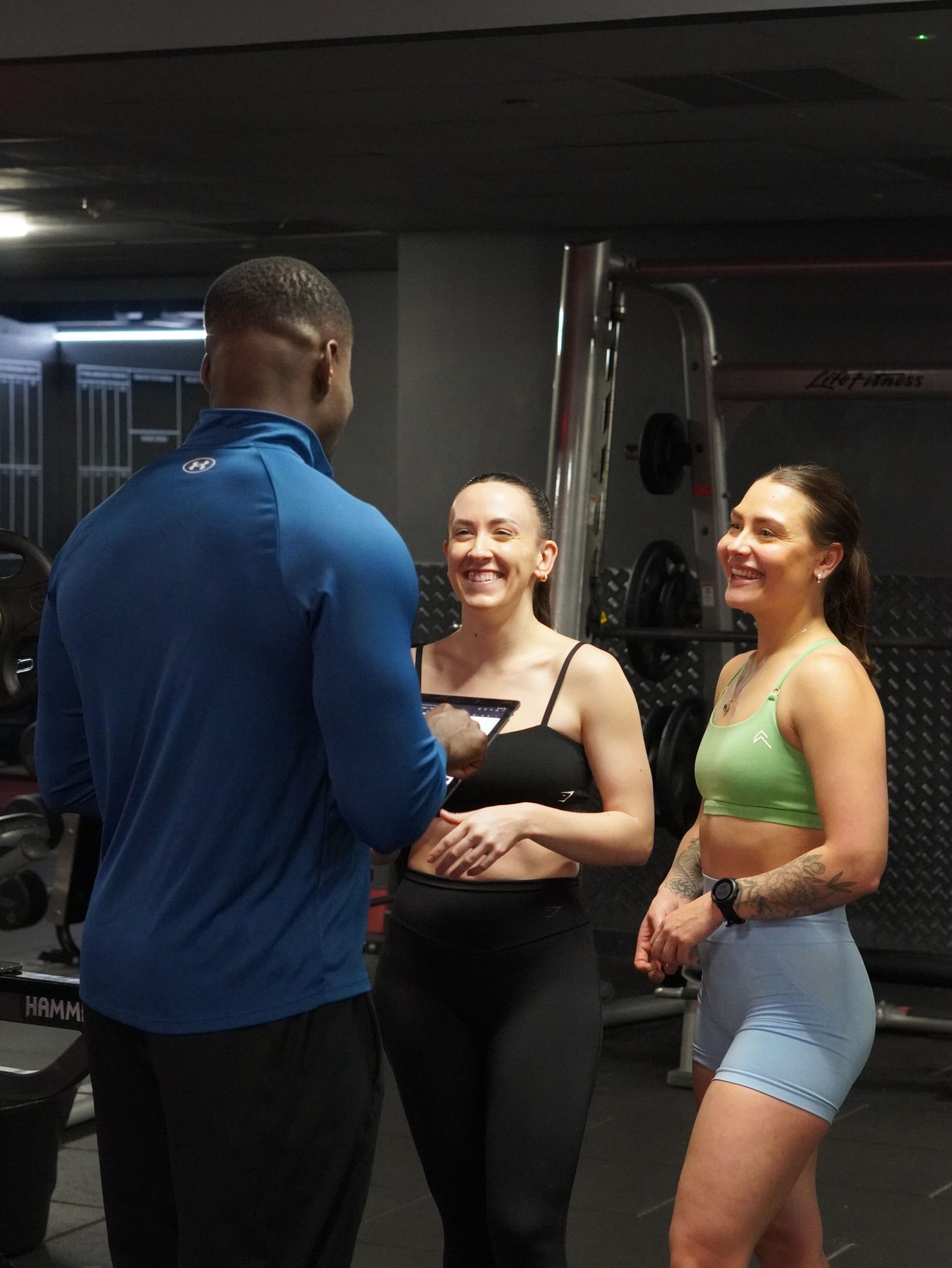
Hiring a Personal Trainer in Marylebone SW1: What You Need to Know Before You Start

best personal trainer in london

Finding the right trainer can feel confusing

Finding the right personal trainer in Marylebone SW1 can feel hard when every trainer claims to get results.

You do not just need someone who counts reps.

You need someone who understands your goal, your lifestyle, your training history, and what will keep you consistent.

That matters because most people do not fail because they are lazy.

They fail because the plan does not fit their life.

You might start with good intentions. You join a gym. You try a few workouts. You follow random exercises from social media. For a few weeks, it feels exciting.

Then work gets busy.

Your routine slips.

You miss a few sessions.

You stop seeing progress.

This is where the right personal trainer can make a huge difference. A good trainer gives you structure, direction, and accountability. They help you train with purpose, not guesswork.

If you live or work near Marylebone, Mayfair, Fitzrovia, Baker Street, or the wider SW1 area, choosing the right trainer can help you build a routine that fits around your schedule and your goals.

Do I Need a Personal Trainer? A PT's Honest Answer

Why people hire a personal trainer in Marylebone

People hire a personal trainer for different reasons.

Some want to lose body fat.

Some want to build muscle.

Some want to feel stronger, move better, or walk into the gym with more confidence.

Others want to train safely after an injury or long break from exercise.

Many people in Marylebone and SW1 have busy lives. Long workdays, meetings, travel, family commitments, and social plans can make fitness feel hard to manage.

A personal trainer helps cut through that.

You get a clear plan.

You know what to do when you walk into the gym.

You know which exercises matter.

You know how many sets and reps to complete.

You know how to progress week by week.

For many people, that removes the biggest barrier: uncertainty.

There is also the accountability side. When someone is expecting you to show up, you are more likely to keep going. That consistency is where results come from.

You may want to lose 10kg, build strength, improve your posture, gain muscle, or simply feel better in your clothes.

The goal matters.

But the system matters more.

Personal Training in Fitzrovia W1T 3DN

What makes a good personal trainer

A good personal trainer should not give every client the same workout.

Your plan should match your body, your goal, your fitness level, and your starting point.

Before training starts, there should be some form of assessment. This does not need to feel complicated, but it should help the trainer understand where you are now.

They should look at:

  • Your current fitness level
  • Your injury history
  • Your training experience
  • Your movement quality
  • Your strength level
  • Your lifestyle
  • Your goal
  • Your schedule

From there, they should build a structured programme.

That means your sessions should connect to each other. You should not be doing random workouts every week just to feel tired.

A good plan helps you progress.

You should see your strength improve. You should understand your technique. You should feel more confident with exercises such as squats, deadlifts, presses, rows, lunges, and core work.

Good coaching also means clear instruction.

The trainer should explain what you are doing, why you are doing it, and how it helps your goal.

For example, if your goal is fat loss, strength training can help you build lean muscle, improve body shape, and increase confidence. But it still needs to sit alongside nutrition habits, daily movement, sleep, and consistency.

Your trainer should help with that wider picture.

Not just the workout.

Strength Training in Your 30s and 40s: Why Personal Training (Tower Bridge/London Bridge)

Why location matters in Marylebone SW1

Location plays a big role in whether you stay consistent.

Marylebone and SW1 are busy areas. Many people train before work, during lunch breaks, or after work.

If your trainer is close to your home or office, it becomes easier to show up.

That matters more than people think.

A 45-minute session near your office can work better than a perfect gym that takes too long to reach.

Marylebone also has access to private gyms, premium fitness spaces, and quiet training environments. This can suit people who do not enjoy busy commercial gyms or who want a more focused experience.

For busy professionals, flexibility matters.

You may need early morning sessions.

You may need lunchtime slots.

You may need a plan that works around travel.

A local trainer who understands this can help you build a routine that feels realistic, not forced.

The best training plan is not the one that looks impressive on paper.

It is the one you can follow.

personal trainer marylebone

Questions to ask before hiring a personal trainer

This will help you avoid wasting time, money, and energy.

Start with:

  • What type of clients do you usually train?
  • How do you assess clients before starting?
  • Do you create a structured training programme?
  • How do you track progress?
  • Can you support nutrition habits?
  • How often should I train?
  • What happens outside the session?
  • How will we review my results?
  • What should I expect in the first 4 to 8 weeks?

These questions help you understand whether the trainer has a real system.

You are not looking for someone who just makes you sweat.

You are looking for someone who can guide you towards a clear outcome.

Ask how they measure progress.

Progress is not only weight on the scale.

It can include:

  • Better strength
  • Better technique
  • Improved body shape
  • More energy
  • Better confidence
  • Smaller waist measurement
  • Better posture
  • Improved consistency
  • More control with food choices

The more clearly your trainer tracks progress, the easier it becomes to stay motivated.

strangth training, 12reps app strength training

Common mistakes to avoid

One of the biggest mistakes is choosing a trainer based only on price.

Price matters, of course.

But the cheapest option is not always the best value.

If you pay for sessions but do not get a plan, do not track progress, and do not receive support outside the gym, you may end up spending more in the long run.

Another mistake is picking a trainer with no clear system.

A good trainer should be able to explain how they help clients get results.

They should not rely only on hard workouts.

Hard workouts are easy to create.

Smart training takes more thought.

You should also avoid training without tracking anything.

If you do not track your lifts, body measurements, habits, or photos, it becomes harder to know what is working.

Many people quit because they think nothing is changing.

But when they look at the data, they realise they are getting stronger, moving better, and building momentum.

Another mistake is expecting results without consistency.

A trainer can guide you.

They can coach you.

They can support you.

But you still need to show up.

Results come from what you repeat.

What results can you expect?

Your results will depend on your goal, starting point, training frequency, nutrition, sleep, and consistency.

In the first few weeks, you may feel stronger, move better, and feel more confident in the gym.

You may notice better posture.

You may feel less intimidated by equipment.

You may start to understand how to train properly.

Visible changes often take longer.

Fat loss, muscle gain, and body shape changes need time.

But the right plan helps you build momentum from the start.

For many clients, the first win is confidence.

They stop guessing.

They stop walking around the gym unsure what to do.

They start training with purpose.

That confidence can change everything.

Once you feel in control, it becomes easier to stay consistent.

Why work with Will

Working with Will gives you more than a workout.

You get coaching built around strength training, confidence, and long-term progress.

Will has a sports science background and experience working with clients at different fitness levels. That means your training can be structured around your body, your goals, and your starting point.

The focus is not on quick fixes.

The focus is on helping you build strength, improve technique, and create habits you can keep.

You will learn how to train properly.

You will understand why each exercise is in your programme.

You will know how to progress.

You will get accountability inside and outside the gym.

This is important because what you do between sessions matters.

Your sleep, food choices, steps, stress, and weekly routine all affect your results.

A good coach helps you manage the full picture.

If you are nervous about the gym, Will can help you build confidence.

If you want to lose body fat, he can help you train with structure and improve your habits.

If you want to build muscle, he can help you use progressive strength training.

If you have a busy schedule, he can help you make training fit into real life.

The goal is simple.

You should leave each session feeling clearer, stronger, and more in control.

Ready to start?

Looking for a personal trainer in Marylebone SW1?

Book a consultation with Will and start with a clear plan built around your goal, your schedule, and your fitness level.

You do not need to be fit before you start.

You just need the right plan, the right support, and a reason to keep going.
Why Your Workout Plan Is Not Working

12REPS: Your Pocket Personal Trainer for 2026 - The Best Strength Training App for Men, Women, and PTs

Most people do not need a harder workout plan. They need a clearer one. You can have the best intentions, the newest gym kit, and all the motivation in the world, but if your workout plan is too random, too long, or too hard to follow, you will struggle to stay consistent.

That is where many people go wrong. They walk into the gym and start guessing. A few sets on the bench press, some shoulder raises, maybe a few squats, then abs at the end because it feels like the right thing to do.

The problem is not effort. The problem is structure.

A good workout plan should answer a few simple questions:

What are you training today?
What equipment do you need?
How many sets and reps are you doing?
What weight did you lift last time?
What should you try to improve next time?

If your plan does not answer those questions, your progress becomes harder to measure. One simple way to fix this is to build your workout around the equipment you already have. If you only have dumbbells, choose  a dumbbell session by filtering the exercise in the explore page . If you are training at home, choose bodyweight or resisitance band as equipment selection and pick your exercises. . If you are in the gym, filter your workout based on the machines, free weights, or cables available to you.

The next step is to train the right muscle groups and track what you do. A clear plan helps you know whether you are focusing on upper body, lower body, full body, chest, back, legs, shoulders, or core. This matters because random workouts create random results. Then comes tracking. Track your reps, sets, and weight. Not because you need to become obsessed with numbers, but because your body needs a reason to adapt. If you lifted 12kg dumbbells last week for 10 reps, maybe this week you try 12 reps. Or maybe you move up to 14kg. That small improvement builds confidence, and confidence helps you keep showing up.

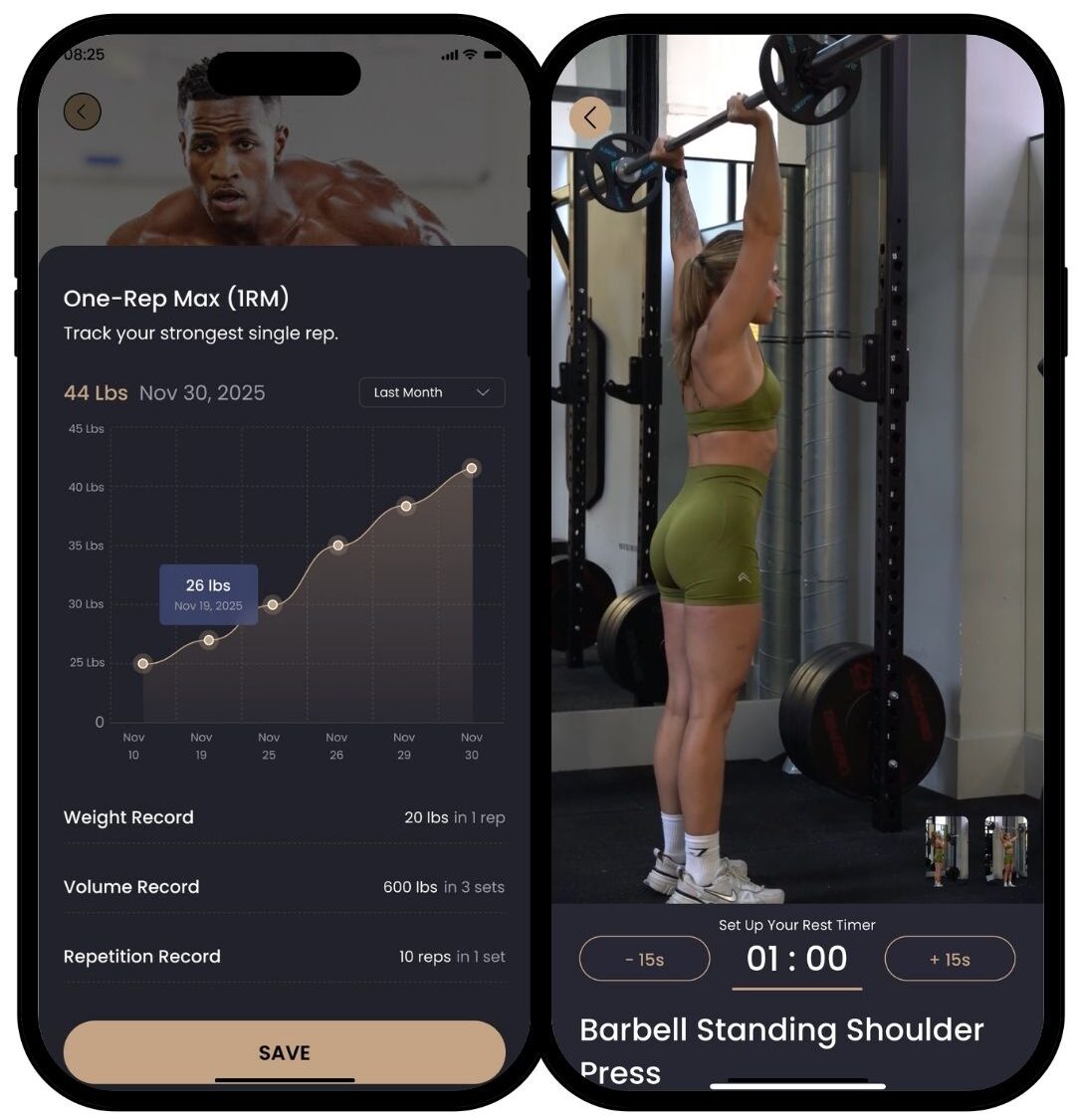
That is why 12REPS was built. You open the app, choose your goal, filter by equipment, follow the plan, and track your progress. No guessing. No scrolling through random workouts. Just a clear strength session built around you. Try this today: open 12REPS and build one workout based on the equipment you have available. Train it once this week. Track every set, rep, and weight. Then ask yourself: did having a clear plan make it easier to show up? Download 12REPS and start your 7-day free trial.

12reps - strength training app

Strength vs Hypertrophy Training: How to Build Muscle, Strength and Power

Strength vs Hypertrophy Training: How to Build Muscle, Strength and Power

Most people in the gym are not training for what they actually want. They say they want to get stronger, but they train like they only want a pump. They say they want to build muscle, but they keep lifting too heavy to create enough quality volume. They say they want power, but every rep moves slowly.

This is where strength vs hypertrophy training gets confusing. Both use weights. Both can build muscle. Both can change your body. But they are not the same thing.

Strength training is about improving how much force your body can produce. Hypertrophy training is about increasing muscle size. One teaches your nervous system to recruit more muscle fibres. The other gives the muscle enough tension, volume, and fatigue to grow.

You need to understand the difference because your goal should shape your training. If you want to lift heavier, your programme should not look the same as someone training mainly for muscle growth. If you want to build size, you cannot only chase one-rep max numbers. And if you want a body that looks strong and performs well, you probably need both.

Strength vs Hypertrophy Training: How to Build Muscle, Strength and Power

What Is Strength Training?

Strength training is the ability to produce force. In the gym, that usually means lifting heavier loads for lower reps with longer rest periods. Think squats, deadlifts, bench press, overhead press, rows, pull-ups, and carries. These exercises teach your body to create tension, brace properly, and move heavy weight with control.

A typical strength training plan may use 3 to 6 reps per set, heavier weights, and rest periods of 2 to 5 minutes. The aim is quality. You want strong reps, clean technique, and enough recovery between sets so you can keep producing high force.

Strength training is not just about muscles. It is also about the nervous system. Your body has to learn how to recruit more muscle fibres, create stiffness, stabilise joints, and coordinate movement under load. That is why beginners can get stronger quickly before they build much visible muscle.

Why Strength Training Matters After 50 and How to Start Properly

What Is Hypertrophy Training?

Hypertrophy training is focused on muscle growth. You still need progressive overload, but you usually train with more total volume. That means more reps, more sets, and more time under tension.

A typical hypertrophy workout may use 6 to 15 reps per set, moderate to heavy weights, and shorter rest periods than pure strength training. The goal is to create enough mechanical tension and training volume to force the muscle to adapt.

This is where many lifters get it wrong. They treat every set like a strength test. They load the bar, grind through poor reps, rest too long, and never create enough quality work for growth. Muscle does not grow because you looked serious near the dumbbell rack. It grows when you give it a reason to adapt.

Strength vs Hypertrophy Training: How to Build Muscle, Strength and Power

Strength vs Hypertrophy: The Simple Difference

Strength training asks, “How much force can you produce?”

Hypertrophy training asks, “How much quality work can the muscle handle and recover from?”

Both matter. If you only train for strength, you may get better at lifting heavy, but you might not build as much muscle as you expect. If you only train for hypertrophy, you may build size, but you might not become as strong as you could be.

The best results often come from combining both in the right order. Build muscle so you have more tissue to work with. Build strength so that tissue can produce more force. Then add power work so you can express that force quickly.

Strength vs Hypertrophy Training: How to Build Muscle, Strength and Power

Which One Should Beginners Focus On?

For beginners, the answer is simple. You do not need a complicated split. You need to learn the main movement patterns and get stronger with good form.

Focus on squatting, hinging, pushing, pulling, lunging, carrying, and rotating. Build those first. Your body will respond because almost everything is new.

At this stage, strength and hypertrophy overlap a lot. If you train consistently, eat enough protein, sleep well, and add weight or reps over time, you will build muscle and strength together.

How Intermediate Lifters Should Train

For intermediate lifters, the difference between strength training and hypertrophy training becomes more important. You need phases. You cannot train everything hard all the time and expect progress to continue.

You might spend 4 to 6 weeks focusing on hypertrophy to build muscle, then move into a strength phase where you teach that muscle to produce more force. This is how you build a body that is not just bigger, but more capable.

This also helps prevent plateaus. When your training has structure, each phase has a purpose. You are not just turning up and doing random exercises. You are building one quality, then using it to improve the next.

Why Athletes Need Strength, Hypertrophy and Power

For athletes, the answer is even clearer. You need strength, hypertrophy, and power. Hypertrophy helps build the tissue. Strength teaches that tissue to produce force. Power teaches you to express that force quickly.

That matters for sprinting, jumping, changing direction, Hyrox, combat sports, football, running, and general athletic performance.

Power training sits slightly outside the usual strength vs hypertrophy debate. It is not about slow grinding reps. It is about speed. Think box jumps, medicine ball throws, kettlebell swings, sled pushes, power cleans, jump squats, and explosive push-ups. The load does not always need to be heavy. The intent needs to be fast.

A strong body is useful. A strong, quick-moving body is athletic.

Strength Training for Women and Men: How Lifting Weights Can Transform Your Lifestyle, Confidence, and Sex Drive

How To Combine Strength and Hypertrophy In One Workout

A smart gym workout plan does not rely on one method forever. You can use strength training to build your base. You can use hypertrophy training to add muscle. You can use power training to improve speed and force output.

A practical session could start with a power movement, move into a strength lift, then finish with hypertrophy work.

For a lower-body workout, you might start with box jumps, then perform heavy squats, then finish with Romanian deadlifts, split squats, leg curls, and calf raises. That gives you speed, strength, and muscle-building work in one session.

For an upper-body workout, you could start with medicine ball chest throws, move into bench press or weighted pull-ups, then finish with dumbbell presses, rows, lateral raises, curls, and triceps work.

This structure works because the most demanding nervous system work comes first. You train power while fresh. Then you train strength. Then you use accessory exercises to build muscle and address weak points.

Common Mistakes With Strength and Hypertrophy Training

The biggest mistake is doing everything with the same effort and the same rep range. Not every exercise needs to destroy you.

Heavy strength work needs focus and rest. Hypertrophy work needs control and volume. Power work needs speed and freshness.

Your body adapts to the signal you give it. Train slow all the time, and you get better at slow work. Train light with no progression, and your body has little reason to change. Train heavy with poor form, and you build compensation. Train with structure, and your body starts to respond.

Another mistake is changing programmes too often. If you switch exercises every week, you never give your body enough time to improve. Variation has value, but progression matters more.

How 12Reps Helps You Train With More Purpose

This is where the 12Reps app can help. Instead of guessing which exercises to do, you can use structured workout plans built around your goal.

Whether you want to build muscle, gain strength, improve power, or train like a hybrid athlete, 12Reps helps you find the right exercises and build sessions with more purpose.

The goal is not to make training complicated. The goal is to make it clearer. You choose what you want to improve, then follow a plan that supports that outcome.

Final Thoughts

The real answer to strength vs hypertrophy training is not one or the other. It is knowing when to use each one.

Build muscle so you have more tissue to work with. Build strength so that tissue can produce more force. Build power so you can use that force quickly.

That is how you create a body that looks strong, lifts well, and performs when it matters.

Private Strength & Conditioning for Executives: Why High Performers Train with Will Duru

Strength Training or Running: Which One Actually Works Better for Weight Loss?

To the founders, executives, and high performers who relentlessly drive progress and innovation, you understand the relentless demands of your world. Long hours, high-stakes decisions, and constant pressure are the norm. In this environment, it is all too easy for physical performance to decline, leading to diminished energy, focus, and resilience. Yet, your body is not merely a vessel; it is an integral part of your performance engine. Maintaining an edge in your professional life necessitates maintaining an edge in your physical well-being. 

This is not just about fitness; it is about strategic strength training as a cornerstone of sustained high performance.

personal training mayfair- personal trainer marylebone - personal training London

The Cost of Neglecting Your Physical Performance

Ignoring your physical health in pursuit of professional success comes with a steep price. The consequences are often insidious, manifesting as a gradual loss of energy and focus, making it harder to tackle complex problems or maintain productivity through demanding days. The constant grind can lead to increased stress and burnout, eroding your capacity to lead effectively. Without a strong physical foundation, your resilience under pressure diminishes, leaving you vulnerable to the inevitable challenges of executive life. Ultimately, this neglect results in a decline in long term health and performance, impacting not only your career but your overall quality of life.

Why High Performers Invest in Strength Training

Leading executives and founders recognise that their physical state directly influences their cognitive and emotional capabilities. They invest in strength training not as a luxury, but as a strategic imperative. Strength improves mental clarity and decision making, providing a robust foundation for navigating complex business landscapes. A better physical capacity translates directly to better work output, allowing for sustained periods of high intensity effort.

Furthermore, strength training supports longevity and sustained performance, ensuring that you can continue to operate at your peak for years to come. It also creates structure outside of work, offering a disciplined outlet that complements and enhances professional rigor.

personal training London -mayfair personal trainer - marylebone personal trainer

Add Your Heading Text Here

Why Generic Fitness Doesn’t Work at This Level

For individuals operating at the highest echelons, generic fitness solutions fall short. The lack of personalisation means that off the shelf programmes fail to address the unique demands and constraints of an executive lifestyle. This often leads to inefficient use of time, a commodity too precious to waste on ineffective workouts. Without dedicated accountability or long term planning, progress stagnates, and motivation wanes. Crucially, generic approaches rarely align with demanding schedules, offering rigid structures that clash with unpredictable travel and work commitments

Introducing a Private Approach (Will Duru)

This is where PT Will distinguishes itself. We offer a private strength and conditioning service meticulously designed for the discerning needs of high-performing professionals. Our approach emphasises tailored coaching, discretion, and demonstrable results. Will Duru, with a BSc (Hons) in Sport and Exercise Science and over a decade of experience as an award-winning personal trainer in the City of London, brings a profound understanding of sports science and its practical application. His passion lies in helping individuals, particularly women, build muscle and optimise their physical potential, a commitment forged through years of dedicated coaching.


12reps: Investing in the Future of Strength Training for Longevity By Will Duru, Founder & CEO

Focus on Outcomes, Not Workouts

Our philosophy transcends mere exercise; we are dedicated to delivering tangible outcomes that enhance your life. Expect increased energy and daily output, empowering you to tackle your professional challenges with renewed vigour. Experience improved posture and reduced pain, alleviating the common ailments associated with sedentary work. Cultivate genuine strength and physical presence, projecting confidence and capability. Ultimately, our focus is on fostering long-term health and resilience, equipping you with the physical fortitude to thrive in all aspects of your life.

Efficiency: Training That Fits Your Life

Time is your most valuable asset, and our training respects that. We deliver short, focused sessions that maximise impact without consuming your entire day. There is no wasted time; every exercise, every minute, is purposeful. You will benefit from a clear plan every session, eliminating guesswork and ensuring consistent progress. Our programmes are meticulously built around the client’s schedule, integrating seamlessly into your demanding routine.

Discretion and Privacy

Confidentiality is paramount. Our private-client approach ensures your training journey remains entirely personal. There is no public exposure; your commitment to physical excellence is a private endeavour. We are trusted by professionals who value confidentiality, providing a secure and discreet environment for your personal development.

Why Strength Training Matters After 50 and How to Start Properly

Case Study Style Examples

  • Executive improves energy and reduces back pain: A CEO, plagued by chronic back pain and flagging energy, adopted a personalised strength programme. Within months, his pain significantly reduced, and he reported sustained energy levels throughout his demanding workdays.
  • Founder builds consistency despite travel: A globetrotting founder struggled with maintaining a fitness routine. Through flexible scheduling and remote guidance, he established a consistent training regimen, leading to improved strength and mental fortitude.
  • Client improves strength while maintaining busy schedule: A high-level executive, initially sceptical of fitting training into her packed diary, discovered that short, intense sessions with Will yielded remarkable strength gains without compromising her professional commitments.

Why This Is a Long-Term Investment

Working with Will Duru is not a short-term programme; it is a strategic, long-term investment in your most valuable asset: yourself. This is about ongoing performance optimisation, a continuous refinement of your physical and mental capabilities. Like your most successful business ventures, the benefits of this training compound over time, yielding exponential returns in health, vitality, and professional edge.

The Difference in Approach

Our methodology stands apart. We prioritise less volume, more precision, focusing on quality over quantity to maximise results. Our progression is data-driven, ensuring that every aspect of your training is informed by objective metrics. Furthermore, our coaching extends beyond the gym, encompassing crucial elements of lifestyle and recovery, recognising that true performance is holistic.

Private Strength & Conditioning for Executives: Why High Performers Train with Will Duru

Who This Is For

This service is specifically designed for:

  • Founders, CEOs, executives who understand the intrinsic link between physical and professional performance.
  • Individuals who value time and results, seeking an efficient and effective path to optimal health.
  • People willing to invest in their performance, recognising that their physical well being is a critical asset.

Who This Is Not For

To ensure the highest quality of service and alignment with our philosophy, this programme is not suited for:

  • Casual gym goers seeking a general fitness solution.
  • People looking for quick fixes or unsustainable short term results.
  • Those not committed to consistency and the disciplined effort required for lasting change.

Call to Action

If you are a high performing individual ready to elevate your physical and professional capabilities, we invite you to enquire privately. Our onboarding process is selective, ensuring a bespoke experience for each client. We encourage serious individuals, committed to investing in their long term performance, to apply.

Closing Statement

Your body is not separate from your performance; it is an indispensable part of it. At this level of achievement, strategic strength training is not optional—it is a fundamental requirement for maintaining your competitive edge. Working with Will Duru is about securing and enhancing that edge over time. For more information, please visit ptwill.com.


3-Day Strength Training Plan for Petite Women: Build Strength, Add Size, Stay Consistent

3-Day Strength Training Plan for Petite Women: Build Strength, Add Size, Stay Consistent

By Will Duru, BSc (Hons) Sport and Exercise Science, Award-winning Personal Trainer with over 10 years of experience in strength training and optimising recovery.

As a personal trainer with almost a decade of experience training women in the City of London, helping them build muscle and achieve their fitness goals is my passion. I have seen firsthand the incredible transformations that happen when women embrace strength training. If you are a petite woman struggling to gain weight and muscle, constantly training but not seeing the changes you desire, you are not alone. Many women face this frustration, but there is a solution: effective strength training. The 12REPS app is here to remove the guesswork and guide you on your journey.

personal trainer london

Why Strength Training Is Key for Gaining Weight

When we talk about gaining weight, we are not just talking about adding calories. For a healthy, strong physique, weight gain should come from building muscle. Strength training is the most effective way to stimulate muscle growth, helping to improve your body composition and shape. It builds a stronger, more defined physique, transforming your body into a metabolically active powerhouse. The more muscle you have, the more calories your body burns at rest, making it easier to manage your weight and achieve a lean, sculpted look.

Beyond aesthetics, strength training offers significant health benefits. Research from Harvard Health Publishing suggests that strength training can help slow bone loss and even build new bone, which is crucial for preventing osteoporosis, a condition affecting millions of women. By placing stress on your bones, strength training stimulates the cells responsible for bone formation, resulting in stronger, denser bones less prone to fracture. Furthermore, a study highlighted by NPR found that women who engage in strength training two to three days a week have a significantly lower risk of death from heart disease and are more likely to live longer. These are not small benefits; we are talking about adding healthy, vibrant years to your life.

3-Day Strength Training Plan for Petite Women: Build Strength, Add Size, Stay Consistent

Why Being Petite Requires a Smarter Approach

Petite women often have smaller frames and lower body weights, meaning generic training plans and nutrition advice often miss the mark. Your smaller frame means visible changes can happen faster, but it also means you need structured training to avoid plateaus. Generic plans that suggest eating 2,000 plus calories to build muscle can lead to fat gain for petite women. A smarter approach focuses on targeted progression and a modest calorie surplus

The Push/Pull/Legs + Core Method Explained

The Push/Pull/Legs (PPL) split is an efficient and effective way to train, especially for those with limited time. It divides your body into three main training days:

  • Push: Focuses on chest, shoulders, and triceps.
  • Pull: Targets back and biceps.
  • Legs + Core: Works your lower body and abdominal muscles.

This split improves efficiency by working synergistic muscle groups together and allows for adequate recovery between sessions. It is a proven method for consistent muscle building and strength gains.

Why Push Pull Legs Is Important for Efficiency and Building Muscle

Weekly Training Structure (3 Days)

This 3-day workout tracker plan is designed for optimal results with just three sessions per week. You can space these days out, for example, training on Monday, Wednesday, and Friday, allowing for rest and recovery in between. Consistency is paramount for success.

  • Day 1: Push
  • Day 2: Pull
  • Day 3: Legs + Core

12-Week Strength Program Structure

This program is structured into three 4-week phases, each building on the last to ensure continuous progress and adaptation. The goal is progressive overload, meaning you will gradually increase the demands on your muscles over time.

Phase 1: Foundation Building (Weeks 1-4)

This phase focuses on building a solid foundation of strength and mastering proper form. You will perform single sets, concentrating on controlled repetitions and technique. Each workout includes 5 exercises targeting major muscle groups.

Day 1: Upper Body Focus

Exercise

Equipment

Sets

Reps

Weight

Rest Period

Dumbbell Chest Press

Dumbbells

3

10-12

Start with 2.5-5 kg

60-90 sec

Bent-Over Dumbbell Row

Dumbbells

3

10-12

Start with 2.5-5 kg

60-90 sec

Shoulder Press

Dumbbells

3

10-12

Start with 1.5-4 kg

60-90 sec

Tricep Dips

Bodyweight

3

8-10

Bodyweight

60-90 sec

Plank

Bodyweight

3

30-45 sec

Bodyweight

60 sec

Day 2: Lower Body Focus

Exercise

Equipment

Sets

Reps

Weight

Rest Period

Goblet Squat

Dumbbell

3

12-15

Start with 5-7.5 kg

60-90 sec

Romanian Deadlift

Dumbbells

3

10-12

Start with 4-6 kg

60-90 sec

Walking Lunges

Bodyweight

3

10 each leg

Bodyweight

60-90 sec

Glute Bridge

Bodyweight

3

15-20

Bodyweight

60 sec

Calf Raises

Bodyweight

3

15-20

Bodyweight

45 sec

Day 3: Full Body Circuit

Exercise

Equipment

Sets

Reps

Weight

Rest Period

Squat to Press

Dumbbells

3

10-12

Start with 2.5-4 kg

60-90 sec

TRX Row

TRX

3

10-12

Bodyweight

60-90 sec

Kettlebell Swing

Kettlebell

3

15-20

Start with 4-6 kg

60-90 sec

Push-ups

Bodyweight

3

5-10

Bodyweight

60 sec

Mountain Climbers

Bodyweight

3

20 total

Bodyweight

60 sec

Phase 2: Strength Building (Weeks 5-8)

In Phase 2, we introduce supersets to increase intensity and challenge your muscles further. You will perform two exercises back-to-back with no rest in between. This phase consists of four main exercises, plus four superset exercises, for a total of eight exercises per workout.

Day 1: Upper Body Power

Exercise

Equipment

Sets

Reps

Weight

Rest Period

Incline Dumbbell Press

Dumbbells

4

8-10

Increase by 1-2.5 kg

90 sec

Lat Pulldown

Machine

4

8-10

Progressive load

90 sec

Dumbbell Shoulder Press

Dumbbells

4

8-10

Increase by 1-1.5 kg

90 sec

Assisted Pull-ups

Machine

4

6-8

Progressive assistance

90 sec

Supersets (A1-A2, B1-B2):

Superset

Exercise

Equipment

Sets

Reps

Weight

Rest Period

A1

Dumbbell Flyes

Dumbbells

3

12-15

Light weight

No rest

A2

Push-ups

Bodyweight

3

Max

Bodyweight

60 sec

B1

Bicep Curls

Dumbbells

3

10-12

Moderate

No rest

B2

Tricep Extensions

Dumbbells

3

10-12

Moderate

60 sec

Day 2: Lower Body Power

Exercise

Equipment

Sets

Reps

Weight

Rest Period

Barbell Squat

Barbell

4

8-10

Progressive load

90 sec

Leg Press

Machine

4

10-12

Progressive load

90 sec

Glute Ham Raise

Machine

4

8-10

Bodyweight

90 sec

Leg Extension

Machine

4

12-15

Progressive load

90 sec

Supersets (A1-A2, B1-B2):

Superset

Exercise

Equipment

Sets

Reps

Weight

Rest Period

A1

Walking Lunges

Dumbbells

3

10 each leg

Moderate

No rest

A2

Calf Raises

Bodyweight

3

15-20

Bodyweight

60 sec

B1

Hamstring Curls

Machine

3

12-15

Moderate

No rest

B2

Ab Crunches

Bodyweight

3

15-20

Bodyweight

60 sec

Phase 3: Power and Peak Performance (Weeks 9-12)

This final phase focuses on pushing your strength and performance with heavier weights and lower repetitions, while maintaining excellent form. The superset structure continues, further intensifying your workouts.

Day 1: Upper Body Peak

Exercise

Equipment

Sets

Reps

Weight

Rest Period

Barbell Bench Press

Barbell

5

5-8

Progressive load

120 sec

Pull-ups

Bodyweight

5

Max

Bodyweight

120 sec

Overhead Press

Barbell

5

5-8

Progressive load

120 sec

Barbell Rows

Barbell

5

6-8

Progressive load

120 sec

Supersets (A1-A2, B1-B2):

Superset

Exercise

Equipment

Sets

Reps

Weight

Rest Period

A1

Lateral Raises

Dumbbells

3

12-15

Moderate

No rest

A2

Face Pulls

Cable

3

12-15

Moderate

60 sec

B1

Hammer Curls

Dumbbells

3

10-12

Moderate

No rest

B2

Overhead Tricep Ext

Dumbbells

3

10-12

Moderate

60 sec

Day 2: Lower Body Peak

Exercise

Equipment

Sets

Reps

Weight

Rest Period

Deadlift

Barbell

5

3-5

Progressive load

180 sec

Front Squat

Barbell

5

5-8

Progressive load

120 sec

Glute Bridges

Barbell

4

8-10

Progressive load

90 sec

Leg Curls

Machine

4

10-12

Progressive load

90 sec

Supersets (A1-A2, B1-B2):

Superset

Exercise

Equipment

Sets

Reps

Weight

Rest Period

A1

Bulgarian Split Squat

Dumbbells

3

8-10 each leg

Moderate

No rest

A2

Calf Raises

Machine

3

15-20

Moderate

60 sec

B1

Hyperextensions

Bodyweight

3

12-15

Bodyweight

No rest

B2

Russian Twists

Bodyweight

3

15-20 each side

Bodyweight

60 sec

Why Strength Training is Non-Negotiable for Women From Age 30 Onwards

How to Train for Results

To maximise your results, focus on these key principles:

  • Progressive Overload: This is the cornerstone of muscle building. Continuously challenge your muscles by gradually increasing the weight, repetitions, or sets over time .
  • Maintain Good Form: Proper form is crucial to prevent injuries and ensure you are effectively targeting the intended muscles. Never sacrifice form for heavier weight.
  • Track Every Session: Use a workout tracker like the 12REPS app to record your weights, reps, and sets. This allows you to monitor your progress and ensure consistent progressive overload.

How to Use the 12REPS App

The 12REPS app is designed to simplify your fitness journey. Simply select your goal (strength/muscle gain), follow the structured push/pull/legs workouts, and track your weights and reps. It removes the guesswork, keeps you consistent, and helps you achieve your goals. You can download it now for free trial.

12reps- strength training app

Why Nutrition Matters for Petite Women

Nutrition is critical for muscle building, especially for petite women. Generic advice often leads to overeating and fat gain. You need a slight calorie surplus to build muscle optimally, but this means 150 to 250 calories above your maintenance, not 500 plus. Undereating is also a common mistake, as your body cannot build something from nothing. Consistency in your nutrition is more important than striving for perfection.

Simple Nutrition Guidelines

  • Calorie Surplus: Aim for a modest 150-250 calories above your maintenance level. To calculate your maintenance, multiply your weight in kg by 28 to 30 (for moderate activity). For example, a 50kg woman might need around 1,450 calories for maintenance, leading to a target of approximately 1,625 calories for lean muscle gain.
  • Protein Intake: Prioritise protein. Aim for 1.8 to 2.2g per kg of bodyweight daily. For a 50kg woman, this means 90 to 110g of protein. Protein is the building block of muscle and is non negotiable.
  • Carbohydrates: Consume 2.5 to 3.5g per kg of bodyweight daily. For a 50kg woman, this is 125 to 175g of carbs. Carbohydrates fuel your training and support recovery.
  • Fats: Aim for 0.8 to 1g per kg of bodyweight daily. For a 50kg woman, this is 40 to 50g of fat. Fats support hormone production and overall health.
  • Meal Frequency: Eat 3-4 meals per day, ensuring protein is included in every meal.
  • Calorie Dense Foods: If you struggle to gain weight, incorporate calorie dense foods like nuts, seeds, avocados, and healthy oils.

Recovery and Growth

Training is only one part of the equation. Recovery is where your muscles grow stronger. Prioritise:

  • Sleep: Aim for 7-9 hours of quality sleep per night. Sleep supports muscle repair and hormone regulation.
  • Rest Days: Rest days are crucial for progress. Avoid overtraining, as it can hinder muscle growth and lead to burnout.

Common Mistakes to Avoid

  • Training without structure: Random workouts lead to random results. Follow a plan.
  • Not eating enough: Especially protein. Your body needs fuel to build muscle.
  • Skipping leg day: Leg workouts are vital for overall strength and hormone response.
  • Not tracking progress: If you do not track, you cannot apply progressive overload effectively.

Why Most Petite Women Struggle to Gain Weight

The struggles faced by many petite women in gaining weight and muscle often stem from a combination of factors:

  • Lack of structure: Without a clear plan, workouts become inefficient.
  • Inconsistent training: Sporadic training yields minimal results.
  • Poor nutrition habits: Not understanding the specific caloric and macronutrient needs for their body type.
  • No tracking or progression: Failing to monitor progress means missing opportunities for progressive overload.
Strength Training Is Key to Your Health

Positioning 12REPS as the Solution

The 12REPS app addresses these common challenges directly. It provides clear workout tracker structure, helps you track progress easily, and is designed to simplify your strength training journey, keeping you consistent and motivated.

Final Thought / Call to Action

Remember, consistent strength training combined with smart nutrition is the formula for results. Commit to this 12-week plan, and you will see incredible changes. Take the first step towards a stronger, more confident you. Download the 12REPS app today for free trial and start your transformation.

References

[1] Harvard Health Publishing. (2021). Slowing bone loss with weight-bearing exercise.

[2] NPR. (2024). Women who do strength training live longer. How much is enough?.

[3] Krzysztofik, M., Wilk, M., Wojdała, G., & Gołaś, A. (2019). Maximizing Muscle Hypertrophy: A Systematic Review of Advanced Resistance Training Techniques and Methods. International Journal of Environmental Research and Public Health, 16(22), 4897.


Master the Green: Unlock Your Golf Potential with Strength and Mobility Training

Common Mistakes Golfers Make: Don't Fall into These Traps!

Let’s be honest, most golfers spend countless hours perfecting their swing. You’ve probably been there, meticulously analysing every angle, grip, and follow-through. But what if I told you there’s a crucial element often overlooked, one that could truly transform your game? It’s your body. While your club is an extension of you, the real engine behind every powerful drive and precise putt is your physical form. Neglecting your physical conditioning can lead to a frustrating cycle on the course: a noticeable drop in distance, inconsistent shot control, and that all-too-familiar ache of tight hips and a stiff back.

The secret to a more consistent, powerful, and pain-free game isn’t just about swing mechanics; it’s about a holistic approach that seamlessly blends strength and mobility training. This article is your personal caddy, guiding you through a comprehensive routine designed to boost both your physical prowess and your on-course performance. By focusing on targeted exercises and embracing the principles of progressive overload, you’ll discover how to sculpt your body into a more efficient and resilient golfing machine.

This isn’t merely about hitting the ball further; it’s about laying a solid foundation for sustained improvement and injury prevention, ensuring every round is played at your absolute best. So, are you ready to shift your focus from just swinging the club to truly owning your swing, powered by a body that’s as finely tuned as your favourite driver? Let’s get started.

Master the Green: Unlock Your Golf Potential with Strength and Mobility Training

2. Why Strength and Mobility Matter for Golf

To truly grasp how much your physical condition impacts your golf game, you need to understand one fundamental truth: power in golf doesn’t just magically appear from your arms or the clubhead; it explodes from the ground up. Imagine a coiled spring – that’s your body. The kinetic chain, starting from your feet, moving through your legs, hips, torso, and finally to your arms and club, is the bedrock for generating incredible clubhead speed and pinpoint accuracy. A strong lower body isn’t just for show; it provides an unshakeable base, allowing you to transfer energy with explosive force during your swing.

What about that effortless, powerful rotation you see in the pros? That rotational power, absolutely vital for a dynamic golf swing, primarily stems from your hips and torso. If these areas lack adequate strength and mobility, you’ll find yourself struggling to achieve a full, efficient turn. This often leads to awkward compensatory movements that not only rob you of power but also significantly increase your risk of injury. 

Crucially, mobility grants you that full range of motion, letting your body move freely and effectively through every phase of the swing, from that crucial backswing to the powerful follow-through. If your body feels tight and restricted, your swing will inevitably be limited, no matter how perfect your technical mechanics might be. So, integrating strength and mobility training isn’t just a good idea; it’s an absolute necessity for any golfer serious about elevating their game.

personal trainer - personal trainer Marylebone

3. The Warm-Up: Mobility First – Your Secret Weapon

In the relentless pursuit of a better golf game, many enthusiasts fall prey to a common, yet critical, error: skipping the warm-up. This isn’t just a minor oversight; it’s often where problems truly begin. A cold body is a restricted body, prone to inefficient movement and, more importantly, a significantly increased risk of injury. A proper warm-up isn’t just about getting the blood pumping; it’s about meticulously preparing your joints, fine-tuning your movement patterns, and dramatically reducing the likelihood of those frustrating strains or pulls during your round or practice session.

Think of your warm-up as the essential primer for your body, ensuring it’s primed and ready to perform at its absolute best. And here’s the good news: it doesn’t need to be an arduous, time-consuming chore. A focused 5–8 minute routine before every session is all it takes to unlock your body’s full potential. This small investment of your time yields monumental returns in terms of both performance and your long-term enjoyment of the sport. By making mobility your priority from the very outset, you’re setting the stage for a more fluid, more powerful, and ultimately, a much more injury-free golf experience. Don’t skip this vital step – it’s your secret weapon for consistent play.

Excellence

This isn’t just a random collection of exercises; it’s a meticulously crafted workout programme, designed to tackle the diverse physical demands of golf head-on. We’ve gone beyond isolated muscle groups, focusing instead on integrated movements that directly translate into tangible improvements on the course. Specifically, this routine is your blueprint for enhancing:

  • Lower Body Strength: This is your foundation. Essential for generating explosive power from the ground up and maintaining that rock-solid stability throughout your entire swing.

  • Upper Body Strength: Crucial for controlling your club, accelerating through impact with confidence, and, importantly, preventing those niggling injuries.

  • Core Stability: The absolute bedrock of any athletic movement. A strong, stable core ensures efficient energy transfer from your lower body to your upper body, preventing any unwanted wobbles or energy leaks during your swing.

  • Rotation: We’re directly training your body’s ability to twist and untwist powerfully, perfectly mimicking the dynamic rotational demands of a golf swing.

The big idea here? This programme functions as a complete system. It’s not a patchwork of random movements, but a synergistic approach to building a golf-specific physique that will elevate every single aspect of your game. By strengthening these fundamental areas, you won’t just be hitting the ball further and more accurately; you’ll also be significantly reducing your risk of injury, allowing you to enjoy the game you love for many, many years to come. It’s time to build a body that truly supports your passion.

4. What This Workout Covers: Your Blueprint for Golfing Excellence

5. Your Six Essential Strength Exercises: Powering Your Swing

These six exercises aren’t just any old gym movements; they form the very bedrock of your golf-specific strength training. We’ve handpicked them for their incredible ability to build foundational strength, supercharge your power transfer, and enhance your stability – all factors that will directly impact your performance on the course. As you tackle each one, remember to laser-focus on impeccable form and controlled movements. That’s how you’ll maximise their effectiveness and keep those pesky injuries at bay.

  1. The Trap Bar Deadlift

Sets & Reps: Aim for 3–4 sets of 6–10 repetitions.

Why it matters: The trap bar deadlift is a phenomenal compound movement, a true powerhouse that builds full-body strength like no other. It particularly targets your glutes, hamstrings, and back – the engine room of your golf swing. What’s brilliant about the trap bar is that it allows for a more upright torso position compared to a traditional barbell deadlift, making it safer and more accessible for many, whilst still delivering monumental strength gains.

Your Golf Benefit: Prepare for explosive power from the ground up! This exercise directly translates into generating serious clubhead speed, helping you drive the ball further down the fairway. It also fortifies your posterior chain, which is absolutely crucial for maintaining a stable, powerful posture throughout your entire swing.

  1. The Dumbbell Goblet Squat

Sets & Reps: Go for 3–4 sets of 8–12 repetitions.

Why it matters: The goblet squat is an outstanding exercise for boosting leg strength, improving hip mobility, and sharpening your core control. By holding the dumbbell close to your chest, it naturally encourages an upright torso, promoting excellent squat mechanics and really engaging your core muscles more effectively.

Your Golf Benefit: Expect enhanced lower body stability and balance, allowing for a far more controlled and powerful rotation during your swing. Stronger legs provide that unshakeable foundation for efficient energy transfer, right from the ground through to impact.

  1. The Dumbbell Single Arm Row

Sets & Reps: Complete 3–4 sets of 8–12 repetitions per arm.

Why it matters: This exercise is a champion for building upper back strength and promoting superb postural stability. This is vital for counteracting the often rounded posture many golfers adopt. Plus, by working each side independently, you’re actively addressing any muscular imbalances that might be lurking.

Your Golf Benefit: Hello, improved posture! This leads to a more consistent and efficient swing plane. A robust upper back supports your shoulders, helping you maintain precise control of the club throughout every phase of your swing.

  1. The TRX Knee Tuck

Sets & Reps: Target 3–4 sets of 10–15 repetitions.

Why it matters: The TRX knee tuck is a dynamic core exercise that truly builds dynamic core control and stability. Using the TRX suspension trainer adds an extra layer of challenge, forcing your core to stabilise your body whilst your legs move – perfectly mimicking the rotational demands of a golf swing.

Your Golf Benefit: Develop a core that’s both strong and stable, which is absolutely essential for transferring power from your lower body to your upper body during the swing. Better core control means improved swing stability and a significantly reduced risk of injury.

  1. The Cable Woodchop

Sets & Reps: Aim for 3–4 sets of 10–12 repetitions on each side.

Why it matters: The cable woodchop is incredibly effective for training rotational power and core strength in a movement pattern that’s uncannily similar to your golf swing. It powerfully engages your obliques and all those other crucial core muscles responsible for twisting and untwisting your torso.

Your Golf Benefit: This is where you directly improve your swing speed and power! It enhances your body’s ability to generate and control rotational force, making your golf swing feel more fluid and explosive.

  1. The Plank or plank shoulder taps

Sets & Time: Hold for 3–4 sets, each lasting 30–60 seconds.

Why it matters: The plank is a foundational exercise for building isometric core stability. It strengthens your entire core musculature – including your rectus abdominis, obliques, and transverse abdominis – all without placing undue stress on your spine.

Your Golf Benefit: Provides that rock-solid, stable core foundation that’s critical for maintaining balance and control throughout your golf swing. A strong core helps prevent any unwanted movement, ensuring efficient energy transfer and a more consistent strike. consistent strike.

6. Progressive Overload: The Engine of Your Golfing Evolution

Here’s where the magic truly happens, where consistent results are forged and your sustained improvement becomes inevitable. Progressive overload isn’t just a fancy term; it’s the fundamental principle of getting stronger. It’s about gradually increasing the demands you place on your muscles and bones during your training. Without it, your body simply has no reason to adapt, and your strength, power, and mobility will, quite frankly, stagnate. It is, without a doubt, the primary driver of all physical gains you’ll make.

To put it simply, progressive overload means consistently challenging your body to do just a little bit more than it did last time. This can be achieved in several smart ways:

  • Increase the weight: Lift slightly heavier dumbbells or add a small plate to that trap bar.
  • Increase the repetitions: Perform an extra rep or two with the same weight.
  • Improve your control/form: Execute the same exercise with even better technique, leading to deeper muscle activation and greater efficiency.
  • Decrease your rest time: Shorten the breaks between your sets, subtly increasing the overall intensity of your workout.
  • Increase your training frequency: Perhaps add an extra session to your week (e.g., training 3 times a week instead of 2).

Every single week, your objective should be to do slightly more than before. This consistent, incremental challenge is precisely how strength is built, how power is amplified, and how your body adapts to become more resilient and capable. Without the systematic application of progressive overload, you’ll find yourself stuck in a rut, missing out on the truly transformative benefits of your hard work. Embrace this principle, and you’ll unlock a continuous upward trajectory in your golf performance.

7. Structuring Your Session: The Path to Peak Performance

Now that you understand the vital components, let’s talk about how to weave them into a truly effective training session. A well-structured workout isn’t just about ticking boxes; it ensures you properly prepare your body, challenge your muscles effectively, and allow for optimal recovery. Here’s a straightforward yet powerful way to organise your golf-specific strength and mobility workouts:

Step 1: The Essential Warm-up (5–8 minutes)

Always, and we mean always, kick off every session with the mobility warm-up exercises we outlined in Section 3. This isn’t optional; it’s a non-negotiable step that primes your joints, activates those crucial muscles, and significantly improves your range of motion. The result? A dramatically reduced risk of injury and your body performing at its absolute best for the strength portion of your workout.

Step 2: Your Strength Workout

Once you’re warm and ready, dive into the six key strength exercises. For each exercise, here’s the format to follow:

  • Sets: Aim for 3–4 sets per exercise.
 
  • Rep Range: This is where you get smart. Target a 12–6 rep range, adjusting based on the load. For instance, with a powerful exercise like the Trap Bar Deadlift, you might be on the lower end (6-10 reps) with a heavier weight. For something like the Goblet Squat, you might lean towards the higher end (8-12 reps) with a moderate weight. The golden rule? Choose a weight that allows you to complete your target reps with impeccable form, feeling that satisfying burn as you approach muscular fatigue by the final rep.
 
  • Rest: Give yourself 30–60 seconds of rest between sets. This isn’t just a break; it’s strategic recovery, allowing your muscles to partially recuperate so you can maintain intensity and performance across all your sets.

Training Frequency: To truly see those consistent improvements, aim to train 2–3 times per week on non-consecutive days. This gives your muscles ample time to recover and adapt, growing stronger in the process. Remember, consistency matters far more than sporadic, all-out efforts. Sticking to a regular schedule will deliver exponentially greater benefits than hitting the gym hard once a month. Make it a habit, and watch your game flourish.

8. Gym vs. Home Setup: Your Training, Your Way

One of the biggest hurdles people imagine when starting a new strength and mobility programme is the perceived need for a fully kitted-out gym. Let’s bust that myth right now. While a commercial gym certainly offers a dazzling array of equipment, the brilliant truth is that highly effective training can be achieved almost anywhere. The real secret lies in your adaptability and knowing how to cleverly substitute exercises to match whatever resources you have at hand.

The Gym Environment:

Of course, a gym provides access to everything: barbells, dumbbells, cable machines, and all sorts of specialist strength gear. This means you can perform exercises like the Trap Bar Deadlift and Cable Woodchop exactly as described. The sheer variety of weights and machines also makes applying progressive overload wonderfully straightforward.

The Home Environment:

For those who prefer the comfort and convenience of training at home, you can create an incredibly effective setup with surprisingly minimal equipment. Your essential allies here will be dumbbells and resistance bands. These versatile tools are absolute game-changers and can brilliantly replicate many gym exercises with just a few smart modifications:

  • Trap Bar Deadlift → Dumbbell RDLs or Dumbbell Sumo Squats: While not a like-for-like swap, dumbbell Romanian Deadlifts (RDLs) or Sumo Squats are fantastic for targeting your posterior chain and building lower body strength, delivering many of the same benefits as the trap bar deadlift.
 
  • Cable Woodchop → Resistance Band Woodchop: Don’t have a cable machine? No problem! Resistance bands provide that perfect tension to perform rotational movements, just like the cable woodchop, effectively engaging your core and obliques.
 
  • TRX Knee Tuck → Stability Ball Knee Tuck or Hanging Knee Raise: If you don’t have a TRX, a stability ball is a brilliant alternative for knee tucks. Or, if you’ve got a pull-up bar handy, hanging knee raises are an exceptional choice for dynamic core work.

The crucial takeaway here is this: the fundamental principles of strength and mobility training remain steadfast, no matter where you choose to train. With a dash of creativity and a solid understanding of exercise mechanics, you can adjust easily to your environment and continue making fantastic progress towards your golfing aspirations. Your training, your way.

Common Mistakes Golfers Make: Don't Fall into These Traps!

Even with the best intentions and a burning desire to improve, golfers often stumble into common pitfalls that can seriously hinder their physical development and, by extension, their performance on the course. Recognising these mistakes and actively working to avoid them is absolutely crucial for consistent progress and unlocking your true potential:

  • Skipping Your Warm-Up: We can’t stress this enough! Neglecting a proper warm-up leaves your body unprepared, dramatically increasing your risk of injury and severely limiting your range of motion. Make it a non-negotiable habit: always dedicate 5-8 minutes to dynamic mobility before any golf activity or strength session.
  • No Progression: This is a big one. If you fail to apply the principle of progressive overload, your body simply has no reason to adapt and get stronger. If you’re always lifting the same weight for the same reps, you’ll hit a plateau and stop seeing improvements. Constantly challenge yourself – increase the weight, add a few more reps, or refine your control and form.
  • Random Workouts: Just turning up and doing whatever takes your fancy is a recipe for inefficient training. Performing exercises haphazardly without a structured plan often means you’re neglecting key muscle groups and not working towards a specific goal. Stick to a consistent, golf-specific programme that targets all the necessary areas.
  • Ignoring Your Legs and Core: It’s a common misconception that golf is all about upper-body strength. Wrong! While important, your legs and core are the absolute foundation of a powerful and stable swing. Prioritise exercises that strengthen these critical areas – they’re your power generators.

The frustrating outcome of these common mistakes is often a lack of improvement, persistent aches and pains, and a disheartening plateau in your performance. By being acutely aware of these errors and actively working to correct them, you can ensure your training efforts are not just effective but truly transformative for your golf game. 

10. Where 12reps Fits In: Your Personal Golf Performance Coach

So, you now understand the absolutely critical role that strength, mobility, and progressive overload play in truly elevating your golf game. The next logical step, of course, is putting these powerful principles into practice effectively and consistently. And this, my friend, is precisely where the incredible 12reps app steps in. It’s designed to completely remove the friction and guesswork from your training journey, ensuring you stay firmly on track for optimal performance.

Think of the 12reps app as having your very own personal trainer right there in your pocket, seamlessly integrating all the elements we’ve discussed into one brilliantly user-friendly platform:


  • It Plans Your Sessions: No more scratching your head, wondering what to do each day. The app intelligently plans your golf-specific strength and mobility sessions, guaranteeing a balanced and progressively challenging routine that’s perfectly tailored to your goals.
  • It Tracks Your Sets and Reps: Forget fiddly manual logging. 12reps automatically tracks your sets, reps, and weights, giving you a crystal-clear overview of your progress and liberating you from the need for pen and paper.
  • It Applies Progressive Overload: This is where 12reps truly shines. The app is built on the very principle of progressive overload, subtly guiding you to increase weight, reps, or intensity over time. This ensures continuous adaptation and improvement without you ever having to constantly calculate or remember. It just happens.


And in real-world training scenarios, 12reps proves its immense value time and time again:

  • In a Busy Gym Environment: Ever found your planned exercise machine occupied? No worries! The app allows for instant exercise swaps, ensuring your workout remains structured and effective, even when equipment is limited.


  • For Home Workout Flexibility: Whether you’re training at home with minimal kit or on the road, 12reps ensures your workout remains structured, goal-oriented, and perfectly adapted to your available resources.


The core idea is beautifully simple: You don’t have to think; you just follow the plan. 12reps handles all the complexities of programme design, tracking, and progression, freeing you up to focus purely on execution and consistency. It empowers you to train smarter, not just harder, transforming your body into a more powerful and resilient golfing machine with every single session. Ready to experience the difference?

  1. Your Journey to Golfing Greatness Starts Now

Ultimately, your performance on the golf course is a direct reflection of what your body is truly capable of. While mastering your swing mechanics is undoubtedly important, it’s the foundational strength and mobility that truly drive the results, translating into those longer drives, more accurate shots, and a far more enjoyable, pain-free experience every time you step onto the course. So, let’s be honest with ourselves: Are you truly training your body, or are you just focusing on your swing?

To genuinely elevate your game, it’s time to commit to a holistic approach. Follow the structured plan we’ve outlined in this article, stay consistent with your dedicated training, and crucially, use the right tools to support every step of your journey. By doing so, you won’t just improve your golf game; you’ll build a healthier, more resilient body that serves you incredibly well, both on and off the course. Embrace the power of a well-conditioned body, and prepare to witness your golf game transform before your very eyes. Your golfing greatness awaits.   

Strength Training or Running: Which One Actually Works Better for Weight Loss?

The Ultimate Leg Day: Building Size and Strength with a Refined Approach

By Will Duru, BSc (Hons) Sport and Exercise Science, Award-winning Personal Trainer with over 10 years of experience in strength training and optimising recovery.

There will always be a huge debate about whether running or strength training is the best way to lose weight. In today’s newsletter, I’ll help you understand how to implement both into your training to achieve the best results.

Having been a personal trainer for over 10 years, I’ve heard it all, from gym members telling me, “I lost loads of weight when I was running three times a week for an hour, but now my knees and back can’t take the impact anymore,” to “I’ve been running regularly for years now, but lately I feel like I’m just not losing weight anymore.”

personal trainer london

Why Running Is Good — and Not So Good — for Weight Loss

Running is amazing for staying fit, active, and healthy, but it’s not the silver bullet for weight loss many people think it is. Growing up, we all heard that to lose weight and stay lean, you had to run two to three times a week, but nobody ever told us about the injuries that come with logging lots of miles.

The reason running helps with weight loss is that it supports energy balance. Running burns more calories than walking for the same distance because it engages large muscle groups and elevates your heart rate. This makes it more likely that you’ll burn more energy than you consume, which is the core driver of fat loss.

However, science also shows its limits. A recent study from the University of Jyväskylä in Finland suggests that running alone doesn’t always lead to ongoing weight loss for everyone. Bodies adapt. After initial changes, your metabolism often slows to compensate for increased energy use, so you may stop losing weight even if you keep running. The study’s authors concluded that running reliably prevents long-term weight gain but doesn’t guarantee continual weight loss on its own.

Why Strength Training Is Good for Weight Loss

Strength training is the best way to lose body fat because it isolates your muscles and contracts them against an applied load, building muscle and burning fat in the process. Strength training is about turning fat into muscle. The more muscle you have, the more calories you burn at rest, so building muscle should be your ultimate goal.

But having the right programme and structure is key. I’ve trained clients who had been training for years but hadn’t seen much progress; once they started working with me, they began seeing results.Why? I changed their training from light weights to heavy weights, using compound movements like deadlifts, barbell squats, bench press, clean and press, and bodyweight exercises.

Within six weeks of lifting heavier weights that genuinely challenged their muscles, they started noticing their legs getting firmer, their glutes feeling harder, and their backs feeling less saggy.

A systematic review and meta-analysis found that strength training reduced body fat percentage, increased lean body mass in adults, and improved bone density, which means less risk of injury from accidental falls or everyday movements.

From My Experience as a Personal Trainer

I would advise doing both: strength training one to two times a week and running or cycling once a week. I’ve seen the best results for my clients when they’ve combined both into their training routine.

Another way to implement this would be to do 45 minutes of strength training, then 15–20 minutes of running or cycling to finish the session. For example, my client Ola, who was featured in Men’s Fitness (click), achieved his transformation through a combination of strength training, cardio, and boxing.

Ola Transformation Journey - Will Power Fitness

Functional Strength: Kettlebell and Dumbbell Workout

Why Strength Training Matters After 50 and How to Start Properly

By Will Duru, BSc (Hons) Sport and Exercise Science, Award-winning Personal Trainer with over 10 years of experience in strength training and optimising recovery.

I hope you had a great weekend. Whether you trained, rested, or spent time with family, it does not matter. A new week means a fresh start. Let us make this one count. This week, I want to talk about the two pieces of equipment I think everyone should own at home. And if you train at a gym, these same two pieces of equipment can simplify your entire workout plan

Why Strength Training is Non-Negotiable for Women From Age 30 Onwards

I hope you had a great weekend. Whether you trained, rested, or spent time with family, it does not matter. A new week means a fresh start. Let us make this one count.

This week, I want to talk about the two pieces of equipment I think everyone should own at home. And if you train at a gym, these same two pieces of equipment can simplify your entire workout plan.

The Two Pieces of Equipment That Simplify Everything
If you asked me what to buy for a home gym, I would say a kettlebell and a set of dumbbells. That is it. You do not need a bench. You do not need a rack. You do not need cables or machines. A kettlebell and dumbbells are enough to train your entire body.

And if you train at a gym, these two pieces of equipment can simplify your sessions. You do not need to wait for a machine. You do not need to queue for the squat rack. Grab a kettlebell and a pair of dumbbells, find a space, and you are ready to train. It takes the stress out of a busy gym.

Two of my favourite pieces of equipment are the kettlebell and the dumbbell. I have used the kettlebell to improve my range of motion, core strength, and explosive power. Dumbbells are a great tool for building strength and muscle. Together, they cover everything you need.

I have trained clients using just dumbbells and kettlebells for 12 weeks and seen massive results. Clients who are short on time. Clients who train during busy periods when the machines are taken. Here are two workouts you can do at home or at the gym.

Build This Workout on the 12REPS App

You can design this exact workout on the 12REPS app. Go to your profile, select available equipment, choose dumbbell and kettlebell, and the app generates your workout based on what you have.

Upper Body Workout
Do both exercises back to back. Rest 60 seconds after the second exercise. Complete all 4 sets before moving to the next superset. 

SUPERSET 1 – CHEST AND BACK

Exercise

Sets

Reps

Rest

Target Muscles

Dumbbell chest press

4

12

Chest, triceps

KB/DB single-arm row

4

12

60s

Back, lats, biceps

SUPERSET 2 – SHOULDERS AND BACK

Exercise

Sets

Reps

Rest

Target Muscles

Kettlebell standing shoulder press

4

12

Shoulders, triceps

Kettlebell gorilla row

4

12

60s

Back, lats, core

SUPERSET 3 – POWER AND BICEPS

Exercise

Sets

Reps

Rest

Target Muscles

Dumbbell snatch

4

12

Shoulders, core, power

Dumbbell bicep curls

4

12

60s

Biceps

SUPERSET 4 – REAR DELTS AND TRICEPS

Exercise

Sets

Reps

Rest

Target Muscles

Dumbbell reverse flyes

4

12

Rear delts, upper back

Dumbbell tricep kickbacks

4

12

60s

Triceps

Lower Body Workout
Same format. Two exercises back to back. Rest 60 seconds after the second exercise. 

SUPERSET 1 – POWER AND LEGS

Exercise

Sets

Reps

Rest

Target Muscles

Kettlebell swings

4

12

Glutes, hamstrings, core

Dumbbell goblet squats

4

12

60s

Quads, glutes, core

SUPERSET 2 – HAMSTRINGS AND LEGS

Exercise

Sets

Reps

Rest

Target Muscles

Kettlebell deadlifts

4

12

Hamstrings, glutes, back

Dumbbell reverse lunges

4

12

60s

Quads, glutes, balance

SUPERSET 3 – GLUTES AND LATERAL

Exercise

Sets

Reps

Rest

Target Muscles

Dumbbell glute bridge

4

12

Glutes, hamstrings

Lateral lunges

4

12 (6 per side)

60s

Inner thigh, quads, glutes

SUPERSET 4 – EXPLOSIVE AND CARRY

Exercise

Sets

Reps

Rest

Target Muscles

Bodyweight jump squats

4

12

Quads, glutes, power

Kettlebell farmer’s carry

4

20 metres

60s

Grip, core, shoulders

Two complete workouts. No machines. No cables. No excuses. Try them this week and log your sessions on the 12REPS app to track your progress.


Why Every Woman Should Be Strength Training: The Complete Guide From a Personal Trainer

The 12-Week, 5-Day Strength Split

The Power of Compound Lifts: Your Blueprint for Full-Body Strength and Muscle with 12Reps

By Will Duru, BSc (Hons) Sport and Exercise Science, Award-winning Personal Trainer with over 10 years of experience in strength training and optimising recovery.

One of the most common questions I receive from gym members is how to structure their training week effectively. The answer depends on how many days you can commit to training and how much time you can dedicate to each session. When a client wants to build strength, increase muscle mass, and stay consistent, I provide a clear framework that removes guesswork and creates accountability. This is the 5-day training split I use with clients who want measurable progress.

The program runs for 12 weeks, with five sessions per week and six exercises per session. Every workout is built around supersets: two exercises performed back-to-back with no rest in between, followed by 60 to 90 seconds of rest before the next set. This structure keeps sessions focused, increases training density, and ensures each workout is completed within a defined timeframe. You work harder and finish faster, progressing week after week.

5 Mistakes Beginners Make in the Gym And How to Fix Them Today

Day

Focus

Day 1

Chest & Back

Day 2

Legs & Core

Day 3

Shoulders & Biceps

Day 4

Rest

Day 5

Back, Hamstrings & Calves

Day 6

Full Body — Strength & HIIT

Day 7

Rest

Day 1 — Chest & Back

Superset

Exercise

Sets

Reps

A1

Barbell or Dumbbell Bench Press

4

8-4

A2

Bent Over Barbell Row

4

10-8

B1

Incline Dumbbell Press

3

10-8

B2

Single Arm Dumbbell Row

3

10

C1

press up, or knee press ups 

4

15-8

C2

Lat Pulldown

4

15-8

Will’s note: On the bench press, think about driving your chest up to the bar rather than just pushing your arms. On the row, pull your elbow back and hold the squeeze at the top for one second.

Day 2 — Legs & Core

Superset

Exercise

Sets

Reps

A1

Barbell Back Squat or Dumbbell goblet squats 

4

10-6

A2

Bodyweight plank 

4

30-second hold 

B1

Leg Press

5

15-8

B2

Dumbbell farmer’s carry 

5

10-20 meters 

C1

Walking Lunges

3

10  each leg

C2

Cable or Loop Resistance band Woodchop

3

12 each side

Will’s note: Your legs are your biggest muscle group — they respond to hard work. Don’t reduce the weight just because the superset is tough. The core work earns its place here, too; a strong core is what keeps your technique solid on the big lifts. 

Day 3 — Shoulders & Biceps

Superset

Exercise

Sets

Reps

A1

Seated Dumbbell Shoulder Press

4

10-6

A2

Barbell Bicep Curl

4

10-6

B1

Dumbbell lateral Raise

3

12

B2

Dumbbell hammer Curl

3

12

C1

Dumbbell Front Raise

3

10-8

C2

Rope biceps curl 

3

12

Will’s note: Lateral raises stop at shoulder height — going higher shifts the work onto your traps. Keep the weight light enough to control. On curls, slow the descent down; that’s where most of the muscle is built. 

Day 4 — Rest

Your muscles don’t grow during training — they grow during recovery. Use this day to walk, stretch, or do nothing. Coming back on Day 5 fresh is more valuable than pushing through tired. 

Day 5 — Back, Hamstrings & Calves

Superset

Exercise

Sets

Reps

A1

Barbell or kettlebell Deadlift

4

8–10

A2

Seated or standing Calf Raise

4

15

B1

Swiss ball leg curl 

4

10

B2

Kettlebell reverse lunges 

4

16

C1

Leg Curl (Machine)

3

12

C2

Cable Face Pull

3

15

Will’s note: The deadlift is the most important exercise in this programme. Flat back, hips back, drive through your heels. If your form starts to break, drop the weight. There is no version of this lift where ego is worth a back injury. 

Day 6 — Full Body (Strength + HIIT)

This is the hardest session of the week by design. Heavy compound work followed by conditioning. Expect to feel it. 

Superset

Exercise

Sets

Reps

A1

Kettlebell clean and press 

4

12

A2

Kettlebell swings 

4

12

B1

Kettlebell goblet Squat

4

12

B2

Kettlebell gorilla rows

4

16

C1

chest to floor burpees

4 rounds

40 sec on / 20 sec off

C2

Dumbbell snatch 

4 rounds

40 sec on / 20 sec off

Will’s note: Pace yourself on the HIIT finisher. The goal is max effort for 40 seconds, not a slow jog through it. If you need to scale down, reduce the number of rounds— not the intensity. 

How to Progress Over 12 Weeks

Phase

Weeks

Focus

Foundation

1–4

Learn the movements. Prioritise form overload.

Build

5–8

. Add 2.5–5kg to main lifts when you hit the top of the rep range.

Push

9–12

Increase load on the big lifts. Add a set to your weakest exercises.

The progress happens in the final four weeks — but only if you’ve done the work in the first eight. 

The Basics That Determine Everything

Protein.  Aim for 1.6g per kg of bodyweight every day. Without enough protein, your body has nothing to build with.

Sleep.  7–9 hours. Training breaks muscle down, sleep is when it’s rebuilt.

Consistency.  Five sessions a week is five hours out of 168. Show up, do the work, repeat.

Check out 12reps exercise demo libray to learn the exercises programmed. 

Why Strength Training Matters After 50 and How to Start Properly

How to Lose 5kg in 8 Weeks Simple Steps That Actually Work. No Crash Diets.

Why Strength Training Matters After 50 and How to Start Properly

By Will Duru, BSc (Hons) Sport and Exercise Science, Award-winning Personal Trainer with over 10 years of experience in strength training and optimising recovery.

Losing 5kg of body fat can feel incredibly hard if you do not know what you are doing. But if you do know what you are doing, it is completely achievable in 8 weeks or less. 


I am going to keep this simple. To lose body fat, you need to consume fewer calories than you burn. That is it. That is the entire science behind fat loss. Everything else is just detail.


I see this every year as a personal trainer. As soon as spring arrives, Clients come to me with the same goal. They want to tone up and lose some belly fat so they can wear their favourite dresses, jeans, and trousers without feeling too tight around the waist.


The good news is you do not need to starve yourself or spend hours on a treadmill. You just need to make a few simple changes and stick with them for 8 weeks. Here is exactly what I tell my clients.

How to Lose 5kg in 8 Weeks Simple Steps That Actually Work. No Crash Diets.

Five Things I Tell Every Client Who Wants to Lose 5kg
 
1. Start walking more
This is the easiest change you can make, and it makes the biggest difference. Aim for 7,000 to 10,000 steps per day. Take the stairs instead of the lift. Walk to the shops instead of driving. Go for a long walk on the weekend and throw a backpack on if you want to make it harder. Walking burns calories without putting stress on your body, and it does not make you hungry the way intense cardio does.

2. Start bodyweight training
You do not need a gym membership to start training. Bodyweight exercises like press-ups, squats, lunges, and planks are enough to build lean muscle and increase your metabolism. If you are not sure where to start, open the 12REPS app and go to the Trainer Program section. There is a weekly bodyweight program in there that I designed for people just getting started. It tells you exactly what to do, how many reps to do, and how long to rest.

3. Control your portions
Eat your meals on smaller plates. When you eat off a big plate, you fill it up and eat everything on it. A smaller plate means you naturally eat less without thinking about it. You are not cutting out any foods. You are just eating a bit less at each meal. Over time, that small change adds up, and your body starts using its fat stores for energy.

4. Drink more water
Try to have at least 2 litres of water per day. And no, coffee does not count as water. Neither do juice nor fizzy drinks. Plain water. It helps your body burn fat, keeps you full between meals, and stops you from reaching for snacks when you are actually just thirsty. Carry a water bottle with you everywhere.

5. Reduce your sugar intake
Sugar is one of the biggest reasons people struggle to lose body fat. It spikes your blood sugar, makes you crave more food, and adds empty calories your body stores as fat. Cut out the obvious stuff. Sweets, biscuits, sugary drinks, and the sugar in your tea or coffee. If you need something sweet, use a small amount of organic honey. After a couple of weeks, your cravings will drop, and you will not miss it.
 

Put It All Together
None of these steps are complicated. Walk more. Train with your bodyweight. Eat off smaller plates. Drink more water. Cut out sugar. Do all five consistently for 8 weeks, and you will lose that 5kg. You do not need to be perfect. Just be consistent. If you have a bad day, make the next one better.

Why Strength Training Matters After 50 and How to Start Properly