Do I Need a Personal Trainer? A PT’s Honest Answer

Personal trainer with a tablet talking with two women in a gym

Here’s the truth most personal trainers won’t tell you: No, you don’t need a personal trainer.

At least not in the way the fitness industry wants you to believe.

After a decade training clients across London, I’ve watched people transform their bodies both with and without regular PT sessions. I’ve also seen people drop thousands on training they didn’t need, whilst others spun their wheels for years when proper guidance would’ve got them there in months.

The real question isn’t “do I need a trainer?” It’s “will working with one actually solve my problem?”

Let me show you exactly when personal training makes sense—and when you’re better off spending your money elsewhere.

Personal trainer with a tablet talking with two women in a gym

When You Actually Don't Need a Personal Trainer

Let’s start with the uncomfortable truth: plenty of times, hiring a PT is money down the drain.

You’re Already Consistent and Making Progress

Training three to four times a week? Hitting personal bests? Seeing visible changes in the mirror?

You’ve cracked it.

You understand the fundamentals, you’re executing properly, and results are coming. At this point, a personal trainer becomes a nice-to-have, not a need-to-have. Weekly sessions aren’t justified. Your money’s better spent on sleep, nutrition, or simply maintaining what’s already working.

You’ve Done Your Homework

Some people walk through my door having spent years studying training principles, watching form videos, reading programming books. They know progressive overload inside out. They understand the difference between training for strength versus hypertrophy. They can spot genuine fatigue from simple discomfort.

These people don’t need supervision—they need occasional oversight.

About 15-20% of enquiries I get fall into this category. My honest advice? Book a few consultations for programme design. Don’t commit to ongoing sessions you don’t need.

You Actually Prefer Training Alone

Controversial take: some people genuinely thrive without a trainer breathing down their neck.

They find accountability internally. They love the solo grind. External pressure kills their enjoyment and tanks their consistency.

If that’s you, forced PT sessions will do more harm than good. I’ve had clients who felt they “should” have a trainer, only to realise after a month that they trained better—and more consistently—following a structured programme independently.

The fitness industry hates admitting this. But it’s true.

Personal trainer talking with two women in a gym

When You Absolutely Should Work with a Personal Trainer 3

Right. Now for the other side—when not hiring a trainer is costing you time, risking injury, or keeping you stuck.

You’re Recovering from Injury or Managing a Condition

Non-negotiable.

Lower back pain? Dodgy shoulder? Knee issues? Any musculoskeletal problem? You need professional eyes on your training.

I’ve lost count of clients who made injuries worse following generic online programmes that didn’t account for their limitations. A good PT designs around your constraints whilst still driving progress, teaching you movement patterns that strengthen vulnerable areas rather than aggravating them.

Same applies for diabetes, hypertension, cardiovascular concerns. Training helps these conditions—but it needs proper programming and monitoring, not guesswork.

You’ve Been “Trying” for Months Without Results

Six months of gym membership. Zero strength gains. No visible changes. Clothes fit exactly the same.

Something’s fundamentally broken.

Usually it’s poor exercise selection, zero progressive overload, or complete randomness masquerading as a programme. You’re spinning wheels. The longer this continues, the more likely you quit out of pure frustration.

A competent trainer spots the problem in the first session. Just by watching you train and asking a few questions, I can see what’s missing. The ROI here is massive—you’re not buying sessions, you’re buying back months or years you’d otherwise waste.

You’re a Complete Beginner

Absolute beginners face a genuine problem: the learning curve is steep, and terrible advice is everywhere.

YouTube tutorials contradict each other. Fitness influencers push programmes designed to look good on camera, not produce results. Well-meaning gym-goers offer advice that worked for them but might be completely wrong for you.

When you’re starting from zero—don’t know what exercises to do, intimidated by the gym, can’t tell if your form is safe—a trainer provides invaluable scaffolding. We’re not just teaching exercises. We’re teaching you how to think about training, assess your performance, and progress intelligently.

Most beginners need intensive support for three to six months. After that, many transition to monthly check-ins or train independently.

You Need Accountability to Stay Consistent

This is probably the most common legitimate reason for hiring a trainer. And there’s zero shame in it.

Consistency predicts success more than anything else. For many people, scheduled appointments with someone expecting them is the difference between training three times weekly and making excuses every Monday.

I work with high-achieving professionals who crush it in their careers but struggle with self-directed fitness. They’re not lacking knowledge or capability—they’re lacking external structure. The calendar appointment makes training non-negotiable instead of optional.

If that’s you, personal training isn’t weakness. It’s intelligent use of resources to solve a specific problem.
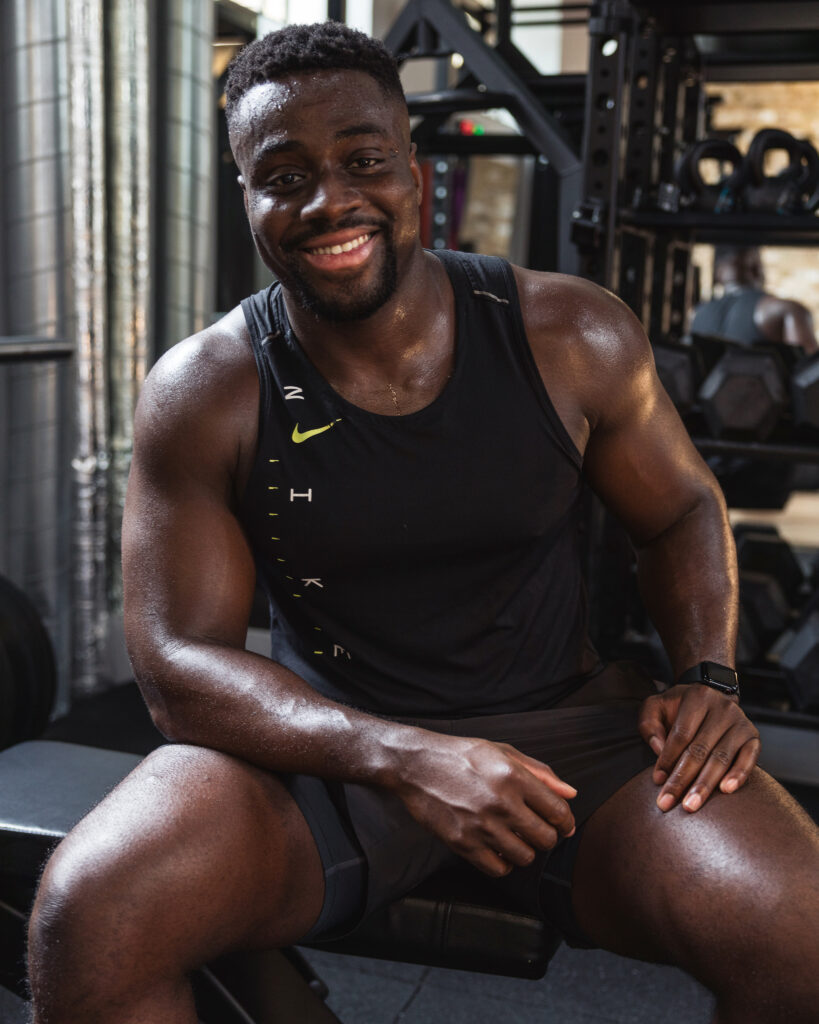
Smiling man in a black vest sitting on a gym bench

The Hybrid Approach That Actually Works

Here’s what ten years has taught me: most people don’t need a trainer forever. But almost everyone benefits from professional guidance at some point.

The sweet spot? Hybrid training.

Professional programming combined with independent execution. Structured guidance with personal flexibility.

Work with a trainer once or twice monthly for programme design, form refinement, and progression planning. Train independently the rest of the time following that structure. Expert oversight without the ongoing financial commitment of multiple weekly sessions.

Or start with intensive coaching for three months to build foundations, then transition to a well-designed programme you follow autonomously, with quarterly check-ins to adjust as you progress.

This model acknowledges a truth the traditional PT industry doesn’t like: the goal should be making clients increasingly independent, not increasingly dependent.

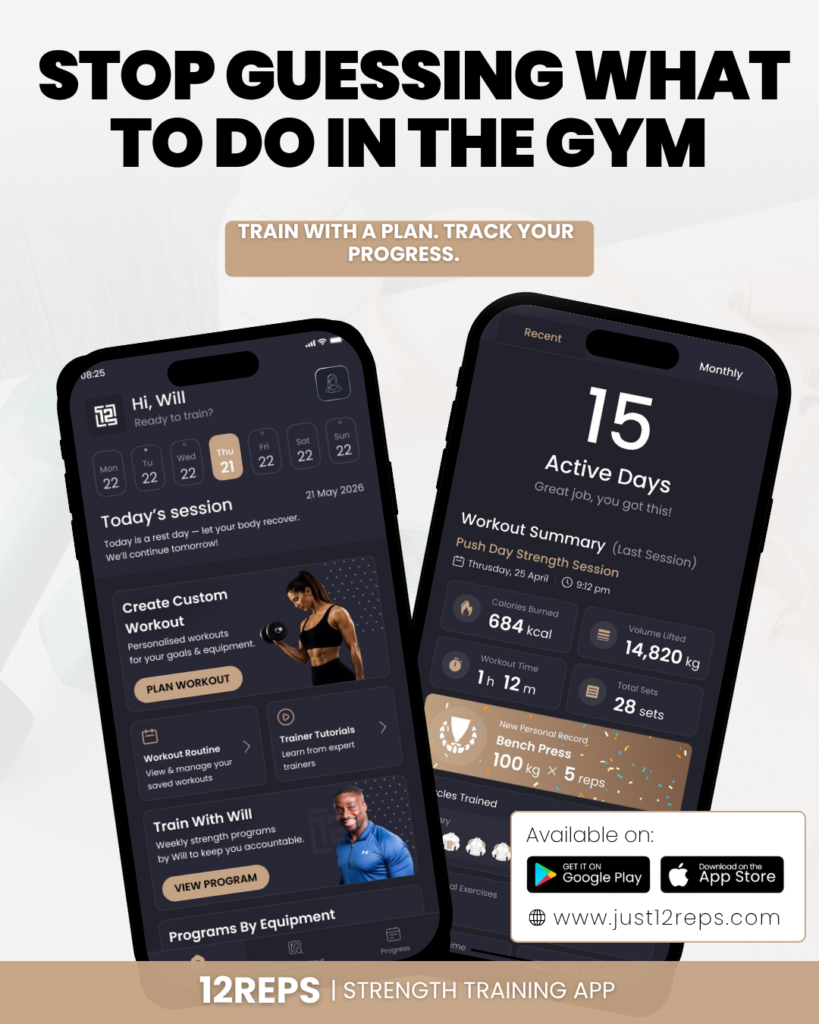
12REPS app screen with the text Weekly Programmes from Certified Trainers

The Questions You Should Actually Be Asking

Stop asking “do I need a personal trainer?” Start asking these instead:

Do I have a specific goal requiring expert programming? Building strength for sport, prepping for competition, rehabbing injury—these have technical demands that benefit from professional input.

Am I actually training consistently right now? If you can’t maintain a routine solo, a trainer might help. But if you’re not currently working out at all, be honest: will scheduling sessions change your behaviour, or just add guilt when you cancel?

Have I plateaued despite genuine effort? Stagnation despite consistency usually means a programming or technique issue. Professional guidance solves this quickly.

What’s my learning goal? Want to eventually train independently? Look for trainers who actively teach principles, not just count reps. Prefer ongoing coaching? Find someone you can work with long-term.

What’s my budget reality? Personal training in London runs £40-£100+ per session. At three sessions weekly, that’s £480-£1,200 monthly. Can you sustain this? If not, consider alternatives: small group training, monthly consultations, or structured programmes with occasional coaching.

personal trainer in lodnon

What About Fitness Apps and Online Training?

This comes up constantly. The honest answer: it depends what you need.

Fitness apps have become seriously sophisticated.

But apps can’t watch you squat and spot that you’re shifting to one side. They can’t adjust resistance mid-set based on how you’re moving that day. They can’t provide the same accountability as another human expecting you to show up.

The sweet spot? Use apps or online programmes as your primary training tool, with periodic in-person or virtual coaching to ensure technique stays sound and programming stays aligned with goals. Hybrid approach. Ongoing structure with strategic expert input. Best of both worlds without the full cost of either.

My Actual Recommendation

If you’re reading this trying to decide, here’s my straight advice based on hundreds of clients:

Start with professional guidance if:

  • You’re completely new to structured training
  • You’re dealing with injury or medical concerns
  • You’ve been stuck at the same level for months despite genuine effort
  • You’ve tried solo training multiple times and consistency evaporates
  • Consider alternatives if:

  • You’re already training consistently with decent results
  • You have solid exercise knowledge and mainly need structure
  • Budget is a significant constraint
  • You genuinely prefer the solo grind
  • And regardless of which path you choose, commit to learning the fundamentals. Understand why your programme is structured the way it is, not just what exercises to do. The goal should always be increasing competence and independence, whether that takes three months or three years.

    Woman pressing two dumbbells overhead in a gym

    The Bottom Line

    You don’t need a personal trainer to get fit. Millions have achieved incredible transformations training independently with solid programmes and genuine effort.

    But you might need one to get fit efficiently. To avoid injury. To break through plateaus. To actually maintain the consistency required for long-term success.

    Need versus benefit—that’s the difference that matters.

    Don’t hire a trainer because you feel you “should” or because the industry pressures you to. Hire one because you’ve identified a specific problem—lack of knowledge, poor technique, inadequate programming, missing accountability—that professional coaching will solve.

    If cost is a barrier, know that middle-ground options exist. The landscape has changed dramatically in the past five years. Quality programming, exercise libraries, and structured plans are more accessible than ever. The key is honestly assessing where you are, what you need, and what investment makes sense for your situation.

    After ten years doing this work, what I’ve learnt is that the best clients aren’t the ones who need me most. They’re the ones who use professional guidance strategically, learn actively, and ultimately become capable of training intelligently on their own.

    That’s the outcome I’m aiming for—whether someone works with me in person, follows a structured programme independently, or combines both to get the best of each.

    About Will Duru : BSc-qualified personal trainer with over 12 years of experience training clients in London.

    Related Articles:

  • How to Choose a Personal Trainer in London
  • Online Training vs In-Person: Which Is Right for You?
  • The Real Cost of Personal Training in London
  • Want a structured plan to follow between sessions? The 12REPS app has programmes I’ve written, with exercise demos and set-by-set tracking.

    The Ultimate 3-Day Advanced HIIT Workout for Maximum Fat Burn and Muscle Growth

    Woman doing a dumbbell exercise on a bench in a gym

    By Will Duru, BSc (Hons) Sport and Exercise Science

    As a personal trainer with over a decade of experience in strength training and recovery, I’ve seen countless fitness trends come and go. But one training method has consistently delivered incredible results for my clients: High-Intensity Interval Training (HIIT). When combined with strategic strength training, HIIT becomes a powerful tool for torching fat, building lean muscle, and achieving peak physical condition. My name is Will Duru, and I’m here to guide you through a 6-week advanced HIIT program designed to get you in the best shape of your life.

    This isn’t your average workout plan. This is a scientifically-backed, 3-day split that will push your limits and redefine what you thought was possible. We’ll combine explosive HIIT circuits with targeted strength training to create a powerful stimulus for fat burning and muscle building. This program is designed for individuals who are ready to elevate their fitness to the next level and achieve a lean, powerful physique.

    Man standing on a waterfront with city skyscrapers behind him

    Why HIIT is a Game-Changer for Fat Loss

    HIIT is a training method that involves short bursts of intense, all-out effort followed by brief recovery periods. This approach has been scientifically proven to be incredibly effective for fat loss, and for several key reasons:

    1. The Afterburn Effect (EPOC): One of the biggest advantages of HIIT is its ability to boost your metabolism for hours after your workout is over. This phenomenon, known as Excess Post-exercise Oxygen Consumption (EPOC), means your body continues to burn calories at an elevated rate long after you’ve left the gym. In fact, studies have shown that HIIT can burn 25-30% more calories than other forms of exercise [1]
     
    1. Time Efficiency: Let’s be honest, we’re all busy. HIIT workouts are incredibly time-efficient, allowing you to achieve a full-body workout and significant cardiovascular benefits in a fraction of the time required for traditional cardio. This makes it a sustainable option for those with demanding schedules.
    1. Hormonal Response: Intense exercise, such as HIIT, triggers a powerful hormonal response, including the release of growth hormone and adrenaline. These hormones play a crucial role in fat mobilisation, helping your body tap into stubborn fat stores for energy.
    Woman doing a dumbbell exercise on a bench in a gym

    The Power of Combining HIIT and Strength Training

    While HIIT is a fantastic tool for fat loss, combining it with strength training is where the real magic happens. This powerful duo creates a synergistic effect that accelerates your results and builds a well-rounded, athletic physique.

    Strength training builds and maintains lean muscle mass, which is metabolically active tissue. The more muscle you have, the more calories your body burns at rest. When you combine this with the intense calorie-burning effects of HIIT, you create a powerful fat-loss machine. As one study found, participants who engaged in high-intensity resistance training exercises experienced more significant strength improvements and greater fat loss compared to those doing medium-intensity workouts [2].

    This program is designed to give you the best of both worlds. We’ll use HIIT circuits to elevate your heart rate and torch calories, followed by targeted strength training exercises to build muscle and sculpt your physique. This approach ensures you’re not just losing weight, but building a strong, lean, and powerful body.

    Woman doing a step-up holding a dumbbell

    Your Digital Personal Trainer

    12REPS app exercise video screens with the text Create your routine, track your progress, see real results

    The 6-Week Advanced HIIT Workout Program

    This program is designed as a 3-day split, targeting different muscle groups and energy systems on each day. Remember to start each workout with a 1k run to warm up your body and prepare for the intensity to come.

    Understanding the Science Behind This Program

    The beauty of this advanced HIIT program lies in its strategic design. Each workout is carefully crafted to maximise both fat burning and muscle building through specific training principles:

    Progressive Overload: Throughout the 6 weeks, you’ll gradually increase the intensity, weight, or volume to ensure continuous adaptation and improvement. This principle is fundamental to both strength training and cardiovascular fitness.

    Metabolic Stress: The short rest periods and high-intensity nature of these workouts create significant metabolic stress, which triggers muscle growth and fat loss. Your body will be forced to adapt by becoming more efficient at burning fat and building lean muscle.

    Movement Variety: By incorporating different movement patterns—from explosive power movements like dumbbell snatches to grinding strength exercises like leg presses—we ensure your body never adapts completely, thereby maintaining consistent progress.

    Nutrition and Recovery for Maximum Results

    Remember that your results depend on more than just training. Proper nutrition and recovery are crucial components of any successful transformation.

    Hydration: HIIT workouts are incredibly demanding on your cardiovascular system. Ensure you’re drinking plenty of water before, during, and after your workouts. Dehydration can significantly impact performance and recovery.

    Post-Workout Nutrition: Within 30 minutes of completing your workout, consume a combination of protein and carbohydrates to support muscle recovery and replenish energy stores. This is when your body is most receptive to nutrients.

    Sleep Quality: Your body repairs and grows stronger during sleep. Aim for 7-9 hours of quality sleep each night to maximise the benefits of your training and support longevity.

    Tracking Your Progress

    Custom Workout Creation: Use the “Build Your Routine” feature to input each day’s workout exactly as outlined.

    Rest Period Timing: The precise 45-second and 1-minute rest periods are essential for the effectiveness of this program.

    Progress Tracking: Document your weights, reps, and your feelings after each workout. This data becomes invaluable for adjusting the program and seeing your progress over the 6 weeks.

    Day 1: Full Body Power

    Exercise

    Reps

    Rounds

    Rest

    Dumbbell Snatch

    16 (8 per side)

    4

    45 seconds

    Dumbbell Reverse Lunges

    16 (8 per side)

    4

    45 seconds

    Bodyweight Press/Knee Press

    10

    4

    45 seconds

    Session 1: Strength Focus

    Exercise

    Sets

    Reps

    Weight

    Leg Press

    5

    15

    50-100kg

    Leg Curl

    4

    12

    Moderate

    Leg Extension

    4

    20

    Light

    Dumbbell Glute Bridge

    4

    15

    30kg

    Dumbbell RDL

    4

    12

    Moderate

    Session 2: HIIT Circuit

    Exercise

    Reps

    Rounds

    Rest

    Airbike

    10 calories

    4

    45 seconds

    Plank Twisting

    30

    4

    45 seconds

    Kettlebell Gorilla Row

    16 (8 per hand)

    4

    45 seconds

    Session 1: Strength Focus

    Exercise

    Sets

    Reps

    Weight

    Lat Pulldown

    4

    12

    Moderate

    Machine Chest Press

    4

    12

    Moderate

    Machine Assisted Pull-ups

    4

    8-10

    As needed

    Session 2: HIIT Circuit

    Exercise

    Reps

    Rounds

    Rest

    Rowing

    200 meters

    4

    45 seconds

    Dumbbell Goblet Squats

    10

    4

    45 seconds

    Chest to Floor Burpees/Knee Press-ups

    10

    4

    45 seconds

    Finisher

    Exercise

    Reps

    Rounds

    Rest

    Sledge Push

    20 meters

    4

    1 minute

    Kettlebell Farmer’s Carry

    20 meters

    4

    1 minute

    200-meter Run

    1

    4

    1 minute

    Your Transformation Awaits

    This 6-week advanced HIIT program is designed to be challenging, but the results will be worth it. By combining the power of HIIT with strategic strength training, you’ll unlock a new level of fitness, burn stubborn fat, and build a lean, powerful physique.

    12REPS app exercise video screens with the text Download the 12REPS App Now

    References

    [1] Healthline. (2025). 7 Benefits of High Intensity Interval Training (HIIT). https://www.healthline.com/nutrition/benefits-of-hiit

    [2] ISSA. (2024). HIIT and Strength Training – Should You Do Both?. https://www.issaonline.com/blog/post/hiit-and-strength-training-should-you-do-both

    Want a structured plan to follow between sessions? The 12REPS app has programmes I’ve written, with exercise demos and set-by-set tracking.

    The Ultimate 3-Day Strength Training Split for Women: A Beginner’s Guide to Building Muscle

    Woman doing a step-up holding a dumbbell

    By Will Duru, BSc (Hons) Sport and Exercise Science

    As a personal trainer with over a decade of experience, I’ve seen firsthand how strength training for women can be a life-changing journey. It’s not just about lifting weights; it’s about building confidence, resilience, and a body that’s as strong as your mind. My name is Will Duru, and I’m here to guide you through the ultimate 3-day strength training split for women, a program designed to build dense, lean muscle, boost your productivity, and get you in the best shape of your life.

    I’ve worked with countless women who were initially hesitant to start strength training. They were worried about being perceived as “bulky,” felt intimidated by the gym, or simply didn’t know where to start. But once they embraced a structured women’s workout routine, the transformation was incredible. They not only lost fat and built lean muscle, but they also discovered a newfound sense of empowerment that carried over into every aspect of their lives.

    This guide is for you—the woman who is ready to take control of her health and unlock her full potential. We’ll cover everything from the importance of strength training to a detailed 12-week program, all designed to be simple, effective, and easy to follow.

    Woman doing a squat in a bright room

    Why a 3-Day Split is Perfect for Women

    One of the biggest mistakes I see is overtraining. More is not always better, especially when you’re starting out. A 3-day strength training split for women is the perfect frequency for several reasons:

    • Optimal Recovery: It allows for 48-72 hours of rest between sessions, which is crucial for muscle repair and growth [1].
    • Prevents Burnout: A 3-day routine is sustainable and fits into a busy schedule, reducing the risk of burnout.
    • Maximises Results: It provides enough stimulus to build muscle and strength without the negative effects of overtraining, such as fatigue and increased injury risk.

    The Morning Workout Advantage: Productivity and Mental Calm

    I’m a huge advocate for morning workouts, especially for busy women. Starting your day with a challenging women’s workout routine does more than just burn calories; it sets the tone for the entire day.

    “Exercise has been shown to have a positive impact on cognitive function, including memory, attention, and problem-solving skills. It can also help to reduce stress and anxiety, leading to a more positive and productive work environment.” [2]

    When you conquer a tough workout first thing in the morning, you’re proving to yourself that you can do hard things. This floods your brain with endorphins, creating a sense of mental clarity and calm that will make you unstoppable at work. I’ve seen clients go from feeling overwhelmed and stressed to being focused, productive, and in control, all thanks to a 45-minute morning strength session.

    Woman doing a jumping exercise outdoors beside a concrete wall
    12REPS app screens with the headline Build the Perfect Strength Workout

    Nutrition: The Fuel for Your Transformation

    You can’t out-train a bad diet. Nutrition is the cornerstone of building muscle and losing fat. Let’s break it down simply.

    • Protein: The building blocks of muscle. Aim for 1.6-2.2g per kg of body weight.
    • Fats: Essential for hormone production and overall health. Aim for 0.8-1.0g per kg of body weight.
    • Carbohydrates: Your body’s primary fuel source. These will fill the rest of your daily calorie needs.

    Nutrition Scenarios:

    Here are two common scenarios. Use these as a starting point and adjust based on your progress.

    Scenario 1: 55kg Woman Wants to Gain 10kg of Muscle

    To gain muscle, you need to be in a slight calorie surplus (eating more calories than you burn).

    • Calories: ~2,300 kcal
    • Protein: 110g (440 kcal)
    • Fats: 55g (495 kcal)
    • Carbohydrates: 366g (1,465 kcal)

    Scenario 2: 80kg Woman Wants to Lose 10kg of Body Fat

    To lose fat, you need to be in a calorie deficit (eating fewer calories than you burn).

    • Calories: ~2,100 kcal
    • Protein: 160g (640 kcal)
    • Fats: 64g (576 kcal)
    • Carbohydrates: 221g (884 kcal)

    The 12-Week Beginner Program

    This program is designed to build a solid foundation of strength and muscle. It’s split into two 6-week phases. We will focus on simple and effective exercises, avoiding overly complex movements.

    The Warm-Up (Perform before every workout)

    A proper warm-up is non-negotiable. It prepares your body for the work to come and helps prevent injuries.

    Activity

    Duration

    Incline Treadmill Walk, Rower, or Cycle

    10-15 minutes

    World’s Greatest Stretch

    5 reps per side

    Cat-Cow

    10 reps

    Bodyweight Squats

    15 reps

    Now, let’s get to the workouts.

    Phase 1 (Weeks 1-6): Foundation Building

    This phase focuses on learning proper movement patterns and building a base level of strength. We’ll use single sets to allow you to focus on technique.

    Day 1: Upper Body Focus

    Exercise

    Sets

    Reps

    Weight

    Rest

    Dumbbell Chest Press

    1 warm-up + 4 working

    10-12

    Start light, progress weekly

    90 seconds

    TRX Rows

    1 warm-up + 4 working

    10-12

    Bodyweight

    90 seconds

    Dumbbell Shoulder Press

    1 warm-up + 4 working

    10-12

    Light to moderate

    90 seconds

    Kettlebell Single-Arm Row

    1 warm-up + 4 working

    10-12 per arm

    Moderate weight

    90 seconds

    Machine Chest Press

    1 warm-up + 4 working

    10-12

    Light to moderate

    90 seconds

    Day 2: Lower Body Focus

    Exercise

    Sets

    Reps

    Weight

    Rest

    Dumbbell Goblet Squats

    1 warm-up + 4 working

    10-12

    Moderate weight

    2 minutes

    Dumbbell Romanian Deadlifts

    1 warm-up + 4 working

    10-12

    Moderate weight

    2 minutes

    Dumbbell Lunges

    1 warm-up + 4 working

    10-12 per leg

    Light to moderate

    90 seconds

    Kettlebell Swings

    1 warm-up + 4 working

    15-20

    Moderate weight

    90 seconds

    Machine Leg Press

    1 warm-up + 4 working

    10-12

    Moderate weight

    2 minutes

    Day 3: Full Body Focus

    Exercise

    Sets

    Reps

    Weight

    Rest

    TRX Push-Ups

    1 warm-up + 4 working

    8-12

    Bodyweight

    90 seconds

    Dumbbell Bent-Over Row

    1 warm-up + 4 working

    10-12

    Moderate weight

    90 seconds

    Dumbbell Thrusters

    1 warm-up + 4 working

    10-12

    Light to moderate

    2 minutes

    Sled Push

    1 warm-up + 4 working

    20 meters

    Light to moderate

    2 minutes

    TRX Plank

    1 warm-up + 4 working

    30-45 seconds

    Bodyweight

    90 seconds

    Studio portrait of a woman holding a dumbbell

    Main Exercises:

    Exercise

    Sets

    Reps

    Weight

    Rest Period

    Dumbbell Chest Press

    1 warm-up + 4 working

    8-10

    Increase from Phase 1

    2 minutes

    TRX Rows

    1 warm-up + 4 working

    8-10

    Bodyweight

    2 minutes

    Dumbbell Shoulder Press

    1 warm-up + 4 working

    8-10

    Increase from Phase 1

    2 minutes

    Kettlebell Single-Arm Row

    1 warm-up + 4 working

    8-10 per arm

    Increase from Phase 1

    2 minutes

    Machine Chest Press (Drop Set)

    1 warm-up + 4 working

    8-10, then drop weight for 5-8 more

    Heavy to moderate

    2 minutes

    Superset A (Perform exercises back-to-back):

    Exercise

    Sets

    Reps

    Weight

    Rest Period

    Dumbbell Flyes

    4

    10-12

    Light to moderate

    No rest between exercises

    TRX Face Pulls

    4

    12-15

    Bodyweight

    90 seconds after superset

    Superset B:

    Exercise

    Sets

    Reps

    Weight

    Rest Period

    Dumbbell Lateral Raises

    4

    12-15

    Light weight

    No rest between exercises

    Dumbbell Bicep Curls

    4

    10-12

    Moderate weight

    90 seconds after superset

    Main Exercises:

    Exercise

    Sets

    Reps

    Weight

    Rest Period

    Dumbbell Goblet Squats

    1 warm-up + 4 working

    8-10

    Increase from Phase 1

    2 minutes

    Dumbbell Romanian Deadlifts

    1 warm-up + 4 working

    8-10

    Increase from Phase 1

    2 minutes

    Dumbbell Bulgarian Split Squats

    1 warm-up + 4 working

    8-10 per leg

    Moderate weight

    2 minutes

    Kettlebell Swings

    1 warm-up + 4 working

    20-25

    Increase from Phase 1

    2 minutes

    Machine Leg Press (Drop Set)

    1 warm-up + 4 working

    8-10, then drop weight for 5-8 more

    Heavy to moderate

    2 minutes

    Superset A:

    Exercise

    Sets

          Reps

    Weight

    Rest Period

    Dumbbell Lunges

    4

    10-12 per leg

    Moderate weight

    No rest between exercises

    TRX Jump Squats

    4

    10-15

    Bodyweight

    90 seconds after superset

    Superset B:

    Exercise

    Sets

    Reps

    Weight

    Rest Period

    Dumbbell Calf Raises

    4

    15-20

    Moderate weight

    No rest between exercises

    TRX Single-Leg Glute Bridge

    4

    10-12 per leg

    Bodyweight

    90 seconds after superset

    Main Exercises:

    Exercise

    Sets

    Reps

    Weight

    Rest Period

    TRX Push-Ups

    1 warm-up + 4 working

    6-10

    Bodyweight

    2 minutes

    Dumbbell Bent-Over Row

    1 warm-up + 4 working

    8-10

    Increase from Phase 1

    2 minutes

    Dumbbell Thrusters

    1 warm-up + 4 working

    8-10

    Increase from Phase 1

    2 minutes

    Sled Push

    1 warm-up + 4 working

    30 meters

    Increase from Phase 1

    2 minutes

    Machine Lat Pulldown (Drop Set)

    1 warm-up + 4 working

    8-10, then drop weight for 5-8 more

    Heavy to moderate

    2 minutes

    Superset A:

    Exercise

    Sets

      Reps

    Weight

    Rest Period

    TRX Plank

    4

      45-60 seconds

    Bodyweight

    No rest between exercises

    Kettlebell Russian Twists

    4

      20 total

    Light weight

    90 seconds after superset

    Superset B:

    Exercise

    Sets

    Reps

    Weight

    Rest Period

    Dumbbell Tricep Extensions

    4

    10-12

    Light to moderate

    No rest between exercises

    TRX Tricep Press

    4

    8-12

    Bodyweight

    90 seconds after superset

    12REPS app workout screens on two phones
  • Select “Custom Workout”
  • Add each exercise from the tables above
  • Set your target sets, reps, and rest periods
  • Use the built-in stopwatch to time your rest periods perfectly
  • Track your weights and progress automatically
  • Plan your workouts ahead of time for the week
  • Trainer showing a woman her training plan on a tablet in the gym

    The Science of Strength Training and Longevity

    Strength training for women isn’t just about looking good; it’s about living longer and better. Research shows that regular resistance training can increase lifespan, improve bone density, enhance cognitive function, and reduce the risk of chronic diseases [3]. This is why I call strength training the ultimate longevity practice.

    When you build muscle, you’re not just changing your appearance; you’re investing in your future self. Muscle tissue is metabolically active, meaning it burns calories even at rest. This helps maintain a healthy weight and metabolism as you age. Additionally, the discipline and mental toughness you develop in the gym translates to every area of your life.

    Overtraining: Why Less Can Be More

    One of the biggest mistakes I see women make is thinking they need to train every day to see results. This couldn’t be further from the truth. Overtraining can actually hinder your progress by:

  • Increasing cortisol levels, which can lead to fat storage
  • Suppressing your immune system
  • Causing chronic fatigue and mood swings
  • Increasing injury risk
  • A 3-day strength training split for women provides the perfect balance of stimulus and recovery. Your muscles don’t grow in the gym; they grow during rest. This program gives your body the time it needs to repair, rebuild, and come back stronger.

    Your Transformation Starts Now

    This 12-week program is just the beginning of your journey. It’s designed to build a solid foundation of strength, teach you proper movement patterns, and help you develop the habit of consistent training. By the end of these 12 weeks, you’ll be stronger, more confident, and ready to take on more advanced challenges.

    Remember, every rep counts. Every workout matters. Every day you choose to invest in yourself is a day you’re building the person you want to become.

    Your strongest, most productive, and calmest self is waiting. It’s time to meet her.

    References

    [1] Harvard Health Publishing. (2019). Should you try kettlebells? https://www.health.harvard.edu/blog/should-you-try-kettlebells-2019021916025

    [2] UCHealth. (2025). What women need to know about strength training. https://www.uchealth.org/today/what-women-need-to-know-about-strength-training/

    [3] PubMed Central. (2017). Strength Training for Women as a Vehicle. https://pmc.ncbi.nlm.nih.gov/articles/PMC5523796/

    Want a structured plan to follow between sessions? The 12REPS app has programmes I’ve written, with exercise demos and set-by-set tracking.

    Strength Training for 50-Year-Old Women: A Simple Guide

    Woman doing a press-up holding dumbbells on a gym floor

    By Will Duru, BSc (Hons) Sport and Exercise Science, Award-winning Personal Trainer

    Age is Just a Number: Ten Years of Helping Women Get Strong

    For over ten years, I’ve worked as a personal trainer in the City of London. In that time, I’ve seen something amazing happen. Women are changing how they think about fitness. They’re not just trying to get smaller anymore. They want to get stronger, more able, and more powerful. And the best way to do this? Strength training.

    I’ve helped many women get in shape through strength training. We’ve set all kinds of goals together. Some wanted to squat their own body weight for the first time. Others wanted to do their first proper press-up. We’ve worked on deadlifting their body weight, pushing their weight on the sledge, and building the strength to run a 10k, half-marathon, and even a full marathon. I have seen women do it all. The secret behind every success? Building strength.

    I always tell my clients that age is just a number in the gym. When you are strong and fit, you can challenge yourself and push your limits. You can do things you never thought possible. This isn’t just nice words – it’s something I see every day. Take my client, Markia. When she first came to me, her goals were small. But as she got stronger, her confidence grew. We worked towards a big goal: deadlifting 1.7 times her own body weight. The day she lifted 100kg from the floor for one rep, her face lit up with pure joy. She told me the feeling was amazing. In that moment, she wasn’t just a woman in her 50s. She was as strong as the young men and women in the gym.

    This is what strength training can do. It’s not just about bigger muscles. It’s about a bigger life. It’s about feeling confident, taking on new challenges, and living your best life, no matter how old you are.

    Studio photo of a woman holding a kettlebell

    Why Strength Training Matters in Your 50s

    As we get older, our bodies change. One big change is that we lose muscle and strength. This is called sarcopenia. Research shows that muscle and strength peak around age 30 to 35. After that, they slowly get weaker. This gets faster after age 65 for women. This affects how we move, our balance, and how we feel [1]. But here’s the good news: this doesn’t have to happen. Strength training can stop and even reverse these changes.

    A 2023 study looked at women in their 40s and 50s, both before and after menopause. The study found that 20 weeks of weight training were safe and effective for all women. It made them stronger. While women after menopause might need to train more to build muscle, the message is clear: strength training works at any age [2].

    Why Lift at 50? The Big Benefits

    Build and Keep Muscle to Stay Strong for Daily Life. Every day, you need to carry bags, climb stairs, play with kids, and stay independent. Strength training makes sure you keep the muscles you need for all these things.

    Support Bone Health and Reduce Fall Risk. Weight training tells your bones to stay strong. This is particularly important for women after menopause, when bones can become weak rapidly. Strong muscles and bones mean fewer falls and breaks.

    Better Joints and Posture Strong muscles support your joints and help you stand tall. This means less pain and better movement.

    More Energy, Better Sleep, and Happier Mood I think this matters most day to day. Regular strength training helps you sleep better, gives you more energy, and makes you feel happier. When you feel strong, it shows in everything you do.

    Smiling woman in sunglasses wearing pink workout clothes

    Is Strength Training Safe at 50?

    Yes! When done correctly, strength training is a very safe activity. Here’s how to stay safe:

    Use Good Form and Go Slow Good technique is more important than heavy weights. Perfect form with light weights is always better than bad form with heavy weights. Every rep is a chance to get better at the movement.

    Start Light and Add Weight Slowly. Begin with weights that feel easy. Only add more weight when your current reps feel steady and don’t hurt. Your body will get stronger quickly when you give it the right challenge and enough rest.

    Always Warm Up: Spend 5-8 minutes warming up before each workout. Move the joints you’ll be training. Get your heart rate up slowly. This simple step cuts injury risk and helps you perform better.

    Smart Training for Women Over 50

    Training through menopause needs a smart approach. Here’s what works best:

    Eat Protein at Most Meals. Protein becomes more important as we age. Try to get 25-35 grams of good protein at each meal. Think eggs at breakfast, chicken or fish at lunch, and beans or lean meat at dinner. Steady protein throughout the day gives your muscles what they need to repair and grow.

    Think About Creatine: Creatine can help with strength and recovery. Taking 3-5 grams daily has been shown to improve power and reduce tiredness. It’s one of the most studied supplements and is very safe.

    Focus on Sleep and Stress Recovery happens when you’re not in the gym. Good sleep is when the real magic happens. Aim for 7-9 hours of good sleep each night. Find ways to manage stress like walking, reading, or doing things you enjoy. Too much stress can hurt both muscle building and fat loss.

    How to Plan Your Strength Training

    From my experience training beginners, I suggest starting with bodyweight exercises, resistance bands, and mobility work. Why? These help you build basic strength while learning how your body moves and what muscle work feels like. This knowledge is the base for all future training success.

    Here’s your 6-week program to get started.

    Woman doing a press-up holding dumbbells on a gym floor

    How to Plan Your Strength Training

    Based on my experience training beginners, I recommend starting with bodyweight exercises, resistance bands, and mobility exercises. Why? These help you build basic strength while learning how your body moves and what muscle work feels like. This knowledge is the basis for all future training success.

    Here’s your 6-week program to get started.

    What to Train: The Basic Movements

    Squat Pattern: Learn to sit and stand from a chair, then move to squats. This helps with stairs, getting up from chairs, and maintaining leg strength.

    Hip Hinge Pattern Start with basic hip hinges, then try deadlifts with light weights. This protects your back and makes your backside stronger.

    Push Movements Begin with wall push-ups, then work up to knee push-ups and regular push-ups. These build upper body strength for pushing things.

    Pull Movements Focus on rowing exercises to strengthen your back and improve posture. These help fight the forward head position from looking at screens.

    Carry Exercises: Farmer carries improve grip strength and core stability. They’re like carrying shopping or luggage.

    Balance Training: Standing on one leg and walking heel-to-toe improves balance and reduces fall risk.

    Workout 1: Lower Body and Core Focus

    Exercise

    Sets

    Reps

    Rest

    Bodyweight Squats

    4

    12-15

    45 seconds

    Mini Loop Band Crab Walk

    4

    30 seconds

    45 seconds

    Bodyweight Reverse Lunges

    4

    10 each leg

    45 seconds

    Bodyweight Glute Bridge

    4

    15

    45 seconds

    Plank/Knee Plank

    3

    30 seconds hold

    45 seconds

    Finisher (to get your heart rate up): – 10 Bodyweight Squats – 10 Reverse Lunges (each leg) – 30 seconds Jogging on the spot

    Do 3 rounds with 30 seconds rest after each round

    Workout 2: Upper Body and Core Focus

    Exercise

    Sets

    Reps

    Rest

    Resistance Band Bicep Curl

    4

    12

    45 seconds

    Loop Band Bent Over Row

    4

    12

    45 seconds

    Knee Press-ups

    3

    12

    45 seconds

    Loop Band Chest Press

    4

    15

    45 seconds

    Bodyweight Walking Lunges

    4

    8 each leg

    45 seconds

    Plank/Knee Plank

    3

    30 seconds hold

    45 seconds

    How to Progress Through the Program

    Week 1-2: Learning Phase Focus only on doing the exercises right. If something feels too hard, make it easier. Do squats to a chair or wall push-ups instead of knee push-ups. The goal is to learn the movements and feel confident.

    Week 3-4: Getting Better Phase Start to challenge yourself a bit more. If you can do all the reps with perfect form, try adding 2-3 more reps to each set or hold positions for 5-10 seconds longer.

    Week 5-6: Getting Stronger Phase This is where you’ll really feel strong. You might go from knee push-ups to full push-ups, or from bodyweight squats to holding a light weight. Listen to your body and progress at a pace that feels challenging but doable.

    The Mental Change: From “I Can’t” to “I Can”

    One of the biggest changes I see in my clients isn’t physical – it’s mental. When you start strength training in your 50s, you’re not just building muscle. You’re breaking down old beliefs about what you can do. Every weight lifted, every rep done, every personal best is proof that you are stronger than you thought.

    The gym becomes a place to learn about yourself. The discipline you build in training helps in other parts of your life. The confidence you get from lifting weights shows up in work, social situations, and relationships. The toughness you develop pushing through hard workouts prepares you for life’s challenges.

    This is why I love strength training for women over 50. It’s not just about the physical benefits – though they are huge and life-changing. It’s about taking back your power, changing what you think is possible, and refusing to believe that your best years are behind you. Your 50s can be the start of your strongest, most confident decade yet.

    Remember, every expert was once a beginner. Every strong woman was once weak. Every confident person was once full of doubt. The only difference between where you are now and where you want to be is the choice to start and the commitment to keep going. Your journey to strength begins with one step, one rep, one decision to invest in yourself.

    The weights are waiting. Your stronger self is waiting. The only question is: are you ready to meet her?

    Getting Started: Your First Steps

    Starting can feel scary, but it doesn’t have to be. Here are some simple steps to begin:

  • Start at Home: You don’t need a gym to begin. Use the bodyweight exercises in this program. All you need is a small space and maybe a resistance band.
  • Listen to Your Body: Some muscle soreness is normal, but sharp pain is not. If something hurts, stop and check your form or try an easier version.
  • Be Patient: Results take time. You might feel stronger in 2-3 weeks, but visible changes take 6-8 weeks. Trust the process.
  • Track Your Progress: Write down what you do each workout. Seeing your progress on paper is very motivating.
  • Get Help if Needed: If you’re unsure about anything, consider working with a qualified trainer for a few sessions to learn the basics.
  • The Science Made Simple

    Research shows that strength training can: – Slow down muscle loss by up to 50% – Increase bone density by 1-3% per year – Improve balance and reduce fall risk by 25-30% – Boost metabolism for up to 24 hours after training – Improve sleep quality and mood

    These aren’t just numbers – they represent real improvements in your daily life. Better balance means more confidence walking on uneven surfaces. Stronger muscles mean carrying groceries is easier. Better bone density means less worry about fractures.

    Your New Chapter Starts Now

    Your 50s don’t have to be about slowing down. They can be about speeding up, getting stronger, and becoming the best version of yourself. Strength training isn’t just exercise – it’s an investment in your future self. Every workout is a deposit in your health bank account.

    The woman who starts this program today will be different from the woman who finishes it in 6 weeks. She’ll be stronger, more confident, and ready for whatever life brings. That woman is waiting for you to take the first step.

    Don’t wait for the perfect time. Don’t wait until you feel ready. Don’t wait until you have all the equipment. Start where you are, with what you have, right now. Your future self will thank you for beginning today.

    The journey of a thousand miles begins with a single step. Your journey to strength begins with a single rep. Are you ready to take it?

    Want a structured plan to follow between sessions? The 12REPS app has programmes I’ve written, with exercise demos and set-by-set tracking.

    Five 12REPS app screens side by side

    Lose Fat and Build Muscle with Strength Training

    Smiling personal trainer in a blue top in a gym

    Many people think fat loss means endless cardio. It doesn’t have to. Strength training, plus sensible eating, helps you keep muscle while you lose fat, so you end up leaner rather than just lighter.

    Why strength training helps

    • It helps you hold on to muscle while you eat a little less.
    • Muscle makes everyday tasks easier as you get older.
    • Progress is easy to measure: more weight, more reps.

    What you don’t need

    • Hours in the gym every day.
    • A crash diet.
    • Workouts you hate.
    You need a plan you can follow and someone to keep you on track.

    How I can help

    I’m Will Duru. I’ve worked in fitness for over 12 years and hold a BSc (Hons) in Sport and Exercise Science. I coach one-to-one at my private studio in Fitzrovia (W1T 3DN), or at your home if you have the equipment.
    1. Free consultation. We talk about your goals and your schedule.
    2. Your programme. Built around strength training and realistic nutrition habits.
    3. Regular reviews. We track progress and adjust.

    Sessions are £150 each once a week, or £130 each two or three times a week. Sign up for a package and you also get a year’s free access to the 12REPS app, so you can log your workouts between sessions.

    Book a free consultation to talk through your goals and your week.

    Trainer and woman looking at a tablet together in a gym

    Training in a Private Studio: What Changes

    Trainer showing a woman her plan on a tablet in a gym

    Crowded gyms, waiting for equipment and feeling watched put a lot of people off training. A private studio removes all three.

    I’m Will Duru. I coach one-to-one at my private studio in Fitzrovia (W1T 3DN). I work mainly with busy professionals who want to train well without the noise of a commercial gym.

    What you get in a private studio

    • A quiet, focused space.
    • No waiting for equipment.
    • A coach watching every rep.
    • No audience while you learn.

    What a session involves

    Each session follows your programme. We warm up, work on your main lifts with close coaching, then add the supporting exercises for your goals. We also talk about what’s happening outside the gym, like sleep, stress and food, because it all affects how you train.

    Getting started

    Sessions are £150 each if you train once a week, or £130 each if you train two or three times a week. Sign up for a package and you also get a year’s free access to the 12REPS app, so you can log your workouts between sessions. If you’d rather train at home, I can come to you when you have the equipment or a private gym.

    Book a free consultation to talk through your goals and your week.

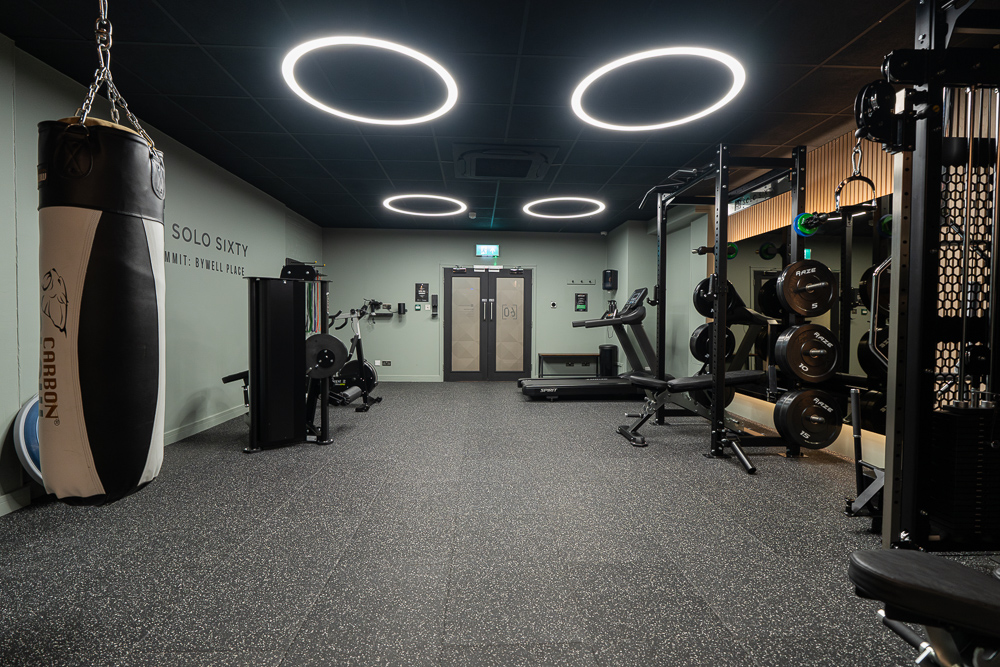
    Private gym studio with a treadmill and exercise bike under ring lights
    Private gym studio with weights and machines under ring lights
    Trainer and woman looking at a tablet together in a gym

    Why Your Gym Routine Stalls, and How Structure Fixes It

    Trainer coaching a woman through a barbell deadlift

    Most people join a gym to get fitter, lose weight or build muscle. A few weeks later, progress slows and motivation drops. Usually the problem isn’t effort. It’s the lack of a plan.

    Private gym studio with a treadmill and exercise bike under ring lights

    Why you're not making progress

    • Copying routines from social media.
    • Using machines you’re not sure how to set up.
    • Skipping sessions when work gets busy.
    Random workouts give random results.
    Private gym studio with weights and machines under ring lights

    What structure gives you

    • A plan built around your goals.
    • Feedback on your technique as you lift.
    • A fixed appointment you’re less likely to skip.
    • A record of what you lifted, so you know when to add weight.

    Where we train

    I coach one-to-one at my private studio in Fitzrovia (W1T 3DN). I can also train you at home if you have the equipment or a private gym in your building.

    Private gym studio with a punch bag and weights

    How we start

    1. Free consultation. We talk through your goals, training history and schedule.
    2. Your programme. I write a plan around your needs.
    3. Regular reviews. We track progress and adjust as you go.

    Your next step

    Sessions are £150 each once a week, or £130 each two or three times a week. Sign up for a package and you also get a year’s free access to the 12REPS app, so you can log your workouts between sessions.

    Book a free consultation to talk through your goals and your week.

    Trainer and woman looking at a tablet together in a gym