How Many Times a Week Should You Work Out? A Personal Trainer’s Answer

7 Workout Mistakes Beginners Make (That I See Every Week)

“How many times a week should I train?”

I get asked this daily.

And the answer people want—a simple number they can follow—isn’t the answer that’ll actually help them.

Because the right training frequency depends on: your current fitness level, your specific goals, your recovery capacity, your lifestyle constraints, and what you can sustain long-term without burning out.

After a decade programming training for hundreds of clients in London, I’ve learned that frequency matters far less than most people think. Consistency matters far more.

Here’s how to work out what frequency actually makes sense for you—based on reality, not theory.

The Hybrid Approach That Actually Makes Sense

The Short Answer (That's Actually Useless)

Most fitness advice says: “3-5 times weekly for general fitness.”

Technically true. Completely unhelpful.

Because that range is so broad it tells you nothing actionable. Three sessions versus five is a massive difference in time commitment, recovery demands, and lifestyle impact.

And it ignores the more important question: three times weekly doing what? Five times weekly at what intensity?

A proper answer requires context.

Training Frequency Based on Your Actual Goals

Let me break this down by what you’re actually trying to achieve, not what generic fitness articles claim.

Goal: General Fitness and Health

Minimum effective dose: 2-3 sessions weekly

If your goal is maintaining health, feeling good, having energy, and not being sedentary—two to three quality sessions weekly is genuinely enough.

Two strength sessions plus daily walking or light activity covers most health markers. You don’t need to live in the gym to be healthy.

Client example: Margaret came to me at 52, completely sedentary, wanting to “just feel better and have more energy.” We started with two 45-minute sessions weekly focusing on basic strength movements and mobility work.

Six months later: improved bone density markers, lower resting heart rate, better sleep, more energy throughout the day. She never trained more than twice weekly. Didn’t need to.

Goal: Building Muscle

Optimal frequency: 3-5 sessions weekly

To build muscle effectively, you need:

  • Adequate stimulus per muscle group (volume)
  • Sufficient frequency to hit muscles multiple times weekly
  • Enough recovery between sessions

This typically means 3-5 sessions depending on how you split training:

  • 3x full-body: hits everything three times weekly
  • 4x upper/lower split: hits everything twice weekly
  • 5-6x push/pull/legs: hits everything twice weekly with more volume

More than six sessions weekly and you’re probably compromising recovery unless you’re very experienced or using pharmaceutical assistance.

Client example: Daniel wanted to build visible muscle. Started with three full-body sessions weekly. Made good progress for four months, then stalled.

We switched to four-day upper/lower split, increasing overall volume whilst maintaining adequate recovery. Progress resumed immediately. Four days was his sweet spot for muscle growth.

How Many Times a Week Should You Work Out? A Personal Trainer's Answer

Goal: Fat Loss

Optimal frequency: 3-4 sessions weekly

Fat loss happens primarily through nutrition—caloric deficit sustained over time.

Training supports fat loss by:

  • Preserving muscle mass during deficit
  • Increasing daily energy expenditure
  • Improving insulin sensitivity

You don’t need to train six days weekly to lose fat. You need consistent training 3-4 times weekly combined with appropriate nutrition.

More training doesn’t mean more fat loss. It often means more hunger, more fatigue, and lower adherence.

Client example: Sarah wanted to lose 12kg. Started training six days weekly thinking more would accelerate results.

She was exhausted, constantly hungry, sleep suffered, stress increased. After six weeks, she’d lost 2kg and was miserable.

We dropped to three strength sessions weekly, added daily walking, focused on nutrition consistency. Next six weeks: 5kg lost, felt better, sustainable approach.

Goal: Strength Development

Optimal frequency: 3-5 sessions weekly

Building serious strength requires frequent practice of heavy compound movements whilst managing fatigue carefully.

Most strength programmes run 3-4 days weekly with higher intensity, lower volume per session. Some advanced lifters use 5-6 days with carefully managed intensity distribution.

Beginners building strength: 3 full-body sessions is ideal Intermediate lifters: 4-5 sessions with upper/lower or push/pull/legs splits Advanced lifters: 4-6 sessions with periodised intensity

Client example: Tom wanted to hit specific strength benchmarks (100kg bench, 140kg squat, 180kg deadlift). We programmed four sessions weekly focusing on heavy compounds with adequate recovery.

Eighteen months later: hit all three targets. Never trained more than four days weekly. Frequency was sufficient; intensity and progression mattered more.

Goal: Athletic Performance

Optimal frequency: 4-6+ sessions weekly

Athletes training for specific sports often need higher frequency because they’re developing multiple qualities: strength, power, conditioning, sport-specific skills.

But this is typically periodised—not maximum intensity every session. High-frequency training for athletes involves strategic variation in intensity and volume.

This doesn’t apply to most people reading this. Unless you’re competing in a sport, athletic training protocols are excessive for general fitness goals.

best personal training in london

Training Frequency Based on Experience Level

Your training age matters as much as your goals.

Complete Beginners (0-6 Months Training)

Start with: 2-3 sessions weekly

Your body isn’t adapted to training stimulus yet. You’ll get sore easily. Recovery takes longer. Neural adaptations happen rapidly, so you don’t need massive volume to progress.

Two to three full-body sessions weekly provides:

  • Adequate stimulus for adaptation
  • Sufficient recovery between sessions
  • Sustainable introduction without overwhelming lifestyle

Don’t start with five-day splits because Instagram trainers do them. Build the habit with manageable frequency first.

Early Intermediate (6-18 Months Training)

Progress to: 3-4 sessions weekly

Your body’s adapted to basic training stress. Recovery improves. You can handle more volume and frequency without excessive fatigue.

This is where most people benefit from moving to structured splits:

  • 3x full-body still works
  • 4x upper/lower becomes viable
  • Push/pull/legs can work at 3-4 days weekly

Experienced Lifters (18+ Months Consistent Training)

Can handle: 4-6 sessions weekly

With years of adaptation, your body recovers more efficiently. You can distribute volume across more frequent sessions whilst managing fatigue.

But “can handle” doesn’t mean “should always do.” Many experienced lifters make better progress on four quality sessions than six mediocre ones.

The Factor Nobody Talks About: Recovery Capacity

Training frequency isn’t just about what you can do. It’s about what you can recover from.

Recovery depends on:

Sleep quality and quantity: Poor sleep tanks recovery. If you’re getting 5-6 hours nightly, training five days weekly is probably excessive.

Stress levels: High work stress, relationship stress, financial stress—all impact recovery capacity. Your body doesn’t distinguish between training stress and life stress.

Age: Recovery slows with age. A 25-year-old might thrive on six sessions weekly. A 45-year-old might need more recovery time between sessions.

Nutrition: Inadequate protein, insufficient calories, poor hydration—all compromise recovery. Training frequency must match nutritional support.

Other physical demands: Manual labour job? Chasing young kids? Playing sports? These count as physical stress that impacts recovery from gym training.

Client example: James worked construction, physically demanding 9-hour days. Tried training five days weekly because “that’s what the programme said.”

He was chronically fatigued, progress stalled, sleep quality suffered. We dropped to three sessions weekly, focusing on quality over quantity.

Recovery improved, training performance improved, progress resumed. His lifestyle demanded lower training frequency for optimal results.

Ultimate Lower-Body Workout: Kettlebells & Machines | 12Reps App

What About Rest Days?

Rest days aren’t lazy days. They’re when adaptation actually happens.

Training creates stimulus. Recovery allows response to that stimulus. Without adequate recovery, you’re accumulating fatigue without adaptation.

Active recovery (light movement, walking, mobility work) can be beneficial on rest days. Total inactivity isn’t necessary.

Complete rest (doing nothing physical) is sometimes needed, especially if you’re very fatigued or showing signs of overtraining.

Listen to your body. If you’re supposed to train but feel genuinely exhausted (not just unmotivated), taking a rest day is often the smarter choice.

One missed session won’t derail progress. Pushing through genuine fatigue can derail progress for weeks.

The “More Is Better” Trap

Beginners often think: if three days is good, six days must be twice as good.

Doesn’t work that way.

Training stimulus follows diminishing returns. Your first three sessions weekly provide the majority of benefits. Sessions four and five add smaller incremental gains. Session six and beyond often add more fatigue than benefit.

I’ve watched clients make worse progress training six days weekly than they did training three days weekly—because they couldn’t recover adequately from the volume.

More training doesn’t equal more results. Optimal training equals optimal results.

My Recommendations by Scenario

Let me give you practical guidance based on situations I’ve encountered hundreds of times:

You’re New to Training

Start with: 2-3 full-body sessions weekly

Monday, Wednesday, Friday or Tuesday, Thursday, Saturday work well. Allows day between sessions for recovery.

Don’t add frequency until this feels manageable and you’re seeing consistent progress.

You’ve Been Training 6+ Months

Progress to: 3-4 sessions weekly

This is the sweet spot for most people long-term. Enough frequency for results, manageable for lifestyle, sustainable for years.

Structure as full-body 3x, upper/lower 4x, or push/pull/legs 3-4x depending on preference.

You’re Time-Constrained

Focus on: 2-3 high-quality sessions weekly

Two 60-minute sessions is better than five rushed 30-minute sessions. Quality matters more than frequency when time is limited.

Make those sessions count: compound movements, progressive overload, genuine effort.

You’re Very Experienced

Experiment with: 4-6 sessions weekly

If you’ve been training consistently for years, your recovery capacity allows higher frequency. But monitor for fatigue and be willing to reduce if progress stalls.

Many advanced lifters cycle between higher and lower frequency phases rather than maintaining maximum frequency year-round.

You’re Over 40

Consider: 3-4 sessions weekly maximum

Recovery slows with age. This isn’t weakness—it’s biology. Training frequency needs to account for this reality.

Three quality sessions weekly with attention to recovery often produces better results than five sessions with inadequate recovery.

How to Know If Your Frequency Is Right

Your training frequency is appropriate if:

✅ You’re making consistent progress on key lifts or performance metrics 

✅ You’re recovering adequately between sessions (not chronically sore or fatigued) 

✅ Sleep quality is good 

✅ You can sustain this frequency for months without burnout

 ✅ Training feels challenging but manageable 

✅ You’re not constantly injured or dealing with overuse issues

Your training frequency is wrong if:

❌ Progress has stalled for 4+ weeks despite good effort 

❌ You’re constantly fatigued or sleeping poorly 

❌ Minor aches become persistent injuries 

❌ You dread training sessions instead of looking forward to them 

❌ Life stress plus training stress feels overwhelming 

❌ You frequently miss sessions because the schedule isn’t sustainable

Adjust based on honest assessment, not what you think you “should” be doing.

The Hybrid Frequency Approach

Here’s what I’ve found works brilliantly for many clients: variable frequency based on life demands.

Busy weeks: 2-3 quality sessions Normal weeks: 3-4 sessions
Light weeks: 4-5 sessions if energy and time allow

Rather than rigidly sticking to “I must train X days weekly,” adjust frequency based on current capacity.

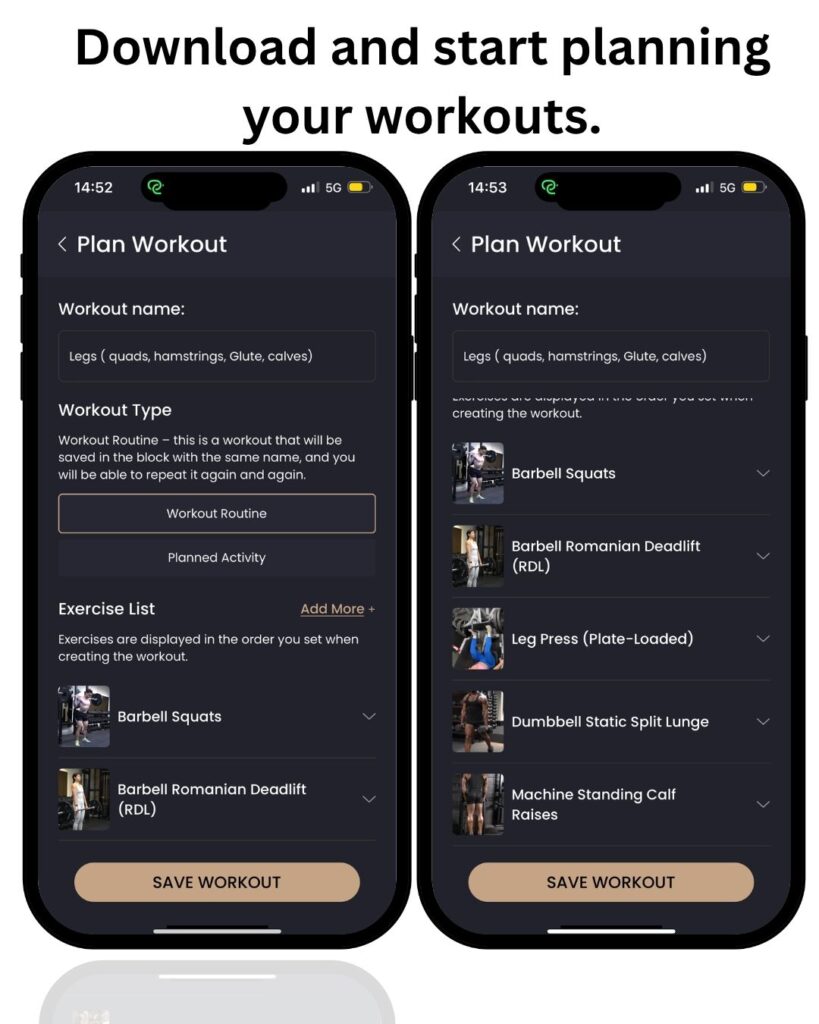
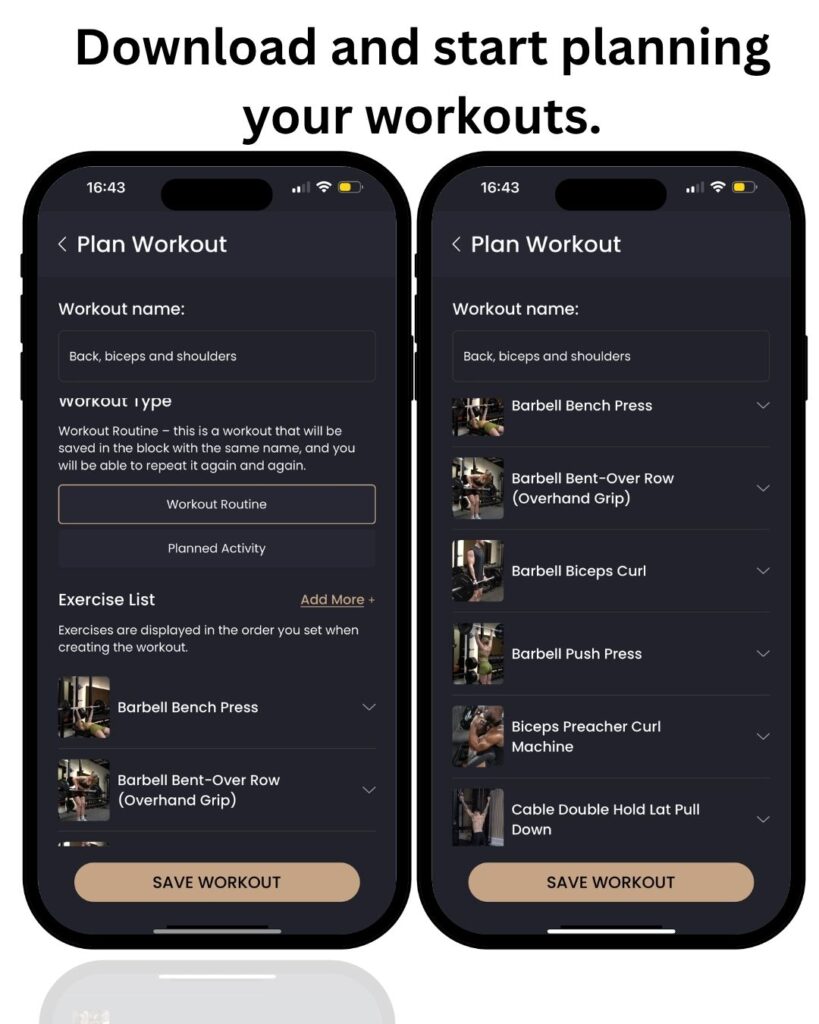
You can download the 12REPS app to plan your workouts with flexibility built in—the programming adapts whether you’re training 3 or 4 days that week. Check out just12reps.com for more information on flexible programming that fits your life.

This prevents the all-or-nothing thinking where missing one session derails the entire week. Some training beats no training. Three sessions weekly sustained for a year beats five sessions weekly for two months then quitting.

12REPS personalised strength training app showing custom workout plans for gym and home training with exercise video demos

The Bottom Line

How many times weekly should you train?

For most people, most of the time: 3-4 sessions weekly.

This provides:

  • Adequate stimulus for strength and muscle gains
  • Sufficient recovery between sessions
  • Manageable time commitment
  • Sustainable long-term adherence

Can you make progress training twice weekly? Yes, if sessions are quality and goals are modest.

Can you benefit from training five or six days weekly? Potentially, if you’re experienced, recovering well, and goals demand it.

But for sustainable, long-term progress whilst maintaining a normal life: three to four quality sessions weekly is the sweet spot.

Focus less on hitting a specific number of sessions. Focus more on:

  • Consistency over months and years
  • Progressive overload when you do train
  • Adequate recovery between sessions
  • Sustainable frequency you can maintain long-term

The best training frequency is the one you’ll actually sustain. Not the one that sounds impressive or that your favourite influencer does.

Work out what you can realistically maintain for the next year, not the next month. That’s your answer.

About Will Duru: BSc-qualified personal trainer with over 10 years experience training clients across London. Creator of the 12REPS app and specialist in evidence-based training methods. Available for in-person training and consultations.

Related Articles:

  • 7 Workout Mistakes Beginners Make (That I See Every Week)
  • Push Pull Legs: A Personal Trainer’s 6-Week Programme
  • Do I Need a Personal Trainer? A PT’s Honest Answer

The Ultimate 30-Day Men’s Gym Challenge for Strength and Fat Loss

The Ultimate 30-Day Men's Gym Challenge for Strength and Fat Loss

By Will Duru, BSc (Hons) Sport and Exercise Science, Award-winning Personal Trainer with over 10 years of experience in strength training and optimising recovery.


Are you ready to transform your body, build strength, and forge a lasting fitness habit? As a personal trainer with over a decade of experience in the City of London, I’ve seen firsthand the incredible impact a structured program can have. My passion is helping people build muscle and achieve their fitness goals, and I’ve designed this 30-day challenge to do just that. This isn’t just another workout plan; it’s a comprehensive blueprint for getting yourself in shape and building a foundation for a healthier, stronger you. Over the next 30 days, you will embark on a journey of strength training, disciplined nutrition, and consistent effort that will push your limits and deliver real results.

This challenge is built around a powerful 5-day strength training split that targets all your major muscle groups, ensuring balanced development and optimal recovery. We will also dive deep into the nutritional strategy required to shed fat and build lean muscle. To guide you every step of the way, we’ll be using the 12reps app, a powerful workout tracker that will help you organize your workouts, monitor your progress, and stay on track. Let’s get started.

Ultimate Lower-Body Workout: Kettlebells & Machines | 12Reps App

Why Strength Training is a Game-Changer for Men

Strength training is more than just lifting heavy weights and building bigger muscles; it is a cornerstone of long-term health and vitality for men. The benefits extend far beyond the mirror, impacting everything from your metabolism to your mental well-being. Committing to a consistent strength training program is one of the best investments you can make in your physical and mental health.

One of the most significant benefits is an enhanced metabolism. Building muscle increases your resting metabolic rate, meaning your body burns more calories even when you’re not exercising [1]. This makes it easier to manage your weight and reduce body fat, particularly the dangerous visceral fat around your abdomen that is linked to chronic diseases like heart disease and type 2 diabetes [2]. As you build more muscle and lose fat, you will not only look leaner and more defined, but you will also be fundamentally healthier.

Beyond the physical, strength training has profound effects on mental health. Regular resistance exercise has been shown to boost self-esteem, improve body image, and reduce symptoms of anxiety and depression [3]. The act of lifting weights and progressively getting stronger fosters a sense of accomplishment and mental fortitude that carries over into all aspects of life. Furthermore, it improves bone density, reduces the risk of injury by strengthening connective tissues, and enhances your overall quality of life, ensuring you stay active and capable as you age.

CAN YOU BUILD MUSCLE AFTER 30? YES! EXPERT GUIDE TO MUSCLE GROWTH

Building a Habit That Lasts a Lifetime

The magic of a 30-day challenge lies in its power to build habits. Research shows that it takes time and consistency to form a new routine, and a 30-day period is an ideal timeframe to establish a solid foundation for a lifelong fitness journey [4]. The goal here is not just to get through the next month, but to integrate exercise into your life so that it becomes as natural as brushing your teeth.

Consistency is the single most important factor for success. To achieve this, you need to remove as many barriers as possible. Start by finding a time in your day that you can consistently dedicate to your workouts. For many, morning or afternoon sessions are the most reliable. Evening workouts can be risky, as daily fatigue or unexpected commitments after work can easily derail your plans. Block out this time in your calendar as a non-negotiable appointment with yourself.

Proximity is another key factor. Choose a gym that is conveniently located either near your home or your workplace. The less friction there is in getting to your workout, the more likely you are to stick with it. This 30-day challenge is your opportunity to prove to yourself that you can commit, stay consistent, and achieve your goals. It’s about building the discipline and momentum you need to start your fitness journey on the right foot.

Ultimate Lower-Body Workout: Kettlebells & Machines | 12Reps App

The 30-Day Challenge Workout Plan

This program is designed to be intense and effective, requiring one hour per day, five days a week. We will use a 5-day split focusing on a push/pull/legs structure with additional core work. This ensures that each muscle group is worked thoroughly and has ample time to recover. Fridays and Sundays will be active recovery days, where you will perform 15 minutes of light stretching at home to aid recovery and improve flexibility.

For this program, you will use a variety of equipment including dumbbells, kettlebells, barbells, machines, sledges, medicine balls, and your own bodyweight. Starting from week two, you will increase the intensity by including a superset for each workout, increasing the total number of exercises to eight.

Here is the workout split:

  • Day 1: Chest & Back
  • Day 2: Shoulders & Biceps
  • Day 3: Legs & Triceps
  • Day 4: Back, Core & Abs
  • Day 5: Full Body Functional
  • Day 6: Active Recovery (Stretching)
  • Day 7: Rest
strength training app The Ultimate Men's Gym Challenge

Workout Tables

Day 1: Chest & Back

Exercise

Sets

Reps

Rest Period

Barbell Bench Press

4

10-12

60-90s

Pull-Ups (or Lat Pulldown)

4

10-12

60-90s

Incline Dumbbell Press

4

10-12

60-90s

Bent-Over Barbell Rows

4

10-12

60-90s

Cable Crossovers

4

12-15

60s

Seated Cable Rows

4

12-15

60s


Day 2: Shoulders & Biceps

Exercise

Sets

Reps

Rest Period

Seated Dumbbell Shoulder Press

4

10-12

60-90s

Barbell Curls

4

10-12

60-90s

Lateral Raises

5

12-15

60s

Hammer Curls

4

10-12

60-90s

Front Raises

4

12-15

60s

Concentration Curls

4

12-15

60s


Day 3: Legs & Triceps

Exercise

Sets

Reps

Rest Period

Barbell Squats

4

10-12

90s

Close-Grip Bench Press

4

10-12

60-90s

Leg Press

4

12-15

60-90s

Tricep Pushdowns

4

12-15

60s

Romanian Deadlifts

4

10-12

90s

Overhead Tricep Extensions

4

12-15

60s


Day 4: Back, Core & Abs

Exercise

Sets

Reps

Rest Period

Deadlifts

4

6-8

120s

T-Bar Rows

4

10-12

90s

Hanging Leg Raises

4

15-20

60s

Face Pulls

4

15-20

60s

Cable Crunches

4

15-20

60s

Plank

4

60s hold

60s


Day 5: Full Body Functional

Exercise

Sets

Reps

Rest Period

Sled Push

4

20 meters

90s

Kettlebell Farmer’s Walk

4

40 meters

90s

Battle Ropes

5

30s on, 30s off

30s

Box Jumps

4

12

60s

Medicine Ball Slams

4

15

60s

TRX Rows

4

15

60s


Nutrition: Your Fuel for Transformation

Nutrition is just as important as your training. To achieve the goal of losing 5kg in 30 days for an 85kg individual, you need to be in a consistent calorie deficit while consuming enough protein to preserve and build muscle. This process is often called muscle building while in a deficit.

Let’s break down the numbers. To lose approximately 0.5-1kg per week, a daily calorie deficit of 500-700 calories is required. For an 85kg man who is moderately active, a maintenance calorie intake is roughly 2,500 calories. Therefore, a target intake of around 1,900 calories per day is a good starting point.

Here’s a sample macronutrient breakdown:

  • Protein (1.6g per kg of bodyweight): 1.6g x 85kg = 136g of protein. (544 calories)
  • Fats (25% of total calories): (1900 x 0.25) / 9 = ~53g of fat. (477 calories)
  • Carbohydrates (Remaining calories): (1900 – 544 – 477) / 4 = ~220g of carbs. (880 calories)

To make this manageable, use an app like MyFitnessPal to track your daily intake. Focus on lean protein sources like chicken breast, fish, lean beef, eggs, and Greek yogurt. For supplements, consider incorporating Clear Whey Protein to help you meet your protein goals and Creatine Monohydrate to improve strength and performance.


Your Digital Trainer: The 12reps App

To make this challenge seamless, you will use the 12reps app. This app is your personal trainer in your pocket. You can build this entire workout program within the app by navigating to ‘Build Your Routine’. This allows you to have your workouts planned and ready to go.

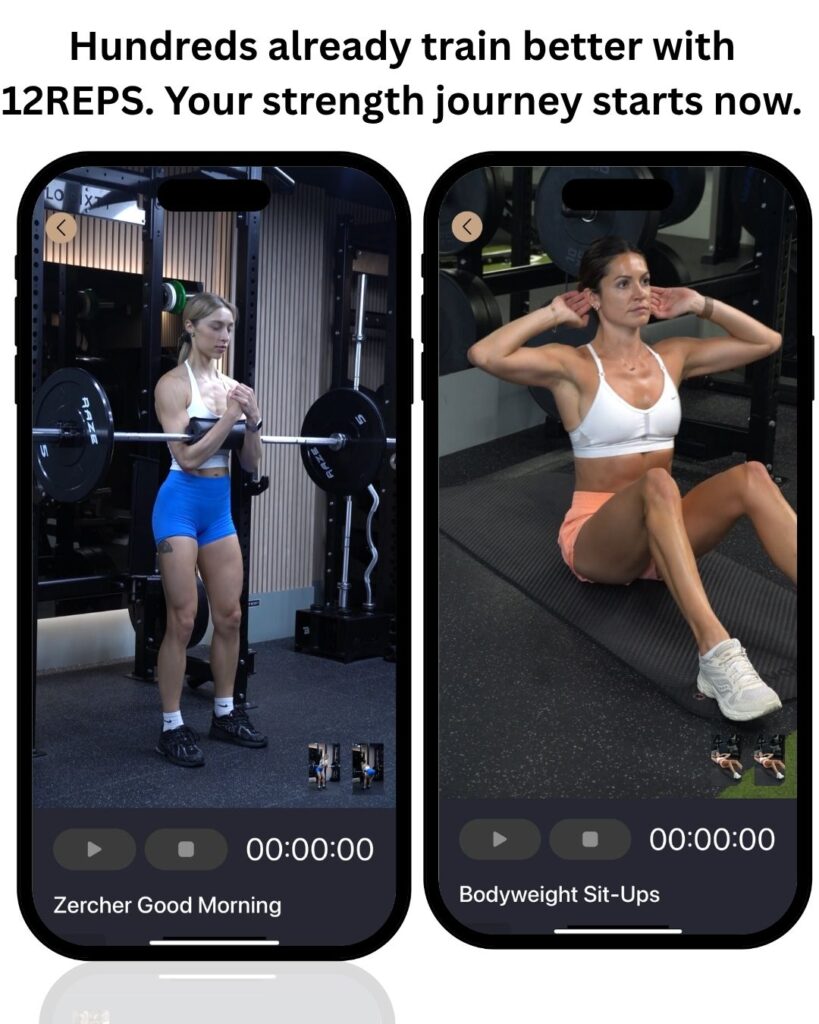
The app features over 1,500 exercise demos performed by certified personal trainers, so you can ensure your form is correct and safe. You can easily log your weights, reps, and sets for every exercise, which is crucial for tracking your progress and ensuring you are progressively overloading your muscles. Use the app’s built-in stopwatch to time your rest periods accurately. You can even share your personal bests on social media to keep yourself motivated. Download the app and get your for free trial to get started.

12REPS personalised strength training app showing custom workout plans for gym and home training with exercise video demos

Your 30-Day Transformation Awaits

This 30-day challenge is more than just a workout plan; it’s a catalyst for change. By committing to this program, you are taking a definitive step towards a stronger, healthier, and more disciplined version of yourself. The combination of intense training, precise nutrition, and the powerful tools within the 12reps app provides you with everything you need to succeed. Embrace the challenge, stay consistent, and get ready to see incredible results.


References

[1] Healthline. (2021). 14 Benefits of Strength Training, Backed by Science. https://www.healthline.com/health/fitness/benefits-of-strength-training

[2] American Heart Association. (2021). American Heart Association Recommendations for Physical Activity in Adults and Kids. https://www.heart.org/en/healthy-living/fitness/fitness-basics/aha-recs-for-physical-activity-in-adults

[3] Meacham, J. (2024). Strength training can improve your mental health. Healthline. https://www.healthline.com/health/fitness/benefits-of-strength-training#mental-health-benefits

[4] USA Triathlon. (2022). 30 Days to Forming New Habits. https://www.usatriathlon.org/articles/training-tips/form-new-habits-in-30-days

30-Day Beginner Gym Challenge: 5-Day Strength Training Split for Results

Get in Shape in 30 Days and Build a Lasting Habit with Strength Training

By Will Duru, BSc (Hons) Sport and Exercise Science, Award-winning Personal Trainer

Welcome to your 30-day beginner gym challenge! I’m Will Duru, and with over 10 years of experience in strength training, I’m here to guide you on this exciting journey. This program is designed to help you build a strong foundation, develop healthy habits, and see real results in just one month. We’ll focus on a 5-day workout split that’s perfect for beginners, along with essential nutrition and supplement advice to maximise your progress. The goal is not just to transform your body, but to create a sustainable fitness routine that you can stick with for the long haul.

This challenge is built around a structured 5-day workout split, a highly effective method for beginners to build muscle and strength. Research shows that both full-body and split-body routines are effective for beginners, but a split routine allows you to focus on specific muscle groups each day, which can be less overwhelming and more motivating when you’re just starting out [4]. We’ll be using a push/pull/legs format, with dedicated days for core and high-intensity interval training (HIIT) to ensure a well-rounded program.

30-Day Beginner Gym Challenge: 5-Day Strength Training Split for Results

The 30-Day Beginner Challenge: A 5-Day Workout Split

This program is designed for one-hour workouts each day. Remember to warm up before each session with 5-10 minutes of light cardio and dynamic stretching, and cool down afterward with static stretching.

Day 1: Chest and Back (Push/Pull)

Exercise

Sets

Reps

Weight

Rest Period

Bench Press (Dumbbell or Barbell)

3

8-12

Start with a light weight to master the form

60-90 seconds

Bent-Over Row (Dumbbell or Barbell)

3

8-12

Start with a light weight to master the form

60-90 seconds

Incline Dumbbell Press

3

10-15

Choose a weight that challenges you

60 seconds

Lat Pulldown

3

10-15

Choose a weight that challenges you

60 seconds

Push-Ups (on knees if needed)

3

To failure

Bodyweight

60 seconds

Seated Cable Row

3

12-15

Choose a weight that challenges you

60 seconds

Day 2: Shoulders, Biceps, and Triceps (Push/Pull)

Exercise

Sets

Reps

Weight

Rest Period

Overhead Press (Dumbbell or Barbell)

3

8-12

Start with a light weight to master the form

60-90 seconds

Bicep Curls (Dumbbell or Barbell)

3

10-15

Choose a weight that challenges you

60 seconds

Tricep Dips (on bench)

3

10-15

Bodyweight

60 seconds

Lateral Raises (Dumbbell)

3

12-15

Choose a light weight to focus on form

60 seconds

Hammer Curls (Dumbbell)

3

12-15

Choose a weight that challenges you

60 seconds

Tricep Pushdowns (Cable Machine)

3

12-15

Choose a weight that challenges you

60 seconds

Day 3: Hamstrings, Quads, and Glutes (Legs)

Exercise

Sets

Reps

Weight

Rest Period

Squats (Bodyweight or Goblet Squat)

3

8-12

Start with bodyweight or a light dumbbell

60-90 seconds

Romanian Deadlifts (Dumbbell)

3

10-15

Start with a light weight to master the form

60-90 seconds

Lunges (Bodyweight or Dumbbell)

3

10-15 per leg

Start with bodyweight

60 seconds

Leg Press

3

12-15

Choose a weight that challenges you

60 seconds

Glute Bridges

3

15-20

Bodyweight

60 seconds

Calf Raises

3

15-20

Bodyweight or with dumbbells

60 seconds

30-Day Beginner Gym Challenge: 5-Day Strength Training Split for Results

Day 4: Cardio (Zone 2 and Zone 3)

This day is dedicated to cardiovascular health. Spend 60 minutes on a cardio machine of your choice (treadmill, elliptical, bike). Aim for 40 minutes in Zone 2 (a pace where you can hold a conversation) and 20 minutes in Zone 3 (a more challenging pace where conversation is difficult).

Day 5: HIIT Workout

High-Intensity Interval Training (HIIT) is a fantastic way to burn calories and improve your cardiovascular fitness in a short amount of time. Perform each exercise for 30 seconds, followed by 30 seconds of rest. Repeat the circuit 4-5 times.

  • Jumping Jacks
  • High Knees
  • Burpees
  • Mountain Climbers
  • Bodyweight Squats

Nutrition for Success

Your efforts in the gym will only take you so far without proper nutrition. To build muscle and lose fat, you need to fuel your body with the right nutrients. Focus on a balanced diet of lean proteins, complex carbohydrates, and healthy fats. Aim for a slight calorie surplus if your goal is muscle building, or a slight calorie deficit if your goal is fat loss. Remember to drink plenty of water throughout the day to stay hydrated.

Can Exercise Really Help with Mood Swings or Anxiety

Supplements to Boost Your Results

While not a replacement for a healthy diet, certain supplements can help you achieve your goals faster. For this 30-day challenge, I recommend two key supplements:

  • Clear Whey Protein: Protein is essential for muscle repair and growth. Supplementing with whey protein, especially after a workout, can significantly enhance muscle hypertrophy and strength gains [1]. Clear whey is a lighter, more refreshing alternative to traditional milky protein shakes.
  • Creatine: Creatine is one of the most researched and effective supplements for increasing strength and power output. Taking 3-5 grams of creatine daily can help you lift heavier and perform more reps, leading to greater muscle growth over time [2].

Track Your Progress with the 12Reps App

To get the most out of this 30-day challenge, I highly recommend using a workout tracker like the 12Reps app. You can build this entire routine in the app, track your sets, reps, and weights, and monitor your progress over time. The app also features over 1,500 exercise demos to ensure you’re performing each movement correctly and safely. You can even pre-plan your workouts and share your personal bests with friends on social media. Download the app for a free trial and take your strength training to the next level.

The Importance of Consistency

Remember, consistency is key. Sticking to this program for 30 days will not only produce visible results but also help you build a lasting habit. Resistance training is medicine; it can increase lean muscle mass, boost your metabolism, and improve your overall health in numerous ways [3]. So, commit to the challenge, stay consistent, and get ready to transform your body and your life.

strength training app for women and man

References

[1] Park, Y., Park, H. Y., Kim, J., Hwang, H., Jung, Y., Kreider, R., & Lim, K. (2019). Effects of whey protein supplementation prior to, and following, resistance exercise on body composition and training responses: A randomized double-blind placebo-controlled study. Journal of Exercise Nutrition & Biochemistry, 23(2), 34–44. https://pmc.ncbi.nlm.nih.gov/articles/PMC6651693/

[2] Mills, S., Candow, D. G., Forbes, S. C., Neary, J. P., Ormsbee, M. J., & Antonio, J. (2020). Effects of Creatine Supplementation during Resistance Training Sessions in Physically Active Young Adults. Nutrients, 12(6), 1880. https://pmc.ncbi.nlm.nih.gov/articles/PMC7353308/

[3] Westcott, W. L. (2012). Resistance training is medicine: effects of strength training on health. Current sports medicine reports, 11(4), 209–216. https://pubmed.ncbi.nlm.nih.gov/22777332/

[4] Pedersen, H., Fimland, M. S., Schoenfeld, B. J., Iversen, V. M., Cumming, K. T., Jensen, S., Saeterbakken, A. H., & Andersen, V. (2022). A randomized trial on the efficacy of split-body versus full-body resistance training in non-resistance trained women. BMC sports science, medicine & rehabilitation, 14(1), 87. https://pmc.ncbi.nlm.nih.gov/articles/PMC9107721/

The Ultimate Gym Leg Day: Kettlebell, Barbell, Dumbbell & Machine Workout | 12Reps App

Ultimate Lower-Body Workout: Kettlebells & Machines | 12Reps App

With over a decade of experience as a personal trainer, I’ve seen what truly works for building serious lower-body strength. If you have access to a gym and want to build powerful, well-rounded legs, you need to use all the tools at your disposal. Forget sticking to just one type of equipment; the real magic happens when you combine them.

In this article, I’m going to share my ultimate lower-body workout that strategically uses kettlebells, barbells, dumbbells, and machines. I’ll explain why this multi-tool approach is so effective and how you can use the 12Reps app to structure your session and track your progress for unstoppable gains.

The Ultimate Gym Leg Day: Kettlebell, Barbell, Dumbbell & Machine Workout | 12Reps App

Why Use Kettlebells, Barbells, Dumbbells, AND Machines?

To build the best legs possible, you need a variety of stimuli. Each piece of equipment in the gym offers a unique benefit, and a smart program combines them all.

Kettlebells for Functional Power: I always start with kettlebells. Their offset center of gravity is unmatched for firing up your core and building functional, real-world strength. Kettlebell movements are dynamic and explosive, which is fantastic for engaging your entire posterior chain and improving your athleticism. A study sponsored by the American Council on Exercise (ACE) even found that kettlebell training can increase core strength by an incredible 70% [1].

Barbells for Foundational Strength: When it comes to lifting heavy and building a solid foundation of strength, nothing beats the barbell. Exercises like the Romanian Deadlift (RDL) allow you to load up the weight, which is essential for developing your hamstrings and glutes and is a cornerstone of any serious strength training program.

Dumbbells for Versatility and Balance: Dumbbells are fantastic for working on single-leg strength and addressing any muscular imbalances. A dumbbell goblet squat, for example, is a great way to work your quads and glutes while also challenging your core stability.

Machines for Targeted Isolation: Finally, we use machines to isolate specific muscles. After you’ve built fatigue with compound movements, a machine like the leg extension allows you to safely push your quads to their absolute limit, which is a key trigger for muscle growth (hypertrophy).

By combining these four tools, you get a workout that builds functional power, raw strength, and targeted muscle growth. It’s the complete package.

Ultimate Lower-Body Workout: Kettlebells & Machines | 12Reps App

The Ultimate Lower-Body Gym Workout

This session is designed to be efficient but intense. We start with functional kettlebell work, move to heavy barbell strength, incorporate dumbbells for stability, and finish with machine isolation. You can build this entire workout in the 12Reps app by navigating to ‘Build Your Routine’.

Exercise

Sets

Reps

Weight

Rest Period

Kettlebell Box Front Squats

4

12

Challenging

60 seconds

Barbell RDL

4

12

Heavy

75 seconds

Kettlebell Reverse Lunges

4

6 per leg

Challenging

60 seconds

Dumbbell Goblet Squats

4

12

Moderate

60 seconds

Leg Extension

4

15

Moderate

60 seconds


A Trainer’s Guide to Progressive Overload

To keep making progress, you must apply the principle of progressive overload. This means you have to find ways to make your workouts more challenging over time. Here’s how I guide my clients to do it with this program:

  • Go Heavier on the Barbell: Your Barbell RDL is your main strength-building exercise. Focus on adding a small amount of weight to the bar each week.
  • Increase Your Kettlebell/Dumbbell Weight: Once you can complete all reps and sets with perfect form, it’s time to pick up the next weight up.
  • Add Reps: On the leg extension, try to push for an extra rep or two each session before you increase the weight.
  • Control Your Rest: As you get fitter, try reducing your rest periods by 5-10 seconds to increase the workout’s intensity.

The 12Reps app is crucial here. By logging every set, rep, and weight, you have a clear record of what you did last time. This takes the guesswork out of your training and tells you exactly what you need to do to beat your last session.

Ultimate Lower-Body Workout: Kettlebells & Machines | 12Reps App

Nutrition: The Fuel for Muscle Recovery and Growth

You can’t out-train a bad diet. All your hard work in the gym needs to be supported by proper nutrition, especially protein. Protein provides the building blocks your muscles need to repair and grow back stronger.

For those of us who are serious about strength training, research from the Journal of the International Society of Sports Nutrition recommends a daily protein intake of 1.6 to 2.2 grams per kilogram of body weight (that’s about 0.7 to 1.0 grams per pound) [2]. To give your body the best chance to use this protein, spread your intake across at least four meals.

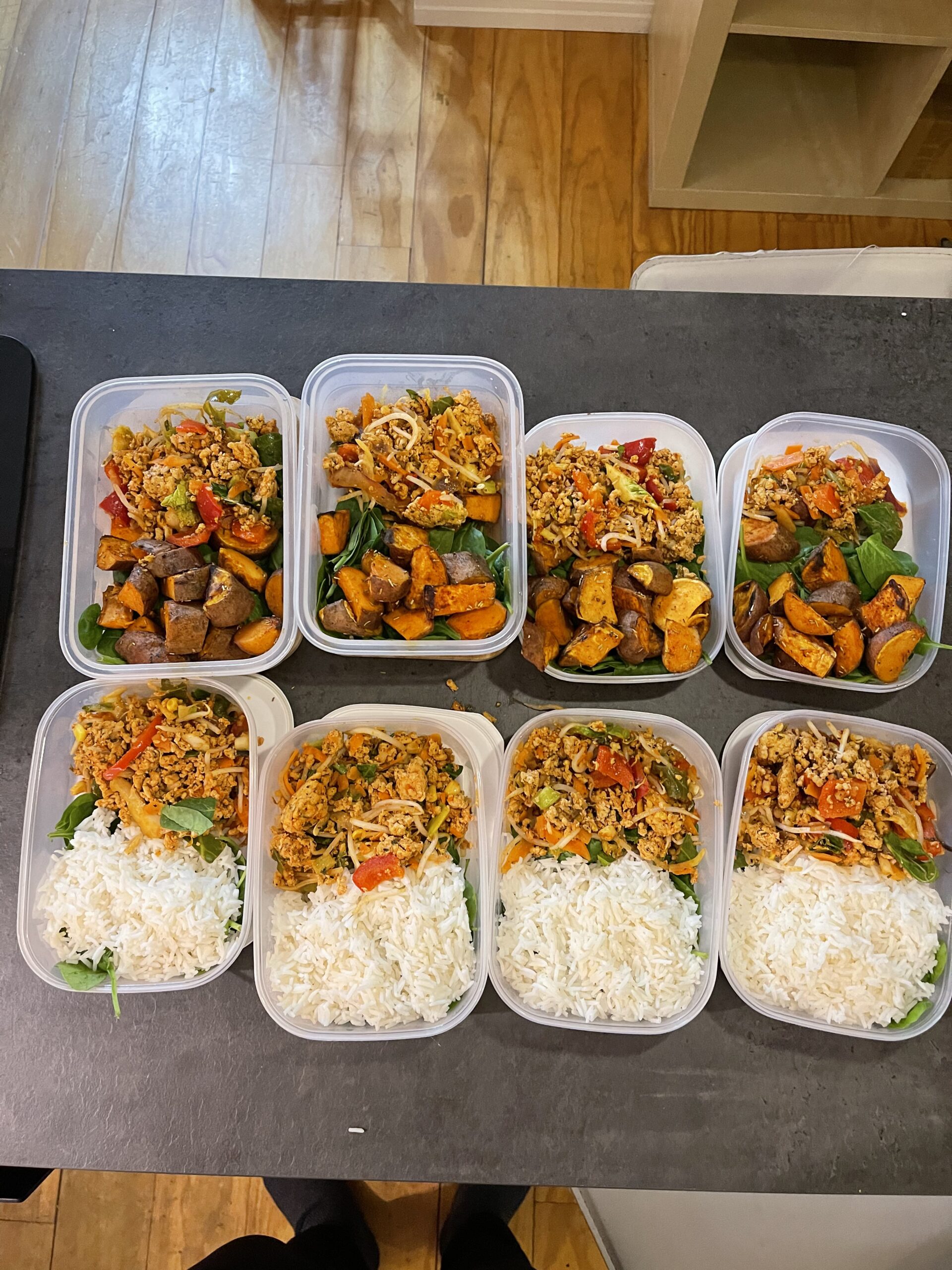
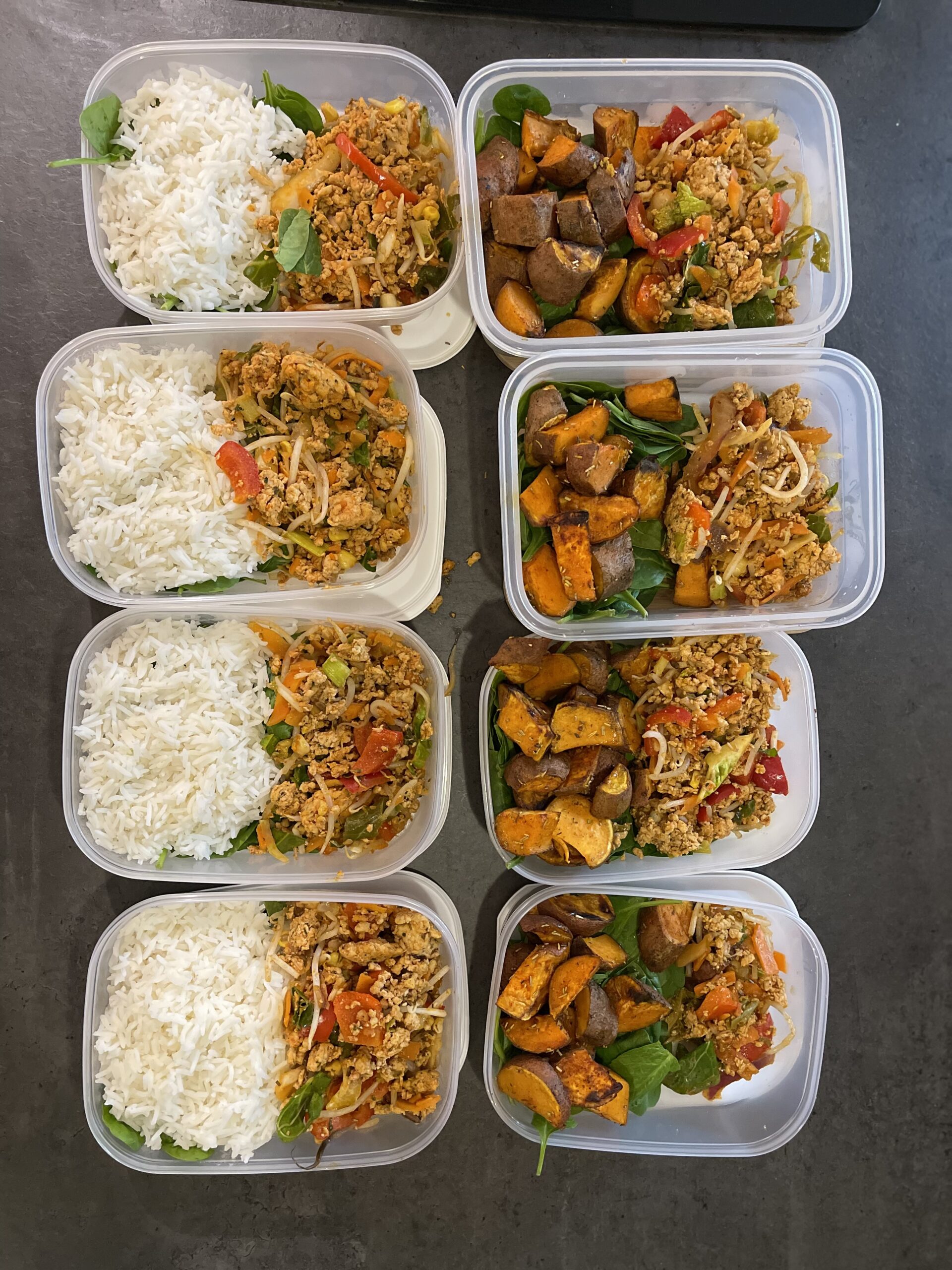
Your meals should be centered around lean protein sources like chicken, fish, eggs, and lean beef. Pair this with complex carbohydrates like sweet potatoes, brown rice, and oats to refuel your energy, and don’t forget healthy fats from avocados, nuts, and olive oil to support your overall health.

Your All-in-One Training Partner: The 12Reps App

I recommend the 12Reps app because it’s designed to make serious training simple and effective.

  • Track and Log Your Workouts Easily: Keep a perfect record of your training to ensure you’re progressing.
  • Over 1,500 Exercise Demos: A certified personal trainer shows you the correct form for every exercise in our library.
  • Personalised, Smart-Driven Workouts: Get access to expert-designed routines tailored to your goals.
  • Plan Ahead and Share: Build your own workouts, save them for later, and share your personal bests with your friends.

If you’re ready to take your leg days to the next level, download the app and start your free trial.

strength training app for women and man

Conclusion

This complete lower-body workout leverages the unique benefits of kettlebells, barbells, dumbbells, and machines to build legs that are not just big, but strong, functional, and athletic. It’s a comprehensive approach that leaves no stone unturned.

Stay consistent, fuel your body with the right nutrients, and track your progress with the 12Reps app. Do that, and you’ll build a lower body you can be proud of.

References

[1] ACE Sponsored Research Study: Kettlebells Kick Butt

[2] How much protein can the body use in a single meal for muscle-building? Implications for daily protein distribution

Ultimate Lower-Body Workout: Kettlebells & Machines | 12Reps App

Ultimate Lower-Body Workout: Kettlebells & Machines | 12Reps App

As a personal trainer with over a decade of experience, I’m always looking for the most effective ways to help my clients build strength. Today, I want to share a powerful lower-body workout that combines the functional benefits of kettlebells with the targeted muscle-building of machines.

This hybrid approach is perfect for building well-rounded, powerful legs. In this article, I’ll explain the method behind the madness, lay out the full workout for you, and show you how the 12Reps app can be your secret weapon for tracking your progress and ensuring you stronger.

Ultimate Lower-Body Workout: Kettlebells & Machines | 12Reps App

Why Combine Kettlebells and Machines?

I’m a huge advocate for kettlebell training. The dynamic, full-body movements you perform with a kettlebell are incredible for building functional strength—the kind of strength that helps you in your everyday life. The offset weight of the kettlebell forces your core to work overtime to stabilize your body. In fact, research has shown that kettlebell training can increase core strength by up to 70%, which is a massive benefit for your overall stability and power [1].

Kettlebell exercises like swings, squats, and lunges are compound movements that engage multiple muscle groups at once. This makes them incredibly efficient for burning calories and improving your cardiovascular health, all while building muscle [1].

So, why add a machine into the mix? While kettlebells are fantastic for building a strong, functional base, machines like the leg extension allow us to isolate specific muscles. By finishing our workout with a machine-based exercise, we can target the quadriceps directly, ensuring we’ve pushed them to their limit to stimulate maximum growth. It’s the perfect way to get the best of both worlds: functional power and targeted hypertrophy.

Ultimate Lower-Body Workout: Kettlebells & Machines | 12Reps App

How I Structure a Hybrid Lower-Body Session

When I design a program like this for my clients, I always start with the most demanding, multi-joint kettlebell exercises. These movements require the most energy and coordination, so we want to do them when we’re fresh. We focus on big, powerful movements like squats and lunges to build our foundation.

After we’ve built up fatigue with these functional movements, we move to the machine for a ‘finisher’. This allows us to safely push a specific muscle group to failure without needing the same level of stability and control as free weights. This combination ensures you’re building a body that’s not only strong and athletic but also well-defined.

Ultimate Lower-Body Workout: Kettlebells & Machines | 12Reps App

The Time-Saver Lower-Body Hybrid Workout

This workout is designed to be tough but quick, hitting every part of your lower body. You can find all these exercises, track your progress, and time your rest periods using the 12Reps app. Just navigate to ‘Build Your Routine’ to create this session.

Exercise

Sets

Reps

Weight

Rest Period

Kettlebell Box Front Squats

4

12

Challenging

60 seconds

Kettlebell Reverse Lunges

4

6 per leg

Challenging

60 seconds

Kettlebell Split Squats

4

10 per leg

Moderate

60 seconds

Kettlebell Step-Ups

4

8 per leg

Moderate

60 seconds

Leg Extension

4

15

Moderate

60 seconds


A Personal Trainer’s View on Progressive Overload

To see continuous results, you must follow the principle of progressive overload. This is the foundation of all successful strength training, and it simply means you have to gradually increase the difficulty of your workouts.

For this program, you can progress by:

  • Increasing the Kettlebell Weight: Once you can hit all your reps with good form, it’s time for a heavier kettlebell.
  • Increasing the Machine Weight: The same goes for the leg extension. Aim to increase the weight whenever you can complete all 15 reps.
  • Adding Reps: Before you increase the weight, try adding a rep or two to your kettlebell exercises each week.
  • Reducing Rest: To make the workout more metabolically demanding, try cutting your rest periods to 45 seconds.

The 12Reps app is essential for this. It lets you log your weights, reps, and sets, giving you a clear record of your performance. This data takes the guesswork out of progressive overload, telling you exactly when you’re ready to push harder.

Ultimate Lower-Body Workout: Kettlebells & Machines | 12Reps App

Nutrition for Muscle Recovery and Growth

A tough workout is the signal for your muscles to grow, but they need the right building blocks to do it. That’s where nutrition comes in. Proper nutrition, especially protein intake, is critical for muscle recovery.

So, how much protein do you need? For active individuals, research from the Journal of the International Society of Sports Nutrition recommends 1.6 to 2.2 grams of protein per kilogram of body weight (about 0.7 to 1.0 grams per pound) daily [2]. To maximise your body’s ability to use this protein, you should spread it out over at least four meals.

Build your meals around lean protein sources like chicken, fish, lean beef, eggs, and Greek yoghurt. Don’t forget complex carbohydrates (oats, sweet potatoes, brown rice) to refuel your energy stores, and healthy fats (avocado, nuts, olive oil) to support your overall health and hormone function.

Your Ultimate Training Partner: The 12Reps App

I recommend the 12Reps app to all my clients because it has everything you need to succeed in one place.

  • Personalised, Smart-Driven Workouts: Get workouts designed for your goals.
  • Comprehensive Progress Tracking: Log your workouts easily to ensure you’re progressing.
  • Over 1,500 Exercise Demos: A certified personal trainer shows you the correct form for every exercise.
  • Plan and Share: Build and save your own routines, and share your achievements with friends.

Ready to transform your lower body? Download the app and start your free trial today.

strength training app for women and man

Conclusion

This hybrid kettlebell and machine workout offers the best of both worlds, building functional, real-world strength while also isolating muscles for maximum growth. It’s a tough, efficient, and incredibly effective way to build the powerful lower body you’ve always wanted.

Combine this workout with a solid nutrition plan and use the 12Reps app to track your journey. Stay consistent, and you will achieve amazing results.

References

[1] ACE Sponsored Research Study: Kettlebells Kick Butt

[2] How much protein can the body use in a single meal for muscle-building? Implications for daily protein distribution

Do Testosterone Boosters Work? The Truth for Men Over 30

boxing training - boxing personal training

A Conversation I Have Every Week

I see it all the time at the gym. A guy in his mid-30s comes up to me, looking a little defeated. He says, “Will, I’m doing everything I used to do in my 20s, but I’m just not seeing the results. I’m tired all the time, and I feel like I’m losing my edge. I saw an ad for this testosterone booster… do you think it’ll work?”

Low energy? Struggling to build muscle? The ads are everywhere, promising a magic pill to boost your testosterone and restore your youthful vigor. But can a bottle of herbs really turn back the clock? The market for testosterone boosters is a multi-billion-dollar industry preying on the insecurities of men over 30. It’s easy to fall for the hype when you’re looking for an edge.

This article will give you the hard truth. We’ll examine the science (or lack thereof) behind these supplements and I’ll tell you what actually works for supporting healthy testosterone levels, based on my decade of experience training guys just like you. The foundation is lifestyle, supported by smart tools like the 12reps app.

The Easy Guide to Supersets: Get More from Your Workouts with 12Reps

What's Actually in Those "T-Boosters"?

The vast majority of over-the-counter testosterone boosters are a cocktail of vitamins, minerals, and herbs that have very little, if any, direct impact on testosterone levels in healthy men. [1]

Here are some of the most common ingredients you’ll see:

  • D-Aspartic Acid, Tribulus Terrestris, Fenugreek: Studies on these are either inconclusive, show a negligible effect, or were funded by the supplement companies themselves. I’ve seen guys waste hundreds of pounds on these with nothing to show for it.
    • Zinc and Magnesium (ZMA): These are only effective if you are deficient in them. If you eat a reasonably balanced diet, you’re probably not deficient. They don’t boost testosterone above a normal range.
: Do Testosterone Boosters Work? The Truth for Men Over 30

The Real "Testosterone Boosters": Your Lifestyle

If you want to support healthy testosterone levels, you don’t need a pill; you need a plan. The most powerful tools are already at your disposal. I call these the 4 Pillars of Hormonal Health, and I drill them into every single one of my clients.

  1. Lift Heavy Weights: Intense strength training is a potent natural signal for your body to produce more testosterone. [2] When you push your muscles hard with compound exercises like squats, deadlifts, and bench presses, you’re telling your body it needs to get stronger and adapt. That’s the most powerful T-booster there is.
    2. Get Enough Sleep: This is the one everyone ignores. Your body produces the majority of its testosterone while you sleep. If you’re only getting 5-6 hours, you’re shooting yourself in the foot. 7-9 hours is non-negotiable.
    3. Manage Stress: Chronic high cortisol (the stress hormone) crushes testosterone production. They have an inverse relationship. If you’re constantly stressed from work and life, your hormones will suffer. Find healthy outlets: take a walk, meditate, listen to music.
    4. Maintain a Healthy Body Fat Percentage: Excess body fat, especially around the midsection, increases an enzyme called aromatase, which converts testosterone into estrogen. By staying lean, you keep more of your precious testosterone.
12reps: Investing in the Future of Strength Training for Longevity By Will Duru, Founder & CEO

When to See a Doctor (and What to Do in the Meantime)

If you genuinely suspect you have low testosterone (symptoms include chronic fatigue, low libido, depression, and trouble concentrating), the answer isn’t a supplement from the internet; it’s a blood test from your doctor. [3]

Testosterone Replacement Therapy (TRT) is a legitimate medical treatment for clinically low testosterone, prescribed and monitored by a doctor. It is nothing like an over-the-counter “booster.” Don’t self-diagnose. Get the facts from a medical professional.

While you focus on the lifestyle factors, let us handle the training plan. The 12reps app provides the intense muscle buildingworkouts that naturally support hormone health. Download the 12reps app and build your foundation.

strength training app for women and man

Stop Wasting Your Money

Over-the-counter testosterone boosters are largely ineffective. The real keys to healthy testosterone are lifting weights, sleeping well, managing stress, and staying lean. If you’re truly concerned, see a doctor.

Stop wasting money on hype. Take control of your health with the proven, powerful tools of a healthy lifestyle. Your body will thank you.

Ready to build a body that naturally supports optimal hormone levels? Start your free trial of the 12reps app.

The Ultimate 5-Day Muscle-Building Split: My Proven Path to 8kg of Muscle

Can Exercise Reduce Stress and Improve Mental Health? Science Says Yes

CAN YOU BUILD MUSCLE AFTER 30? YES! EXPERT GUIDE TO MUSCLE GROWTH

The Pressure Cooker of Your 30s

Life in your 30s is a pressure cooker of career ambitions, family responsibilities, and financial stress. What if the most potent stress-reliever wasn’t a pill or a vacation, but a barbell?

Many men view exercise solely as a tool for physical change, completely overlooking its profound and immediate impact on mental health. They see it as another source of stress, rather than the ultimate release valve.

I’m here to tell you, based on a decade of training city professionals just like you, that exercise, particularly strength training, is the most powerful, non-pharmaceutical tool available for managing stress, anxiety, and mood. The 12reps app makes this tool accessible to everyone.

: Can Exercise Reduce Stress and Improve Mental Health? Science Says Yes

Your Brain on Exercise: A Chemical Cocktail for Calm

Exercise is a direct biological intervention that changes your brain chemistry for the better. [1]

  • Endorphins: This is the well-known “runner’s high” that acts as a natural mood elevator. It’s your body’s own version of an antidepressant.
    • BDNF (Brain-Derived Neurotrophic Factor): Think of this as “Miracle-Gro for your brain.” It helps protect your brain from the negative effects of stress and promotes the growth of new brain cells. [2]
    • Reduced Cortisol: Regular exercise can help regulate cortisol, the primary stress hormone, making you more resilient to life’s pressures.
CAN YOU BUILD MUSCLE AFTER 30? YES! EXPERT GUIDE TO MUSCLE GROWTH

Strength Training as "Moving Meditation"

Strength training offers unique mental benefits. The intense focus required for a heavy lift forces you into the present moment, providing a powerful escape from anxious, racing thoughts. [3]

I call it “moving meditation.” The process of focusing on the muscle you’re working, controlling your breathing, and executing a lift with perfect form is a form of mindfulness that builds mental discipline and clarity.

In a world where so much feels out of your control, the gym is a place where your effort directly translates to results. This builds a powerful sense of agency and self-efficacy.

12reps app - strength training app

The Confidence Snowball Effect

The confidence you build in the gym doesn’t stay in the gym. It spills over into every other area of your life.

Getting physically stronger has a profound psychological impact. When you lift a weight you never thought you could, you prove to yourself that you are capable of hard things. This confidence translates to your career, your relationships, and your ability to handle challenges.

The 12reps app is more than a workout tracker; it’s a confidence tracker. Every personal record you hit is a reminder of your growing strength, both inside and out. Download the 12reps app and start building your confidence today.

4-Day Push Pull Legs Program for Muscle Gain and Fat Loss | 12Reps app

Your Most Important Meeting

To sum it up, here are the key mental benefits of exercise:

1. A better brain chemistry with more “feel-good” chemicals.
2. A meditative escape from stress.
3. A powerful boost in confidence.

Your workout is the most important meeting of your day—an appointment with a stronger, calmer, and more resilient version of yourself. Don’t cancel it.

Ready to invest in your mental and physical strength? Start your free trial of the 12reps app.

The Power of Compound Lifts: Your Blueprint for Full-Body Strength and Muscle with 12Reps

References

  1. [1] Noetel, M., et al. (2024). Effect of exercise for depression: systematic review and network meta-analysis of randomised controlled trials. BMJ, 384. https://www.bmj.com/content/384/bmj-2023-075847
  2. [2] Sleiman, S. F., et al. (2016). Exercise promotes the expression of brain derived neurotrophic factor (BDNF) through the action of the ketone body β-hydroxybutyrate. eLife, 5, e15092. https://pmc.ncbi.nlm.nih.gov/articles/PMC4915811/
  3. [3] Gordon, B. R., McDowell, C. P., Lyons, M., & Herring, M. P. (2017). The effects of resistance exercise training on anxiety: a meta-analysis and meta-regression analysis of randomized controlled trials. Sports Medicine, 47(12), 2521-2532. https://link.springer.com/article/10.1007/s40279-017-0769-0

Can You Build Muscle After 30? Yes! Expert Guide to Muscle Growth

CAN YOU BUILD MUSCLE AFTER 30? YES! EXPERT GUIDE TO MUSCLE GROWTH

By Will Duru, BSc (Hons) Sport and Exercise Science, Award-winning Personal Trainer with over 10 years of experience in strength training and optimising recovery


You’ve hit your 30s, and you start to hear the whispers. Maybe you read an article online, or a friend at the pub mentions it. “Your testosterone is dropping.” “Your best muscle-building years are behind you.” “It’s all downhill from here.” It’s enough to make any man feel like his best days are in the rearview mirror.

This is one of the most damaging myths in the fitness world. The belief that your 30s mark the end of your potential for serious muscle building is not just wrong; it’s a self-fulfilling prophecy. If you believe you can’t make significant progress, you won’t even try. You’ll settle for a body you’re not happy with, convinced that it’s just a part of getting older.

I’m here to tell you, as a personal trainer who has helped hundreds of men in their 30s, 40s, and beyond get into the best shape of their lives, that it is absolutely not too late. You can still build a significant amount of muscle after 30. In fact, with a smarter approach, your 30s can be your strongest decade yet. This is your myth-busting guide to building muscle in this new chapter of your life. And I’ll show you how the 12reps app is the perfect tool to help you do it.

CAN YOU BUILD MUSCLE AFTER 30? YES! EXPERT GUIDE TO MUSCLE GROWTH

The Truth About Aging and Muscle

Let’s get one thing straight. Yes, your body does change as you get older. Your hormone levels, including testosterone, do start to decline slightly after 30. [1] But let’s put this in perspective. For most men in their 30s, this decline is so small that it’s barely noticeable. It is not the huge drop-off that people make it out to be. It is not the limiting factor that will stop you from building muscle.

The primary drivers of muscle growth are mechanical tension (the stress you put on your muscles by lifting weights) and muscle protein synthesis (the process of repairing and rebuilding your muscles after a workout, which is fueled by eating protein). [2] These mechanisms work just as powerfully in your 30s as they do in your 20s. The single biggest factor that determines your success is not your age; it’s your consistency and your effort.

There’s a famous principle in biology: “use it or lose it.” Age-related muscle loss, a condition called sarcopenia, is not primarily a result of getting older. It’s a result of becoming less active. [3] If you don’t use your muscles, your body has no reason to keep them around. Strength training is the most powerful weapon you have to fight back against this process. It is the signal that tells your body, “Hey, I need these muscles! Keep them strong!”

Strength Training in Your 30s and 40s: Why Personal Training (Tower Bridge/London Bridge)

The Over-30 Muscle-Building Blueprint

While the basic principles of muscle building are the same at any age, your strategy needs to be a little smarter in your 30s. You can’t get away with the same reckless abandon you had in your early 20s. It’s less about spending hours in the gym every day and more about a calculated, intelligent approach. Here are the three pillars of adult muscle gain:

  1. Train with Intensity. To make your muscles grow, you have to give them a reason to. That means you need to push yourself close to muscular failure on your sets. That last one or two reps that you have to really grind out? That’s where the magic happens. That’s the signal that tells your body it needs to adapt and get stronger.
  2. Prioritise Compound Lifts. Your workouts should be built around big, multi-joint exercises like squats, deadlifts, bench presses, and overhead presses. These exercises give you the most bang for your buck. They recruit the most muscle fibers and stimulate the biggest release of muscle-building hormones.
  3. Master Your Recovery. This is the one that most guys in their 30s ignore. You can’t train hard if you don’t recover hard. Your body doesn’t build muscle in the gym; it builds it while you are resting. That means you need to prioritise getting 7-8 hours of quality sleep per night and managing your stress levels.


A structured plan is non-negotiable. You can’t just wander into the gym and do whatever you feel like. The 12reps app provides expert-designed programs that are built around the principle of progressive overload, which is the key to continuous muscle growth. Use our workout tracker to make sure you are consistently getting stronger over time.

CAN YOU BUILD MUSCLE AFTER 30? YES! EXPERT GUIDE TO MUSCLE GROWTH

Fueling the Machine: What to Eat

You can have the best training plan in the world, but if your nutrition isn’t on point, you will not get the results you want. You can’t out-train a bad diet. To build muscle, you need to give your body the fuel it needs to grow.

Here’s what you need to focus on:

A Slight Calorie Surplus. To build new muscle tissue, you need to be eating slightly more calories than your body is burning. I’m not talking about a huge, “dirty bulk.” Just a small, controlled surplus of 200-300 calories per day is all you need.

A High Protein Intake. Protein is the raw material for muscle growth. If you’re not eating enough of it, your body can’t build new muscle. I recommend aiming for 1.6-2.2 grams of protein per kilogram of your bodyweight. For an 80kg man, that’s about 128-176 grams of protein per day. [4]


Stop leaving gains on the table. If you’re serious about building muscle, you need to be serious about your nutrition. Download the 12reps app to get access to our nutrition guides that will complement your training and accelerate your results.

Your Strongest Decade Yet

So, can you still build serious muscle after 30? The answer is a resounding YES. Age is not a barrier. It’s an excuse. With intelligent training, a focus on recovery, and the right nutrition plan, your 30s can be your strongest decade yet.

Don’t let a number on your driver’s license define your potential. The only thing stopping you from building the body you want is a lack of a plan. It’s time to get one.

Are you ready to prove to yourself that your best years of training are still ahead of you? Start your free trial of the 12reps app and unlock your true potential.

CAN YOU BUILD MUSCLE AFTER 30? YES! EXPERT GUIDE TO MUSCLE GROWTH

References

  1. [1] Harman, S. M., Metter, E. J., Tobin, J. D., Pearson, J., & Blackman, M. R. (2001). Longitudinal effects of aging on serum total and free testosterone levels in healthy men. The Journal of Clinical Endocrinology & Metabolism, 86(2), 724-731. https://academic.oup.com/jcem/article/86/2/724/2841070
  2. [2] Morton, R. W., Murphy, K. T., McKellar, S. R., Schoenfeld, B. J., Henselmans, M., Helms, E., … & Phillips, S. M. (2018). A systematic review, meta-analysis and meta-regression of the effect of protein supplementation on resistance training-induced gains in muscle mass and strength in healthy adults. British journal of sports medicine, 52(6), 376-384.https://bjsm.bmj.com/content/52/6/376
  3. [3] Volpi, E., Nazemi, R., & Fujita, S. (2004). Muscle tissue changes with aging. Current opinion in clinical nutrition and metabolic care, 7(4), 405-410. https://journals.lww.com/co-clinicalnutrition/abstract/2004/07000/muscle_tissue_changes_with_aging.8.aspx
  4. [4] Nunes, E. A., Colenso-Semple, L., McKellar, S. R., Yau, T., Ali, M. U., Fitzpatrick-Lewis, D., … & Phillips, S. M. (2022). Systematic review and meta-analysis of protein intake to support muscle mass and function in healthy adults. Journal of Cachexia, Sarcopenia and Muscle, 13(2), 795-810. https://onlinelibrary.wiley.com/doi/full/10.1002/jcsm.12922

The Ultimate Guide to the Push/Pull/Legs (PPL) and Core Workout Program

strength training app, 12reps app

By Will Duru, BSc (Hons) Sport and Exercise Science, Founder of the 12reps App

I want to tell you a story I’ve seen a thousand times. A woman in her 40s or 50s walks into my gym. She’s motivated, she’s ready to make a change, but she’s completely overwhelmed. She looks at all the equipment and has no idea where to start. So, she does what most people do: a little bit of this, a little bit of that. Some bicep curls, a bit of treadmill, maybe a few crunches. She leaves feeling like she’s done something, but after a few weeks, she’s frustrated because nothing is changing.

This used to be one of the biggest challenges I faced as a personal trainer. How could I give my clients a plan that was simple enough to follow, but effective enough to get them real results? The answer, it turned out, was surprisingly simple. It’s a system that has been around for decades, but it’s often over-complicated and made to sound intimidating. It’s called the Push/Pull/Legs (PPL) split.

I started building all of my clients’ programs around this simple idea, and the results were incredible. They were getting stronger, they were building muscle, and most importantly, they were finally feeling confident and in control of their workouts. This is the exact system that I used as the foundation for my fitness app, 12reps. And the results have been mind-blowing. We’ve had over 2,000 downloads, and we’re approaching 1,000 paying subscribers. We’re generating real revenue, all because we’re giving people a simple, effective plan that works. In this article, I’m going to break down the PPL split for you, just like I do for my clients, and show you how you can use it to finally get the results you deserve.

strength training app

What is Push/Pull/Legs? (The Simple Explanation)

I know that “Push/Pull/Legs” can sound like some kind of complicated bodybuilding jargon. But I promise you, it’s the simplest and most logical way to organise your workouts. Let’s break it down.

Imagine your body has three basic movement patterns:

Pushing: Think about any movement where you are pushing something away from your body. Pushing a door open, putting something on a high shelf, or getting up off the floor. The muscles you use for this are your chest, shoulders, and triceps.

Pulling: Now, think about any movement where you are pulling something towards your body. Opening a car door, starting a lawnmower, or picking up a heavy shopping bag. The muscles you use for this are your back and biceps.

Legs: This one is pretty obvious! It’s everything you do with your lower body. Standing up from a chair, walking up the stairs, or squatting down to pick something up. This uses your quads, hamstrings, glutes, and calves.

That’s it. That’s the entire system. Instead of walking into the gym and just randomly picking exercises, you have a clear focus for each day. On “Push Day,” you only train your pushing muscles. On “Pull Day,” you only train your pulling muscles. And on “Leg Day,” you train your legs. It’s that simple.

12reps- strength training

Why This Works So Well (From My Experience)

For years, I tried different workout splits with my clients. Full body workouts, upper/lower splits, you name it. But nothing has ever worked as consistently as PPL, and I think it comes down to a few simple reasons.
First, it gives your muscles time to recover. This is the big one. When you have a dedicated Push Day, you are working your chest, shoulders, and triceps hard. Then, for the next 48 hours or more, those muscles get to rest and rebuild while you are training your back, biceps, and legs. This is how you get stronger. You don’t build muscle in the gym; you build it when you are resting. PPL has recovery built right into the system.

Second, it allows you to focus. When you walk into the gym and you know it’s Pull Day, you have a clear mission. You’re not trying to do a million different things at once. You can put all of your energy and focus into training your back and biceps. This leads to better quality workouts, and better quality workouts lead to better results. It’s that simple.

Third, it’s incredibly efficient. Because you are working related muscle groups together, you get a lot of bang for your buck. For example, when you are doing a bench press on Push Day, you are not just working your chest; you are also working your shoulders and triceps. This means you can get a great workout in a reasonable amount of time, which is a huge bonus when you are busy.

strangth training, 12reps app strength training

Don't Forget Your Core! (My Secret Weapon)

If you look at a classic PPL program online, you might notice that something is missing: dedicated core work. This is a huge mistake, in my opinion. Your core—your abs, obliques, and lower back—is the foundation of everything you do. It’s what keeps you stable when you lift heavy things, it’s what protects your spine from injury, and it’s what gives you a strong, confident posture. [1]

I tell all of my clients that a strong core is their secret weapon. That’s why in the 12reps app, we make sure to include core training in every single program. You don’t need to spend hours doing crunches. A few simple, effective exercises at the end of each workout is all it takes. I like to add one or two core exercises to the end of each Push, Pull, and Leg day. This way, you are training your core frequently throughout the week, without making your workouts too long.

Strength Training in Your 30s and 40s: Why Personal Training (Tower Bridge/London Bridge)

How I Structure the Week for My Clients

One of the best things about the PPL split is how flexible it is. You can adapt it to fit your schedule, no matter how busy you are. Here are the two most common ways I set it up for my clients.

The 3-Day-a-Week Plan (The “I’m Super Busy” Option)

This is the perfect starting point. It’s simple, it’s manageable, and it gives you plenty of time to recover between workouts. With this plan, you are hitting every muscle group with high intensity once a week. It’s the perfect way to build a solid foundation of strength.

Monday: Push Day + Core

Tuesday: Rest

Wednesday: Pull Day + Core

Thursday: Rest

Friday: Leg Day + Core

Saturday & Sunday: Rest

The 4-Day-a-Week Plan (The “I Want a Bit More” Option)

Once my clients get comfortable with the 3-day split and they want to take things to the next level, we often move to a 4-day plan. This allows us to hit our muscles a little more frequently. That fourth “Full Body Day” is a great way to add a little extra volume and stimulate more muscle growth without spending hours in the gym. We usually pick one or two key exercises from each of the PPL days and do them together.

Monday: Push Day + Core

Tuesday: Pull Day

Wednesday: Rest

Thursday: Leg Day + Core

Friday: Full Body Day

Saturday & Sunday: Rest

A Sample Plan to Get You Started

To show you how simple and powerful this can be, here is a sample 3-day PPL and core workout that I would give to one of my clients. This is the exact kind of plan you’ll find in the 12reps app. Remember, this is just a starting point. The key is to focus on good form and to try and get a little bit stronger each week.

My Go-To Push Day

Exercise

Sets

Reps

Dumbbell Bench Press

5

8-12

Dumbbell Shoulder Press

5

8-12

Push-Ups

5

As many as you can!

Lateral Raises

5

12-15

Tricep Dips (on a bench)

5

10-15

Core: Plank

3

Hold for 30-60 sec


My Go-To Pull Day

Exercise

Sets

Reps

Dumbbell Rows

5

8-12 per arm

Lat Pulldowns

5

10-15

Seated Cable Rows

5

10-15

Bicep Curls

5

12-15

Face Pulls

5

15-20

Core: Leg Raises

3

15-20


My Go-To Leg Day

Exercise

Sets

Reps

Goblet Squats

5

10-15

Romanian Deadlifts

5

10-15

Lunges

5

10-12 per leg

Glute Bridges

5

15-20

Calf Raises

5

15-20

Core: Russian Twists

3

15-20 per side


4-Day Push Pull Legs Program for Muscle Gain and Fat Loss | 12Reps app

References

  1. [1] Mayo Clinic. (2022). Core exercises: Why you should strengthen your core muscles. https://www.mayoclinic.org/healthy-lifestyle/fitness/in-depth/core-exercises/art-20044751

12reps: The Future of Strength Training and Longevity | Founded by Will Duru

strength training app

My name is Will Duru, and for the last ten years, I’ve been a personal trainer. Every single day, I’ve seen people walk into the gym with the best intentions in the world, only to leave feeling frustrated and defeated. They lack a plan, they don’t know how to use the equipment, and they’re not seeing results. That’s why I built 12reps.

12reps is a mobile app that puts a world-class personal trainer in your pocket, for a fraction of the cost. We use AI to create truly personalised strength training programs that are designed by certified trainers, like me, to help you build muscle, get stronger, and improve your long-term health. The fitness app market is crowded with generic, one-size-fits-all solutions. We are different. We make serious, effective strength training simple and accessible for everyone.

We are here today to ask for a seed round investment to help us scale our user acquisition, expand our development team, and solidify our position as the leading platform for strength training. We are not just building an app; we are building the future of fitness.

12reps: Investing in the Future of Strength Training for Longevity By Will Duru, Founder & CEO

The Problem: The Untapped Potential in Every Gym

I want you to picture someone I call the “Wandering Gym-Goer.” You’ve seen them. They walk into the gym, look around at all the complicated machines, maybe do a few bicep curls, walk on the treadmill for a bit, and then leave. They are trying. They are showing up. But they don’t have a plan. This is the reality for millions of people. They are investing their time and money into their health, but they are getting almost nothing in return. This leads to frustration, a feeling of failure, and eventually, they just give up.

This is a huge problem, but it’s also a huge opportunity. The global fitness app market is a multi-billion dollar industry, projected to be worth over $12 billion in 2025. [1] But it is filled with apps that are all the same. They offer generic workout videos or simple tracking tools that don’t actually help people get results. There is a massive gap in the market for a solution that is intelligent, personalised, and effective.

And the timing for this could not be better. We are at a unique moment where several powerful trends are coming together. First, the world has woken up to the importance of strength training. It is no longer just for bodybuilders. It is now widely recognised by doctors and scientists as one of the most important things you can do for your health and longevity, especially as you get older. [2] Second, AI has reached a point where it can deliver true personalisation at a massive scale. And third, people are looking for authenticity. They are tired of faceless corporations. They want to connect with real experts who they can trust. As a trainer with over a decade of experience and a genuine passion for helping people, I am that expert.

4-Day Push Pull Legs Program for Muscle Gain and Fat Loss | 12Reps app

Our Solution: 12reps - Intelligent Strength Training, Simplified

So, how do we solve this problem? We built 12reps from the ground up to be the solution I always wished I could give my clients. It is built on three core features that make it unlike any other app on the market.

First, we have AI-Powered Personalisation. When you first open the app, it asks you a few simple questions: What are your goals? What equipment do you have access to, whether at home or in a commercial gym? What is your current fitness level? Based on your answers, our AI instantly generates a complete, progressive workout plan that is tailored specifically to you. It’s not a random collection of exercises; it’s a structured program designed to get you results.

Second, we have an Expert-Backed Exercise Library. I personally filmed and wrote the instructions for over 1,500 exercises. Each one comes with a high-quality video demonstration and clear, simple cues to ensure you are performing the movement with perfect form. This is crucial for preventing injury and getting the most out of every single rep.

Third, we have Seamless Progress Tracking. The app makes it incredibly easy to log your sets, reps, and the weights you lift. It then turns that data into simple, beautiful graphs that show you exactly how much stronger you are getting over time. This is the secret to staying motivated. When you can see your progress, you want to keep going.

But our real “secret sauce” is our authenticity. I am not a Silicon Valley tech bro who just saw a market opportunity. I am a trainer who has been in the trenches with real people, helping them overcome these exact struggles for years. We are not targeting teenagers who want to look good on TikTok. We are targeting a motivated and underserved demographic—people in their 30s, 40s, and 50s who are serious about their long-term health. We are giving them the expertise of a personal trainer, which would normally cost hundreds of pounds a month, for just £9.99 a month.

strength training app

Traction: The Proof is in the Progress

This isn’t just an idea. We have built the product, we have launched it, and the response has been incredible. I didn’t just identify the problem; I lived it with my clients, and then I built the solution myself. And it is working.

In just a few short months, with a tiny marketing budget, we have already achieved over 2,500 downloads. More importantly, we are converting those downloads into loyal, paying customers. We have almost 1,000 active subscriptions, which has already started to generate real revenue. This proves that people are not just willing to try our app; they are willing to pay for it because they see its value and everything is organic 

Our users are not just downloading the app and forgetting about it. They are using it. Our engagement metrics show that a significant percentage of our users are completing at least three workouts per week. They are following the plans, they are tracking their progress, and they are getting stronger. Our user retention is strong, and our App Store ratings are consistently high, with glowing reviews from people who tell us that 12reps has finally given them the confidence and the plan they needed to succeed.

This early traction is the most important signal we have. It shows that we have found a real pain point and that our solution is resonating with our target audience. We have achieved product-market fit. Now, we are ready to scale.

The Ask & The Vision: Building the Global Standard

We are seeking a seed investment to pour fuel on this fire. We want to use this funding to achieve three key goals.

First, User Acquisition. We will scale our marketing efforts to reach a wider audience. We know who our customer is, and we know how to reach them. We will invest in paid social media, collaborations with other trusted fitness influencers, and content marketing to establish 12reps as the go-to resource for strength training.

Second, Product Development. We will expand our small engineering team to make our app even better. We want to enhance our AI capabilities, integrate with popular wearables like the Apple Watch, and build out more community features to connect our users with each other.

Third, Operations. We will hire a few key people to help us manage our growth and provide world-class support to our customers.

Our vision is not just to be another fitness app. Our vision is to become the global standard for strength training. In 24 months, we aim to be the leading app for strength training in the UK and the US, with over 10-20,000 paying subscribers. In 5 years, we plan to expand globally, integrate with connected fitness hardware, and build a comprehensive health platform that also includes nutrition and recovery coaching.

Investing in 12reps is an opportunity to get in on the ground floor of a company that is solving a real problem in a massive, growing market. You are investing in a proven founder with deep domain expertise and a passion for the mission. You are investing in a scalable technology platform that is already showing incredible traction. And you are investing in a company with a clear path to profitability, based on a simple and proven subscription model.

Thank you for your time. I am ready to answer any questions you may have.

Strength Training in Your 30s and 40s: Why Personal Training (Tower Bridge/London Bridge)

References

  1. [1] Grand View Research. (2024). Fitness App Market Size, Share & Trends Analysis Report. https://www.grandviewresearch.com/industry-analysis/fitness-app-market
  2. [2] Westcott, W. L. (2012). Resistance training is medicine: effects of strength training on health. Current sports medicine reports, 11(4), 209-216. https://journals.lww.com/acsm-csmr/fulltext/2012/07000/resistance_training_is_medicine__effects_of.11.aspx