By Will Duru, BSc (Hons) Sport and Exercise Science, Founder of the 12reps App
I want to tell you a story I’ve seen a thousand times. A woman in her 40s or 50s walks into my gym. She’s motivated, she’s ready to make a change, but she’s completely overwhelmed. She looks at all the equipment and has no idea where to start. So, she does what most people do: a little bit of this, a little bit of that. Some bicep curls, a bit of treadmill, maybe a few crunches. She leaves feeling like she’s done something, but after a few weeks, she’s frustrated because nothing is changing.
This used to be one of the biggest challenges I faced as a personal trainer. How could I give my clients a plan that was simple enough to follow, but effective enough to get them real results? The answer, it turned out, was surprisingly simple. It’s a system that has been around for decades, but it’s often over-complicated and made to sound intimidating. It’s called the Push/Pull/Legs (PPL) split.

What is Push/Pull/Legs? (The Simple Explanation)
I know that “Push/Pull/Legs” can sound like some kind of complicated bodybuilding jargon. But I promise you, it’s the simplest and most logical way to organise your workouts. Let’s break it down.
Imagine your body has three basic movement patterns:
Pushing: Think about any movement where you are pushing something away from your body. Pushing a door open, putting something on a high shelf, or getting up off the floor. The muscles you use for this are your chest, shoulders, and triceps.
Pulling: Now, think about any movement where you are pulling something towards your body. Opening a car door, starting a lawnmower, or picking up a heavy shopping bag. The muscles you use for this are your back and biceps.
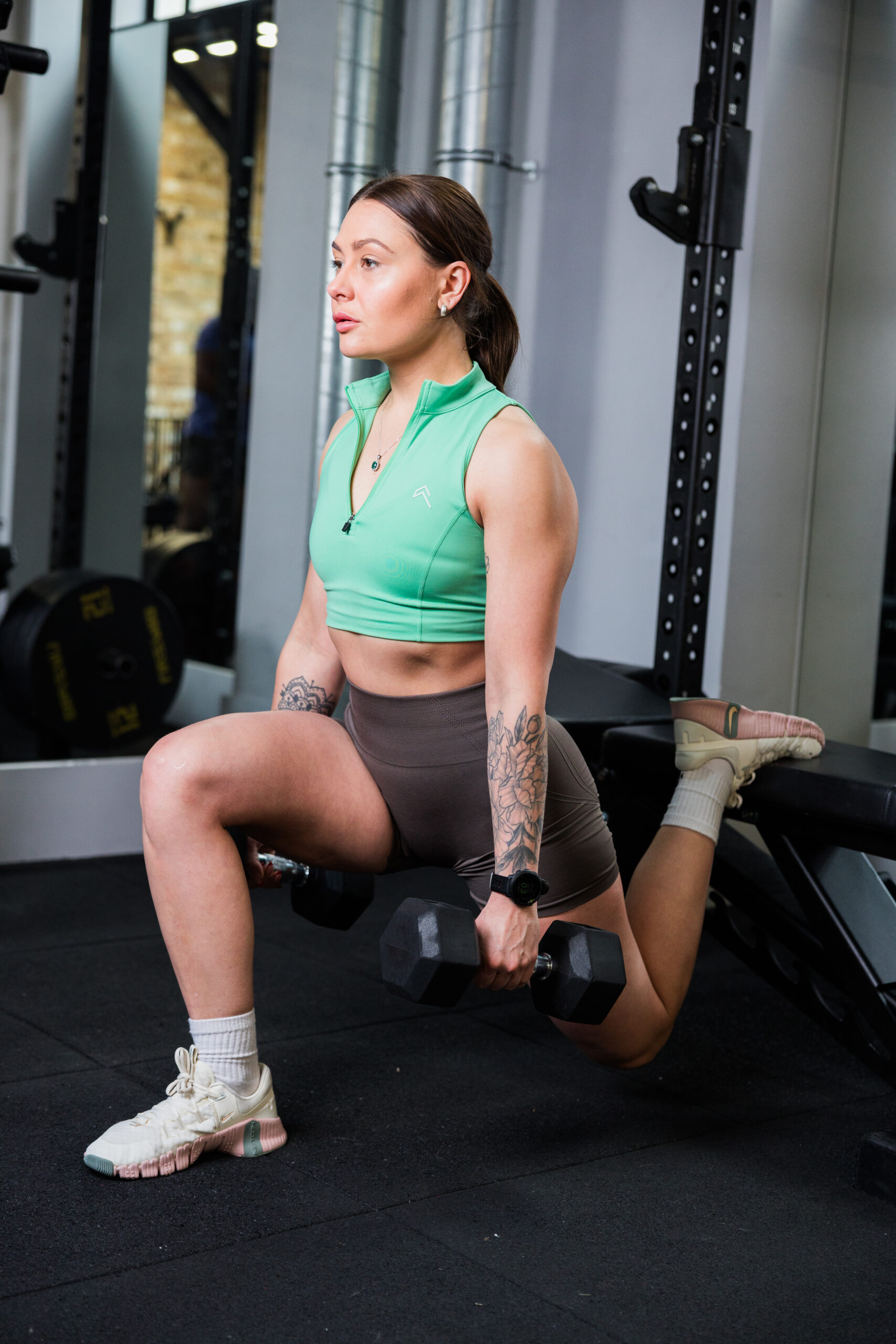
Legs: This one is pretty obvious! It’s everything you do with your lower body. Standing up from a chair, walking up the stairs, or squatting down to pick something up. This uses your quads, hamstrings, glutes, and calves.
That’s it. That’s the entire system. Instead of walking into the gym and just randomly picking exercises, you have a clear focus for each day. On “Push Day,” you only train your pushing muscles. On “Pull Day,” you only train your pulling muscles. And on “Leg Day,” you train your legs. It’s that simple.

Why This Works So Well (From My Experience)
For years, I tried different workout splits with my clients. Full body workouts, upper/lower splits, you name it. But nothing has ever worked as consistently as PPL, and I think it comes down to a few simple reasons.
First, it gives your muscles time to recover. This is the big one. When you have a dedicated Push Day, you are working your chest, shoulders, and triceps hard. Then, for the next 48 hours or more, those muscles get to rest and rebuild while you are training your back, biceps, and legs. This is how you get stronger. You don’t build muscle in the gym; you build it when you are resting. PPL has recovery built right into the system.
Second, it allows you to focus. When you walk into the gym and you know it’s Pull Day, you have a clear mission. You’re not trying to do a million different things at once. You can put all of your energy and focus into training your back and biceps. This leads to better quality workouts, and better quality workouts lead to better results. It’s that simple.
Third, it’s incredibly efficient. Because you are working related muscle groups together, you get a lot of bang for your buck. For example, when you are doing a bench press on Push Day, you are not just working your chest; you are also working your shoulders and triceps. This means you can get a great workout in a reasonable amount of time, which is a huge bonus when you are busy.

Don't Forget Your Core! (My Secret Weapon)
If you look at a classic PPL program online, you might notice that something is missing: dedicated core work. This is a huge mistake, in my opinion. Your core—your abs, obliques, and lower back—is the foundation of everything you do. It’s what keeps you stable when you lift heavy things, it’s what protects your spine from injury, and it’s what gives you a strong, confident posture. [1]
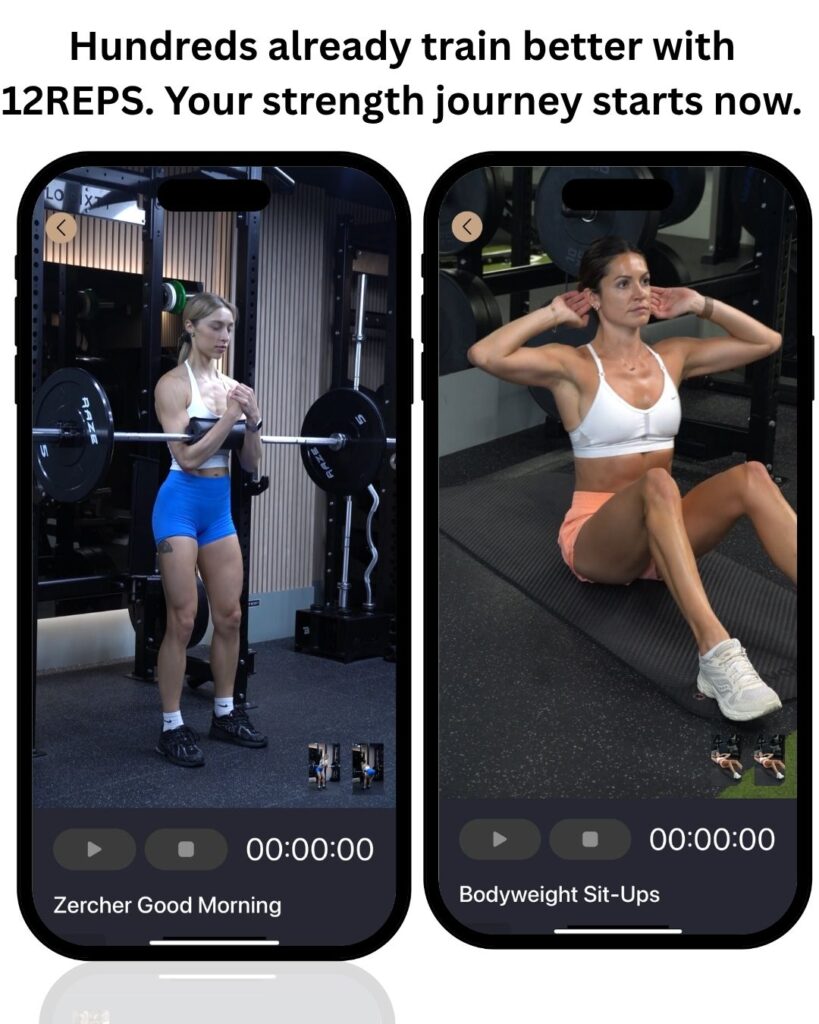
I tell all of my clients that a strong core is their secret weapon. That’s why in the 12reps app, we make sure to include core training in every single program. You don’t need to spend hours doing crunches. A few simple, effective exercises at the end of each workout is all it takes. I like to add one or two core exercises to the end of each Push, Pull, and Leg day. This way, you are training your core frequently throughout the week, without making your workouts too long.

How I Structure the Week for My Clients
One of the best things about the PPL split is how flexible it is. You can adapt it to fit your schedule, no matter how busy you are. Here are the two most common ways I set it up for my clients.
The 3-Day-a-Week Plan (The “I’m Super Busy” Option)
This is the perfect starting point. It’s simple, it’s manageable, and it gives you plenty of time to recover between workouts. With this plan, you are hitting every muscle group with high intensity once a week. It’s the perfect way to build a solid foundation of strength.
Monday: Push Day + Core
Tuesday: Rest
Wednesday: Pull Day + Core
Thursday: Rest
Friday: Leg Day + Core
Saturday & Sunday: Rest
The 4-Day-a-Week Plan (The “I Want a Bit More” Option)
Once my clients get comfortable with the 3-day split and they want to take things to the next level, we often move to a 4-day plan. This allows us to hit our muscles a little more frequently. That fourth “Full Body Day” is a great way to add a little extra volume and stimulate more muscle growth without spending hours in the gym. We usually pick one or two key exercises from each of the PPL days and do them together.
Monday: Push Day + Core
Tuesday: Pull Day
Wednesday: Rest
Thursday: Leg Day + Core
Friday: Full Body Day
Saturday & Sunday: Rest
A Sample Plan to Get You Started
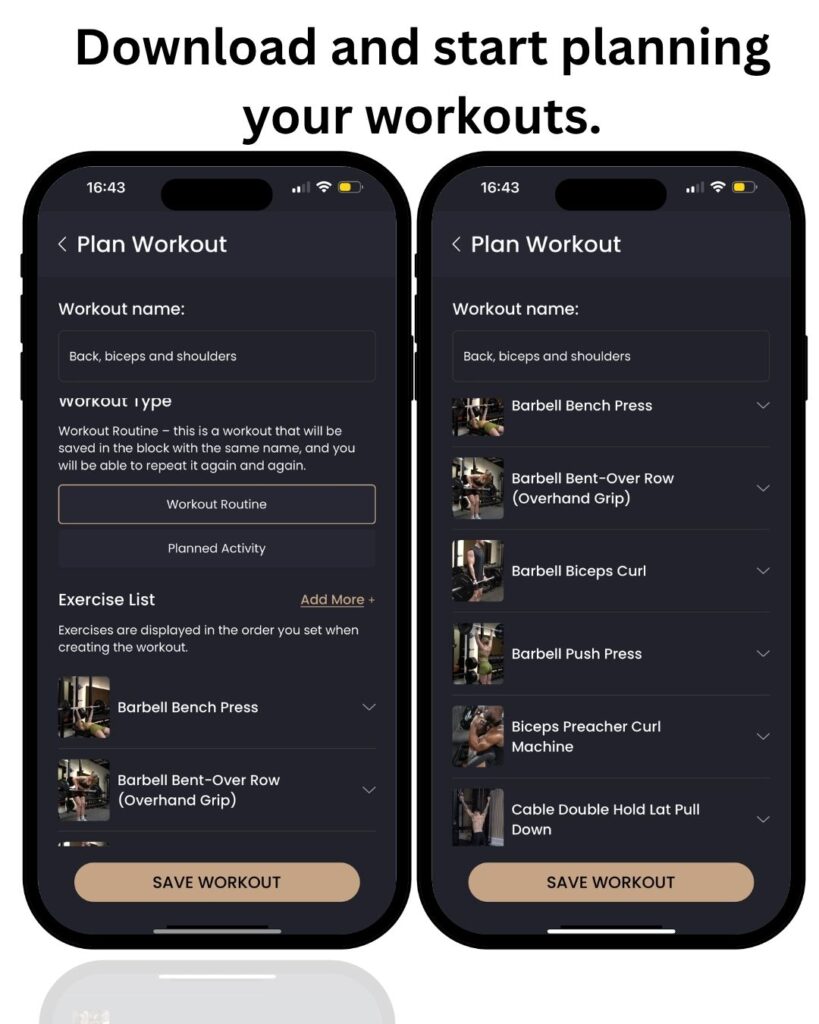
To show you how simple and powerful this can be, here is a sample 3-day PPL and core workout that I would give to one of my clients. This is the exact kind of plan you’ll find in the 12reps app. Remember, this is just a starting point. The key is to focus on good form and to try and get a little bit stronger each week.
My Go-To Push Day
Exercise | Sets | Reps |
Dumbbell Bench Press | 5 | 8-12 |
Dumbbell Shoulder Press | 5 | 8-12 |
Push-Ups | 5 | As many as you can! |
Lateral Raises | 5 | 12-15 |
Tricep Dips (on a bench) | 5 | 10-15 |
Core: Plank | 3 | Hold for 30-60 sec |
My Go-To Pull Day
Exercise | Sets | Reps |
Dumbbell Rows | 5 | 8-12 per arm |
Lat Pulldowns | 5 | 10-15 |
Seated Cable Rows | 5 | 10-15 |
Bicep Curls | 5 | 12-15 |
Face Pulls | 5 | 15-20 |
Core: Leg Raises | 3 | 15-20 |
My Go-To Leg Day
Exercise | Sets | Reps |
Goblet Squats | 5 | 10-15 |
Romanian Deadlifts | 5 | 10-15 |
Lunges | 5 | 10-12 per leg |
Glute Bridges | 5 | 15-20 |
Calf Raises | 5 | 15-20 |
Core: Russian Twists | 3 | 15-20 per side |

References
- [1] Mayo Clinic. (2022). Core exercises: Why you should strengthen your core muscles. https://www.mayoclinic.org/healthy-lifestyle/fitness/in-depth/core-exercises/art-20044751