The Ultimate 30-Day Men’s Gym Challenge for Strength and Fat Loss

Man doing a dumbbell curl in a gym

By Will Duru, BSc (Hons) Sport and Exercise Science, Award-winning Personal Trainer with over 12 years of experience in strength training and optimising recovery.

Are you ready to transform your body, build strength, and forge a lasting fitness habit? As a personal trainer with over a decade of experience in the City of London, I’ve seen firsthand the incredible impact a structured program can have. My passion is helping people build muscle and achieve their fitness goals, and I’ve designed this 30-day challenge to do just that. This isn’t just another workout plan; it’s a comprehensive blueprint for getting yourself in shape and building a foundation for a healthier, stronger you. Over the next 30 days, you will embark on a journey of strength training, disciplined nutrition, and consistent effort that will push your limits and deliver real results.

This challenge is built around a powerful 5-day strength training split that targets all your major muscle groups, ensuring balanced development and optimal recovery. We will also dive deep into the nutritional strategy required to shed fat and build lean muscle.

Close-up of chalked hands gripping a kettlebell

Why Strength Training is a Game-Changer for Men

Strength training is more than just lifting heavy weights and building bigger muscles; it is a cornerstone of long-term health and vitality for men. The benefits extend far beyond the mirror, impacting everything from your metabolism to your mental well-being. Committing to a consistent strength training program is one of the best investments you can make in your physical and mental health.

One of the most significant benefits is an enhanced metabolism. Building muscle increases your resting metabolic rate, meaning your body burns more calories even when you’re not exercising [1]. This makes it easier to manage your weight and reduce body fat, particularly the dangerous visceral fat around your abdomen that is linked to chronic diseases like heart disease and type 2 diabetes [2]. As you build more muscle and lose fat, you will not only look leaner and more defined, but you will also be fundamentally healthier.

Beyond the physical, strength training has profound effects on mental health. Regular resistance exercise has been shown to boost self-esteem, improve body image, and reduce symptoms of anxiety and depression [3]. The act of lifting weights and progressively getting stronger fosters a sense of accomplishment and mental fortitude that carries over into all aspects of life. Furthermore, it improves bone density, reduces the risk of injury by strengthening connective tissues, and enhances your overall quality of life, ensuring you stay active and capable as you age.

Man doing a dumbbell curl in a gym

Building a Habit That Lasts a Lifetime

The magic of a 30-day challenge lies in its power to build habits. Research shows that it takes time and consistency to form a new routine, and a 30-day period is an ideal timeframe to establish a solid foundation for a lifelong fitness journey [4]. The goal here is not just to get through the next month, but to integrate exercise into your life so that it becomes as natural as brushing your teeth.

Consistency is the single most important factor for success. To achieve this, you need to remove as many barriers as possible. Start by finding a time in your day that you can consistently dedicate to your workouts. For many, morning or afternoon sessions are the most reliable. Evening workouts can be risky, as daily fatigue or unexpected commitments after work can easily derail your plans. Block out this time in your calendar as a non-negotiable appointment with yourself.

Proximity is another key factor. Choose a gym that is conveniently located either near your home or your workplace. The less friction there is in getting to your workout, the more likely you are to stick with it. This 30-day challenge is your opportunity to prove to yourself that you can commit, stay consistent, and achieve your goals. It’s about building the discipline and momentum you need to start your fitness journey on the right foot.

Man doing a kneeling exercise with a kettlebell in a gym

The 30-Day Challenge Workout Plan

This program is designed to be intense and effective, requiring one hour per day, five days a week. We will use a 5-day split focusing on a push/pull/legs structure with additional core work. This ensures that each muscle group is worked thoroughly and has ample time to recover. Fridays and Sundays will be active recovery days, where you will perform 15 minutes of light stretching at home to aid recovery and improve flexibility.

For this program, you will use a variety of equipment including dumbbells, kettlebells, barbells, machines, sledges, medicine balls, and your own bodyweight. Starting from week two, you will increase the intensity by including a superset for each workout, increasing the total number of exercises to eight.

Here is the workout split:

  • Day 1: Chest & Back
  • Day 2: Shoulders & Biceps
  • Day 3: Legs & Triceps
  • Day 4: Back, Core & Abs
  • Day 5: Full Body Functional
  • Day 6: Active Recovery (Stretching)
  • Day 7: Rest
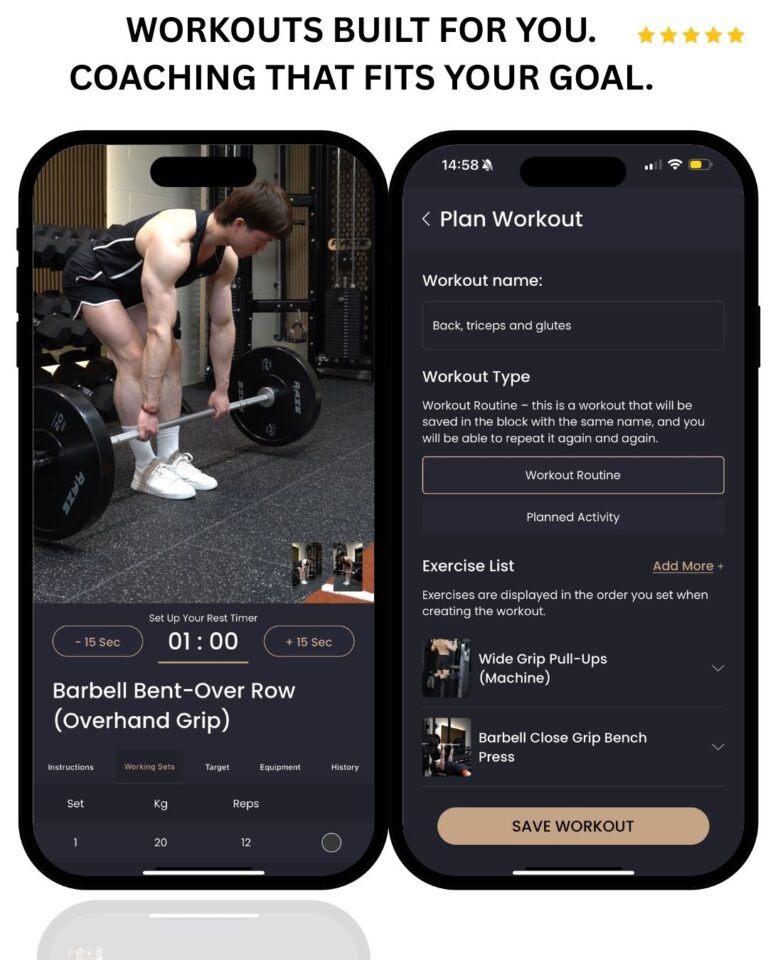
12REPS app workout screens with the text Workouts Built for You

Day 1: Chest & Back

Exercise

Sets

Reps

Rest Period

Barbell Bench Press

4

10-12

60-90s

Pull-Ups (or Lat Pulldown)

4

10-12

60-90s

Incline Dumbbell Press

4

10-12

60-90s

Bent-Over Barbell Rows

4

10-12

60-90s

Cable Crossovers

4

12-15

60s

Seated Cable Rows

4

12-15

60s

Day 2: Shoulders & Biceps

Exercise

Sets

Reps

Rest Period

Seated Dumbbell Shoulder Press

4

10-12

60-90s

Barbell Curls

4

10-12

60-90s

Lateral Raises

5

12-15

60s

Hammer Curls

4

10-12

60-90s

Front Raises

4

12-15

60s

Concentration Curls

4

12-15

60s

Day 3: Legs & Triceps

Exercise

Sets

Reps

Rest Period

Barbell Squats

4

10-12

90s

Close-Grip Bench Press

4

10-12

60-90s

Leg Press

4

12-15

60-90s

Tricep Pushdowns

4

12-15

60s

Romanian Deadlifts

4

10-12

90s

Overhead Tricep Extensions

4

12-15

60s

Day 4: Back, Core & Abs

Exercise

Sets

Reps

Rest Period

Deadlifts

4

6-8

120s

T-Bar Rows

4

10-12

90s

Hanging Leg Raises

4

15-20

60s

Face Pulls

4

15-20

60s

Cable Crunches

4

15-20

60s

Plank

4

60s hold

60s

Day 5: Full Body Functional

Exercise

Sets

Reps

Rest Period

Sled Push

4

20 meters

90s

Kettlebell Farmer’s Walk

4

40 meters

90s

Battle Ropes

5

30s on, 30s off

30s

Box Jumps

4

12

60s

Medicine Ball Slams

4

15

60s

TRX Rows

4

15

60s

Nutrition: Your Fuel for Transformation

Nutrition is just as important as your training. To achieve the goal of losing 5kg in 30 days for an 85kg individual, you need to be in a consistent calorie deficit while consuming enough protein to preserve and build muscle. This process is often called muscle building while in a deficit.

Let’s break down the numbers. To lose approximately 0.5-1kg per week, a daily calorie deficit of 500-700 calories is required. For an 85kg man who is moderately active, a maintenance calorie intake is roughly 2,500 calories. Therefore, a target intake of around 1,900 calories per day is a good starting point.

Here’s a sample macronutrient breakdown:

  • Protein (1.6g per kg of bodyweight): 1.6g x 85kg = 136g of protein. (544 calories)
  • Fats (25% of total calories): (1900 x 0.25) / 9 = ~53g of fat. (477 calories)
  • Carbohydrates (Remaining calories): (1900 – 544 – 477) / 4 = ~220g of carbs. (880 calories)
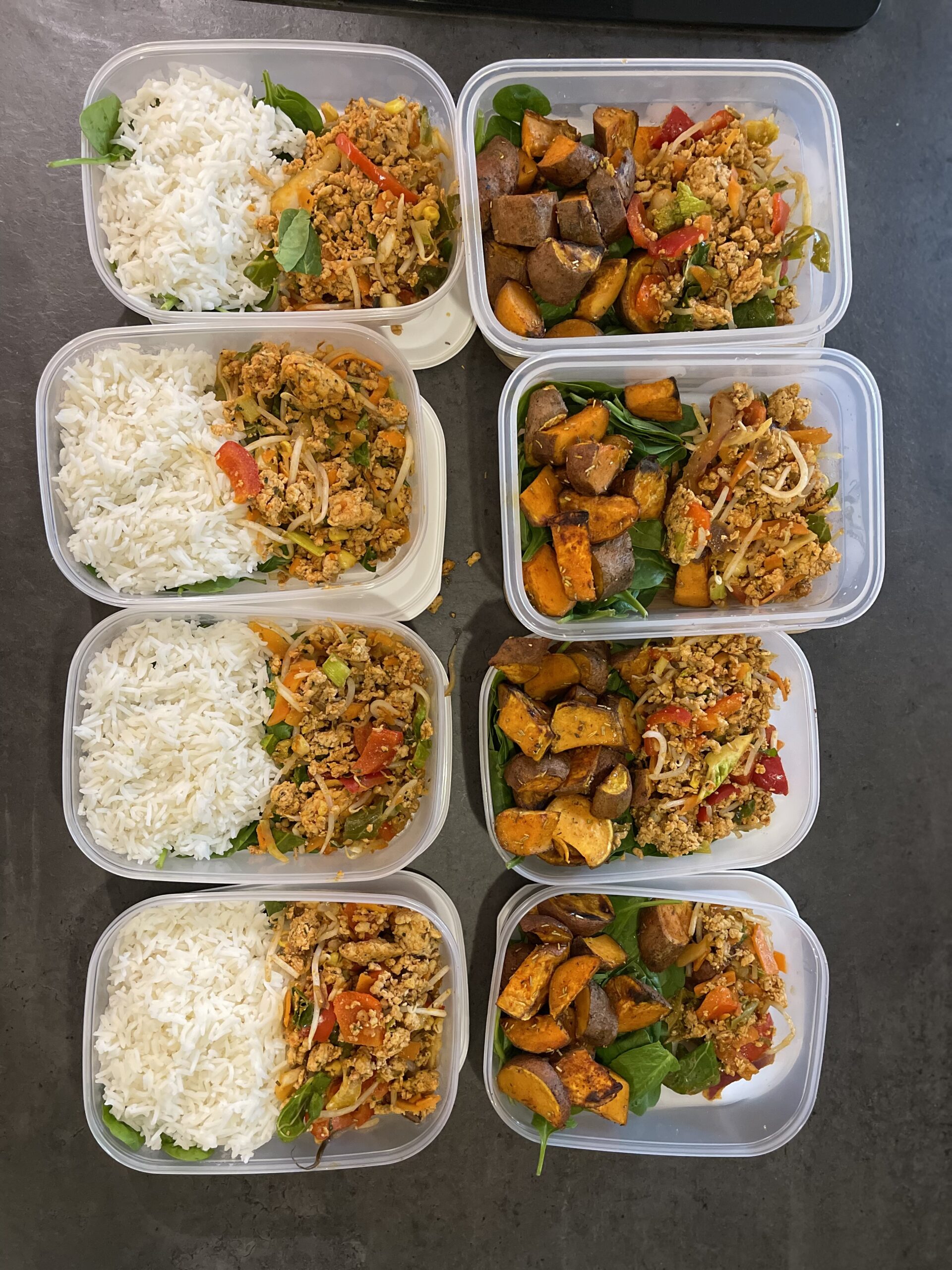
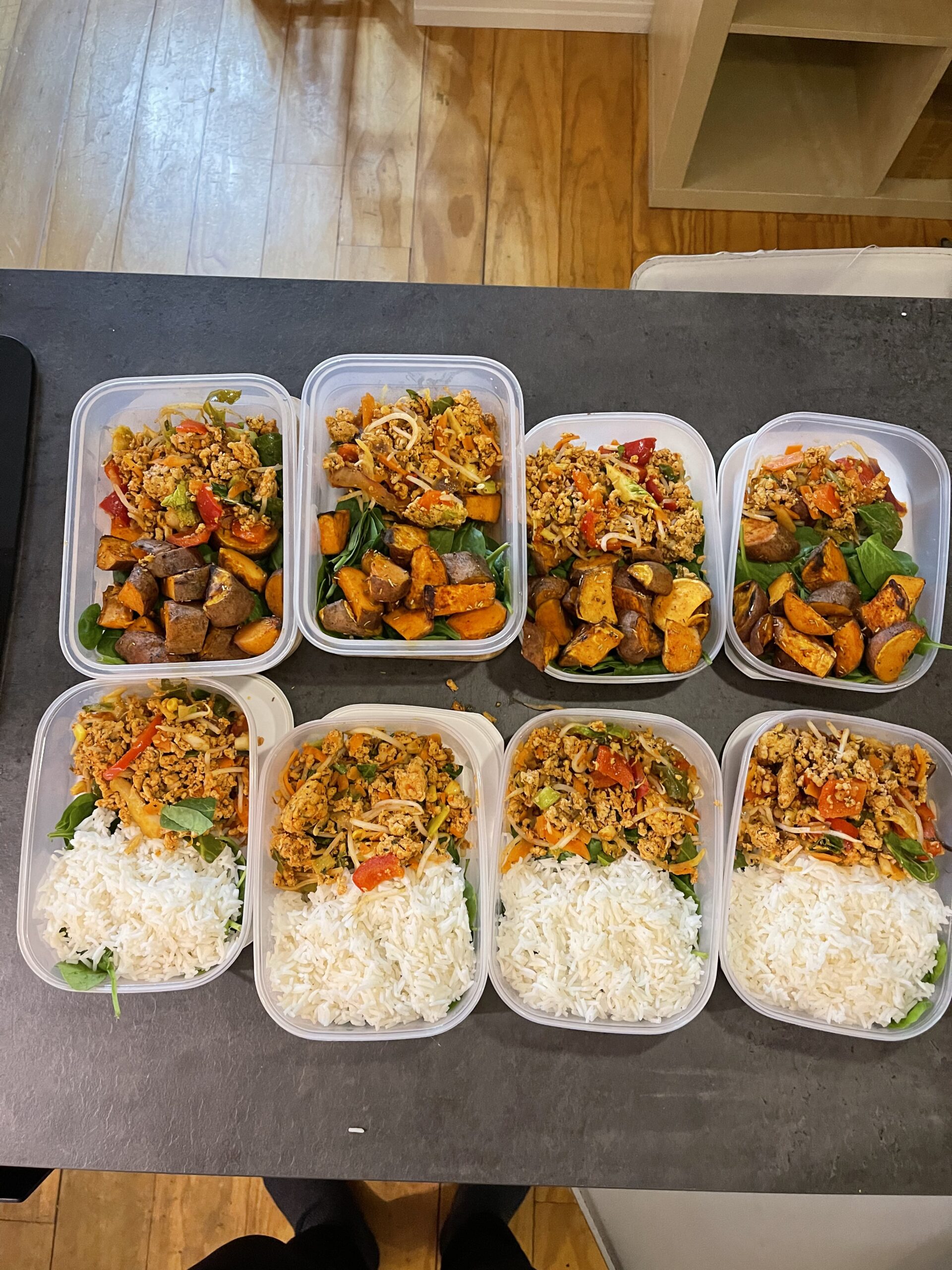
  • To make this manageable, use an app like MyFitnessPal to track your daily intake. Focus on lean protein sources like chicken breast, fish, lean beef, eggs, and Greek yogurt. For supplements, consider incorporating Clear Whey Protein to help you meet your protein goals and Creatine Monohydrate to improve strength and performance.

    12REPS personalised strength training app showing custom workout plans for gym and home training with exercise video demos

    Your 30-Day Transformation Awaits

    This 30-day challenge is more than just a workout plan; it’s a catalyst for change. By committing to this program, you are taking a definitive step towards a stronger, healthier, and more disciplined version of yourself.

    References

    [1] Healthline. (2021). 14 Benefits of Strength Training, Backed by Science. https://www.healthline.com/health/fitness/benefits-of-strength-training

    [2] American Heart Association. (2021). American Heart Association Recommendations for Physical Activity in Adults and Kids. https://www.heart.org/en/healthy-living/fitness/fitness-basics/aha-recs-for-physical-activity-in-adults

    [3] Meacham, J. (2024). Strength training can improve your mental health. Healthline. https://www.healthline.com/health/fitness/benefits-of-strength-training#mental-health-benefits

    [4] USA Triathlon. (2022). 30 Days to Forming New Habits. https://www.usatriathlon.org/articles/training-tips/form-new-habits-in-30-days

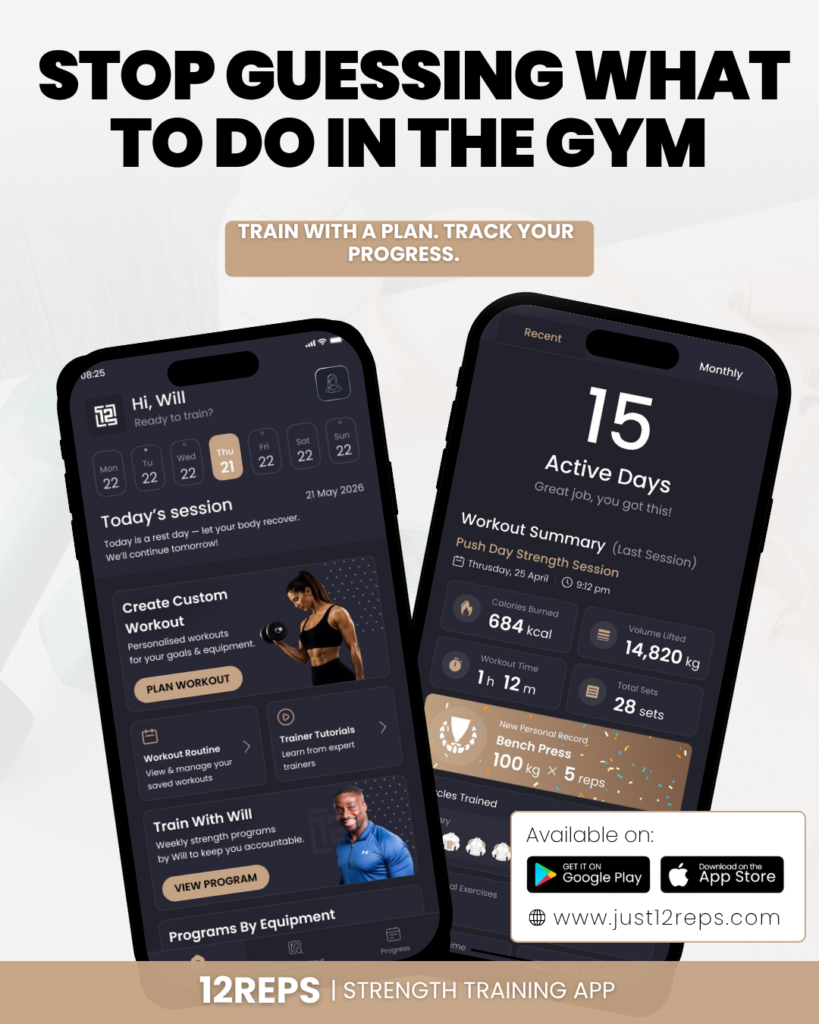
    Want a structured plan to follow between sessions? The 12REPS app has programmes I’ve written, with exercise demos and set-by-set tracking.

    3-Day Strength Training Split for Fat Loss | Bala’s 18kg Transformation

    Personal trainer talking with two women in a gym

    By Will Duru, BSc (Hons) Sport and Exercise Science, Award-winning Personal Trainer

    I’m Will Duru, and for more than a decade, I’ve had the privilege of guiding people on their journey to a stronger, healthier life. I’ve seen countless transformations, but some stories stick with you. The story of my client, Bala, is one of them. When Bala walked into my gym for the first time, he carried the weight of his goal on his shoulders: to shed 18kg of body fat. He was new to the world of fitness, intimidated by the complex machines and the sea of unfamiliar faces. He needed more than just a workout plan; he needed a clear, simple, and sustainable path to follow. He needed a program that would not only deliver results but also build his confidence and make him feel at home in the gym.

    I designed a 3-day push/pull/legs strength training split for him, combined with interval cardio in zone 3 to maximise fat burning. The results were nothing short of amazing. Over the course of 12 months, Bala not only lost the 18kg of body fat he had set out to lose, but he also gained significant strength and built a solid foundation of lean muscle.

    In this article, I’m going to share the exact 12-month program I created for Bala. This isn’t just a generic workout plan; it’s a comprehensive guide designed for beginners who are ready to commit to a real change. We’ll break down the workouts, explain the science behind the methods, and give you the tools you need to embark on your own transformation. My promise to you is to keep it simple, direct, and effective. Let’s get started.

    Two photos of a man in a suit at different stages of his transformation

    The Power of the Push/Pull/Legs Split

    The push/pull/legs split is a time-tested, scientifically backed training methodology that has proven effective for individuals of all fitness levels. It’s a simple yet powerful way to organise your training week, and it’s the foundation of the program that led to Bala’s incredible success. Let’s delve deeper into why this split is so effective:

  • Enhanced Focus and Intensity: By focusing on a specific group of muscles each session, you can channel all your energy and focus into them. This allows for a higher level of intensity during your workouts, which is a key driver of muscle growth and fat loss. When you’re not fatigued from working your entire body, you can push each muscle group to its absolute limit, maximising the stimulus for adaptation.
  •  
  • Greater Training Volume: The push/pull/legs split allows for higher training volume per muscle group than full-body workouts. Volume, calculated as sets x reps x weight, is a critical factor in muscle hypertrophy. By dedicating an entire session to a specific muscle group, you can perform more exercises and sets for that group, leading to greater overall growth.
  •  
  • Improved Mind-Muscle Connection: With a focused training split, you can develop a stronger mind-muscle connection. This is the ability to consciously feel and contract the target muscle during an exercise. A strong mind-muscle connection ensures the right muscles do the work, leading to better results and a lower risk of injury.
  •  
  • It’s Simple: You train all your pushing muscles (chest, shoulders, triceps) on one day, your pulling muscles (back, biceps) on another, and your lower body (quads, hamstrings, glutes, calves) on the third day. This makes it easy to remember and follow.
  •  
  • Optimal Recovery: By splitting your workouts this way, you give each muscle group ample time to recover before retraining it. This is crucial for muscle growth and preventing injuries.
  •  
  • High Intensity: Because you’re only training a few muscle groups each day, you can hit them with high intensity and volume, which is essential for stimulating muscle growth and burning calories.
  • Man doing a lunge with dumbbells in a gym

    Supercharging Fat Loss with Interval Cardio

    To accelerate Bala’s fat loss journey, we strategically incorporated interval cardio into his program. We specifically targeted Zone 3 cardio, which corresponds to an intensity level of 70-80% of your maximum heart rate. This “sweet spot” is highly effective for maximising fat oxidation (i.e., burning fat for fuel). Here’s a closer look at how we implemented this powerful tool:

  • Increased Caloric Expenditure: Interval training is highly effective for burning a significant number of calories in a short time. The intense bursts of effort, followed by brief recovery periods, keep your heart rate elevated and your metabolism revved up, even after your workout is over. This “afterburn” effect, known as excess post-exercise oxygen consumption (EPOC), means you continue to burn calories at an elevated rate for hours after you leave the gym.
  •  
  • Hormonal Response: High-intensity interval training has been shown to stimulate the release of growth hormone and other hormones that promote fat loss and muscle growth. This hormonal response, combined with the caloric expenditure, creates an optimal environment for body recomposition.
  •  
  • Time Efficiency: Let’s be honest, we’re all busy. Interval training is a time-efficient way to get a great cardio workout. You can achieve the same, if not better, results in 20-30 minutes of interval training as you would in a longer, steady-state cardio session.
  •  
  • Treadmill Intervals: We would alternate between periods of high-intensity running and recovery walking. For example, 1 minute of running followed by 2 minutes of walking, repeated for 20-30 minutes.
  • This type of training is not only effective for fat loss, but it also improves your cardiovascular health and endurance.

    Person running on a waterfront path with a bridge behind

    Nutrition for Fat Loss: The Missing Piece of the Puzzle

    Before we dive into the workout program, it’s crucial to understand that you can’t out-train a bad diet. Nutrition is the cornerstone of any successful fat loss journey. Bala’s transformation was as much about what he ate as it was about how he trained. Here are the key nutritional principles that he followed:

    • Caloric Deficit: To lose fat, you must be in a caloric deficit, meaning you consume fewer calories than you burn. We calculated Bala’s daily caloric needs and created a moderate deficit of about 500 calories per day. This allowed him to lose fat at a steady and sustainable pace without feeling deprived.
     
    • High Protein Intake: Protein is essential for preserving muscle mass while in a caloric deficit. We made sure that Bala was consuming 1.6-2.2 grams of protein per kilogram of his body weight each day. This helped him stay full and satisfied, and it ensured that he was losing fat, not muscle.
     
     
    • Whole, Unprocessed Foods: We focused on a diet rich in whole, unprocessed foods like lean meats, fish, fruits, vegetables, and whole grains. These foods are nutrient-dense and provide the vitamins and minerals your body needs to function optimally.
     
    • Hydration: Staying hydrated is crucial for overall health and performance. Bala aimed to drink at least 3-4 litres of water per day.

    By combining a sound nutritional strategy with a consistent training program, Bala achieved his fat-loss goals without resorting to extreme diets or unsustainable practices.

    Bala’s 12-Month Transformation Blueprint

    This 12-month program is the exact blueprint that Bala followed to achieve his remarkable 18kg fat loss. It’s divided into four distinct 3-month phases, each designed to build upon the previous one. The key to success with this program is consistent progression. As you get stronger and fitter, you must continue to challenge your body by increasing the weight you lift, the number of repetitions you perform, or the number of sets you complete.

    Warm-up (10 minutes)

    Start every workout with a 10-minute warm-up:

  • Incline walk on a treadmill or rowing for 10 minutes.
  • Then, perform these mobility stretches:

    Stretch

    Sets

    Reps/Duration

    Cat-Cow

    2

    10 reps

    World’s Greatest Stretch

    2

    5 reps/side

    Hamstring Stretch

    2

    30 sec/side

    The Workouts

    Here are the three workouts you’ll perform each week. Aim to have a rest day between each workout (e.g., Monday, Wednesday, Friday).

    Workout 1: Push Day (Chest, Shoulders, Triceps)

    Exercise

    Sets

    Reps

    Rest (seconds)

    Barbell Bench Press

    5

    8-12

    90

    Seated Dumbbell Press

    5

    10-15

    60

    Incline Dumbbell Press

    5

    10-12

    60

    Dumbbell Lateral Raises

    5

    12-15

    60

    Tricep Dips (assisted)

    5

    12-15

    60

    TRX Tricep Extensions

    5

    15-20

    60

    Workout 2: Pull Day (Back, Biceps)

    Exercise

    Sets

    Reps

    Rest (seconds)

    Pull-Ups (assisted)

    5

    6-10

    90

    Bent-Over Barbell Rows

    5

    8-12

    90

    Lat Pulldown

    5

    10-15

    60

    Seated Cable Row

    5

    12-15

    60

    Barbell Curls

    5

    10-12

    60

    TRX Bicep Curls

    5

    15-20

    60

    Workout 3: Leg Day (Quads, Hamstrings, Glutes, Calves)

    Exercise

    Sets

    Reps

    Rest (seconds)

    Barbell Squats

    5

    8-12

    90

    Romanian Deadlifts

    5

    10-15

    60

    Leg Press

    5

    12-15

    60

    Hip Thrusts

    5

    12-15

    60

    Box Jumps

    5

    10

    60

    Sled Push

    5

    20m

    90

    Core Finisher

    After each workout, perform this core finisher circuit. Complete 3 rounds with minimal rest between exercises and 60 seconds of rest between rounds.

    Exercise

    Duration/Reps

    Plank

    45 seconds

    Flutter Kicks

    45 seconds

    Decline Sit-ups

    10 reps

    Cool-down (10 minutes)

    End each session with a 10-minute cool-down:

  • Stairmaster at a low intensity or an incline walk on the treadmill.
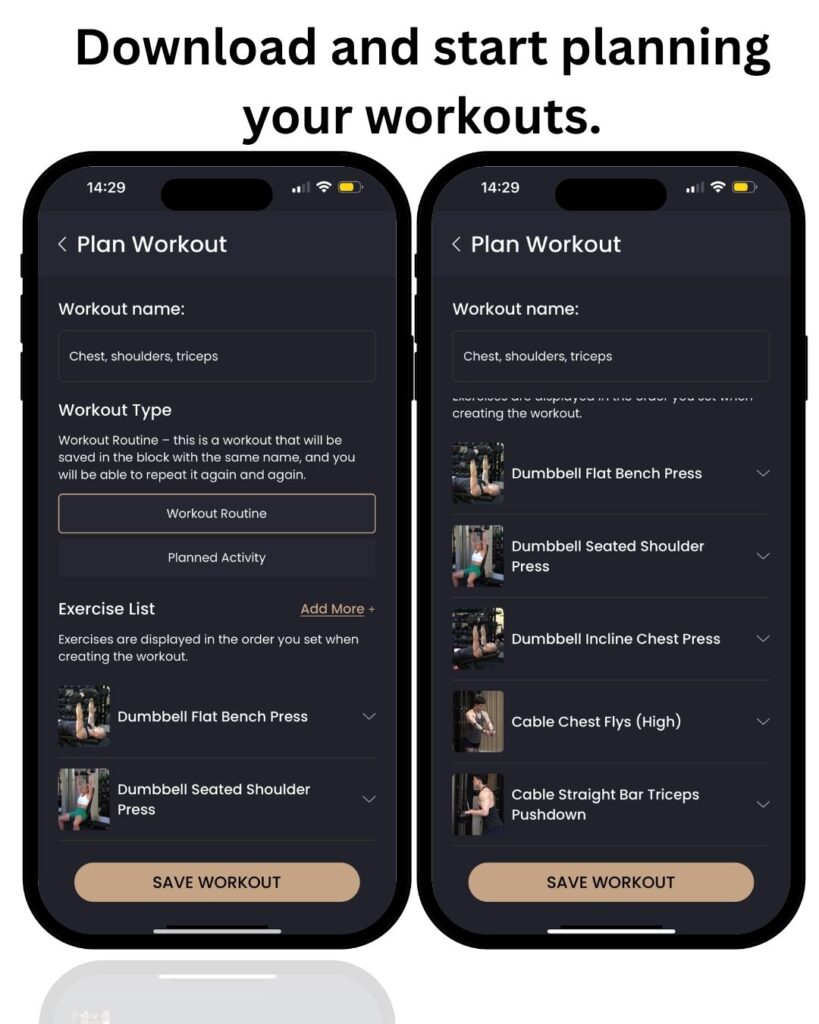
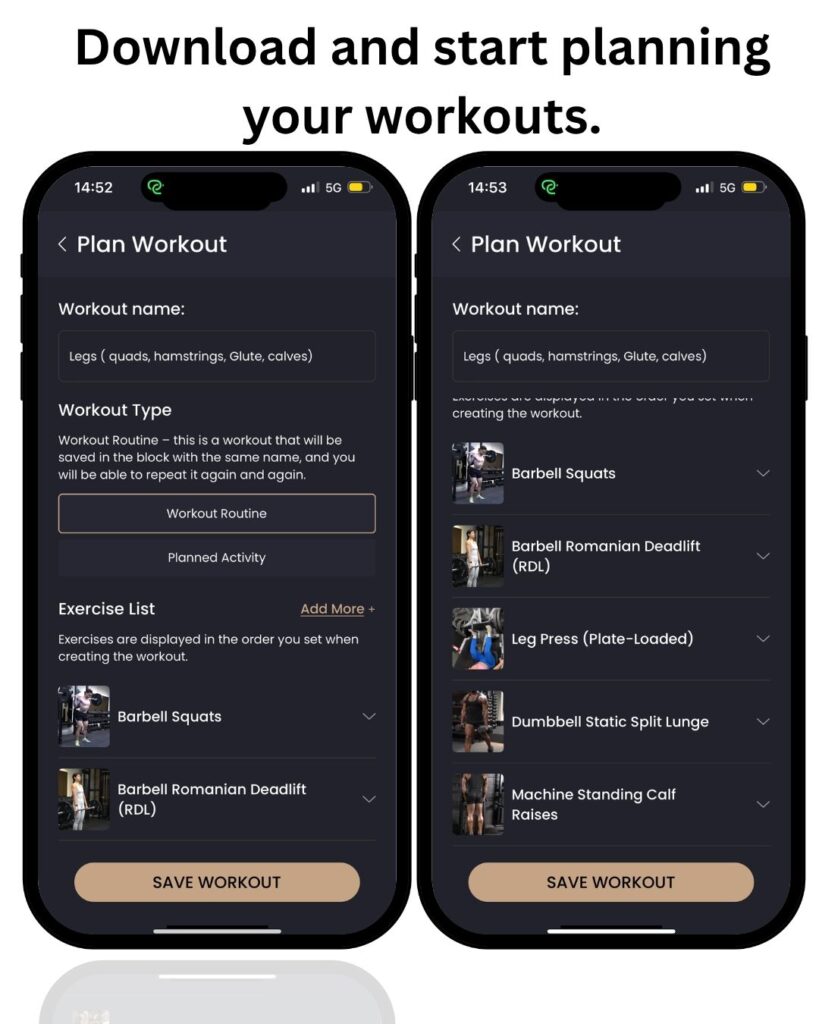
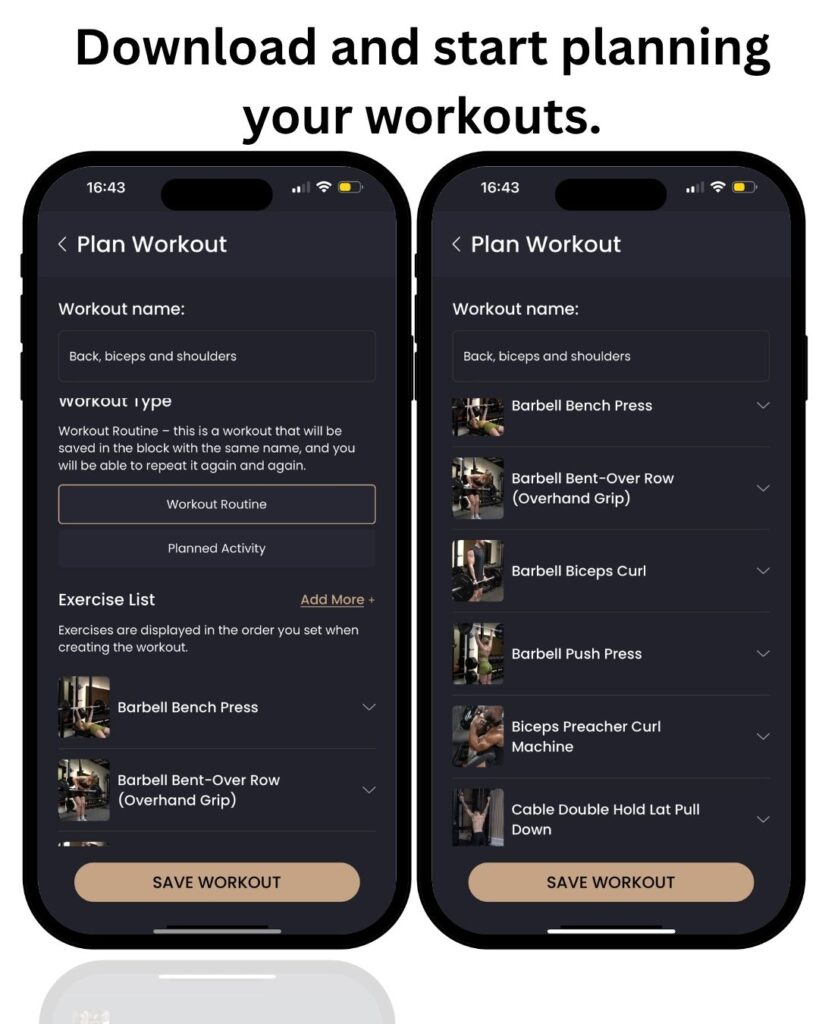
  • 12REPS app workout screens with the text Download and start planning your workouts

    Your Digital Coach

    Bala’s incredible transformation was a result of his unwavering consistency and his meticulous approach to tracking his progress.

    12REPS app exercise video screens with the text Download the 12REPS App Now

    Conclusion

    Bala’s journey is a powerful reminder that with the right plan, unwavering consistency, and a determined mindset, anything is possible. Losing 18kg of body fat is a life-changing achievement, and it’s a goal that is within your reach. This 3-day strength training split is not just a workout plan; it’s a roadmap to a new you. It’s a blueprint for building a stronger, healthier, and more confident version of yourself. Embrace the process, stay committed to your goals, and trust in your ability to transform. The results will speak for themselves, and you’ll be amazed at what you can achieve.

    Want a structured plan to follow between sessions? The 12REPS app has programmes I’ve written, with exercise demos and set-by-set tracking.