Push Pull Legs: A Personal Trainer’s 6-Week Programme for Real Results

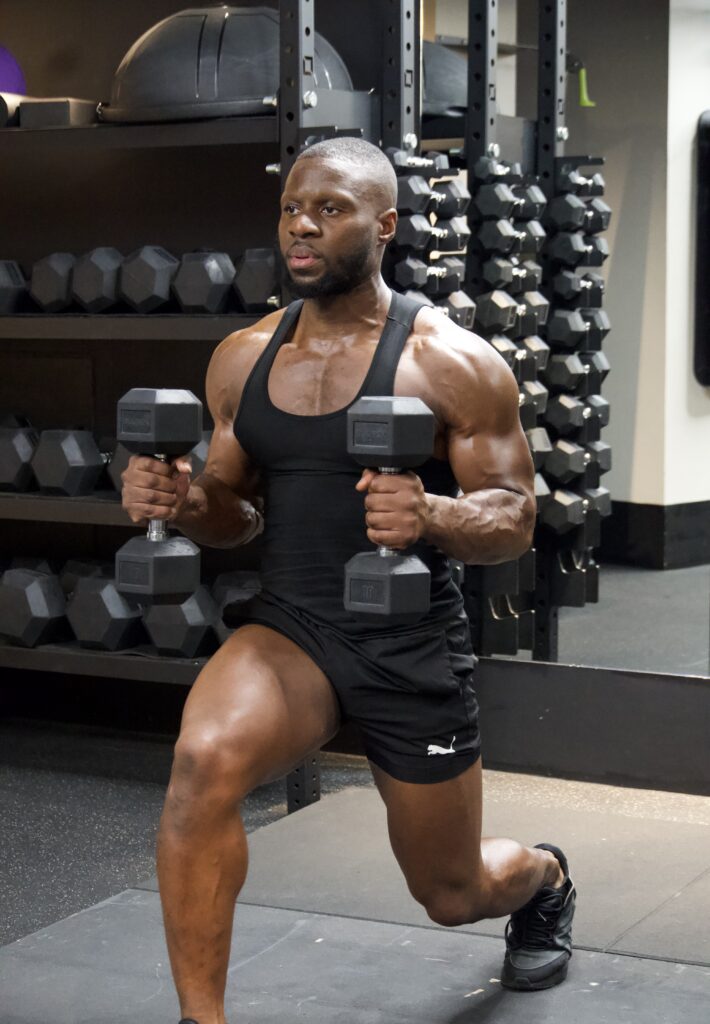
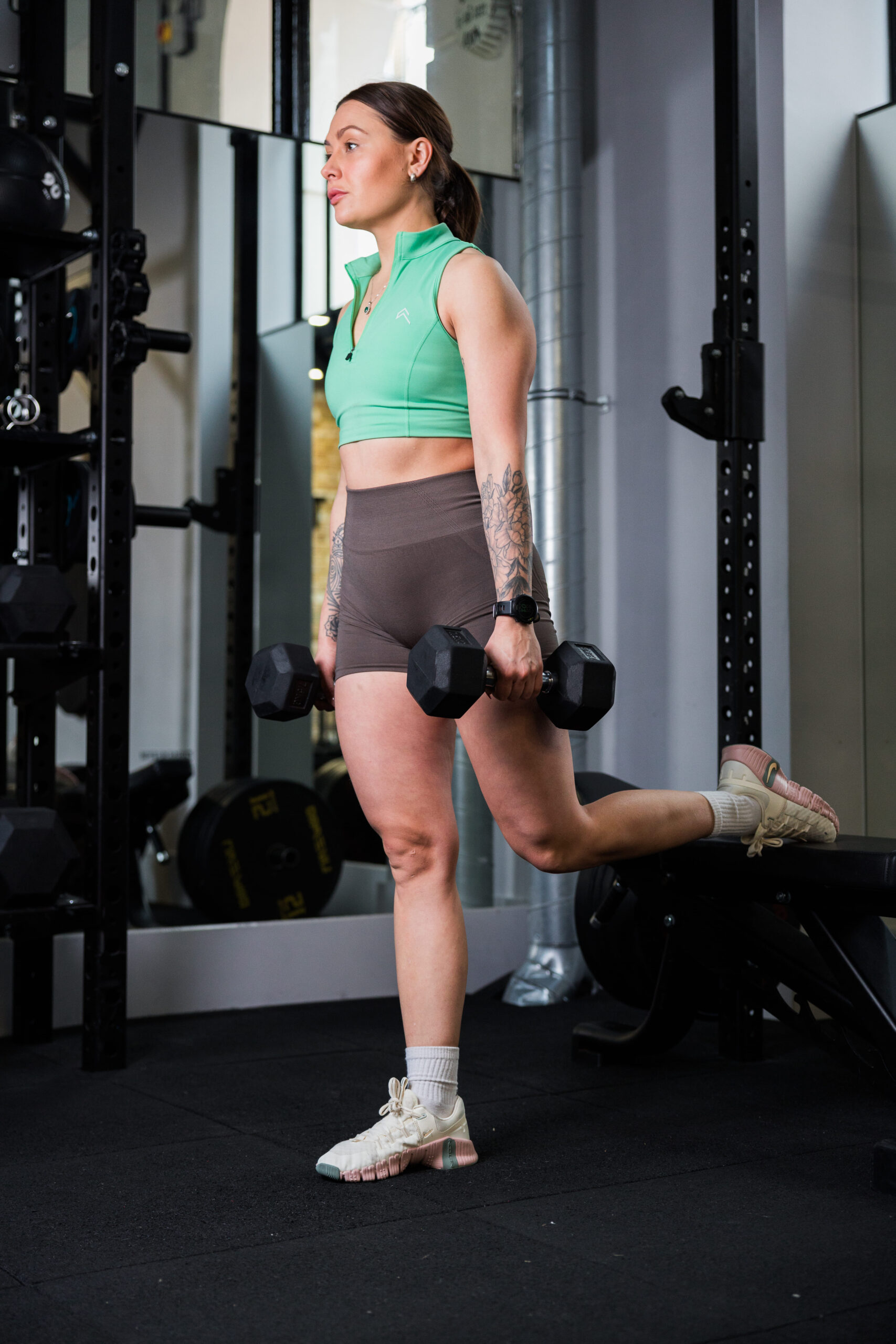
dumbbell burgrian split squats

Every second fitness influencer posts their “optimal PPL split.”

They’ve copied each other so many times the same exercises appear in the same order with the same rep schemes. Most have never actually coached someone through six weeks of structured training.

I’ve been using push/pull/legs with clients in London since 2015. Not because it’s trendy—because it consistently produces results when programmed properly. And “programmed properly” means accounting for the fact that Sarah’s shoulder clicks on overhead press, Mike can only train three days weekly, and Emma’s got a demanding job that sometimes means she shows up running on five hours sleep.

Here’s a six-week PPL programme built from actual coaching experience. Not theory. Experience.

best personal trainer in lodnon

Why Push/Pull/Legs Actually Works

Before we get into the programme, let’s talk about why this split makes sense.

Push days: You train all your pushing muscles—chest, shoulders, triceps. They all work together in pressing movements anyway, so training them together is efficient.

Pull days: You train your pulling muscles—back, biceps, rear delts. Again, they work together in rowing and pulling movements.

Leg days: Self-explanatory. Quads, hamstrings, glutes, calves. Everything below the waist.

The beauty of this split: each muscle group gets hit directly once per week with high volume, plus it gets indirect work on related days. Your triceps work on push day, then again indirectly when you press on chest movements. Your biceps work on pull day, then again when you row.

Net result: twice-weekly stimulus per muscle group without actually training each muscle twice. Intelligent efficiency.

Do I Need a Personal Trainer? A PT's Honest Answer

Where Most Online PPL Programmes Fall Apart

I’ve reviewed probably fifty different PPL templates clients have brought to me from Reddit, YouTube, or fitness blogs. They share the same fundamental flaws:

They’re built for people with unlimited time. Six training days weekly sounds great until you’ve got a work deadline, a sick kid, or just general life fatigue. Miss one session and the whole structure collapses.

They dump high volume on beginners. I’ve seen programmes prescribing 20+ sets for chest in a single session for someone who’s been training three months. That’s not ambitious—it’s stupid. Your body can’t recover from that volume if you’re not adapted to it.

There’s no progression map. Just a list of exercises and rep ranges. Brilliant. So when you can suddenly do 12 reps at a weight you struggled with for 8 reps last month, what then? Add weight? Add reps? Add sets? The programme doesn’t tell you, so you guess. And guessing isn’t programming.

They’re one-size-fits-all templates. Dodgy shoulder? Doesn’t matter, overhead press is in the programme. Can’t deadlift without lower back pain? Too bad, it’s pull day. No consideration for individual limitations or modifications.

I’ve built this programme to address every one of those issues based on what actually happens when real people follow real training plans.

dumbbell squats

The 6-Week Progressive PPL Programme

This programme runs 3-4 days weekly. You can run it as:

  • 3-day version: PPL, rest, repeat (hits each muscle once every 5 days)
  • 4-day version: PPL, rest, PPL, rest, rest (preferred—hits each muscle roughly twice every 9-10 days)

I’ve found the 4-day version works best for most clients. You get adequate stimulus without excessive fatigue, and you’ve got built-in recovery.

Weeks 1-2: Foundation Phase

Focus: Learning movements, establishing baseline strength, neural adaptation.

Push Day

  1. Barbell Bench Press: 3 sets x 8-10 reps
  2. Dumbbell Shoulder Press: 3 sets x 10-12 reps
  3. Incline Dumbbell Press: 3 sets x 10-12 reps
  4. Lateral Raises: 3 sets x 12-15 reps
  5. Tricep Rope Pushdowns: 3 sets x 12-15 reps
  6. Overhead Tricep Extension: 2 sets x 12-15 reps

Rest: 90-120 seconds between sets

Pull Day

  1. Deadlifts: 3 sets x 6-8 reps
  2. Pull-ups or Lat Pulldown: 3 sets x 8-10 reps
  3. Barbell Rows: 3 sets x 8-10 reps
  4. Face Pulls: 3 sets x 15-20 reps
  5. Dumbbell Curls: 3 sets x 10-12 reps
  6. Hammer Curls: 2 sets x 12-15 reps

Rest: 90-120 seconds between sets

Leg Day

  1. Barbell Back Squat: 4 sets x 8-10 reps
  2. Romanian Deadlifts: 3 sets x 10-12 reps
  3. Leg Press: 3 sets x 12-15 reps
  4. Walking Lunges: 3 sets x 10 reps per leg
  5. Leg Curls: 3 sets x 12-15 reps
  6. Calf Raises: 3 sets x 15-20 reps

Rest: 120-180 seconds between compound movements, 60-90 seconds for isolation

Progression Week 1-2: Add 2.5-5kg to each compound lift if you hit all reps with good form. Don’t add weight to isolation exercises yet—focus on perfecting form.

Weeks 3-4: Volume Phase

Focus: Increased training volume, muscle growth stimulus, work capacity.

Same exercises, but volume increases:

Push Day

  1. Barbell Bench Press: 4 sets x 8-10 reps
  2. Dumbbell Shoulder Press: 4 sets x 10-12 reps
  3. Incline Dumbbell Press: 3 sets x 10-12 reps
  4. Lateral Raises: 4 sets x 12-15 reps
  5. Tricep Rope Pushdowns: 3 sets x 12-15 reps
  6. Overhead Tricep Extension: 3 sets x 12-15 reps

Pull Day

  1. Deadlifts: 4 sets x 6-8 reps
  2. Pull-ups or Lat Pulldown: 4 sets x 8-10 reps
  3. Barbell Rows: 4 sets x 8-10 reps
  4. Face Pulls: 4 sets x 15-20 reps
  5. Dumbbell Curls: 4 sets x 10-12 reps
  6. Hammer Curls: 3 sets x 12-15 reps

Leg Day

  1. Barbell Back Squat: 4 sets x 8-10 reps
  2. Romanian Deadlifts: 4 sets x 10-12 reps
  3. Leg Press: 4 sets x 12-15 reps
  4. Walking Lunges: 3 sets x 12 reps per leg
  5. Leg Curls: 4 sets x 12-15 reps
  6. Calf Raises: 4 sets x 15-20 reps

Progression Week 3-4: Continue adding weight to compounds where possible. Start pushing weight on isolation exercises if form is solid.

Weeks 5-6: Intensity Phase

Focus: Heavier loads, strength development, pushing capacity.

Volume comes back down slightly, but intensity goes up:

Push Day

  1. Barbell Bench Press: 4 sets x 6-8 reps (heavier than weeks 3-4)
  2. Dumbbell Shoulder Press: 4 sets x 8-10 reps (heavier)
  3. Incline Dumbbell Press: 3 sets x 8-10 reps
  4. Lateral Raises: 3 sets x 12-15 reps
  5. Close-Grip Bench Press: 3 sets x 8-10 reps
  6. Overhead Tricep Extension: 3 sets x 10-12 reps

Pull Day

  1. Deadlifts: 4 sets x 4-6 reps (heavier)
  2. Weighted Pull-ups or Heavy Lat Pulldown: 4 sets x 6-8 reps
  3. Barbell Rows: 4 sets x 6-8 reps (heavier)
  4. Face Pulls: 3 sets x 15-20 reps
  5. Barbell Curls: 4 sets x 8-10 reps (heavier)
  6. Hammer Curls: 3 sets x 10-12 reps

Leg Day

  1. Barbell Back Squat: 5 sets x 5-6 reps (heavier)
  2. Romanian Deadlifts: 4 sets x 8-10 reps
  3. Bulgarian Split Squats: 3 sets x 8-10 reps per leg
  4. Leg Extensions: 3 sets x 10-12 reps
  5. Leg Curls: 3 sets x 10-12 reps
  6. Calf Raises: 4 sets x 12-15 reps

Progression Week 5-6: Focus on hitting the prescribed rep ranges with heavier loads than weeks 1-4. This is where you test your progress.

bodyweight reverse lunges

Exercise Modifications Based on What I've Seen Work

After programming PPL for hundreds of clients, here are the modifications that consistently work:

If You Can’t Barbell Bench Press

Issue: Shoulder pain, mobility limitations, no spotter

Solution: Dumbbell bench press or push-ups (weighted if needed)

I’ve had clients build impressive chest development with zero barbell pressing. Dumbbells often feel better on shoulders anyway.

If Deadlifts Aggravate Your Back

Issue: Lower back history, technique still developing

Solution: Trap bar deadlifts or rack pulls from knee height

You still get the posterior chain stimulus without the same spinal load. Build up, don’t push through pain.

If You Can’t Do Pull-Ups Yet

Issue: Not strong enough for bodyweight pull-ups

Solution:

  • Weeks 1-2: Lat pulldown (heavy, 8-10 reps)
  • Weeks 3-4: Assisted pull-ups or negative pull-ups
  • Weeks 5-6: Band-assisted pull-ups

Most female clients I work with can’t do strict pull-ups initially. Within 12-16 weeks of this progression, most can do 3-5 reps.

If Squats Hurt Your Knees

Issue: Knee tracking issues, mobility limitations, previous injury

Solution: Goblet squats, box squats, or leg press emphasis

Not everyone should barbell back squat. There’s no prize for forcing a movement that doesn’t suit your body.

The Warm-Up Nobody Wants to Do (But Should)

I’ve watched three clients tear pec muscles by walking into the gym and loading up the bench press immediately. All three thought warm-ups were for “old people” or “beginners.”

They’re now very familiar with physiotherapy waiting rooms.

Every session needs a proper warm-up. Not Instagram-worthy dynamic stretching routines. Just sensible preparation:

General warm-up (5 minutes): Get your heart rate up and blood flowing. Rowing machine, bike, treadmill, whatever. You should feel warm but not tired.

Movement prep (3-4 minutes): If it’s push day: arm circles, band pull-aparts, light shoulder rotations If it’s pull day: band pull-aparts, scapular retractions, light lat stretches If it’s leg day: bodyweight squats, leg swings, hip circles

Specific warm-up (2-3 sets): Take your first compound lift. Do it with minimal weight.

  • Set 1: Empty bar or very light dumbbells, 10-12 reps, focus on movement quality
  • Set 2: About 40-50% of your working weight, 6-8 reps, start feeling the movement
  • Set 3 (optional): 60-70% of working weight, 3-5 reps, final check before work sets

Total time investment: 10-12 minutes. Total reduction in injury risk: massive.

When a client tells me they’re “too busy” for warm-ups, I ask if they’re too busy for a three-month injury layoff. Usually sorts the priority issue.

personal trainer london

The Nutrition Reality Check

I can give you the perfect training programme. You can execute it flawlessly. And you’ll still make disappointing progress if you’re eating like a teenager surviving on meal deals.

This programme demands fuel. Here’s what that actually means:

Protein isn’t negotiable Target: 1.6-2.2g per kilogram of bodyweight daily. For a 75kg person, that’s 120-165g.

Most clients I work with initially eat about 60-80g daily. They wonder why muscles aren’t growing. The stimulus is there from training. The building materials aren’t there from nutrition.

Every meal needs a protein source. Not “I had some cheese at lunch.” A proper portion: chicken breast, fish, Greek yoghurt, eggs, protein powder if convenient.

Energy needs to match output You can’t run this programme on 1,500 calories daily and expect to build strength or muscle. Your body needs energy to train hard and recover properly.

If you’re trying to build muscle: slight calorie surplus (200-300 above maintenance) If you’re trying to recomp: eat around maintenance If you’re trying to lose fat whilst maintaining muscle: small deficit maximum (300-400 below maintenance)

Massive deficits and high-volume training don’t mix. You’ll feel terrible, recover poorly, and probably get injured.

Post-training nutrition matters I’m not going to tell you there’s a magical 30-minute anabolic window. There isn’t.

But eating something with protein within a couple hours post-training helps. Carbs after training also help replenish glycogen and improve recovery.

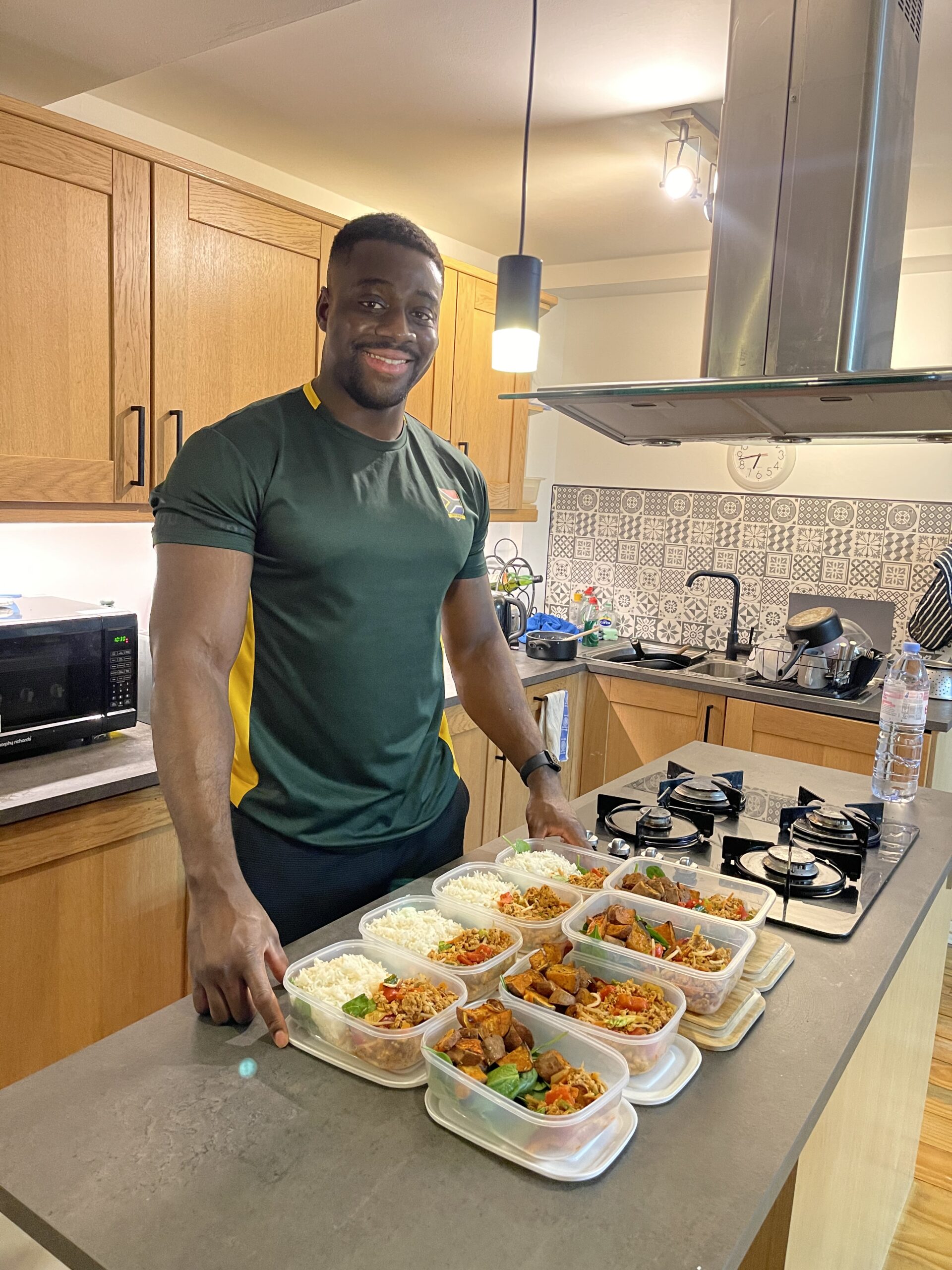
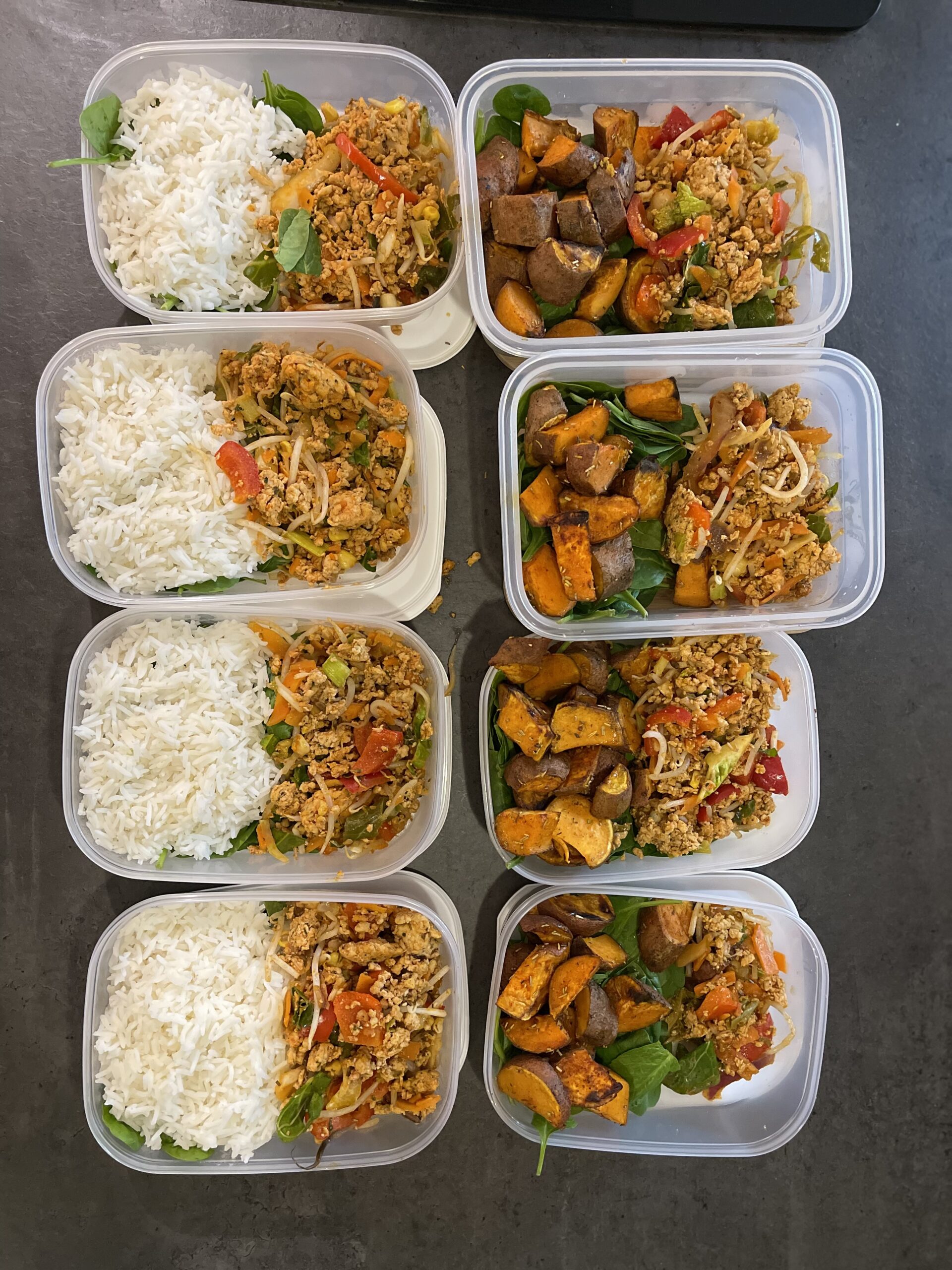
This doesn’t need to be complicated: protein shake and banana. Chicken and rice. Greek yoghurt and fruit. Whatever you’ll actually eat consistently.

Water isn’t exciting but it’s essential 2-3 litres daily minimum. More on training days.

I’ve had clients blame the programme for poor performance when they were chronically dehydrated. You can’t train properly when your body is running dry.

Client example: James followed this programme perfectly for three weeks, saw minimal progress. We tracked his nutrition. He was eating 85g protein daily on a 90kg frame whilst trying to build muscle. We increased to 160g daily. Next three weeks? Strength jumped noticeably, recovery improved, visual changes appeared.

The training works. But nutrition has to support it.

Not Eating Enough Protein

Common Mistakes I See with PPL Splits

After watching hundreds of people run push/pull/legs, these errors repeat constantly:

Mistake 1: Going Too Heavy Too Soon

Ego lifting on week one. Form breaks down. You’re not building muscle—you’re rehearsing injuries.

Start lighter than you think you need. Perfect the movement. Add weight progressively. You’ll be lifting heavier in week six than if you started too heavy in week one and stalled by week three.

Mistake 2: Skipping Leg Days

“I’ll just do push/pull twice weekly and skip legs.”

No. Stop.

Your legs are literally half your body. Training them drives systemic adaptation. They boost overall muscle growth through hormonal response. And you’ll look ridiculous with a developed upper body and chicken legs.

Mistake 3: Not Progressing

Using the same weights for six weeks because “they feel about right.”

If you’re not progressively overloading, you’re not following the programme. The progression scheme is built in. Use it.

Mistake 4: Adding Random Exercises

“I’ll just add some extra chest flyes and another curl variation.”

The programme has enough volume. More isn’t better—better is better. Adding exercises randomly undermines recovery and dilutes focus from the main lifts.

Mistake 5: Training Through Pain

Discomfort is normal. Sharp pain, joint pain, pain that alters your movement—not normal.

If something hurts, modify or skip it. I’ve given you substitutions. Use them. Don’t be the person who turns a minor issue into a major injury because you “didn’t want to miss a session.”

Ultimate Lower-Body Workout: Kettlebells & Machines | 12Reps App

How to Actually Track Whether This Is Working

“I think I’m getting stronger” isn’t data. It’s a feeling. Feelings lie.

You need objective measures to know if this programme is producing results or if you’re spinning wheels.

Log these every single session:

  • Exercise name
  • Weight used
  • Reps completed per set
  • How the movement felt (smooth, grinding, painful, easy)

Use a notebook, your phone’s notes app, a spreadsheet, whatever. Just track it. I’ve had clients train for months thinking they were progressing, then we review their logs and discover they’ve been using the same weights for 12 weeks.

Can’t remember what you lifted last session? You’re guessing on progression. Guessing isn’t programming.

Check these every two weeks:

  • Bodyweight (same time of day, after toilet, before eating)
  • Progress photos (same lighting, same angles, same time of day—otherwise comparisons are useless)
  • Key measurements: chest, waist, arms, thighs (not essential but helpful)
  • Recovery quality: sleeping well? Appetite normal? Energy levels decent?

What success actually looks like after six weeks:

Your main compound lifts should be 10-20% stronger. If you started benching 60kg for 8 reps, you should be hitting 66-72kg for 8 reps. If you’re not seeing this kind of progression, something’s off—execution, nutrition, or recovery.

Visible changes should be appearing. Maybe not dramatic transformation, but definition improving, shoulders looking broader, clothes fitting differently.

Movement quality should be noticeably better. What felt awkward in week one should feel natural by week six.

If none of these things are happening, the programme isn’t the problem. Consistency, intensity, nutrition, or recovery is the problem.

What Happens After 6 Weeks

This isn’t a complete programme—it’s a foundation phase.

After six weeks, you need to:

Option 1: Deload and Repeat Take one week at 60% volume/intensity, then run the 6 weeks again with heavier starting weights.

Option 2: Progress to Higher Frequency Move to a 6-day PPL split (PPLPPL rest) if recovery allows and you want more volume.

Option 3: Switch Splits Try upper/lower, full body, or body part splits to provide novel stimulus.

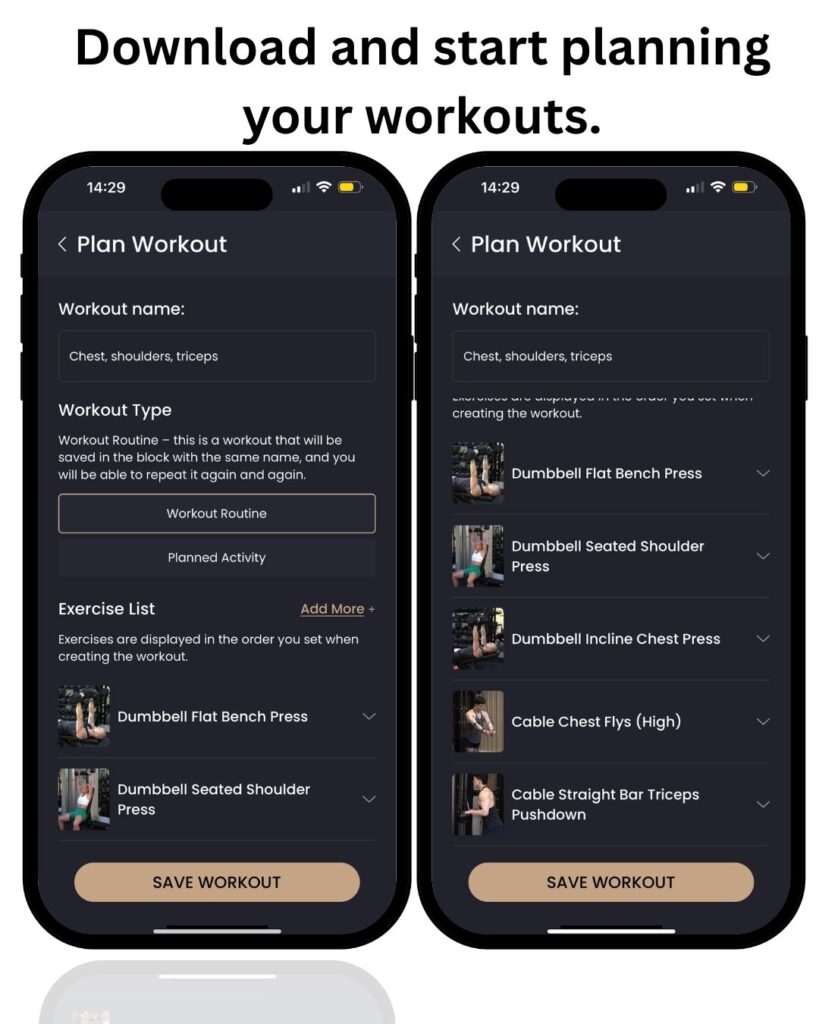
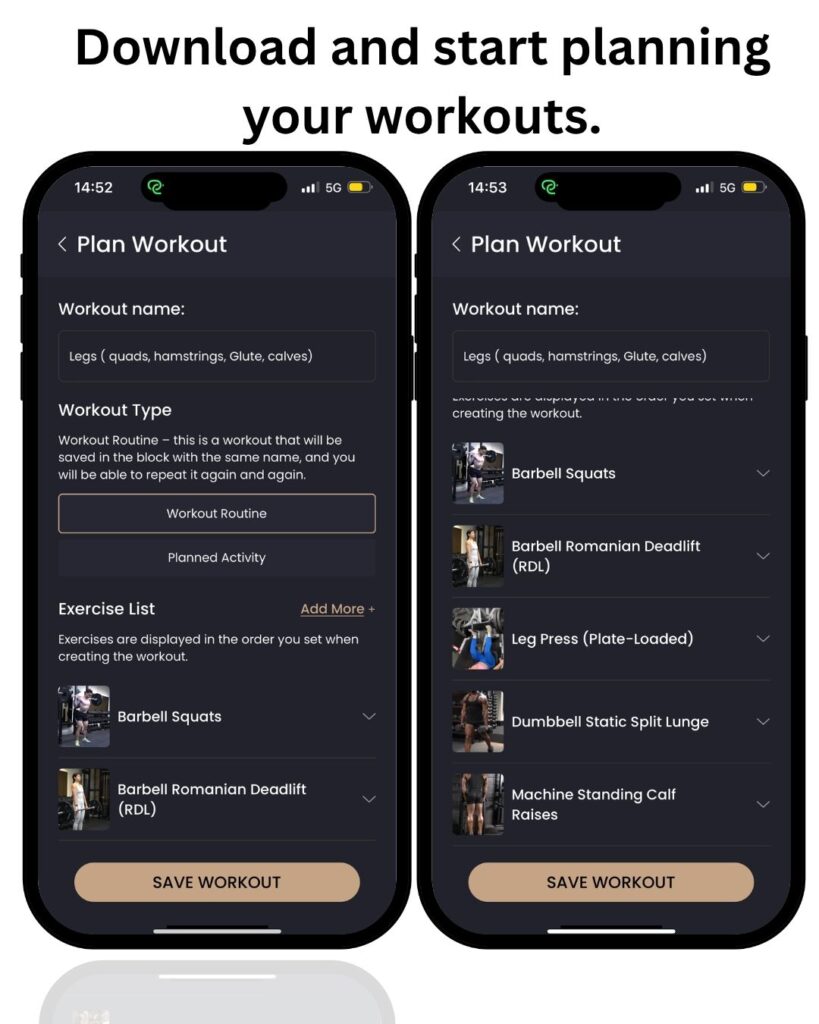
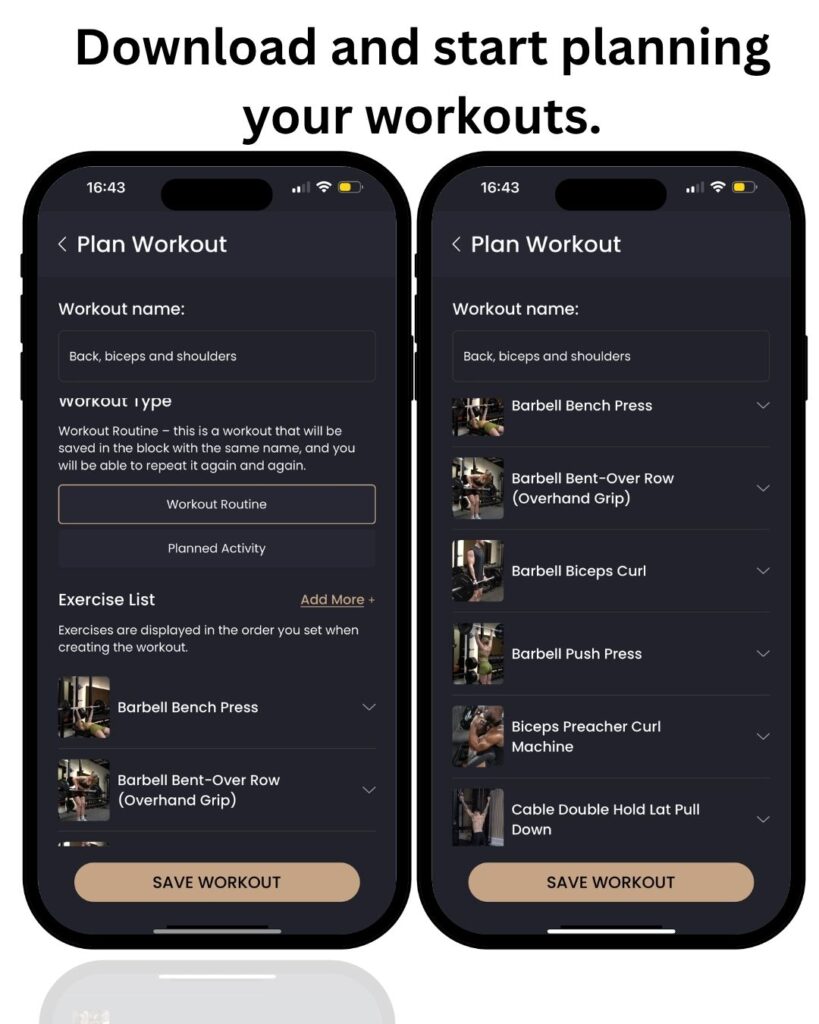
Option 4: Get Professional Programming Work with a trainer for customised progression, or download the 12REPS app to plan your workouts with intelligent progression built in. The app structures training based on my methodology and adapts to your response. Check out just12reps.com for more information on how it works.

Most clients I work with do well repeating this cycle 2-3 times before switching approaches. The key is continuing to progress, not endlessly searching for the “perfect” programme.

12REPS personalised strength training app showing custom workout plans for gym and home training with exercise video demos

Who This Programme Works Best For

This isn’t a complete programme—it’s a foundation phase.

After six weeks, you need to:

Option 1: Deload and Repeat Take one week at 60% volume/intensity, then run the 6 weeks again with heavier starting weights.

Option 2: Progress to Higher Frequency Move to a 6-day PPL split (PPLPPL rest) if recovery allows and you want more volume.

Option 3: Switch Splits Try upper/lower, full body, or body part splits to provide novel stimulus.

Option 4: Get Professional Programming Work with a trainer for customised progression, or download the 12REPS app to plan your workouts with intelligent progression built in. The app structures training based on my methodology and adapts to your response. Check out just12reps.com for more information on how it works.

Most clients I work with do well repeating this cycle 2-3 times before switching approaches. The key is continuing to progress, not endlessly searching for the “perfect” programme.

Who This Programme Works Best For

Based on my experience, this PPL split is ideal for:

Intermediate Lifters

  • 6+ months consistent training
  • Comfortable with compound movements
  • Can train 3-4 days weekly consistently

People Who Like Structure

  • Clear progression plan
  • Defined focus each session
  • Measurable progress markers

Those Building Muscle

  • Adequate volume per muscle group
  • Good frequency distribution
  • Progressive overload built in

Not Ideal For:

  • Complete beginners (full-body 3x weekly is better initially)
  • People who can only train 2 days weekly (upper/lower split is better)
  • Those recovering from major injuries (need more customisation)
dumbbell burgrian split squats

My Honest Assessment

Push/pull/legs is one of the most effective splits I use with clients.

It’s not perfect for everyone. Nothing is.

But it provides adequate volume, good frequency, intelligent exercise grouping, and clear progression. When executed properly with appropriate nutrition and recovery, it produces results.

The programme I’ve given you here accounts for what I’ve learned over a decade: real people have real limitations. They miss sessions. They have tight schedules. They experience minor aches and need modifications.

That’s not failure—that’s reality.

The programme that works is the one you can actually follow consistently. Not the theoretical perfect programme you can’t sustain.

Run this for six weeks. Track your progress honestly. Adjust where needed based on your individual response.

Then decide: repeat it, progress to higher volume, or try something different.

But give it six weeks first. One month isn’t enough to know if any programme works. Six weeks gives you real data.


About Will Duru: BSc-qualified personal trainer with over 10 years experience training clients across London. Creator of the 12REPS app and specialist in evidence-based training methods. Available for in-person training and consultations.

Related Articles:

  • Strength Training for Women: What I Wish Every Beginner Knew
  • Do I Need a Personal Trainer? A PT’s Honest Answer
  • How to Choose a Personal Trainer in London

The Ultimate 30-Day Men’s Gym Challenge for Strength and Fat Loss

The Ultimate 30-Day Men's Gym Challenge for Strength and Fat Loss

By Will Duru, BSc (Hons) Sport and Exercise Science, Award-winning Personal Trainer with over 10 years of experience in strength training and optimising recovery.


Are you ready to transform your body, build strength, and forge a lasting fitness habit? As a personal trainer with over a decade of experience in the City of London, I’ve seen firsthand the incredible impact a structured program can have. My passion is helping people build muscle and achieve their fitness goals, and I’ve designed this 30-day challenge to do just that. This isn’t just another workout plan; it’s a comprehensive blueprint for getting yourself in shape and building a foundation for a healthier, stronger you. Over the next 30 days, you will embark on a journey of strength training, disciplined nutrition, and consistent effort that will push your limits and deliver real results.

This challenge is built around a powerful 5-day strength training split that targets all your major muscle groups, ensuring balanced development and optimal recovery. We will also dive deep into the nutritional strategy required to shed fat and build lean muscle. To guide you every step of the way, we’ll be using the 12reps app, a powerful workout tracker that will help you organize your workouts, monitor your progress, and stay on track. Let’s get started.

Ultimate Lower-Body Workout: Kettlebells & Machines | 12Reps App

Why Strength Training is a Game-Changer for Men

Strength training is more than just lifting heavy weights and building bigger muscles; it is a cornerstone of long-term health and vitality for men. The benefits extend far beyond the mirror, impacting everything from your metabolism to your mental well-being. Committing to a consistent strength training program is one of the best investments you can make in your physical and mental health.

One of the most significant benefits is an enhanced metabolism. Building muscle increases your resting metabolic rate, meaning your body burns more calories even when you’re not exercising [1]. This makes it easier to manage your weight and reduce body fat, particularly the dangerous visceral fat around your abdomen that is linked to chronic diseases like heart disease and type 2 diabetes [2]. As you build more muscle and lose fat, you will not only look leaner and more defined, but you will also be fundamentally healthier.

Beyond the physical, strength training has profound effects on mental health. Regular resistance exercise has been shown to boost self-esteem, improve body image, and reduce symptoms of anxiety and depression [3]. The act of lifting weights and progressively getting stronger fosters a sense of accomplishment and mental fortitude that carries over into all aspects of life. Furthermore, it improves bone density, reduces the risk of injury by strengthening connective tissues, and enhances your overall quality of life, ensuring you stay active and capable as you age.

CAN YOU BUILD MUSCLE AFTER 30? YES! EXPERT GUIDE TO MUSCLE GROWTH

Building a Habit That Lasts a Lifetime

The magic of a 30-day challenge lies in its power to build habits. Research shows that it takes time and consistency to form a new routine, and a 30-day period is an ideal timeframe to establish a solid foundation for a lifelong fitness journey [4]. The goal here is not just to get through the next month, but to integrate exercise into your life so that it becomes as natural as brushing your teeth.

Consistency is the single most important factor for success. To achieve this, you need to remove as many barriers as possible. Start by finding a time in your day that you can consistently dedicate to your workouts. For many, morning or afternoon sessions are the most reliable. Evening workouts can be risky, as daily fatigue or unexpected commitments after work can easily derail your plans. Block out this time in your calendar as a non-negotiable appointment with yourself.

Proximity is another key factor. Choose a gym that is conveniently located either near your home or your workplace. The less friction there is in getting to your workout, the more likely you are to stick with it. This 30-day challenge is your opportunity to prove to yourself that you can commit, stay consistent, and achieve your goals. It’s about building the discipline and momentum you need to start your fitness journey on the right foot.

Ultimate Lower-Body Workout: Kettlebells & Machines | 12Reps App

The 30-Day Challenge Workout Plan

This program is designed to be intense and effective, requiring one hour per day, five days a week. We will use a 5-day split focusing on a push/pull/legs structure with additional core work. This ensures that each muscle group is worked thoroughly and has ample time to recover. Fridays and Sundays will be active recovery days, where you will perform 15 minutes of light stretching at home to aid recovery and improve flexibility.

For this program, you will use a variety of equipment including dumbbells, kettlebells, barbells, machines, sledges, medicine balls, and your own bodyweight. Starting from week two, you will increase the intensity by including a superset for each workout, increasing the total number of exercises to eight.

Here is the workout split:

  • Day 1: Chest & Back
  • Day 2: Shoulders & Biceps
  • Day 3: Legs & Triceps
  • Day 4: Back, Core & Abs
  • Day 5: Full Body Functional
  • Day 6: Active Recovery (Stretching)
  • Day 7: Rest
strength training app The Ultimate Men's Gym Challenge

Workout Tables

Day 1: Chest & Back

Exercise

Sets

Reps

Rest Period

Barbell Bench Press

4

10-12

60-90s

Pull-Ups (or Lat Pulldown)

4

10-12

60-90s

Incline Dumbbell Press

4

10-12

60-90s

Bent-Over Barbell Rows

4

10-12

60-90s

Cable Crossovers

4

12-15

60s

Seated Cable Rows

4

12-15

60s


Day 2: Shoulders & Biceps

Exercise

Sets

Reps

Rest Period

Seated Dumbbell Shoulder Press

4

10-12

60-90s

Barbell Curls

4

10-12

60-90s

Lateral Raises

5

12-15

60s

Hammer Curls

4

10-12

60-90s

Front Raises

4

12-15

60s

Concentration Curls

4

12-15

60s


Day 3: Legs & Triceps

Exercise

Sets

Reps

Rest Period

Barbell Squats

4

10-12

90s

Close-Grip Bench Press

4

10-12

60-90s

Leg Press

4

12-15

60-90s

Tricep Pushdowns

4

12-15

60s

Romanian Deadlifts

4

10-12

90s

Overhead Tricep Extensions

4

12-15

60s


Day 4: Back, Core & Abs

Exercise

Sets

Reps

Rest Period

Deadlifts

4

6-8

120s

T-Bar Rows

4

10-12

90s

Hanging Leg Raises

4

15-20

60s

Face Pulls

4

15-20

60s

Cable Crunches

4

15-20

60s

Plank

4

60s hold

60s


Day 5: Full Body Functional

Exercise

Sets

Reps

Rest Period

Sled Push

4

20 meters

90s

Kettlebell Farmer’s Walk

4

40 meters

90s

Battle Ropes

5

30s on, 30s off

30s

Box Jumps

4

12

60s

Medicine Ball Slams

4

15

60s

TRX Rows

4

15

60s


Nutrition: Your Fuel for Transformation

Nutrition is just as important as your training. To achieve the goal of losing 5kg in 30 days for an 85kg individual, you need to be in a consistent calorie deficit while consuming enough protein to preserve and build muscle. This process is often called muscle building while in a deficit.

Let’s break down the numbers. To lose approximately 0.5-1kg per week, a daily calorie deficit of 500-700 calories is required. For an 85kg man who is moderately active, a maintenance calorie intake is roughly 2,500 calories. Therefore, a target intake of around 1,900 calories per day is a good starting point.

Here’s a sample macronutrient breakdown:

  • Protein (1.6g per kg of bodyweight): 1.6g x 85kg = 136g of protein. (544 calories)
  • Fats (25% of total calories): (1900 x 0.25) / 9 = ~53g of fat. (477 calories)
  • Carbohydrates (Remaining calories): (1900 – 544 – 477) / 4 = ~220g of carbs. (880 calories)

To make this manageable, use an app like MyFitnessPal to track your daily intake. Focus on lean protein sources like chicken breast, fish, lean beef, eggs, and Greek yogurt. For supplements, consider incorporating Clear Whey Protein to help you meet your protein goals and Creatine Monohydrate to improve strength and performance.


Your Digital Trainer: The 12reps App

To make this challenge seamless, you will use the 12reps app. This app is your personal trainer in your pocket. You can build this entire workout program within the app by navigating to ‘Build Your Routine’. This allows you to have your workouts planned and ready to go.

The app features over 1,500 exercise demos performed by certified personal trainers, so you can ensure your form is correct and safe. You can easily log your weights, reps, and sets for every exercise, which is crucial for tracking your progress and ensuring you are progressively overloading your muscles. Use the app’s built-in stopwatch to time your rest periods accurately. You can even share your personal bests on social media to keep yourself motivated. Download the app and get your for free trial to get started.

12REPS personalised strength training app showing custom workout plans for gym and home training with exercise video demos

Your 30-Day Transformation Awaits

This 30-day challenge is more than just a workout plan; it’s a catalyst for change. By committing to this program, you are taking a definitive step towards a stronger, healthier, and more disciplined version of yourself. The combination of intense training, precise nutrition, and the powerful tools within the 12reps app provides you with everything you need to succeed. Embrace the challenge, stay consistent, and get ready to see incredible results.


References

[1] Healthline. (2021). 14 Benefits of Strength Training, Backed by Science. https://www.healthline.com/health/fitness/benefits-of-strength-training

[2] American Heart Association. (2021). American Heart Association Recommendations for Physical Activity in Adults and Kids. https://www.heart.org/en/healthy-living/fitness/fitness-basics/aha-recs-for-physical-activity-in-adults

[3] Meacham, J. (2024). Strength training can improve your mental health. Healthline. https://www.healthline.com/health/fitness/benefits-of-strength-training#mental-health-benefits

[4] USA Triathlon. (2022). 30 Days to Forming New Habits. https://www.usatriathlon.org/articles/training-tips/form-new-habits-in-30-days

3-Day Strength Training Split for Fat Loss | Bala’s 18kg Transformation

Strength Training in Your 30s and 40s: Why Personal Training (Tower Bridge/London Bridge)

By Will Duru, BSc (Hons) Sport and Exercise Science, Award-winning Personal Trainer

I’m Will Duru, and for more than a decade, I’ve had the privilege of guiding people on their journey to a stronger, healthier life. I’ve seen countless transformations, but some stories stick with you. The story of my client, Bala, is one of them. When Bala walked into my gym for the first time, he carried the weight of his goal on his shoulders: to shed 18kg of body fat. He was new to the world of fitness, intimidated by the complex machines and the sea of unfamiliar faces. He needed more than just a workout plan; he needed a clear, simple, and sustainable path to follow. He needed a program that would not only deliver results but also build his confidence and make him feel at home in the gym.

I designed a 3-day push/pull/legs strength training split for him, combined with interval cardio in zone 3 to maximise fat burning. The results were nothing short of amazing. Over the course of 12 months, Bala not only lost the 18kg of body fat he had set out to lose, but he also gained significant strength and built a solid foundation of lean muscle.

In this article, I’m going to share the exact 12-month program I created for Bala. This isn’t just a generic workout plan; it’s a comprehensive guide designed for beginners who are ready to commit to a real change. We’ll break down the workouts, explain the science behind the methods, and give you the tools you need to embark on your own transformation. My promise to you is to keep it simple, direct, and effective. Let’s get started.

The Power of the Push/Pull/Legs Split

The push/pull/legs split is a time-tested, scientifically backed training methodology that has proven effective for individuals of all fitness levels. It’s a simple yet powerful way to organise your training week, and it’s the foundation of the program that led to Bala’s incredible success. Let’s delve deeper into why this split is so effective:

  • Enhanced Focus and Intensity: By focusing on a specific group of muscles each session, you can channel all your energy and focus into them. This allows for a higher level of intensity during your workouts, which is a key driver of muscle growth and fat loss. When you’re not fatigued from working your entire body, you can push each muscle group to its absolute limit, maximising the stimulus for adaptation.
 
  • Greater Training Volume: The push/pull/legs split allows for higher training volume per muscle group than full-body workouts. Volume, calculated as sets x reps x weight, is a critical factor in muscle hypertrophy. By dedicating an entire session to a specific muscle group, you can perform more exercises and sets for that group, leading to greater overall growth.
 
  • Improved Mind-Muscle Connection: With a focused training split, you can develop a stronger mind-muscle connection. This is the ability to consciously feel and contract the target muscle during an exercise. A strong mind-muscle connection ensures the right muscles do the work, leading to better results and a lower risk of injury.
 
  • It’s Simple: You train all your pushing muscles (chest, shoulders, triceps) on one day, your pulling muscles (back, biceps) on another, and your lower body (quads, hamstrings, glutes, calves) on the third day. This makes it easy to remember and follow.
 
  • Optimal Recovery: By splitting your workouts this way, you give each muscle group ample time to recover before retraining it. This is crucial for muscle growth and preventing injuries.
 
  • High Intensity: Because you’re only training a few muscle groups each day, you can hit them with high intensity and volume, which is essential for stimulating muscle growth and burning calories.
12reps app - strength training app

Supercharging Fat Loss with Interval Cardio

To accelerate Bala’s fat loss journey, we strategically incorporated interval cardio into his program. We specifically targeted Zone 3 cardio, which corresponds to an intensity level of 70-80% of your maximum heart rate. This “sweet spot” is highly effective for maximising fat oxidation (i.e., burning fat for fuel). Here’s a closer look at how we implemented this powerful tool:

  • Increased Caloric Expenditure: Interval training is highly effective for burning a significant number of calories in a short time. The intense bursts of effort, followed by brief recovery periods, keep your heart rate elevated and your metabolism revved up, even after your workout is over. This “afterburn” effect, known as excess post-exercise oxygen consumption (EPOC), means you continue to burn calories at an elevated rate for hours after you leave the gym.
 
  • Hormonal Response: High-intensity interval training has been shown to stimulate the release of growth hormone and other hormones that promote fat loss and muscle growth. This hormonal response, combined with the caloric expenditure, creates an optimal environment for body recomposition.
 
  • Time Efficiency: Let’s be honest, we’re all busy. Interval training is a time-efficient way to get a great cardio workout. You can achieve the same, if not better, results in 20-30 minutes of interval training as you would in a longer, steady-state cardio session.
 
  • Treadmill Intervals: We would alternate between periods of high-intensity running and recovery walking. For example, 1 minute of running followed by 2 minutes of walking, repeated for 20-30 minutes.

This type of training is not only effective for fat loss, but it also improves your cardiovascular health and endurance.

Combining 12-Rep Training with Cardio for Optimal Results

Nutrition for Fat Loss: The Missing Piece of the Puzzle

Before we dive into the workout program, it’s crucial to understand that you can’t out-train a bad diet. Nutrition is the cornerstone of any successful fat loss journey. Bala’s transformation was as much about what he ate as it was about how he trained. Here are the key nutritional principles that he followed:

  • Caloric Deficit: To lose fat, you must be in a caloric deficit, meaning you consume fewer calories than you burn. We calculated Bala’s daily caloric needs and created a moderate deficit of about 500 calories per day. This allowed him to lose fat at a steady and sustainable pace without feeling deprived.
 
  • High Protein Intake: Protein is essential for preserving muscle mass while in a caloric deficit. We made sure that Bala was consuming 1.6-2.2 grams of protein per kilogram of his body weight each day. This helped him stay full and satisfied, and it ensured that he was losing fat, not muscle.
 
 
  • Whole, Unprocessed Foods: We focused on a diet rich in whole, unprocessed foods like lean meats, fish, fruits, vegetables, and whole grains. These foods are nutrient-dense and provide the vitamins and minerals your body needs to function optimally.
 
  • Hydration: Staying hydrated is crucial for overall health and performance. Bala aimed to drink at least 3-4 litres of water per day.

By combining a sound nutritional strategy with a consistent training program, Bala achieved his fat-loss goals without resorting to extreme diets or unsustainable practices.

Bala’s 12-Month Transformation Blueprint

This 12-month program is the exact blueprint that Bala followed to achieve his remarkable 18kg fat loss. It’s divided into four distinct 3-month phases, each designed to build upon the previous one. The key to success with this program is consistent progression. As you get stronger and fitter, you must continue to challenge your body by increasing the weight you lift, the number of repetitions you perform, or the number of sets you complete. The 12Reps app is an indispensable tool for tracking your progress and ensuring you’re always moving forward.


Warm-up (10 minutes)

Start every workout with a 10-minute warm-up:

  • Incline walk on a treadmill or rowing for 10 minutes.

Then, perform these mobility stretches:

Stretch

Sets

Reps/Duration

Cat-Cow

2

10 reps

World’s Greatest Stretch

2

5 reps/side

Hamstring Stretch

2

30 sec/side


The Workouts

Here are the three workouts you’ll perform each week. Aim to have a rest day between each workout (e.g., Monday, Wednesday, Friday).

Workout 1: Push Day (Chest, Shoulders, Triceps)

Exercise

Sets

Reps

Rest (seconds)

Barbell Bench Press

5

8-12

90

Seated Dumbbell Press

5

10-15

60

Incline Dumbbell Press

5

10-12

60

Dumbbell Lateral Raises

5

12-15

60

Tricep Dips (assisted)

5

12-15

60

TRX Tricep Extensions

5

15-20

60


Workout 2: Pull Day (Back, Biceps)

Exercise

Sets

Reps

Rest (seconds)

Pull-Ups (assisted)

5

6-10

90

Bent-Over Barbell Rows

5

8-12

90

Lat Pulldown

5

10-15

60

Seated Cable Row

5

12-15

60

Barbell Curls

5

10-12

60

TRX Bicep Curls

5

15-20

60


Workout 3: Leg Day (Quads, Hamstrings, Glutes, Calves)

Exercise

Sets

Reps

Rest (seconds)

Barbell Squats

5

8-12

90

Romanian Deadlifts

5

10-15

60

Leg Press

5

12-15

60

Hip Thrusts

5

12-15

60

Box Jumps

5

10

60

Sled Push

5

20m

90


Core Finisher

After each workout, perform this core finisher circuit. Complete 3 rounds with minimal rest between exercises and 60 seconds of rest between rounds.

Exercise

Duration/Reps

Plank

45 seconds

Flutter Kicks

45 seconds

Decline Sit-ups

10 reps


Cool-down (10 minutes)

End each session with a 10-minute cool-down:

  • Stairmaster at a low intensity or an incline walk on the treadmill.

Your Digital Coach: The 12Reps App

Bala’s incredible transformation was a result of his unwavering consistency and his meticulous approach to tracking his progress. The 12Reps app was his constant companion on this journey, his digital secret weapon. It’s more than just a workout tracker; it’s a comprehensive tool designed to keep you motivated, accountable, and on the path to success.

You can build this entire program in the app by going to ‘Build Your Routine’. The app has over 1,500 exercise demos, so you can make sure your form is perfect. You can also use the app’s stopwatch to time your rest periods, save your workouts, and even share your personal bests with your friends.

If you’re ready to start your own transformation, I highly recommend you download the 12Reps app for a free trial. It’s the ultimate tool for strength training and muscle building.

Conclusion

Bala’s journey is a powerful reminder that with the right plan, unwavering consistency, and a determined mindset, anything is possible. Losing 18kg of body fat is a life-changing achievement, and it’s a goal that is within your reach. This 3-day strength training split is not just a workout plan; it’s a roadmap to a new you. It’s a blueprint for building a stronger, healthier, and more confident version of yourself. Embrace the process, stay committed to your goals, and trust in your ability to transform. The results will speak for themselves, and you’ll be amazed at what you can achieve.

Build Muscle with Push/Pull/Legs: Complete 5-Day Training System | 12Reps

Strength Training at 49: It’s Not About Turning Back the Clock, It’s About Winding It Better


By Will Duru, BSc (Hons) Sport and Exercise Science, Award-winning Personal Trainer with over 10 years of experience in strength training and optimising recovery.

Build Muscle with Push/Pull/Legs and Core: The Complete 5-Day Training System

If you want to build muscle and get in great shape, the push/pull/legs split combined with core work is the perfect way to do it. This method lets you train 5 days a week with a smart structure that builds muscle while keeping your body fresh. As a personal trainer with over 10 years of experience, I have seen this approach work time and time again for people who want real results.

The push/pull/legs system groups muscles that work together. Push days train your chest, shoulders, and triceps. Pull days work your back and biceps. Leg days build your lower body with functional movements. When you add interval cardio to this mix, you get that lean, defined look with a shaped face. The cardio burns fat while the weights build muscle. But training is only part of the equation. Your nutrition makes or breaks your results.

Nutrition: The Foundation of Muscle Growth

To build muscle, you need to eat right. Your body needs three main nutrients: protein, carbohydrates, and fats.

Protein builds and repairs your muscles. When you lift weights, you break down muscle fibers. Protein fixes them and makes them bigger and stronger. You need about 1.6 to 2.2 grams of protein per kilogram of bodyweight each day. If you weigh 70kg, that is 112 to 154 grams of protein daily. Good sources are chicken, fish, eggs, and lean beef.

Carbohydrates give you energy for your workouts. Without enough carbs, you will feel weak and tired in the gym. Eat oats, rice, sweet potatoes, and fruits. Carbs should make up 35-40% of your daily calories.

Fats help your hormones work properly. Hormones like testosterone are key for building muscle. Get your fats from avocados, nuts, olive oil, and fish. Fats should be 25-30% of your daily calories.

A simple split for building muscle and losing fat:

  • Protein: 30-35%
  • Carbohydrates: 35-40%
  • Fats: 25-30%

The 5-Day Training Week

Here is how your week looks:

  • Day 1: Push Workout
  • Day 2: Pull Workout
  • Day 3: Legs & Functional Workout
  • Day 4: Interval Cardio (30 mins) + Core
  • Day 5: Long-Distance Cardio (45 mins) + Core
  • Day 6: Rest
  • Day 7: Rest


Warm-Up: Get Your Body Ready

Start every workout with a 10-minute warm-up. Walk on an incline on the treadmill or row for 10 minutes. Then do these mobility stretches:

Stretch

Reps/Duration

Sets

Cat-Cow

10 reps

2

World’s Greatest Stretch

5 reps/side

2

Hamstring Stretch

30 sec/side

2

Thoracic Spine Rotations

10 reps/side

2

The 12-Week Program

This program runs for 12 weeks. Each workout has 2 phases. Phase 1 has 5 exercises with 3-4 sets each. Phase 2 has 5 exercises with 1 warm-up set before your working sets. You can build these workouts in the 12Reps app by going to “Build Your Routine” and selecting the exercises. Use the app’s stopwatch to track your rest periods.

Day 1: Push Workout

Phase 1

Exercise

Sets

Reps

Weight

Rest Period

Barbell Bench Press

4

8-10

70-80%

90s

Dumbbell Shoulder Press

4

8-10

70-80%

90s

Incline Dumbbell Press

3

10-12

65-75%

75s

Machine Chest Fly

3

12-15

60-70%

60s

Kettlebell Overhead Press

3

10-12

65-75%

60s

Phase 2 (1 warm-up set for each exercise)

Exercise

Sets

Reps

Weight

Rest Period

Cable Tricep Pushdown

3

12-15

60-70%

60s

Dumbbell Lateral Raises

3

12-15

60-70%

60s

TRX Tricep Extension

3

12-15

Bodyweight

45s

Dumbbell Front Raises

3

10-12

60-70%

60s

Close Grip Bench Press

3

8-10

70-80%

75s

Day 2: Pull Workout

Phase 1

Exercise

Sets

Reps

Weight

Rest Period

Barbell Rows

4

8-10

70-80%

90s

Lat Pulldown Machine

4

8-10

70-80%

90s

Seated Cable Row

3

10-12

65-75%

75s

Pull-Ups (or Assisted)

3

6-10

Bodyweight

90s

T-Bar Rows

3

8-10

70-80%

75s


Phase 2 (1 warm-up set for each exercise)

Exercise

Sets

Reps

Weight

Rest Period

Face Pulls

3

15-20

60-70%

60s

Dumbbell Bicep Curls

3

10-12

65-75%

60s

Hammer Curls

3

10-12

65-75%

60s

TRX Rows

3

12-15

Bodyweight

60s

Cable Bicep Curls

3

12-15

60-70%

60s

4-Day Push Pull Legs Program for Muscle Gain and Fat Loss | 12Reps app

Day 3: Legs & Functional Workout

Phase 1

Exercise

Sets

Reps

Weight

Rest Period

Barbell Squats

4

8-10

70-80%

120s

Romanian Deadlifts

4

8-10

70-80%

120s

Bulgarian Split Squats

3

10-12/leg

Mod DBs

90s

Leg Press

3

10-12

70-80%

90s

Box Jumps

3

8-10

Bodyweight

90s


Phase 2 (1 warm-up set for each exercise)

Exercise

Sets

Reps

Weight

Rest Period

Single-Leg RDL

3

10-12/leg

Light-Mod DBs

75s

Sled Push

3

20m

Heavy

90s

Sled Pull (with TRX)

3

20m

Heavy

90s

Glute Bridges

3

15-20

Bodyweight/Barbell

60s

Kettlebell Swings

3

15-20

Mod-Heavy KB

60s


Day 4: Interval Cardio + Core

Interval Cardio (30 minutes)

Choose one cardio machine:

  • Treadmill: 2 mins jog, 1 min sprint (repeat 10 times)
  • Watt Bike: 2 mins moderate, 1 min hard (repeat 10 times)
  • StairMaster: 2 mins steady, 1 min fast (repeat 10 times)
  • Elliptical: 2 mins easy, 1 min hard (repeat 10 times)

Core Finisher

Exercise

Sets

Duration/Reps

Rest Period

Plank

3

45 seconds

30s

Flutter Kicks

3

45 seconds

30s

Decline Sit-Ups

3

10 reps

45s


Day 5: Long-Distance Cardio + Core

Long-Distance Cardio (45 minutes)

Choose one cardio machine and maintain a steady Zone 3 pace:

  • Treadmill: Incline walk or jog
  • Watt Bike: Steady cycling
  • StairMaster: Consistent climbing
  • Elliptical: Moderate pace

Core Finisher

Exercise

Sets

Duration/Reps

Rest Period

Plank

3

45 seconds

30s

Flutter Kicks

3

45 seconds

30s

Decline Sit-Ups

3

10 reps

45s

Cool-Down

After each strength workout, cool down for 10 minutes on the StairMaster or with an incline walk on the treadmill. This helps your body recover and gets you ready for the next session.

Start Building Muscle Today

This 5-day push/pull/legs program is your complete system for building muscle and getting lean. The combination of strength training, interval cardio, and proper nutrition will transform your body. Stay consistent, work hard, and the results will come.

Build your workouts in the 12Reps app by navigating to “Build Your Routine.” Select all the exercises from this program and use the stopwatch to monitor your rest periods. You can save your workouts and plan ahead with friends. Download the 12Reps app for a free trial and start your strength training journey today. This workout tracker will help you with muscle building every step of the way.


References

[1] Hartford Hospital. (2025). How Much Protein Do I Need to Build Muscle? https://hartfordhospital.org/services/bone-joint-institute/news/news-detail?articleid=65418

[2] Healthline. Body Recomposition: How to Lose Fat and Gain Muscle. https://www.healthline.com/nutrition/body-recomposition

[3] Garage Gym Reviews. (2024). Tips From an RD for Macros for Fat Loss and Muscle Gain. https://www.garagegymreviews.com/macros-for-fat-loss-and-muscle-gain

4-Day Push Pull Legs Program for Muscle Gain and Fat Loss | 12Reps

12reps- strength training

By Will Duru, BSc (Hons) Sport and Exercise Science, Award-winning Personal Trainer with over 10 years of experience in strength training and optimising recovery.

The Ultimate 4-Day Push/Pull/Legs Program for Muscle Gain and Fat Loss

If you want to build muscle, lose body fat, and get in the best shape of your life, you need a smart training plan. As a personal trainer with over a decade of experience, I have found the most effective method for beginners and intermediates is the Push/Pull/Legs (PPL) split. This approach is the perfect way to build muscle because it groups muscles that work together, allowing you to train them with intensity while giving other parts of your body time to recover.

By splitting your workouts into push days (chest, shoulders, triceps), pull days (back, biceps), and leg days (quads, hamstrings, glutes, calves), you ensure every muscle group gets the attention it needs. We will structure this into a 4-day training week, which allows us to hit each muscle group with enough frequency to stimulate growth. Combining this with interval cardio is the secret to getting that “in-shape” look and a defined face, as it torches calories and boosts your metabolism. Of course, no training program is complete without a solid nutrition plan, which we will cover in detail.

4-Day Push Pull Legs Program for Muscle Gain and Fat Loss | 12Reps

Fueling Your Body: Nutrition for Muscle Gain and Fat Loss

Training is only half the battle; your nutrition will make or break your results. To build muscle and lose fat, you need to fuel your body with the right balance of macronutrients: protein, carbohydrates, and fats.

Protein is the most important macronutrient for building and repairing muscle tissue. When you lift weights, you create tiny tears in your muscles, and protein provides the building blocks (amino acids) to repair them, making them stronger and bigger. For those looking to build muscle, a good target is 1.6 to 2.2 grams of protein per kilogram of bodyweight (about 0.7 to 1.0 grams per pound).

Carbohydrates are your body’s primary energy source. They provide the fuel you need to power through intense workouts. Without enough carbs, you will feel sluggish and weak in the gym. Good sources include oats, brown rice, sweet potatoes, and fruits.

Fats are essential for hormone production, including hormones like testosterone that are critical for muscle growth. They also play a role in nutrient absorption and overall health. Focus on healthy fats from sources like avocados, nuts, seeds, and olive oil.

A good starting point for your daily macronutrient split for body recomposition (losing fat and gaining muscle simultaneously) is:

  • Protein: 30-35%
  • Carbohydrates: 35-40%
  • Fats: 25-30%

You can track your macros using an app like the 12Reps app to ensure you are hitting your targets consistently.

The Warm-Up: Preparing Your Body for Action

A proper warm-up is crucial for preparing your body for the workout ahead, preventing injuries, and maximising performance. Each workout should begin with a 10-minute warm-up. This can be a 10-minute incline walk on the treadmill or 10 minutes of rowing. Following the cardio warm-up, perform the following mobility stretches:

Stretch

Reps/Duration

Sets

Cat-Cow

10 reps

2

World’s Greatest Stretch

5 reps/side

2

Hamstring Stretch

30 sec/side

2

Thoracic Spine Rotations

10 reps/side

2

The 12-Week Strength Training Program

This 12-week program is divided into three 4-week phases. It is a 4-day split program. Here is a sample weekly schedule:

  • Day 1: Push Workout
  • Day 2: Pull Workout
  • Day 3: Rest
  • Day 4: Legs & Functional Workout
  • Day 5: Long-Distance Run (45 mins) + Core
  • Day 6: Rest
  • Day 7: Rest
12reps app - strength training app

Phase 1: Foundation (Weeks 1-4)

This phase focuses on building a solid foundation. We will use moderate weights and focus on perfecting form.

Day 1: Push Workout

Exercise

Sets

Reps

Weight

Rest Period

Dumbbell Bench Press

4

10-12

60-70%

60s

Kettlebell Shoulder Press

4

10-12

60-70%

60s

Incline Dumbbell Press

3

10-12

60-70%

60s

Machine Chest Fly

3

12-15

50-60%

45s

TRX Tricep Extension

3

12-15

Bodyweight

45s


Day 2: Pull Workout

Exercise

Sets

Reps

Weight

Rest Period

Bent-Over Dumbbell Row

4

10-12

60-70%

60s

Lat Pulldown Machine

4

10-12

60-70%

60s

Seated Cable Row

3

10-12

60-70%

60s

Face Pulls

3

15

50-60%

45s

Dumbbell Bicep Curls

3

12-15

60-70%

45s


Day 4: Legs & Functional Workout

Exercise

Sets

Reps

Weight

Rest Period

Barbell Squats

4

10-12

60-70%

90s

Romanian Deadlifts

4

10-12

60-70%

90s

Bulgarian Split Squats

3

10-12/leg

Bodyweight/Light DBs

60s

Leg Press

3

12-15

60-70%

60s

Glute Bridges

3

15-20

Bodyweight

45s

Phase 2: Strength Building (Weeks 5-8)

In this phase, we increase the intensity to build more strength. The weights will be heavier, and the reps will be lower. Each exercise includes one warm-up set before your main working sets.

Day 1: Push Workout

Exercise

Sets

Reps

Weight

Rest Period

Barbell Bench Press

4

6-8

75-85%

90s

Seated Dumbbell Shoulder Press

4

6-8

75-85%

90s

Incline Barbell Press

3

8-10

70-80%

75s

Dumbbell Side Lateral Raises

3

10-12

60-70%

60s

Close Grip Bench Press

3

8-10

70-80%

60s


Day 2: Pull Workout

Exercise

Sets

Reps

Weight

Rest Period

Pull-Ups (or Assisted)

4

6-8

Bodyweight

90s

Barbell Rows

4

6-8

75-85%

90s

T-Bar Rows

3

8-10

70-80%

75s

Face Pulls

3

12-15

60-70%

60s

Barbell Bicep Curls

3

8-10

70-80%

60s


Day 4: Legs & Functional Workout

Exercise

Sets

Reps

Weight

Rest Period

Barbell Deadlifts

4

5-6

80-90%

120s

Front Squats

4

6-8

75-85%

90s

Single-Leg RDL

3

8-10/leg

Light-Mod DBs

75s

Sled Push

3

20m

Heavy

90s

Box Jumps

3

8-10

Bodyweight

60s

Phase 3: Power and Performance (Weeks 9-12)

This final phase focuses on maximising power and performance. We will use explosive movements to convert your strength into functional power. The weights will be challenging, and the focus is on moving the weights with speed and control. Each exercise includes one warm-up set.

Day 1: Push Workout

Exercise

Sets

Reps

Weight

Rest Period

Incline Barbell Bench Press

4

5-6

80-90%

90s

Push Press

4

5-6

80-90%

90s

Dumbbell Flys

3

10-12

70-80%

60s

Arnold Press

3

8-10

70-80%

75s

Diamond Push-Ups

3

Max Reps

Bodyweight

60s


Day 2: Pull Workout

Exercise

Sets

Reps

Weight

Rest Period

Weighted Pull-Ups

4

5-6

Bodyweight +

90s

Pendlay Rows

4

5-6

80-90%

90s

Renegade Rows

3

8-10/arm

Mod-Heavy KBs

75s

TRX Face Pulls with External Rotation

3

12-15

Bodyweight

60s

Zottman Curls

3

8-10

70-80%

60s


Day 4: Legs & Functional Workout

Exercise

Sets

Reps

Weight

Rest Period

Power Cleans

4

3-5

85-95%

120s

Goblet Squats

4

8-10

Mod-Heavy KB/DB

90s

Walking Lunges

3

10-12/leg

Mod DBs

75s

Sled Pull (with TRX)

3

20m

Heavy

90s

Kettlebell Swings

3

15-20

Mod-Heavy KB

60s


Cool-Down and Core Finisher

After each strength training session, it is important to cool down and finish with some core work. A 10-minute cool-down on the StairMaster or an incline walk on the treadmill will help your body gradually return to a resting state. Following the cool-down, perform this core finisher to build a strong and stable core.

Core Finisher

Exercise

Sets

Duration/Reps

Rest Period

Plank

3

45 seconds

30s

Flutter Kicks

3

45 seconds

30s

Decline Sit-Ups

3

10 reps

45s

4-Day Push Pull Legs Program for Muscle Gain and Fat Loss | 12Reps app

Get Started on Your Strength Journey

This 12-week program is your roadmap to building a stronger, more powerful, and leaner body. By combining this structured training plan with the right nutrition, you will achieve incredible results. Remember to be consistent, listen to your body, and always prioritize proper form.

To make your journey even easier, you can find all the exercises from this program in the 12Reps app. You can use the app to build your routine, track your workouts with the stopwatch, and even plan sessions with friends. Download the 12Reps app today for a free trial and take the first step towards a stronger you. It is more than just a workout tracker; it is your partner in strength training and muscle building.

References

[1] Hartford Hospital. (2025). How Much Protein Do I Need to Build Muscle? https://hartfordhospital.org/services/bone-joint-institute/news/news-detail?articleid=65418

[2] Healthline. Body Recomposition: How to Lose Fat and Gain Muscle. https://www.healthline.com/nutrition/body-recomposition

[3] Garage Gym Reviews. (2024). Tips From an RD for Macros for Fat Loss and Muscle Gain. https://www.garagegymreviews.com/macros-for-fat-loss-and-muscle-gain