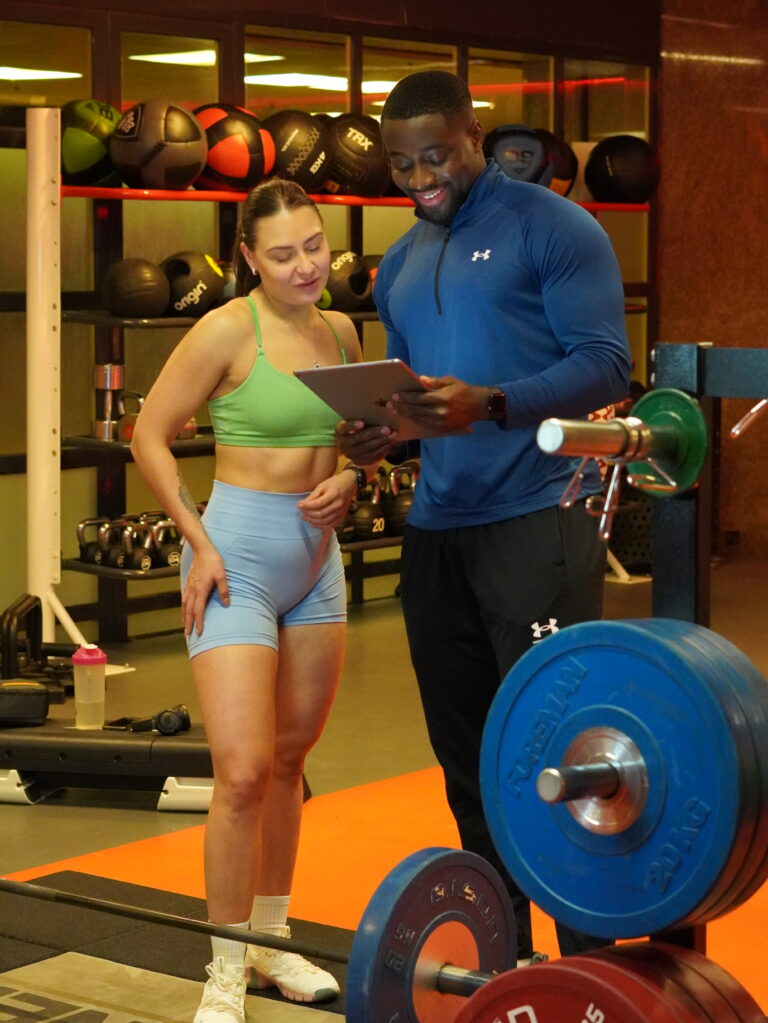
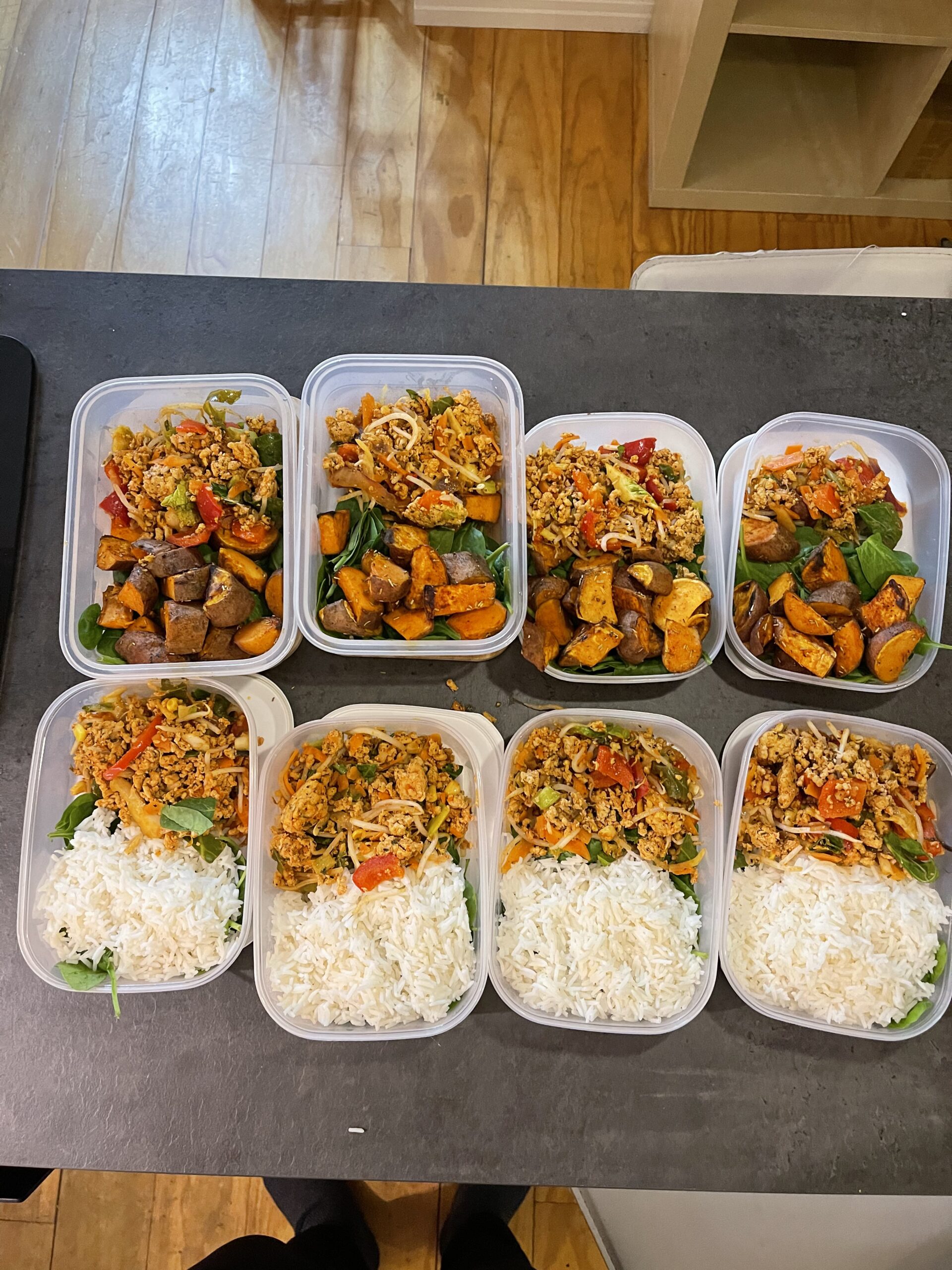
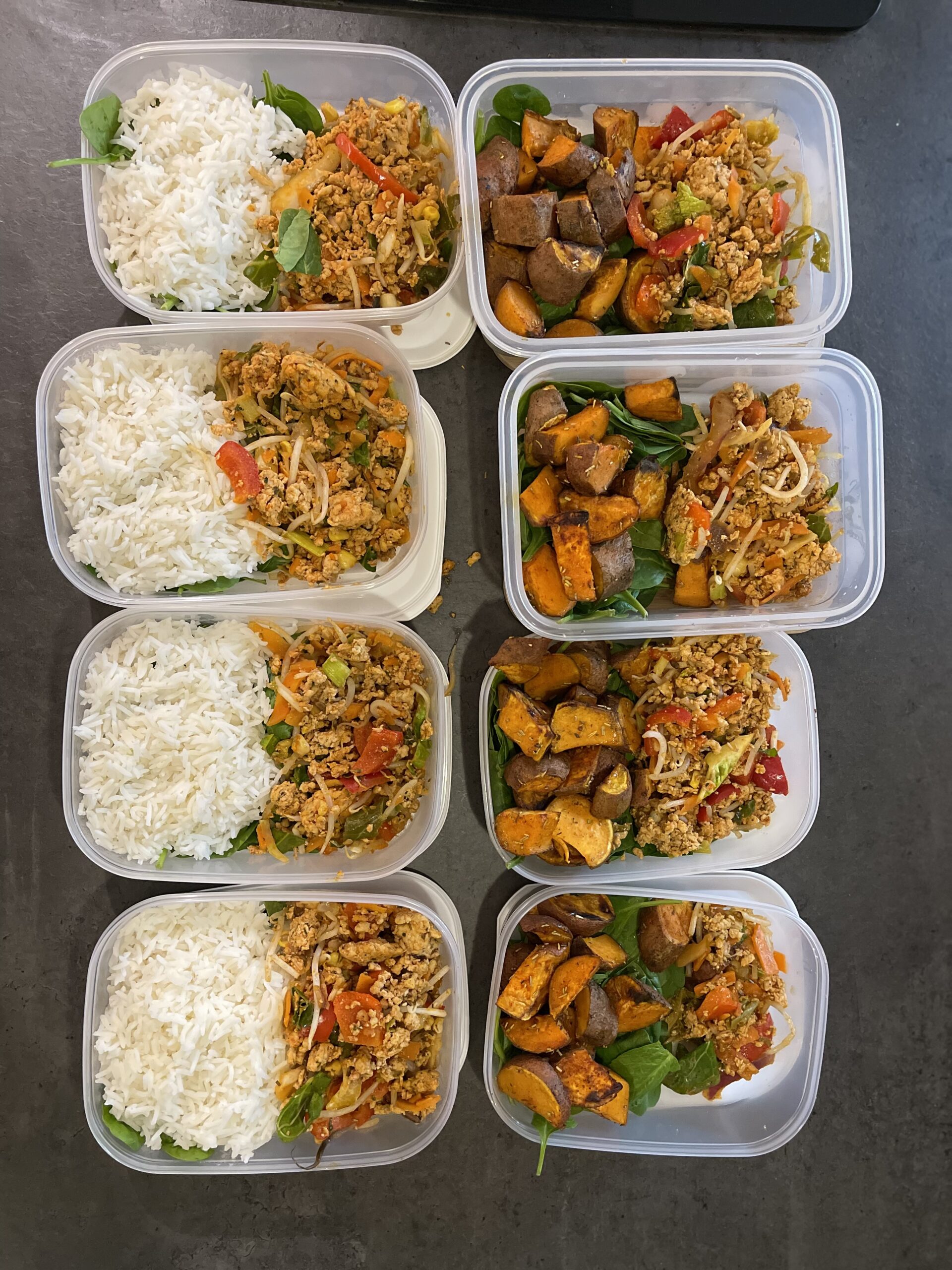
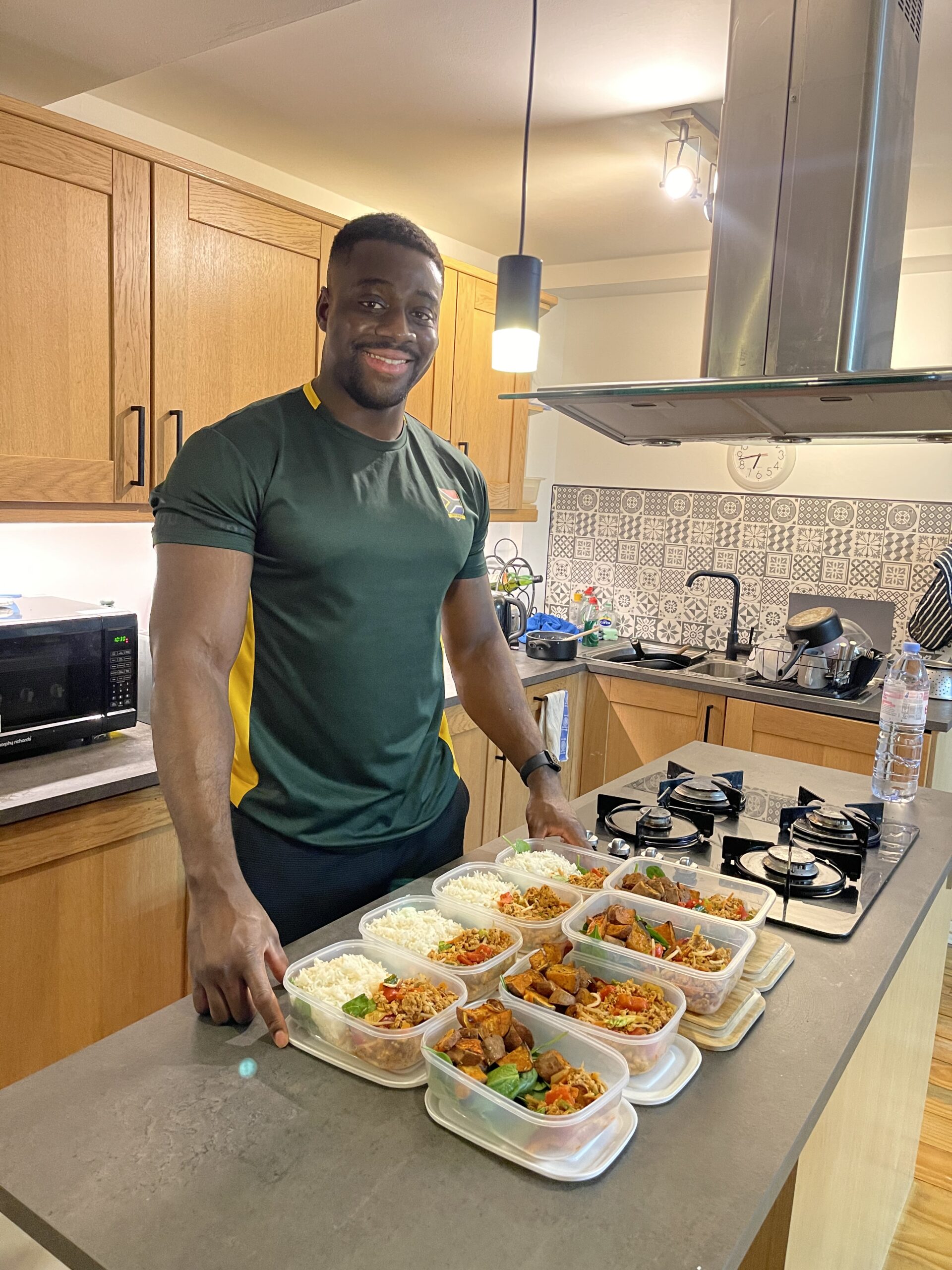
Embarking on a journey to gain 10kg of lean muscle in a year is an ambitious yet achievable goal for a beginner. It requires dedication, consistency, and most importantly, a well-structured plan. This guide is designed to provide you with the knowledge and a comprehensive 12-month program to build a stronger, more muscular physique. We will delve into the science of muscle growth, the importance of a strategic training split, and the crucial roles of nutrition and recovery. The cornerstone of this program is a 6-day push/pull/legs-inspired split, meticulously crafted to maximise muscle stimulus and optimise recovery, ensuring you make steady progress towards your goal.

The Significance of a Structured Training Split
A training split is the blueprint of your workout week, dictating which muscle groups you train on which days. For a beginner, a well-designed split is paramount for several reasons. Firstly, it ensures that each muscle group receives adequate attention and training volume to stimulate growth. Secondly, it provides a framework for progressive overload, the fundamental principle of strength training. Lastly —and perhaps most importantly —it allows sufficient recovery time for each muscle group, when the actual growth and repair occur. Without a structured split, you risk overtraining certain muscles and undertraining others, leading to imbalances, plateaus, and an increased risk of injury. This program utilises a 6-day split, which allows for a high training frequency, enabling you to hit each muscle group at least once a week with high intensity and volume.

Progressive Overload: The Engine of Muscle Growth
Your muscles will not grow unless they are given a reason to. That reason is progressive overload. In simple terms, progressive overload means continually increasing the demands placed on your muscles over time. When your muscles are subjected to a stressor (like lifting a weight) that they are not accustomed to, they adapt by becoming bigger and stronger to be better prepared for the next time they face that same stressor. This adaptation is what we call muscle hypertrophy. The National Academy of Sports Medicine (NASM) defines hypertrophy as “the enlargement of skeletal muscle fibers in response to being recruited to develop increased levels of tension, as seen in resistance training” [1].
There are several ways to implement progressive overload:
- Increase the Weight: This is the most straightforward method. Once you can comfortably lift a certain weight for your target number of repetitions, it’s time to add more weight. A 5-10% increase is a good starting point.
- Increase the Repetitions: If you’re not ready to increase the weight, you can aim to complete more repetitions with the same weight.
- Increase the Sets: Adding an extra set to an exercise increases total training volume, a powerful stimulus for muscle growth.
- Decrease Rest Periods: By reducing the amount of time you rest between sets, you increase the metabolic stress on your muscles, which can also promote hypertrophy.
- Improve Your Form: Lifting the same weight with better technique can also be a form of progressive overload, as it ensures that the target muscle is doing the work.
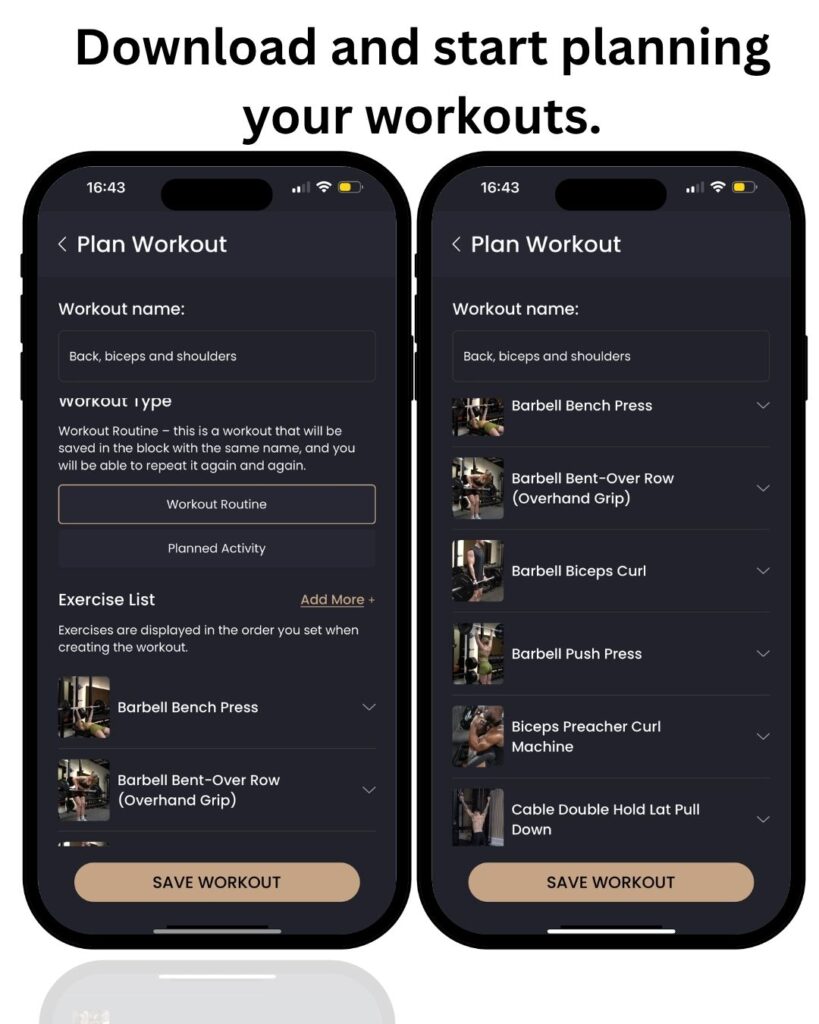
Tracking your workouts is essential for implementing progressive overload effectively. The 12Reps app is an excellent tool for this, allowing you to log your exercises, sets, reps, and weights, so you can clearly see your progress and know when it’s time to increase the demand.

The 12-Month Strength Training Program: A New Structure
This 12-month program features a new workout split to keep your body guessing and adapting. Each workout now consists of 6 exercises, with 5 sets per exercise. The first set is a warm-up set with a lighter weight to prepare the muscles for the work to come.
Warm-up and Mobility
Every workout should begin with a 10-minute warm-up, such as an incline walk on the treadmill or a rowing machine session. This is followed by mobility stretches to prepare your joints for the movements ahead.
Stretch | Sets | Reps/Duration |
Cat-Cow | 2 | 10 reps |
World’s Greatest Stretch | 2 | 5 per side |
Hamstring Stretch | 2 | 30 sec per side |
The Revised 6-Day Workout Split
Workout 1: Chest, Back, and Hamstrings
Exercise | Sets | Reps | Rest |
Barbell Bench Press | 5 | 8-12 | 60-90 sec |
Lat Pulldown | 5 | 8-12 | 60-90 sec |
Romanian Deadlift | 5 | 8-12 | 90 sec |
Incline Dumbbell Press | 5 | 10-15 | 60-90 sec |
Seated Cable Row | 5 | 10-15 | 60-90 sec |
Hamstring Curl (Machine) | 5 | 12-15 | 60 sec |
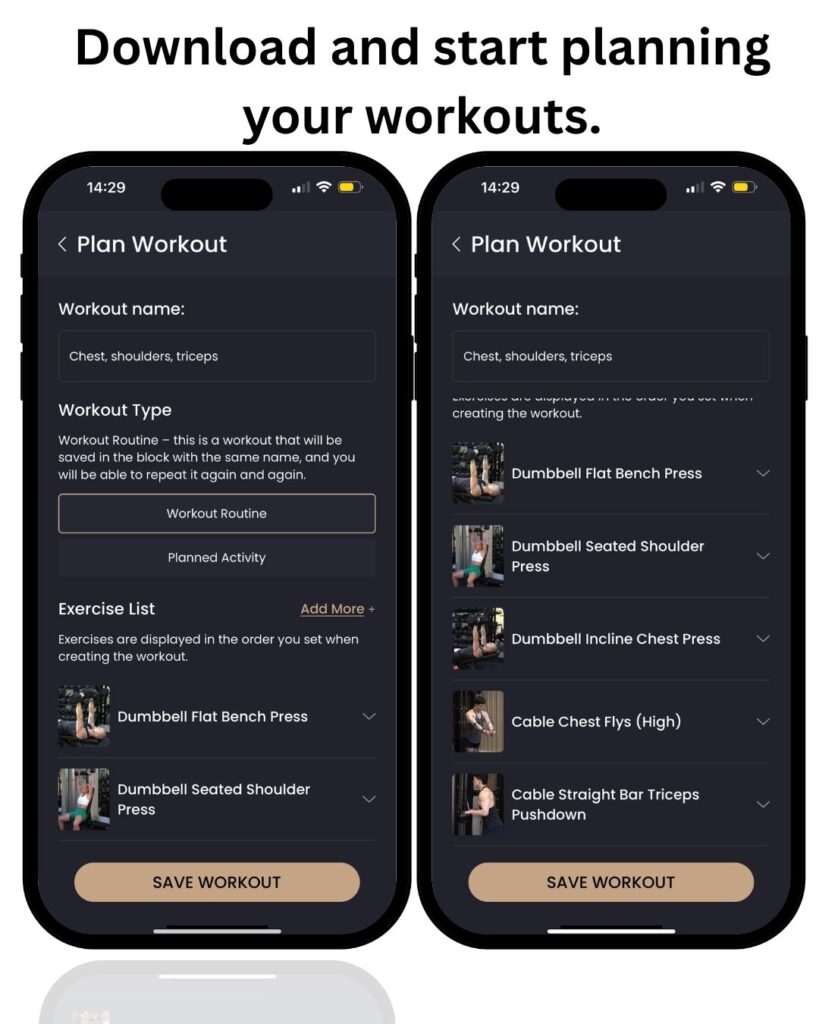
Workout 2: Shoulders, Biceps, and Triceps
Exercise | Sets | Reps | Rest |
Overhead Press (Barbell) | 5 | 8-12 | 90 sec |
Dumbbell Bicep Curl | 5 | 10-15 | 60 sec |
Tricep Pushdown (Machine) | 5 | 10-15 | 60 sec |
Dumbbell Lateral Raise | 5 | 12-15 | 60 sec |
TRX Bicep Curl | 5 | 12-15 | 60 sec |
Overhead Tricep Extension | 5 | 12-15 | 60 sec |
Workout 3: Back, Hamstrings, and Core
Exercise | Sets | Reps | Rest |
Deadlift (Barbell) | 5 | 5-8 | 120-180 sec |
Pull-Ups (or Assisted) | 5 | AMRAP | 90 sec |
Good Mornings | 5 | 10-15 | 90 sec |
T-Bar Row | 5 | 8-12 | 60-90 sec |
Face Pulls | 5 | 15-20 | 60 sec |
Core Finisher | – | – | – |
Workout 4: Interval Cardio and Core
- Cardio: Choose one of the following:
- Treadmill: 5-minute warm-up, then 10 rounds of 30 seconds sprint / 60 seconds walk, followed by a 5-minute cool-down.
- Running Outside: 5-minute warm-up jog, then 10 rounds of 1-minute hard run / 2-minute easy jog, followed by a 5-minute cool-down walk.
- Wattbike: 5-minute warm-up, then 15 rounds of 20 seconds max effort / 40 seconds easy spin, followed by a 5-minute cool-down.
- Core Finisher: (see below)
Workout 5: Quads, Glutes, and Shoulders
Exercise | Sets | Reps | Rest |
Barbell Squat | 5 | 8-12 | 90-120 sec |
Hip Thrusts (Barbell) | 5 | 10-15 | 90 sec |
Arnold Press | 5 | 8-12 | 90 sec |
Leg Press (Machine) | 5 | 10-15 | 90 sec |
Glute Bridge (with weight) | 5 | 12-15 | 60 sec |
Upright Row | 5 | 10-15 | 60 sec |
Workout 6: Interval Cardio and Core
- Cardio: Choose a different option from Workout 4.
- Core Finisher: (see below)
Core Finisher
Perform these exercises at the end of your designated core workouts.
Exercise | Sets | Reps/Duration |
Plank | 3 | 45 seconds |
Flutter Kicks | 3 | 45 seconds |
Decline Sit-ups | 3 | 10 reps |
Cool-down
Every workout should end with a 10-minute cool-down, such as a light walk on the treadmill or a session on the Stairmaster. This helps to gradually bring your heart rate down and can aid in recovery.

The 12Reps App: Your Ultimate Training Partner
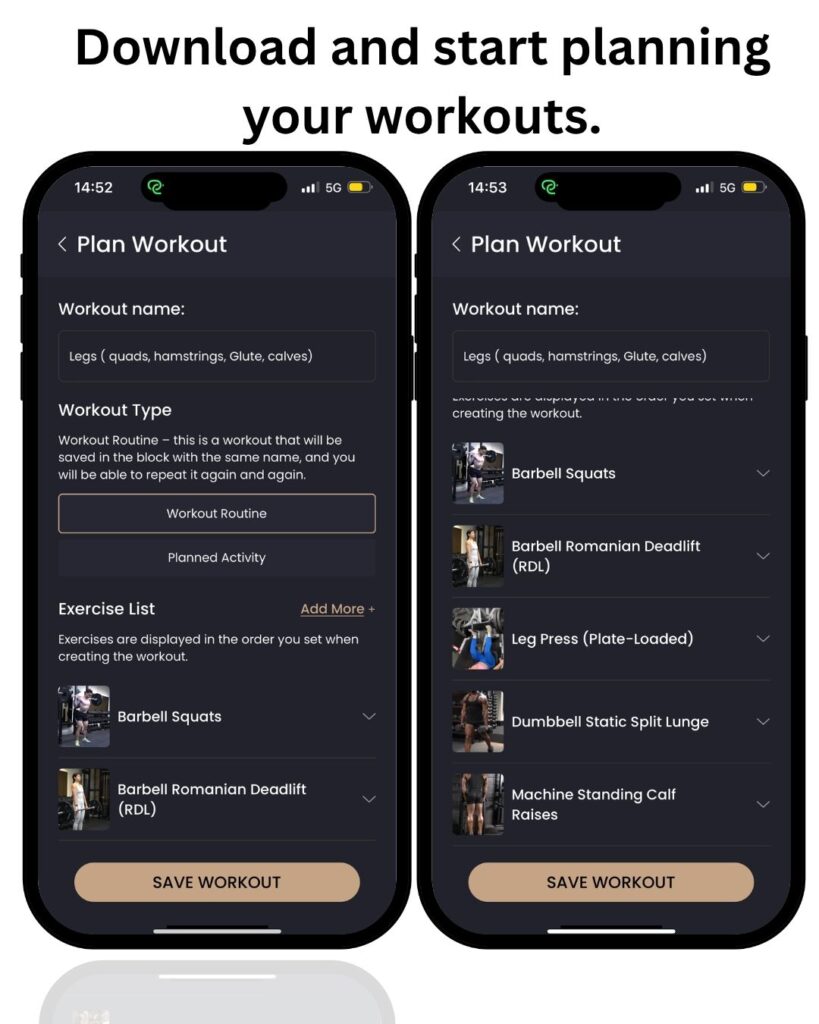
Consistency is key, and the 12Reps app is designed to help you stay on track. This powerful workout tracker allows you to build and log your workouts, monitor your rest periods with the built-in stopwatch, and track your progress over time. With a library of over 1,500 exercise demos from certified personal trainers, you can ensure your form is always correct, minimising the risk of injury and maximising your results. Take the guesswork out of your training and let the 12Reps app guide you on your journey to a stronger, more muscular you. Download the 12Reps app today for a free trial and unlock your full potential.

References
- National Academy of Sports Medicine. (2022). Progressive Overload Explained: Grow Muscle & Strength Today. https://blog.nasm.org/progressive-overload-explained
- Medical News Today. (2022). How much protein do you need to build muscle?. https://www.medicalnewstoday.com/articles/how-much-protein-do-you-need-to-build-muscle
- Fuel Meals. (2024). Best Macros to Gain Muscle. https://www.fuelmeals.com/blogs/table-talk/best-macros-to-gain-muscle